
A Royal Handshake Across the Atlantic: King Charles III’s Historic U.S. State Visit:
King Charles III and Queen Camilla’s landmark visit to the United States signals a renewed chapter in transatlantic relations. Hosted by President Donald Trump, this state visit blends tradition, diplomacy, and global strategy at a pivotal moment in world affairs.

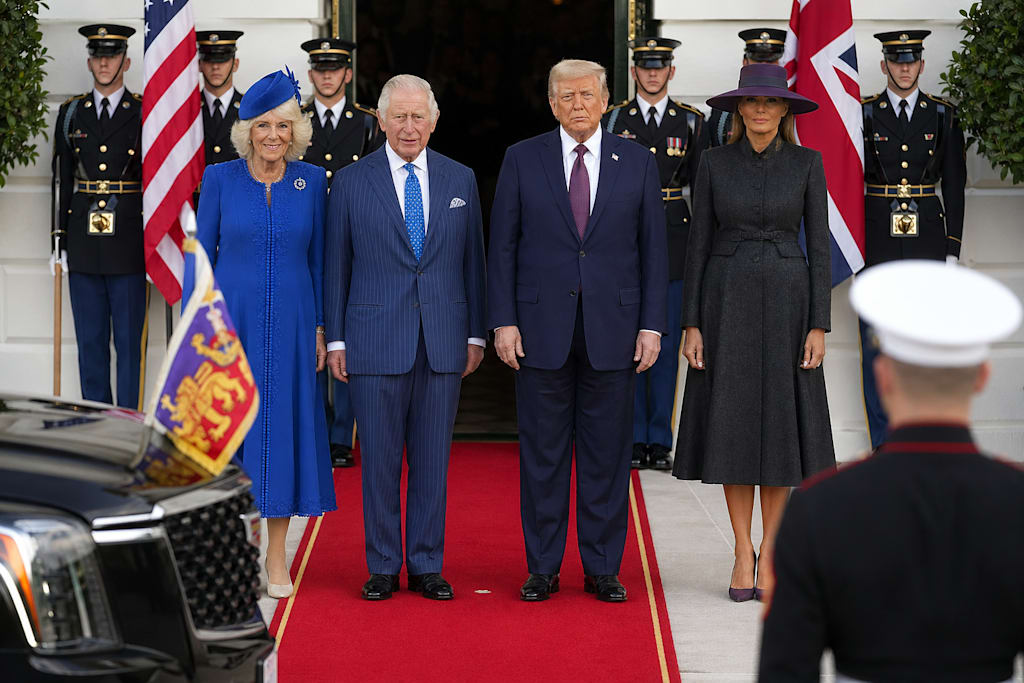
King Charles III and Queen Camilla’s Landmark State Visit to the United States :
Description: A historic meeting of monarchy and modern democracy, this state visit highlights diplomacy, symbolism, and the enduring strength of the transatlantic alliance.
The state visit of King Charles III and Queen Camilla to the United States in April 2026 represents a defining moment in contemporary international relations. Hosted by President Donald Trump, the visit reflects both tradition and transformation, combining ceremonial grandeur with strategic dialogue. As the first official visit of Charles’s reign to the United States, it underscores the evolving role of the British monarchy in global diplomacy and the continued importance of the Anglo-American partnership.
Introduction:
State visits serve as powerful instruments of diplomacy, blending symbolic gestures with substantive political engagement. The arrival of King Charles III and Queen Camilla in Washington, D.C., marks a renewal of one of the world’s most significant bilateral relationships. The United Kingdom and the United States, often described as sharing a “special relationship,” have long collaborated on issues ranging from defense and intelligence to trade and cultural exchange.
This visit is particularly meaningful as it coincides with the broader context of global uncertainty, including economic challenges, shifting alliances, and ongoing international conflicts. Against this backdrop, the presence of the British monarch functions as a stabilizing force, offering continuity and a reminder of shared democratic values. It also reflects the monarch’s commitment to fostering dialogue on pressing global issues such as climate change, sustainability, and international cooperation.
Main Events :
Ceremonial Welcome at the White House
The visit commenced with a formal at the White House, where President Trump welcomed the royal couple with full state honors. The ceremony included a military guard, a 21-gun salute, and the playing of both national anthems. Such traditions are not merely ceremonial; they serve to reinforce mutual respect and signal the أهمية of the relationship between the two nations.
In his welcoming remarks, President Trump emphasized the strength and resilience of U.S.–U.K. ties, praising the King’s leadership and commitment to public service. King Charles III, in turn, highlighted the historical depth of the relationship, noting how former adversaries have become close allies united by shared principles.
State Dinner and Diplomatic Exchange :
One of the most significant moments of the visit was the state dinner held at the White House. This event brought together political leaders, diplomats, cultural figures, and business representatives, creating an environment conducive to both formal and informal exchanges.
During his speech, King Charles balanced historical reflection with forward-looking optimism. He referenced the long journey from the American Revolution to the present-day alliance, emphasizing how cooperation has replaced conflict. He also spoke about shared responsibilities in addressing global challenges, including environmental protection and economic stability.
President Trump’s remarks focused on strengthening economic and security ties, reaffirming the United States’ commitment to its alliance with the United Kingdom. The dinner, therefore, served not only as a social occasion but also as a मंच for reinforcing diplomatic priorities.
Address to the U.S. Congress :
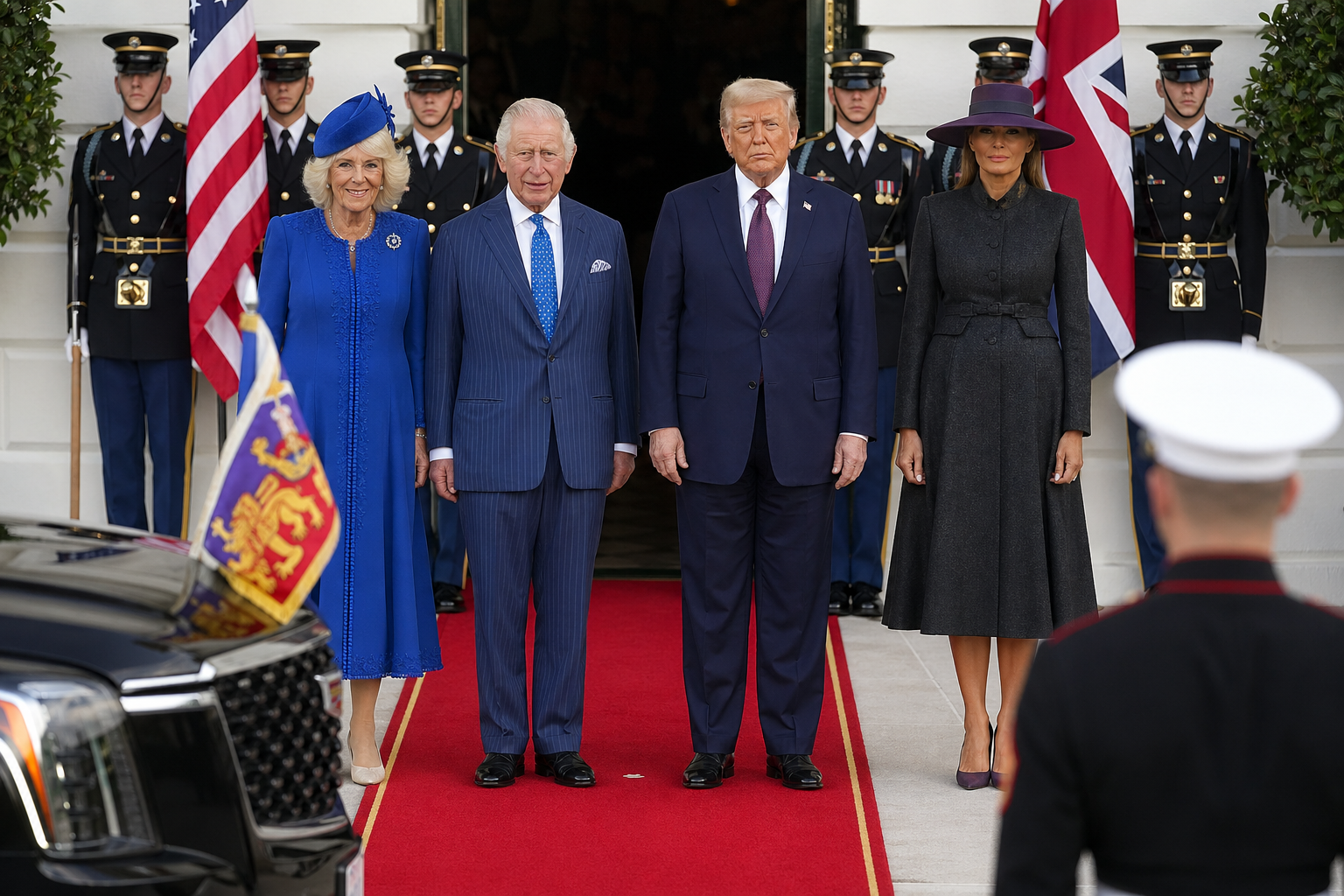
A highlight of the visit was King Charles III’s address to the U.S. Congress, an honor extended to only a select number of foreign dignitaries. In his speech, the King emphasized the importance of unity in an increasingly fragmented world. He called for renewed cooperation on issues such as climate change, technological innovation, and global security.
The King’s address was notable for its tone of measured diplomacy. Rather than focusing on differences, he underscored shared values and mutual goals. His remarks reflected the unique role of the monarchy as a non-partisan institution capable of engaging across political divides.
Engagements Beyond Washington :
The royal visit extended beyond the capital, demonstrating a broader commitment to engaging with American society. In New York City, King Charles and Queen Camilla visited the National September 11 Memorial, paying tribute to the victims of the 2001 terrorist attacks. This solemn moment highlighted the experiences of loss and resilience that bind the two nations.
The King also participated in discussions on environmental sustainability, a cause he has championed for decades. Meetings with local leaders and environmental organizations provided an opportunity to exchange ideas on sustainable development and climate action.
Queen Camilla focused on cultural and educational initiatives, including visits to schools and literary organizations. Her engagements emphasized the importance of education, literacy, and cultural exchange as foundations for long-term international cooperation.
Public Reception and Media Coverage :
The visit has generated significant public interest and media coverage, both in the United States and internationally. Images of the royal couple attending official and engaging with citizens have captured global attention. The presence of the monarchy in a republic such as the United States offers a compelling contrast, highlighting both differences and shared traditions.
Public reactions have been largely positive, with many viewing the visit as a reaffirmation of longstanding ties. However, some criticism has emerged, particularly regarding political between the two nations. These discussions reflect the complexities of modern diplomacy, where symbolic gestures coexist with substantive disagreements.
Conclusion :
The 2026 state visit of King Charles III and Queen Camilla to the United States stands as a testament to the enduring قوة of the Anglo-American relationship. By combining tradition with contemporary relevance, the visit has reinforced the importance of diplomacy in navigating an increasingly complex global landscape.
Through ceremonial events, strategic dialogue, and cultural engagement, the visit has highlighted the shared values that underpin the relationship between the United Kingdom and the United States. It has also demonstrated the continued relevance of the monarchy as a diplomatic actor, capable of fostering goodwill and facilitating .
Ultimately, the success of the visit lies not only in its immediate outcomes but also in its symbolic significance. At a time when global is more important than ever, such engagements serve as a reminder that strong relationships are built on mutual respect, shared history, and a commitment to common goals.
As the world looks to the future, the partnership between the United Kingdom and the United States will remain a cornerstone of international stability. The state visit of King Charles III and Queen Camilla has reaffirmed this reality, offering a vision of diplomacy that is both rooted in tradition and responsive to the challenges of the modern era.
About the Creator
@HiddenHistory
"I’m a passionate storyteller who loves exploring every topic
Enjoyed the story? Support the Creator.
Subscribe for free to receive all their stories in your feed.
Comments
There are no comments for this story
Be the first to respond and start the conversation.