
6 Genius Inventions that were Invented By Mistake
6 Genius Inventions

During the Vietnam War, the army had a chemical that, when sprayed on wounds, would instantly stop bleeding—no matter how deep the injury was. This chemical saved thousands of lives. You’ll be surprised to know that today, this chemical exists in almost every home.
Welcome back to Jam TV videos. Many things we use in daily life were not invented on purpose, but by accident.
First, let’s talk about Coca-Cola. Who would have thought that a sword wound would lead to the creation of the world’s most famous soft drink?
This story is about John Pemberton. After getting injured, he started using morphine, which is a highly addictive drug used when no other medicine works. His wound healed, but he became addicted to morphine and wanted to quit.
At that time, alcohol and cocaine were not considered harmful. So, he created a medicine for himself by mixing cola nuts and a plant called damiana, along with cocaine and alcohol. This drink worked as both a painkiller and an alcoholic beverage. He named it “Pemberton’s French Wine Coca.”
About 20 years later, a law was passed that forced him to remove alcohol and cocaine from his drink. So, he experimented and created a syrup using only cola nuts and coca leaves. One day, by mistake, he mixed this syrup with carbonated water. The pharmacy owner liked it so much that he suggested selling it as a refreshing drink instead of medicine.
Because it was made from cola and coca leaves, it was named Coca-Cola. The first Coca-Cola was sold for just five cents. Due to illness and financial problems, Pemberton sold the formula for only $38. Today, Coca-Cola is worth billions.
Now, back to the Vietnam War chemical—it was actually Super Glue. Doctors used it as first aid to seal wounds and stop bleeding instantly.
Interestingly, Super Glue was also invented by accident. During World War II, the US Army needed a clear plastic for gun sights. While trying to create it, scientists led by Dr. Harry Coover accidentally created a very sticky chemical called cyanoacrylate.
It was initially rejected, but years later, while working at Kodak, Dr. Coover realized its usefulness when a refractometer broke. In 1958, it was sold as Eastman 910, later known as Super Glue.
Besides sticking objects, Super Glue is also used in forensic science to detect fingerprints.
Next is Velcro. In 1941, Swiss engineer George de Mestral went hiking with his dog in the Alps. He noticed that burdock plant seeds kept sticking to his clothes and his dog’s fur. Under a microscope, he saw that the seeds had tiny hooks that latched onto fabric loops.
Inspired by this, he invented hook-and-loop fasteners, known as Velcro, in 1955.
Another accidental invention is Play-Doh. Before World War II, it was used to clean coal soot from walls. But after natural gas replaced coal heating, it became useless—until a teacher started using it for kids to make models. That’s how it became a popular toy.
Blood thinners were also discovered accidentally. In the 1920s, animals died due to internal bleeding caused by eating moldy grass. Scientists found a chemical that thinned blood, later named Warfarin. It was first used as rat poison, but later saved human lives, including US President Dwight Eisenhower.
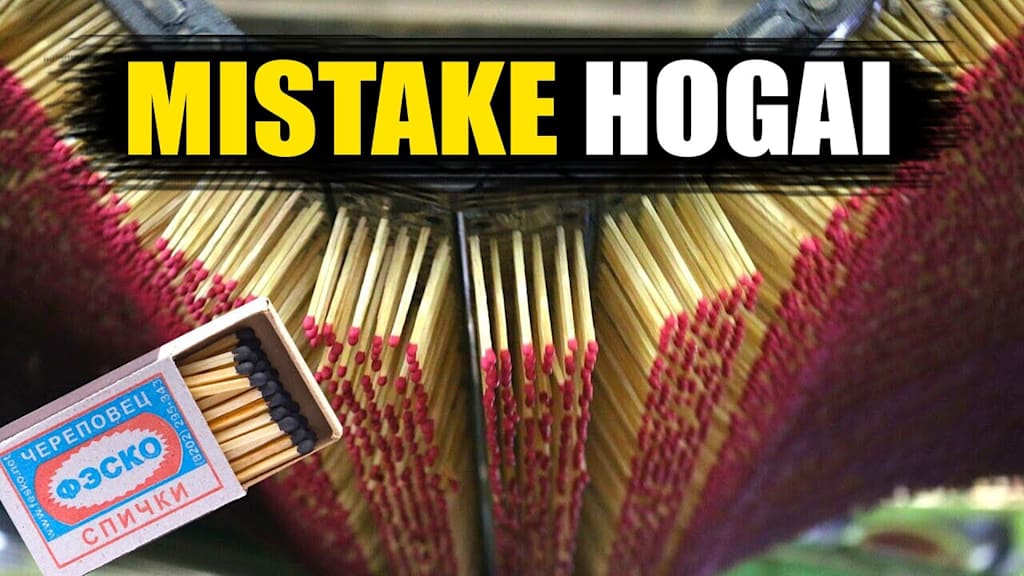
Finally, matches. Before matches, starting a fire was difficult. In 1827, British pharmacist John Walker accidentally created fire when chemicals on a stick ignited near heat. This led to the invention of matchsticks.
Although he never patented it, he is now recognized as the inventor of matches.
About the Creator
Imran Ali Shah
🌍 Vical Midea | Imran
🎥 Turning ideas into viral content
✨ Watch • Share • Enjoy
Enjoyed the story? Support the Creator.
Subscribe for free to receive all their stories in your feed.
Comments
There are no comments for this story
Be the first to respond and start the conversation.