
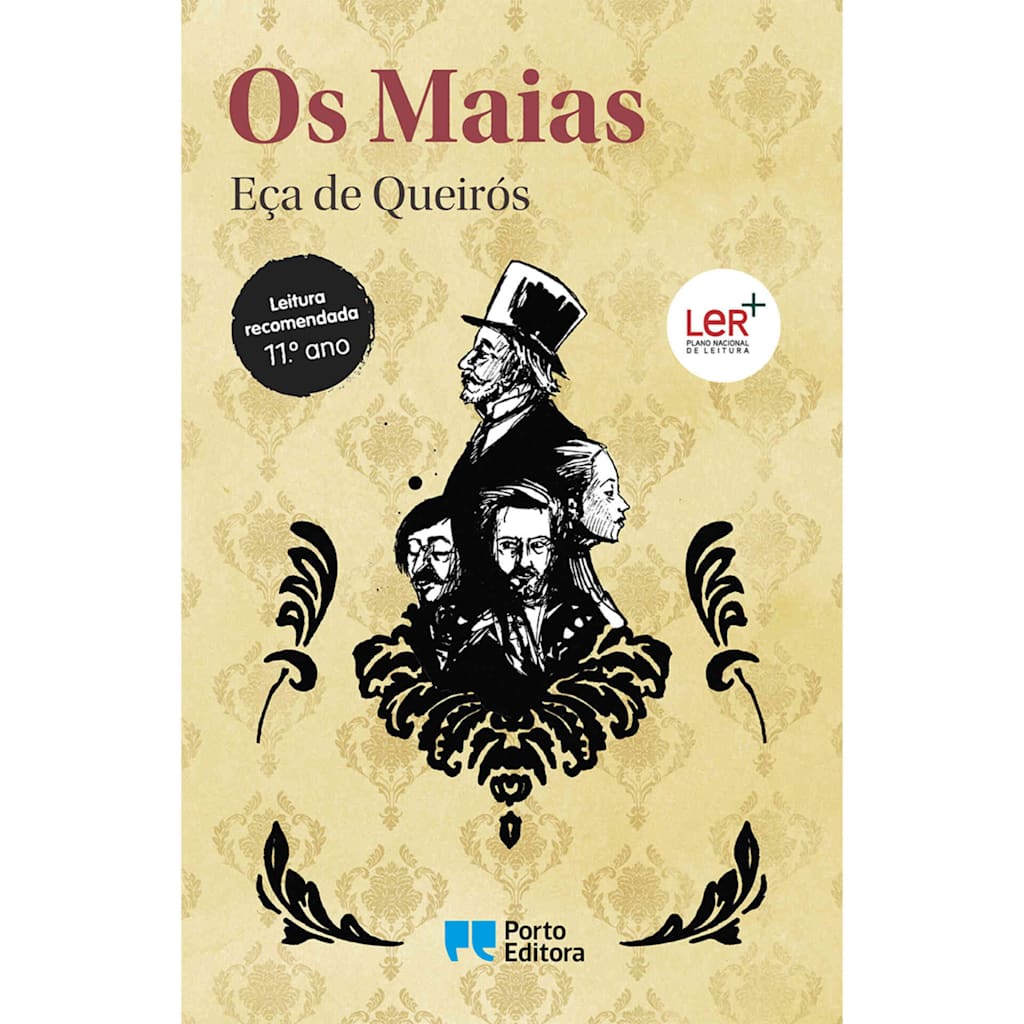
The Maias by Eça de Queiroz
Why It's a Masterpiece (Week 141)

Background and Context:
Way back when I was on Twitter before COVID, I would of course, post about the books I was reading and actually communicate with other people who liked books too. Nowadays, I don't tend to do the latter because there is absolutely no use of having a conversation with anyone on Twitter since 99% of them are incels and bots. On one of these days in which I was communicating about books I was reading, a Portuguese friend of mine offered up a recommendation of The Maias by Eça de Queiroz. And so it began...
You can read about it here as well...(the attached is much shorter than this article)
The Maias by Eça de Queiros
Primarily set in Lisbon, this novel often reflects the political instability of the time it is written in. The author worked on the novel over several years, continuously refining it and producing new drafts. The Maia family become a microcosm of the nation and yet, we still feel deeply and emotionally involved with them. By the time of its completion, the author had matured stylistically and ideologically, moving beyond overt naturalism toward a more complex realism that balanced social critique with irony, psychological depth, and structural sophistication, making the novel his most ambitious work.
The Maias was first published in 1888 in Portugal. Upon release, it attracted attention for its length, scope, and unflinching critique of Portuguese high society. While not universally praised at first, some readers found its pessimism and satire uncomfortable and thus, didn't take to it very well.
But since its release it has become a defining work of the country's literary culture. A perfect blend of defiance, satire and tragic irony.
Plot
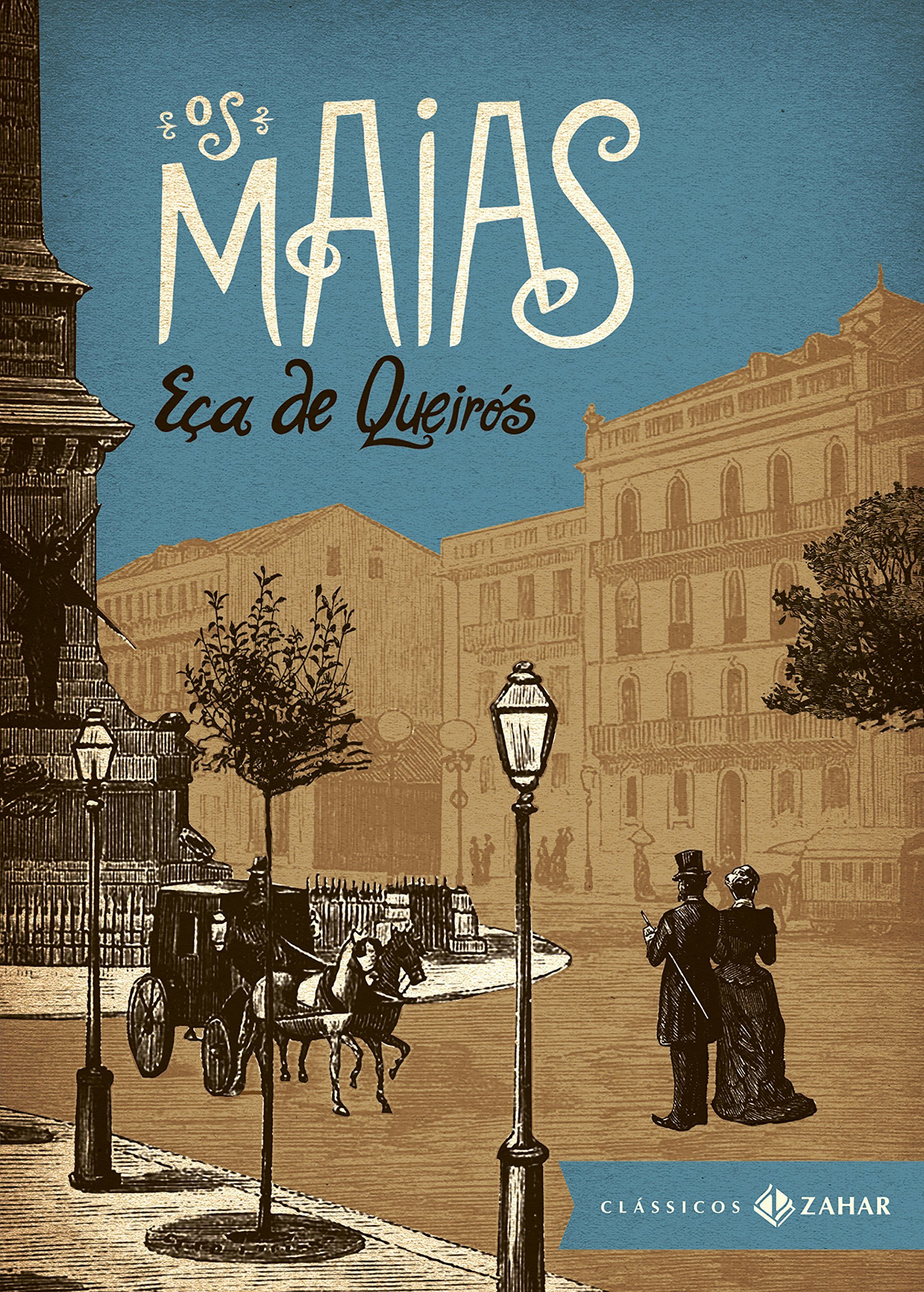
The book opens with the history of the Maia family, focusing on Afonso da Maia, a wealthy, principled liberal who raises his grandson Carlos after the tragic death of his son Pedro. Pedro’s failed marriage and suicide establish a pattern of emotional weakness and romantic excess - an image of stagnation clearly present in Portugal's own upper class at the time.
Carlos grows up privileged, cosmopolitan, and intellectually cultivated under Afonso’s careful guidance. Educated in medicine, he embodies promise and modernity, yet also indulgence and complacency. His education and refinement contrast sharply with his lack of professional discipline which of course, foreshadows a lot for him in the way of becoming the kind of man his grandfather would revile.
As an adult, Carlos returns to Lisbon and enters high society, moving into the lavish Ramalhete estate. He becomes part of a social circle dominated by gossip, affairs, and superficial intellectualism. Although surrounded by talk of progress and reform, Carlos and his peers remain inactive, showing the emptiness and performative nature of Portugal’s elite culture. This is definitely something we can apply to various intelligence-based salons across the world but is probably best shown in the ways in which the middle class mobilise on social media today - without any real action whatsoever.
Carlos’s closest companion is João da Ega, a sharp-tongued intellectual who espouses radical political and artistic ideas. Ega’s wit and scathing critiques of Portuguese society offer comic relief and incisive satire even though it does make him a relatively annoying chaarcter from time to time. Like Carlos, Ega ultimately fails to translate his rhetoric into action, the sterility of intellectualism is a definite underlying message.
Carlos engages in a series of love affairs that reflect his emotional instability and moral laxity. His relationships are intense but short-lived, driven more by passion and vanity than commitment. As we will see later in the novel, this moral laxity will have tremendous consequences for Carlos as his inaction and inability to pay attention ultimately backfires. Carlos falls deeply in love with Maria Eduarda, a mysterious and captivating woman living apart from Lisbon society. Their relationship appears unusually sincere and fulfilling, offering Carlos a sense of purpose and emotional depth absent from his earlier affairs. This love story temporarily suggests the possibility of redemption, emotional maturity, and personal fulfilment. Of course, the author would never let it be this way entirely - there must be something bubbling beneath.
Gradually, disturbing clues emerge about Maria Eduarda’s past. It is revealed that she is Carlos’s long-lost sister, the child of Pedro da Maia’s disastrous marriage. The lovers’ relationship becomes a devastating act of incest, unknowingly committed, transforming their romance into tragic irony. Of course, this is thanks to Carlos' lack of moral fixation and his complete inaction. The revelation of the incest cripples Afonso da Maia psychologically, whose lifelong moral integrity and hopes for Carlos collapse. Unable to bear the shame and tragedy, Afonso soon dies. Carlos has completely devastated Alfonso's image of him.
Carlos and Maria Eduarda separate permanently. Maria leaves Portugal, while Carlos retreats into emotional numbness and resignation. He abandons his medical career entirely, drifting aimlessly through life. The novel concludes years later with Carlos and Ega reflecting bitterly on their wasted lives and abandoned ideals. They are both left incapable of any meaningful change.
Into the Book
Decadence and National Decline:
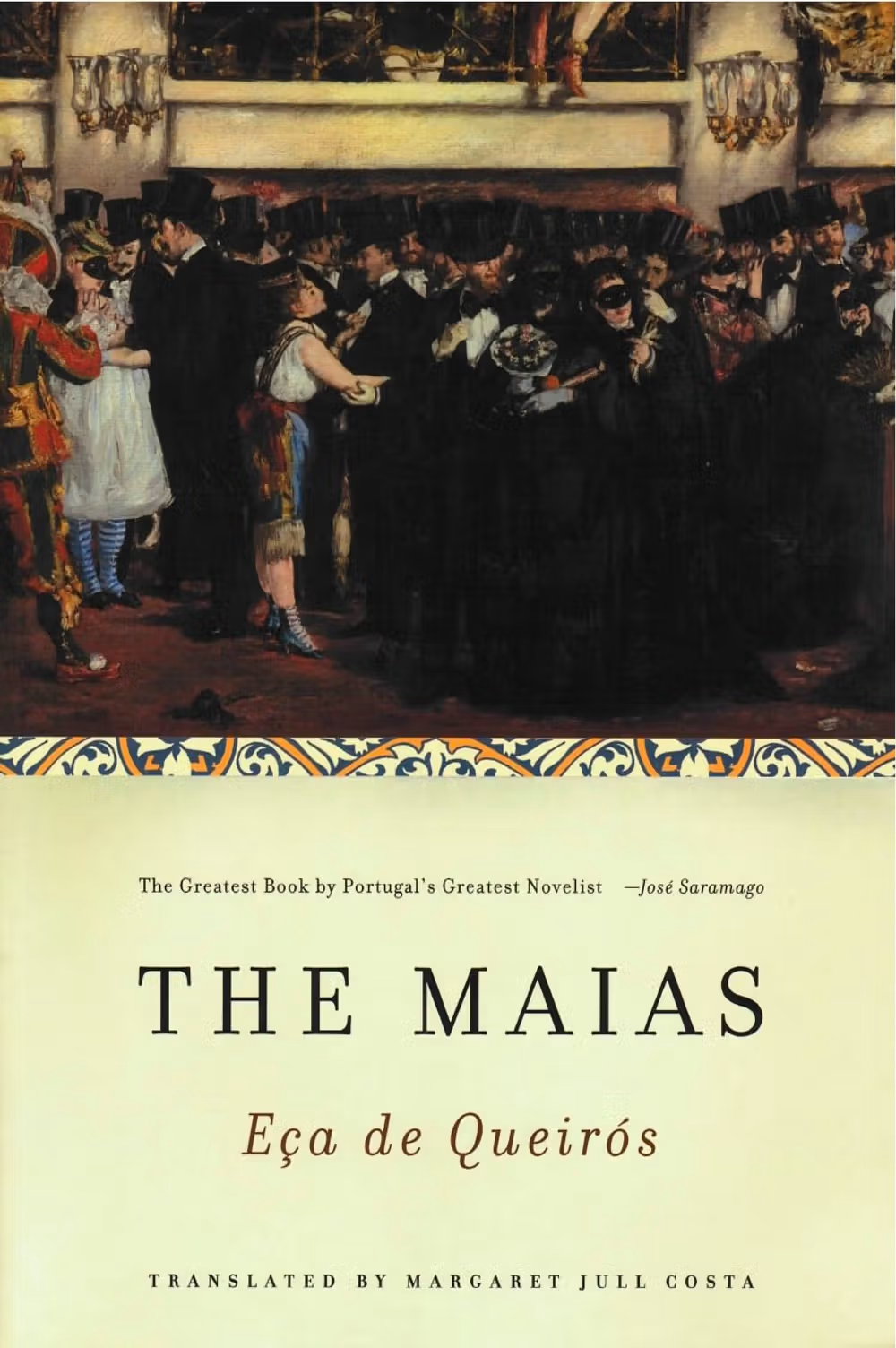
Eça de Queirós structures the novel so that private failure mirrors public decay, using the stagnation of Lisbon’s elite to critique nineteenth-century Portugal. Carlos da Maia’s life is symbolic: educated, wealthy, and articulate, yet paralysed by comfort. He talks of science, reform, and progress but never commits to them, reflecting a society more invested in appearances than action.
João da Ega’s satirical brilliance exposes corruption and hypocrisy, yet his critiques remain theatrical, performed in salons rather than enacted in reality. Eça repeatedly shows that awareness without responsibility becomes another form of decadence.
Lisbon itself is rendered as elegant but exhausted, its refinement masking inertia. The novel suggests national decline is not caused by oppression or ignorance, but by indulgence and complacency among those best positioned to effect change.
Ultimately, the Maia family’s collapse symbolises a nation that understands its own failure but lacks the moral energy to reverse it.
“They all criticised everything, and yet everything remained exactly the same.”
- The Maias by Eça de Queiros
Romantic Idealism and Self-Deception:
Romantic idealism is portrayed in the book as dangerously seductive, blinding characters to reality while flattering their self-image. Carlos inherits this tendency from his father Pedro, whose life was destroyed by emotional excess and illusion.
Carlos’s own affairs are framed as aesthetic experiences are beautiful, intense, and temporary rather than ethical commitments. His relationship with Maria Eduarda initially appears to transcend this pattern, offering intimacy, sincerity, and emotional depth. Yet the author gradually reveals that this belief in redemptive love is itself an illusion. Carlos uses romance as a substitute for purpose, allowing passion to excuse his professional and moral inertia.
The incest revelation brutally exposes the emptiness of romantic idealism, stripping love of its poetic disguise and revealing its potential for destruction when ungoverned by reason or responsibility. In the author's vision, idealism becomes self-deception when it prioritises feeling over truth, and intensity over accountability.
“He surrendered himself to love as one surrenders to a beautiful dream.”
- The Maias by Eça de Queiros
Fate and Moral Responsibility:
While the plot of the text often appears predictable, the author complicates the idea of fate by intertwining inheritance with choice. Carlos is shaped by the failures of his father and the overprotective idealism of his grandfather, yet he is not absolved of responsibility.
The repetition of tragedy within the Maia family suggests that emotional weakness, indulgence, and avoidance are inherited not biologically but culturally. Afonso da Maia attempts to break this cycle through rational education and moral discipline, but even he underestimates the power of comfort and sentimentality.
The incest plot, though shocking, is not presented as blind fate alone; it is enabled by secrecy, negligence, and a refusal to confront the past. The author suggests that tragedy arises when individuals allow inherited patterns to dictate their actions without reflection.
The novel rejects pure fatalism, arguing instead that failure persists when people mistake inevitability for excuse and tradition for destiny.
“It was not destiny that ruined them, but weakness.”
- The Maias by Eça de Queiros
Why It's a Masterpiece
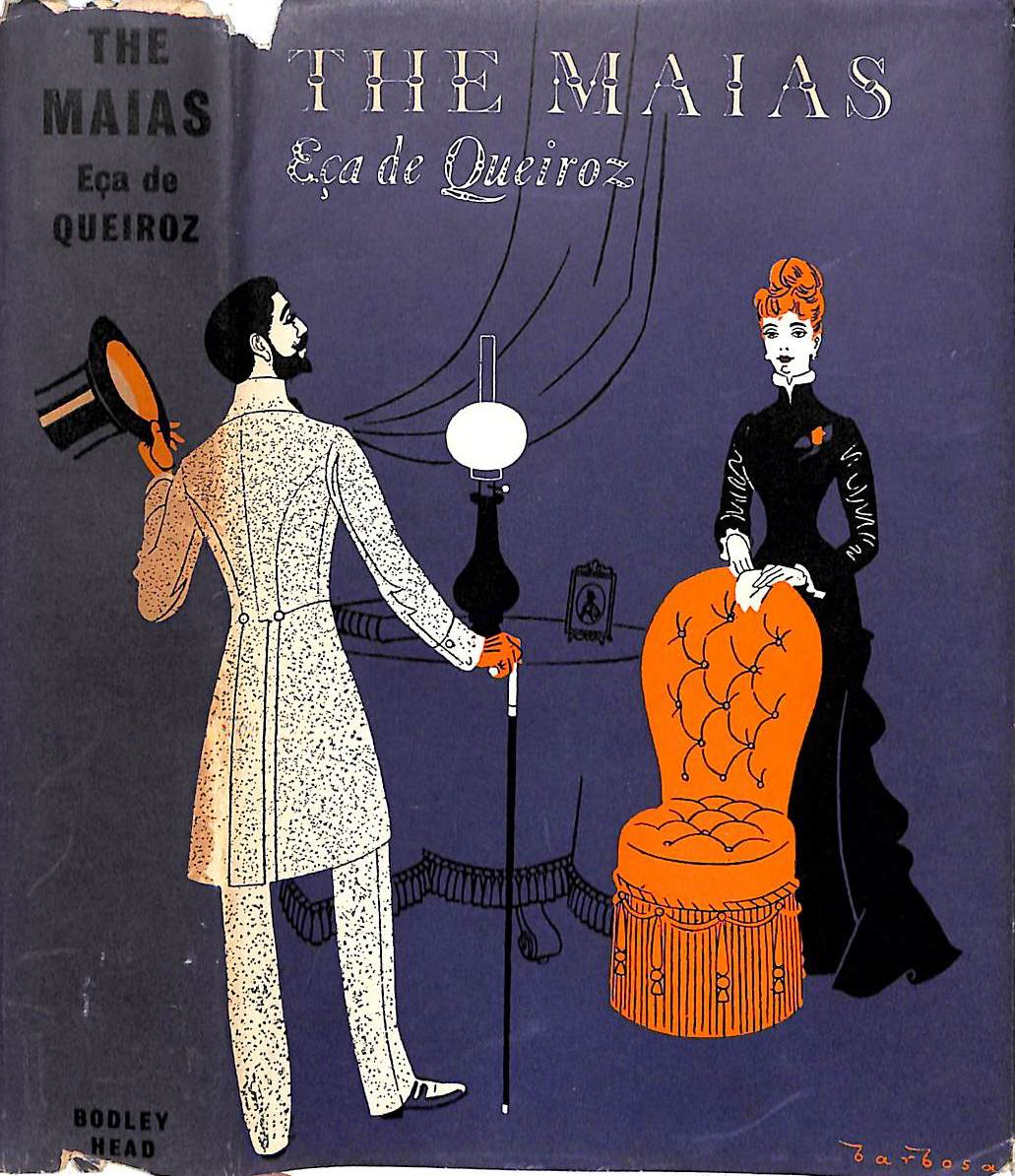
I've read this book two or three times now and every time I return to certain passages, there is definitely a sense of overwhelming fatalism about the book. It is reflected again, in our own culture in which middle-class pundits will take to social media about any known cause, complaining with ardent fervor only to actually do nothing about it. Inaction breeds inaction and everyone is miserable. The people who have the means to do something and mobilise would rather raise the question than look for the answer. The Maias is definitely applicable to our own time and thus, as we continuously watch the middle class destroy themselves, we can only say that this is a masterpiece because of how universal it is to any time after the Age of Reason. It is a post-Enlightenment middle-class satire which makes perfect sense.
Conclusion
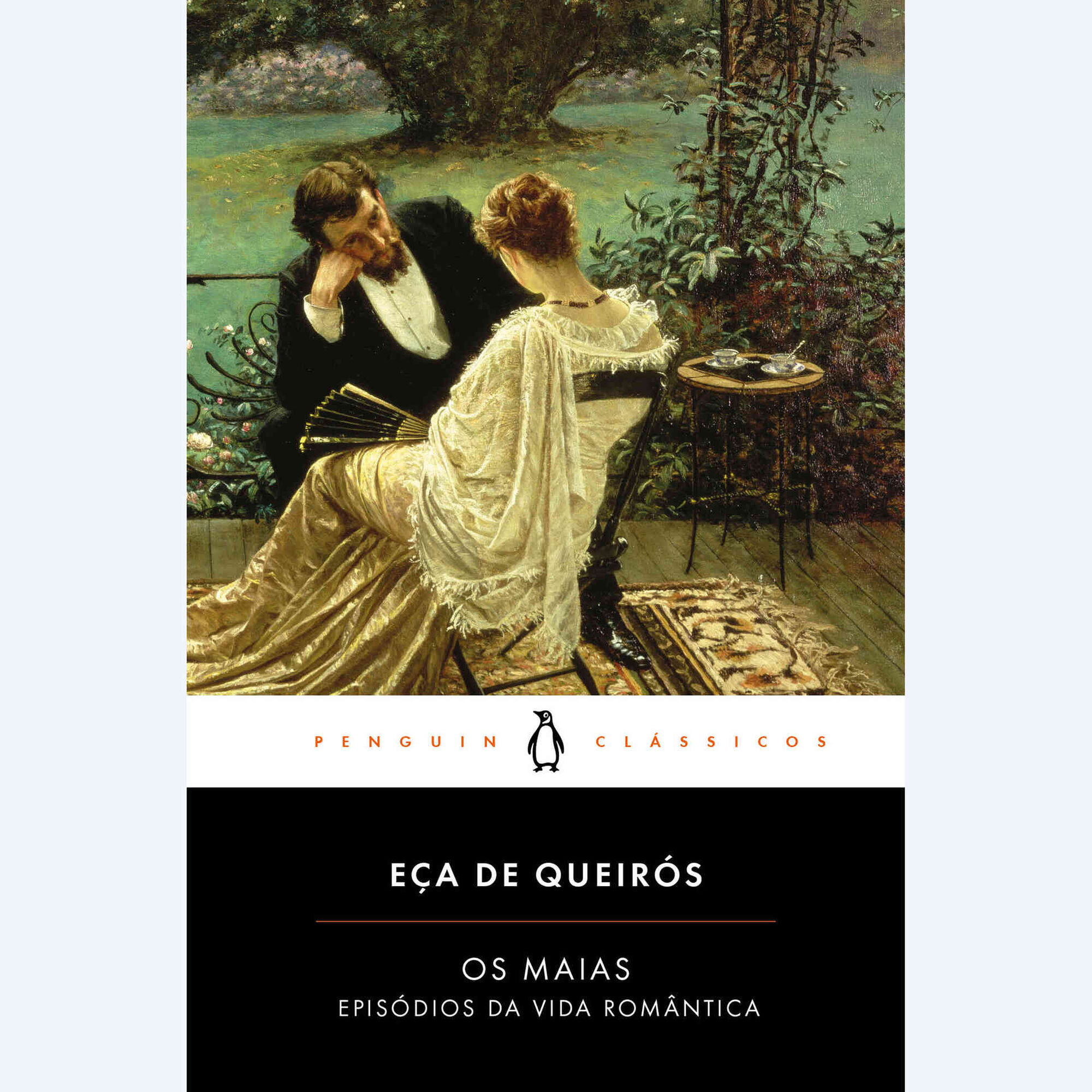
I hope you have enjoyed this piece on The Maias and if you haven't read it already - do not be put off by its strange deterministic storyline. I would recommend this to anyone who feels as though they are on the outside of the problems they desperately need to solve. It is a fantastic book.
Next Week: Ringolevio by Emmett Grogan
About the Creator
Annie Kapur
"Et in Arcadia Ego"
***
I am:
🙋🏽♀️ Annie
📚 Avid Reader
📝 Reviewer and Commentator
🎓 Post-Grad Millennial (M.A)
***
I have:
📖 300K+ reads on Vocal
🦋/X @AnnieWithBooks
📸 ThePrancingPonyBakery
🔗 PrancingPonyBakery.com
***
🏡 UK
Enjoyed the story? Support the Creator.
Subscribe for free to receive all their stories in your feed. You could also become a paid subscriber, letting them know you appreciate their work.
Comments
There are no comments for this story
Be the first to respond and start the conversation.