
The Death of Napoleon by Simon Leys
Why It's a Masterpiece (Week 132)

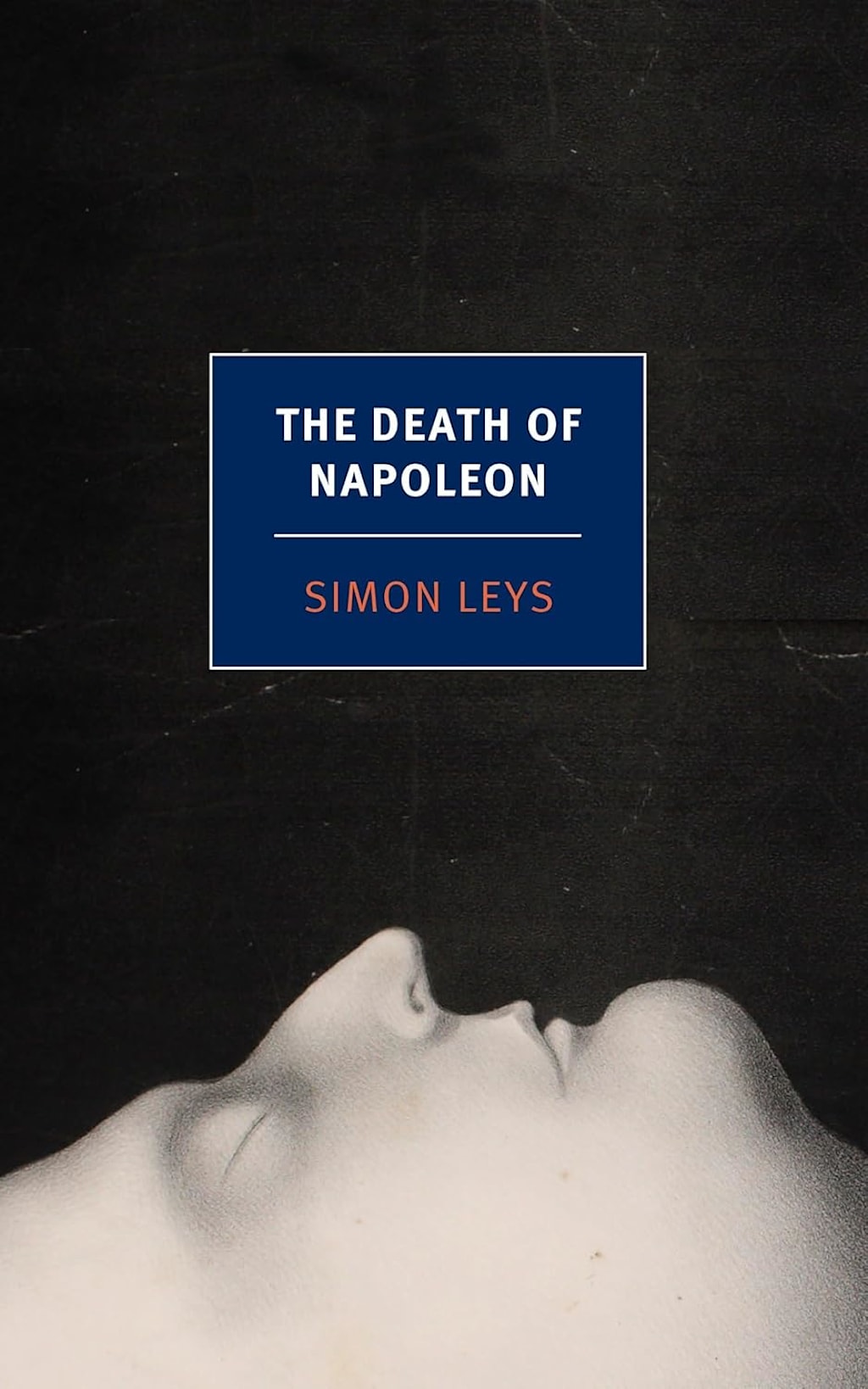
I recently found that this book was published in 1986 despite being written for publication in 1967 and the author had stated that he wanted this book to be neither historical nor autobiographical. Thus, he chose a person that could have no possible connection to himself, whether that be professional or personal. He wrote under a pseudonym and the book is often described as a fable or even a philosophical piece. It serves as the author's only novel.
The English translation of the text was published in 1991 and then eventually, the NYRB edition came out in 2015. It won the 1992 New South Wales Premier’s Literary Awards and Christina Stead Prize for Fiction for the English translation. It also won a host of independent foreign translation awards.
Plot
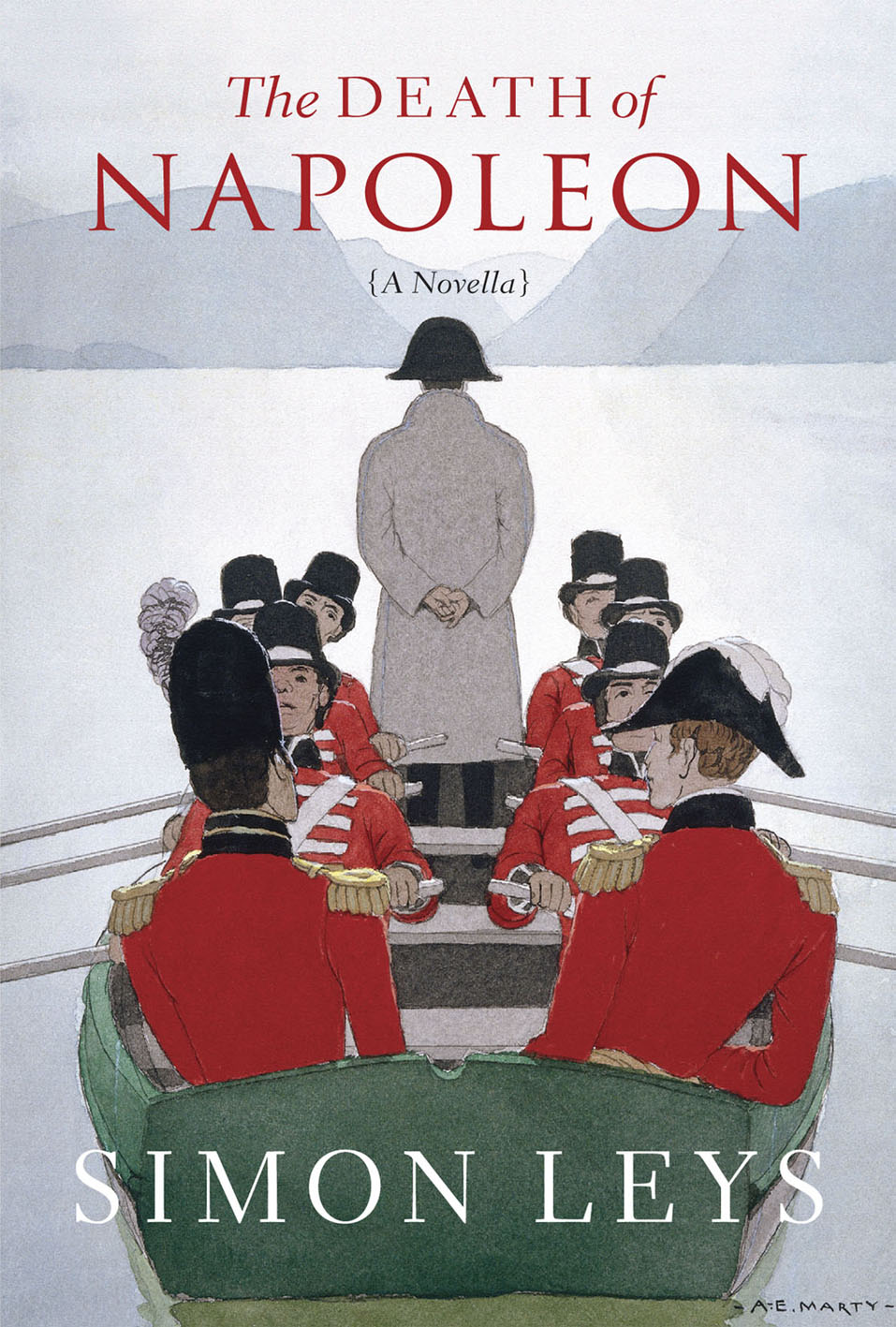
The novella begins on the remote island of St Helena, where Napoleon Bonaparte, exiled after Waterloo, hatches an audacious plan to reclaim his freedom. With the aid of a few trusted followers, he arranges to swap places with a sailor named Eugène Lenormand, who will die and be buried under Napoleon’s name.
Disguised as a humble seaman, Napoleon boards a ship bound for Europe, dreaming of reclaiming his empire and glory. On the voyage, the crew mockingly nicknames him “Napoleon” because of his uncanny resemblance to the Emperor, ironically unaware of the truth.
When the ship unexpectedly docks in Antwerp instead of Bordeaux, Napoleon finds himself stranded and disoriented in a Europe that no longer recognises him. He wanders through towns and countryside, invisible to those around him. At Waterloo, once the site of his greatest defeat he is merely another tourist among many, witnessing his past turned into spectacle.
His attempts to contact secret Bonapartist supporters go awry; messages are lost and intermediaries gone. As he makes his way toward Paris, Napoleon is struck by how little the world seems to care that he has returned. The Emperor who once commanded millions is now reduced to a solitary traveller, clinging to fragments of former grandeur.
In Paris, Napoleon must finally confront his anonymity. The network that was supposed to meet him is in ruins, and the world he once ruled has adapted to life without him. Reduced to obscurity, he takes up lodgings under the name “Eugène Lenormand” and meets a widowed melon-seller who runs a modest fruit stall.
Drawn to her kindness and simplicity, he begins helping her with her trade. Through their companionship, he experiences, for the first time, an ordinary existence: work, conversation, laughter, and even affection. This humble domestic rhythm stands in stark contrast to the imperial life he once knew.
As the days pass, Napoleon’s double life becomes psychologically unbearable. He encounters others who, in their madness, also claim to be Napoleon which serves as an ironic mirror of his own invisible truth. His attempts to reveal his real identity only deepen others’ suspicion that he is delusional.
When he confides in the widow, she listens tenderly but assumes he is mad with nostalgia. This crisis blurs the line between truth and delusion, power and impotence, reality and myth. Napoleon becomes a ghost haunting his own legend.
In the end, Napoleon’s body weakens and illness overtakes him. He dies quietly, far from the battlefields and palaces of his past, attended only by the widow who knows him as a strange, gentle old man with imperial delusions. The news of “Napoleon’s” death (his double’s) has long been accepted by the world; his passing goes unnoticed. Yet, in his final moments, he achieves a kind of peace, freed at last from the burden of his legend.
Into the Book
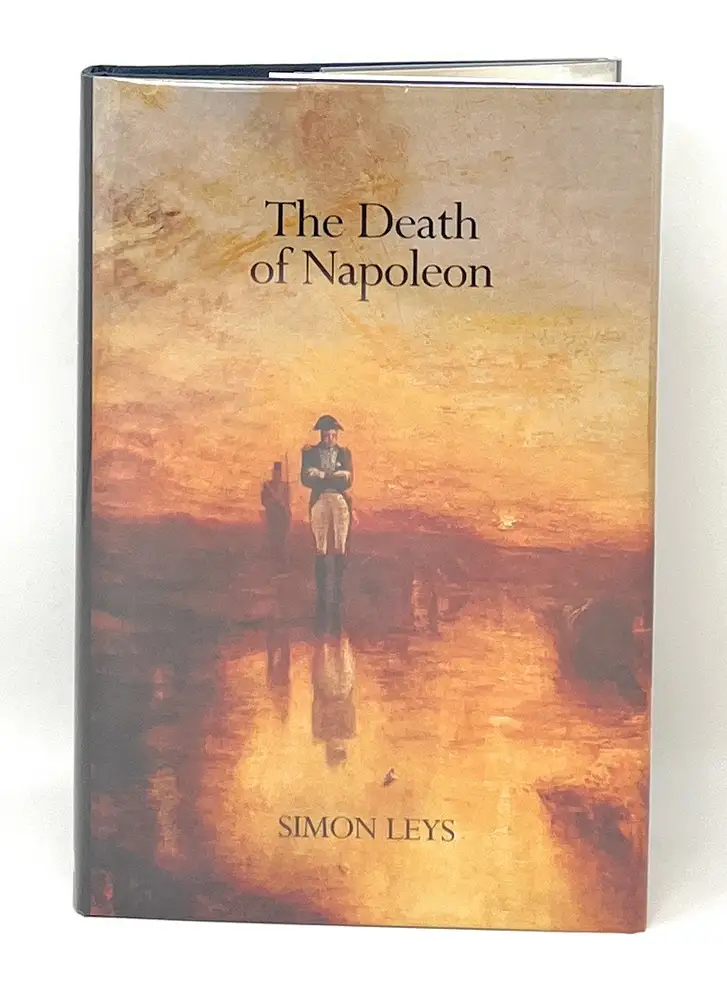
Self-Perception vs External Recognition:
One of the strongest themes is the tension between how one sees oneself and how the world perceives (or fails to perceive) you. Napoleon, disguised as Eugène Lenormand, experiences a profound discord between his inner identity (his memories, ambitions, and sense of who he is) and the external reality (where nobody recognises him as Napoleon).
This tension drives the narrative: his longed-for restoration depends not just on his own conviction but on the world believing in him. In many scenes, the author emphasises how myth and image overwhelm truth; others claim to know Napoleon or to represent him better than he himself can.
Napoleon’s own self-awareness becomes fragile: his memories of Waterloo, of his former life, lose clarity, and his often-comic physical awkwardness undercuts the grand persona he once inhabited. Leys uses irony and understatement so that the reader sees both the tragic and absurd consequences of this mismatch which is how the real Napoleon is overshadowed by his legend.
“During this time in limbo, and until the day when Napoleon’s sun would rise again, he had to survive by relying upon wretched Eugène’s purely physical existence. Only the slenderest thread was leading him back toward the hypothetical dawn of his future.”
- The Death of Napoleon by Simon Leys
The Nature of Myth:
Leys not only explores who Napoleon is but what he has become in the public imagination: a myth, a symbol, a legend. The book probes how legends are made, how they persist, and how they distort. Idealisation, collective memory, and desire feed into a version of Napoleon that is more powerful than the man himself. People want him, or what he stands for: strength, grandeur, destiny.
But that myth is paradoxically isolating; it demands a distance from ordinary humanity and disallows vulnerability or failure. Leys shows that in being mythologised, Napoleon is gradually stripped of his reliability as a real person. In some respect, myth becomes more real to others than the man’s actual actions.
The irony is deep: those who would follow him or admire him often know less of who he is than do impostors or shadows claiming his mantle. In hero-worship there is a loss: loss of truth, loss of intimacy, loss of self.
“As he bore a vague resemblance to the Emperor, the sailors on board the Hermann-Augustus Stoeffer had nicknamed him Napoleon. And so, for convenience, that is what we shall call him. Besides, he was Napoleon…”
- The Death of Napoleon by Simon Leys
Mortality, Decline and the Illusion of Retaining Power:
Another key theme is the frailty of human power and the inevitability of decline. Although Napoleon escapes from exile with ambitions, his journey makes clear that time, memory, and changing social order work against the permanence of power.
Leys makes use of physical deterioration (Napoleon older, unfit, mistaken for someone else), shifting geography (Waterloo as tourist site, not battlefield), and the collapse of conspiracies or underlying structures that once supported him. The protagonist’s recollections become hazy; victories are now only in memory or legend. There is a sense that power once wielded is like a debt or a shadow: its grip loosens over time, its legitimacy dependent on others’ belief.
The illusion is that glory might last, but human longevity, loyalty, and recognition are all transient. Through this theme, Leys interrogates how much of power is real, how much is projected, and how much depends on being seen, remembered, and believed.
“But with the death of the double all those miles away on the island Napoleon can no more reveal who he is.”
- The Death of Napoleon by Simon Leys
Why It's a Masterpiece
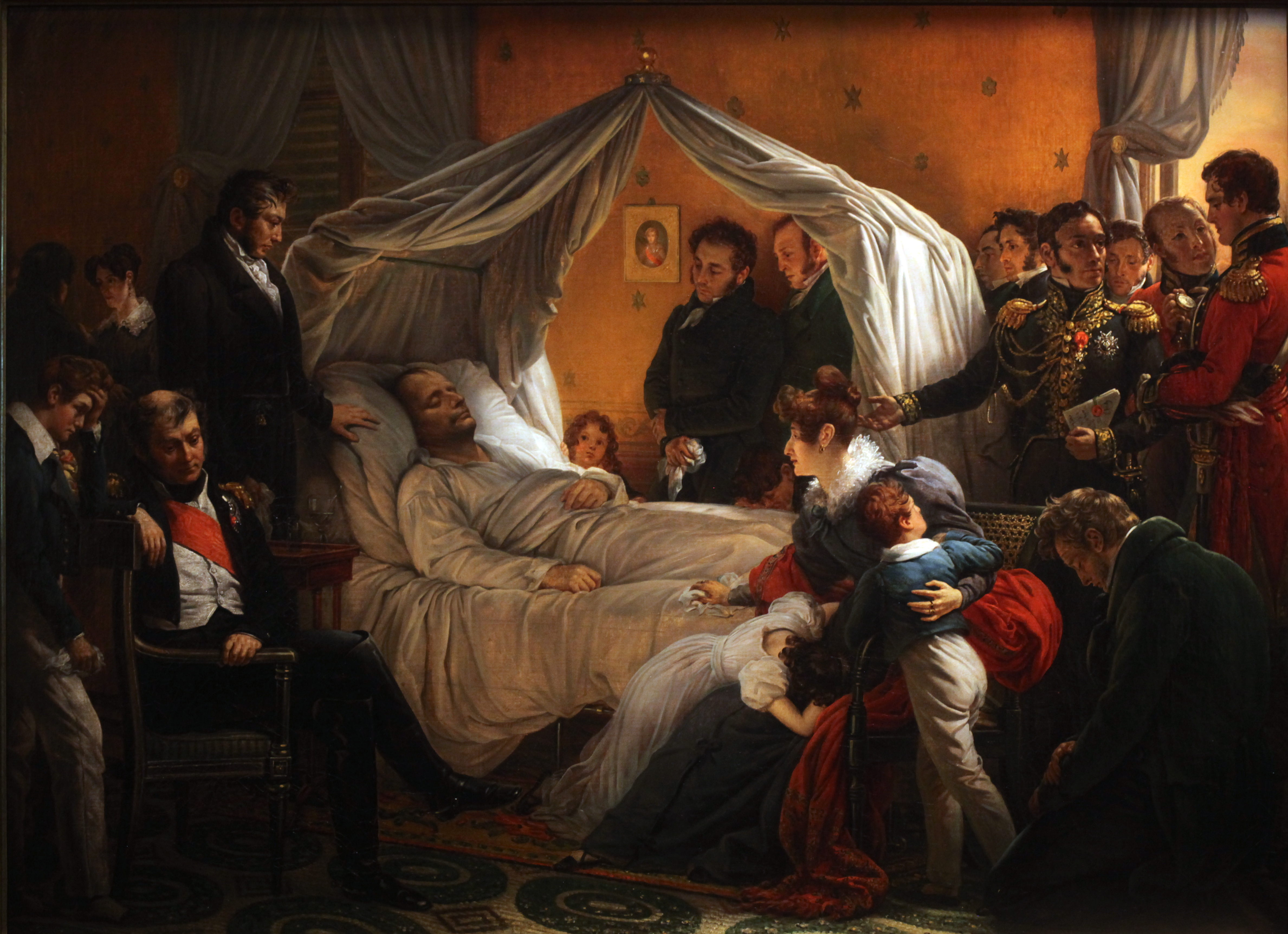
The linguistic precision in this book is on a whole different scale. The author often overplays the irony in a way of a spoof or a comedy in order to get the reader to encounter the themes in a more meaningful way. The interrogation of identity is never solved, the reader never gets closure and the author does not care about you.
Leys adopts a deceptively simple, almost fable-like narrative style, which contrasts sharply with the historical grandeur of Napoleon’s life, highlighting the absurdity of power and fame. The tone itself moves and sways between moments of irony and is often shadowed by a quiet tragedy. This plays with the reader's emotions and forces them to encounter their own personas and whether they are stable enough to withstand something as strange and maddening as this.
Conclusion
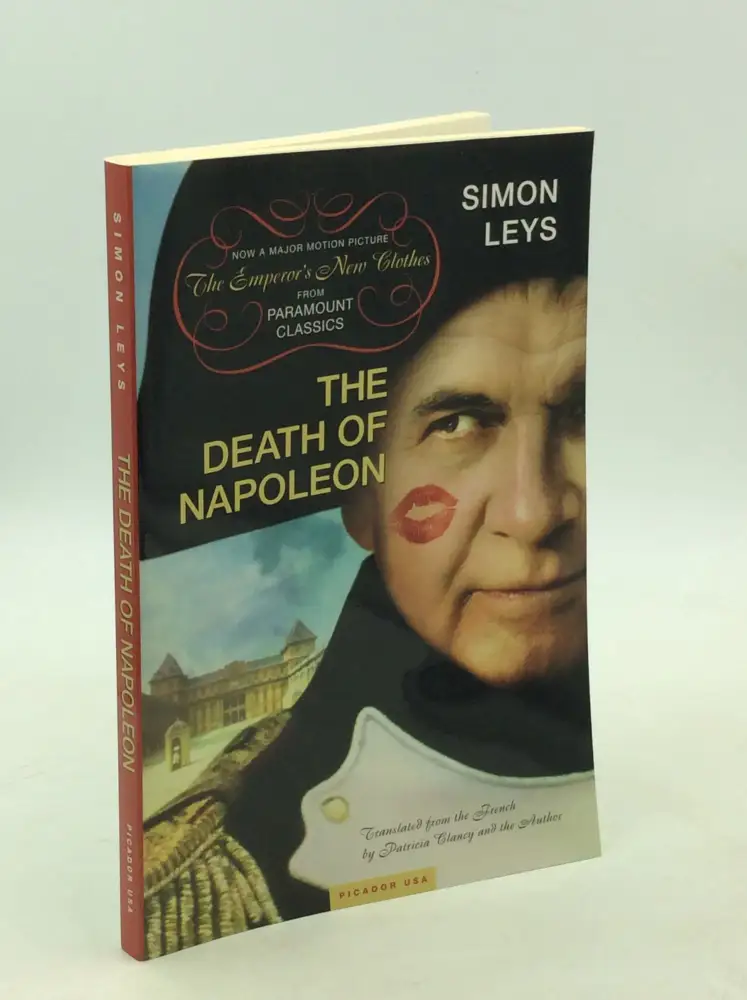
I read this book for the first time back in 2020 and I did state that my favourite scene took place upon the ship where the men stated that there was a crew mate that looked like Napoleon - (and in fact, he was Napoleon). It has, in this reading, stayed the same. Leys offers us insight into our own souls whilst also presenting us with a masterpiece written in one of the most difficult genres to publish in: black comedy. The lesson being is that your identity is fragile, your story is non-existent and your madness may be more real than you think it is.
Next Week: Therese Raquin by Emile Zola
Join in on my new writing challenge!
Winners announced on Halloween...
About the Creator
Annie Kapur
"Et in Arcadia Ego"
***
I am:
🙋🏽♀️ Annie
📚 Avid Reader
📝 Reviewer and Commentator
🎓 Post-Grad Millennial (M.A)
***
I have:
📖 300K+ reads on Vocal
🫶🏼 Love for reading & research
🦋/X @AnnieWithBooks
***
🏡 UK
Enjoyed the story? Support the Creator.
Subscribe for free to receive all their stories in your feed. You could also become a paid subscriber, letting them know you appreciate their work.
Comments
There are no comments for this story
Be the first to respond and start the conversation.