
Space Buns: The Erasure of Women's History and BIPOC Culture
What you probably didn't know about the iconic hairstyle.


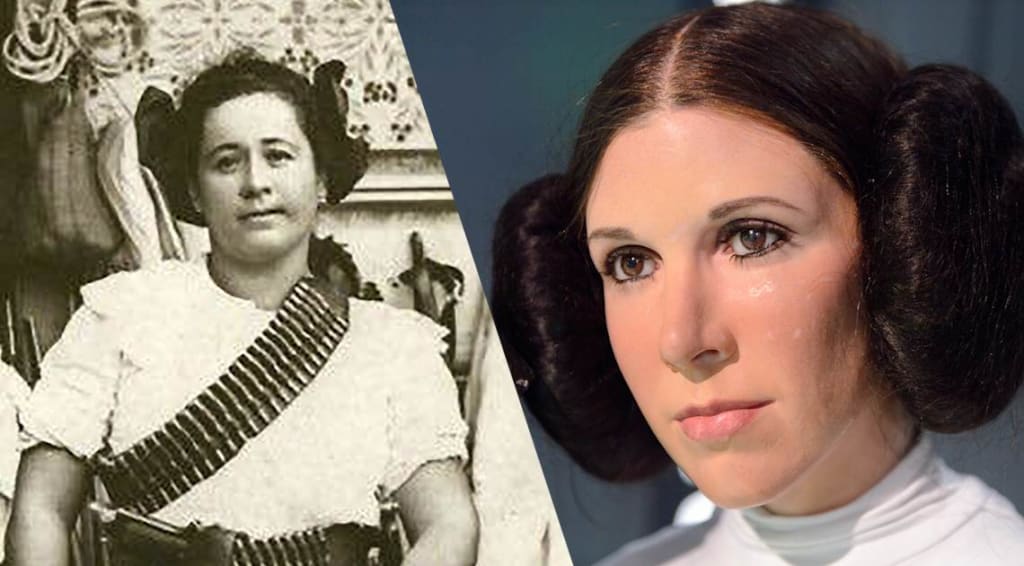
“I love when you put space buns in your hair! They are always so cute!”. I heard this quite a bit in high school. When my hair got long enough after shaving it, I sported the space buns look often. Even as I got older, I still put the two buns on the side of my head, even adding strands of hair on the sides to give me a Katara of the Southern Watertribe esque look. The last time I wore these buns was just as recent as a few months ago, and I got the same Space buns compliment from a coworker. But I didn’t know why they were called that, space buns, and I didn’t really care to know.
On a surface level, I knew that it was derived from the fashionable and cooky buns that Princess Leia of the Star Wars franchise would sport. Carrie Fisher’s iconic look was burned into our pop culture, with costumes upon costumes being sported by celebrities, and fans alike for decades. It became so popular that people wear them aside from it being a Star Wars reference, like I do. After all, they look so cool.
I had never gone into the deeper meaning of space buns, because I didn’t think that there was anything to it. I just knew I loved the style, and that it was a “star wars thing”. But it wasn’t until I was doing research for my final design project last semester that I found out where space buns really originated.
I based my Fashion Design project on soldiers and Soledaderas of the Mexican Revolution. “La Fuerza de la Solidaridad” I called my collection, which translates to “The Force of Solidarity”. I went to work researching what the men had worn in combat, and what the women looked like whilst supporting the men in combat. That’s when I found an article, with a black and white picture of a woman standing next to a man wearing an eyepatch, sporting long buns on both sides of her head. Space buns? On a woman from pre Mexican revolutions times?
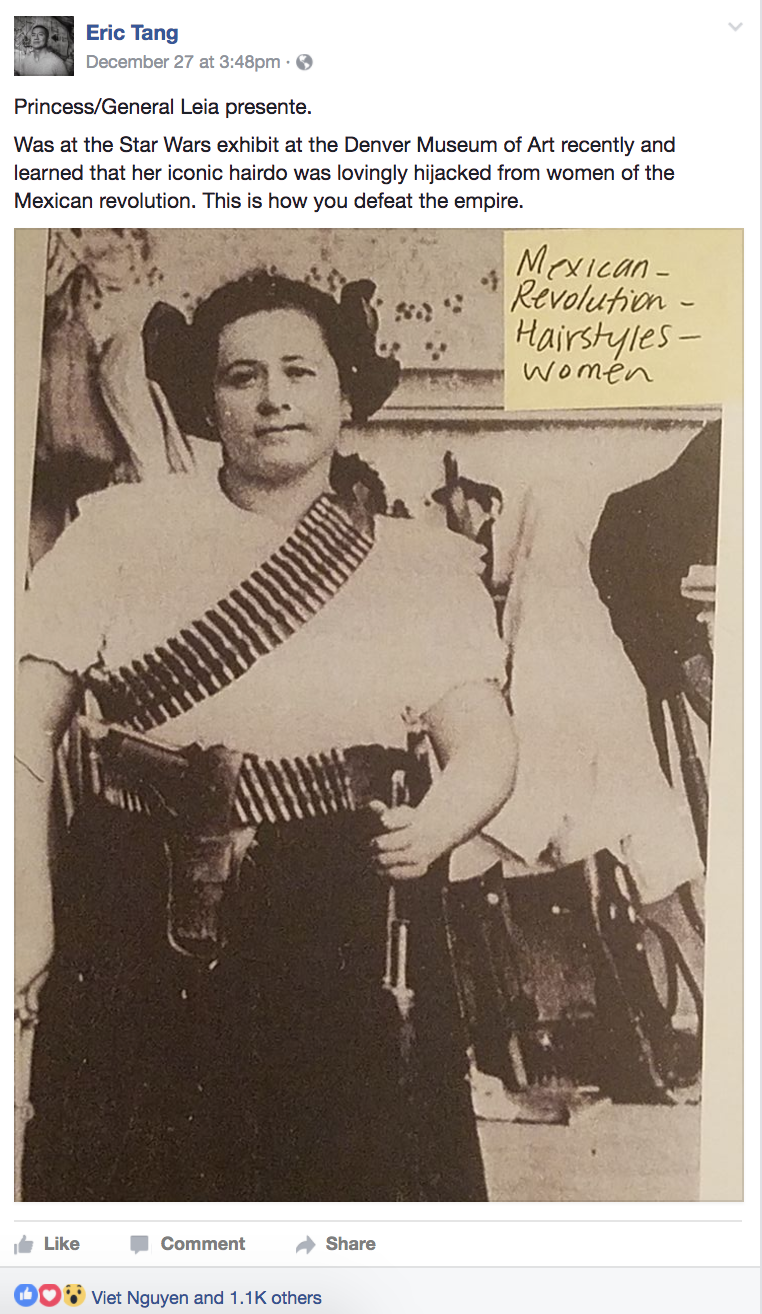
George Lucas has said in interviews that the pictures such as this had been the inspiration behind the hairstyle we all know today. The picture above is of a woman named Clara de la Rocha, and the man standing next to her is her father, General Herculano de la Rocha. Something I learned back during my research is that not only was this a picture featuring a woman during La Revolucion, but a woman who led battle during La Revolucion. In fact, this woman is said to have crossed an entire river to take out the power of the opposing side, so that the Mexican rebels could spring a sneak attack on the opposition. She was the key to ultimately winning that specific battle.
So how many other women fought in this war? I went to look, and found pictures of various women, in skirts and gun holsters with bullets wrapped around them like necklaces. Women were pivotal to the fight of this war. And yes women were actually fighting battles. Some women were even so important, that they dressed as men and maintained male identities, in order to lead battles, and to be credited for them (Petra/ Pedro Herera, Angela/Angel Himenez, Amelio Robles Avila). I had heard of women led efforts during war, and even women soldiers of African origins, but I had never heard of women actually being equal with respect to battle. It was amazing to read about, but no one really knew this. The day I presented my project, everyone I told was shocked at my finding about Space Buns. And my whole thing is, no one should be shocked.
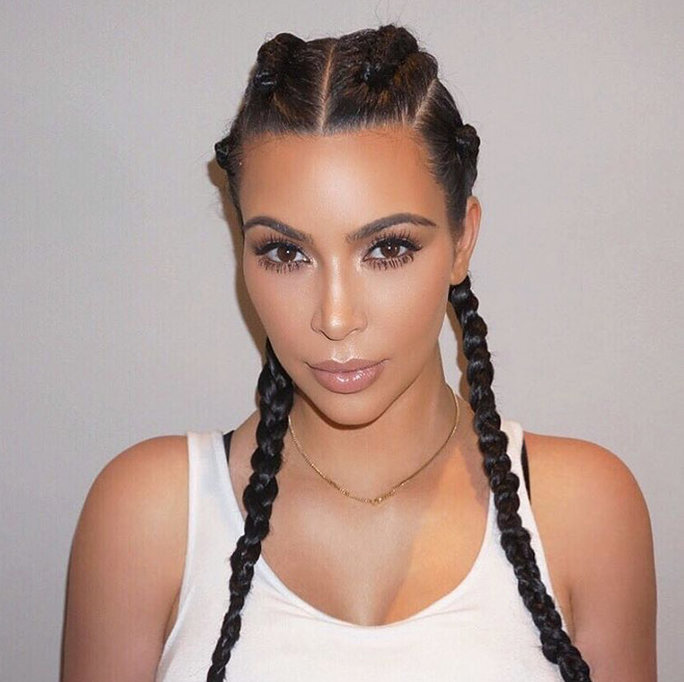
Our modern culture has a way of taking the influence of ethnic culture, and women’s importance, and doing away with it as if the backbone of our entire culture is not dependent on those things. I remember back when “boxer braids” became “popular” when white women such as Kim Kardashian found out that she could dig her hands even more into black culture, as if she hadn’t colonized it enough. All of a sudden, all over the internet, white girls sported their “boxer braids”, some even going as far as to go get them professionally done (by black women), adding hair, and making their whole hairdo a pink, fleshy, pulling at the scalp, mess. And to add to it, Kim Kardashian, that trifling woman, has gone to events in braids even after getting flamed for appropriating black culture. It wasn’t enough having these girls looking pretty goofy, she had to go and get different styles of braids that didn’t even look cute on her.
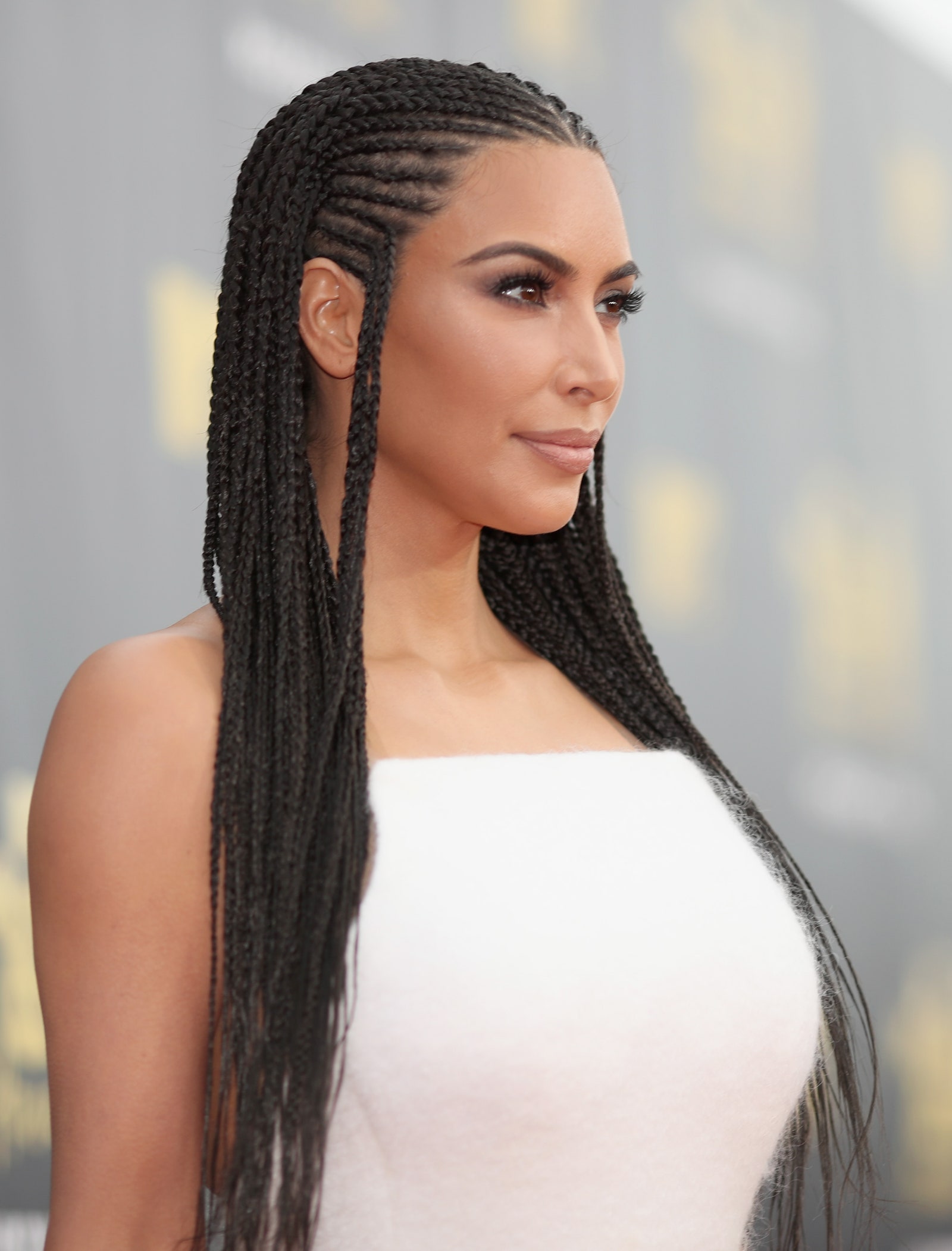
Box braids, cornrows, and other styles of braiding carry so much culture, history, and even literal weight. It’s one of the things about our history that even slavery couldn’t do away with. Stories of slaves braiding messages and grains of rice into the hair of their peers to be free, are known by most, even if only faintly. And even before then, braids were used as a way to show high status in many African cultures across the continent.
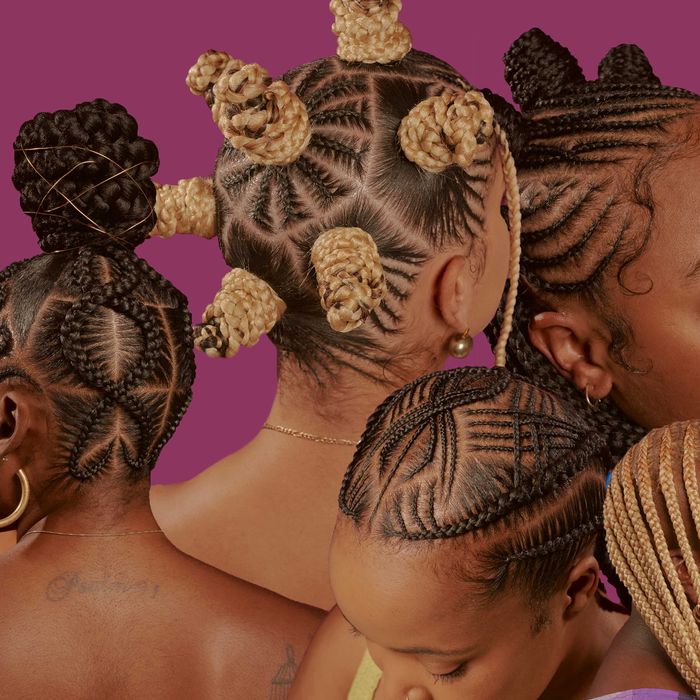
Black women are in more recent decades finally getting comfortable with rocking their braids in professional places, and in general, because we can finally be proud of them. Society told black women that their hair in any form other than straight was a disgrace; not professional, not pretty, and any other negative straight up lie they could come up with. It is even still legal to discriminate based on hair in a handful of states in this country. That’s not stopping black women, but it’s also not stopping the media.
Media for the last century has not failed to sexualize, and often make fun of parts of ethnic and feminine culture, making it unimportant to the people consuming such content. It has been said that until recently, the reputation of the Soldadera had been reduced to the name of prostitutes in rebel camps during the war. And even in American film depictions, the Female Mexican soldier is depicted as a soldier, but an easy one, or just a flat out prostitute (The Professionals 1966 and Old Gringo 1989).
And as it pertains to black women and their hair, it has been ridiculed, made fun of, and disrespected for decades. It is usually done by black people, mostly black men, to garner laughs or shock from other communities. In the movie Hair Show, actress Keiko Agena sports cornrows in a scene, and gets into a back and forth with another actress Taraji P. Henson about how she wouldn’t wear them if she wasn’t dating a black man.
Now this scene is funny in theory to a black audience, but now watching that scene I can’t help but cringe. It’s decisions like this, putting an Asian woman in braids for laughs, that open the door to taking away the importance of history. I think certain lines shouldn’t be crossed, and once they are, it’s open season for disrespecting black history. And just as Keiko in that film, Miss Kim K dates a few black men, and decided she was going to rename braids that have been around for an amount of years bigger than her net worth before her first divorce.
Going back to Space Buns, people would only know the origin if they are die hard fans going to the Lucas Museum of Narrative Art, or are people into costume design. While it’s fun to be people in these categories, gaining insight to such an iconic look, this information should be something we all know. Society has had such a bad habit of diminishing, or watering down such important history, whether it’s our history, or that of another country and culture. But something so iconic should have an explanation to go right along with it, especially if the credit is due to women of color. Just as we know the origin of certain types of braids, and how it is explicitly part of black culture, we should know of the history and culture of the powerful women who inspired one of the most recognizable hairstyles to date.
About the Creator
Honor Honziali
I am a New York designer, in Fashion Design school, who has always had a knack for writing. I stopped writing for years, but remembered how much I love it after taking a summer course. Hoping to share creativity and grow as a writer!
Enjoyed the story? Support the Creator.
Subscribe for free to receive all their stories in your feed.
Comments
There are no comments for this story
Be the first to respond and start the conversation.