
Ravelstein by Saul Bellow
Why It's a Masterpiece (Week 22)

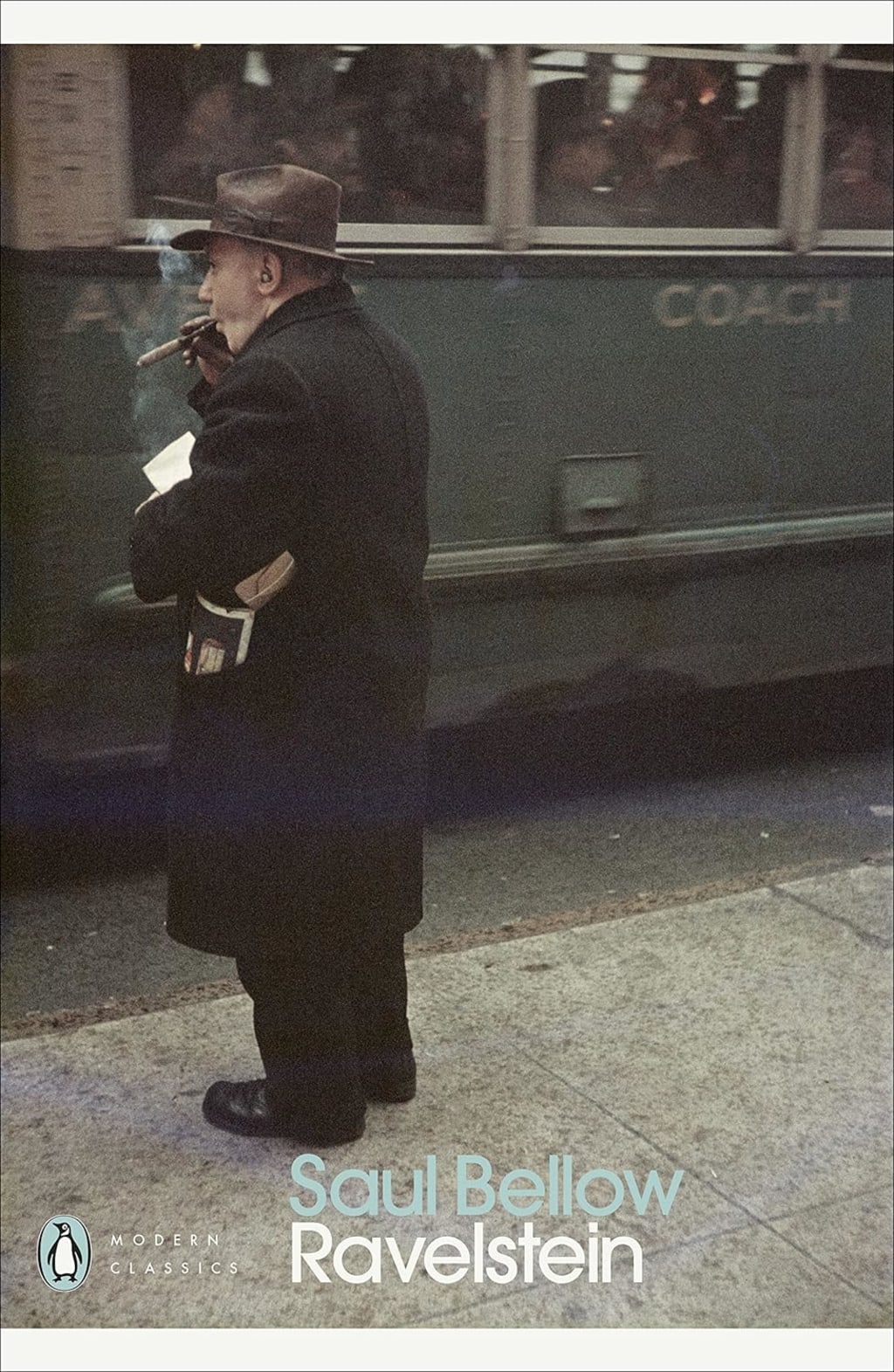
Ravelstein is probably one of the most underrated books written by Saul Bellow and yet, is probably my personal favourite by the author. Published when Bellow was in his 80s, in the 2000 - this book is a testament to how Bellow can create such a realistic world in a matter of moments. Probably one of his shortest books, it is a deep, philosophical novel with all of Saul Bellow's classic tropes in flashback, ideas of social commentary and understanding of how the world works.
Plot
The novel centres around a narrator and his friend, Abe Ravelstein. The narrator is a writer and his friend is kind of this weird, extravagant academic filled with character and flamboyance. Ravelstein has gained his fame through his conservative political philosophies being written into a best-selling book.
With this newfound wealth, Ravelstein indulges in a whole new lifestyle. He buys a whole lot of designer clothes, he throws and goes to extravagant parties, he indulges in every single way possible and it really does get to him. As we see him disappear into a new lavish life, there are many questions that need to be asked about whether this taste of fame has made it all the way to his head. Of course it has, and how...
The narrator is asked by Ravelstein to write his biography since he is such a big deal now. It should contain all of his big ideas to be preserved. This is not just a case of ego but it is also because of the fact that Ravelstein is sick with AIDS. As the health of the main character deteriorates, we get less of an extravagant Ravelstein and more of an introspective one, the novel gains more traction in the intellect of Ravelstein as well.
But we also have the narrator who's marriages have failed and life is on the brink of collapse as he is also worried for his friend. This is one of the many layers to his character that we get to see as we move through the bad health of Ravelstein. Eventually though, Ravelstein dies after succumbing to his illness and the narrator reflects on their friendship. When the narrator completes the biography, he finally grapples with those meanings of life and death that he had been observing throughout the novel.
Into the Book
There are many great themes in this novel to explore and I think among the most important is the idea of morality and legacy and what it really means to leave a legacy. Saul Bellow allows us to explore a man's legacy through the eyes and feelings of someone else, we are on the outside looking in rather than seeing everything in an omniscient third person. It really reveals that deeper connection one person has to another person's legacy, especially if they are friends.
There is a deep confrontation with death coming with the death of Ravelstein that investigates what kind of legacy he is leaving. It shapes the majority of the novel in which morality is explored in different ways from the indulgences of Ravelstein to the narrator's failed marriages. Each of these moments differ in the way they dictate history and legacy and how that is left in the eye's of different people.
Ravelstein is mainly concerned with how he will be viewed after his death and this becomes more and more important as the end gets nearer and nearer. Since Ravelstein knows that his end is coming, he becomes increasingly introspective and concentrated upon his intellectual output as opposed to his extravagant lifestyle as he knows that the latter could have a negative impact on his legacy.
“Associate with the noblest people you can find; read the best books; live with the mighty; but learn to be happy alone.”
- Ravelstein by Saul Bellow
Another big theme in the book is friendship, possibly even more important than the ideas of morality and legacy. True legacy is kept with those who truly know you and for those who truly knew Ravelstein, there is one thing that they are sure of: he was a mixed-bag kind of character. Be that as it may, the narrator is still his friend. Their relationship is central to the narrative, showing how true friendship endures through trials and changes. Especially the changes of Ravelstein's health.
Despite their different personalities and life choices, Ravelstein and the narrator maintain a strong bond. Throughout the book, we get deeper into both of them and this helps the reader understand their deep and intimate bond. Mutual respect and understanding play a huge role in their friendship, especially through their different lives and personalities.
“But I wasn’t inclined to go out of my way to defer to so many critics. I had a good grasp of reality and of my defects. I permanently kept in mind the approach of Death, who might at any time loom up before you.”
- Ravelstein by Saul Bellow
One of the lesser known themes is intellectualism. The characters engage in rich philosophical discussions, reflecting on politics, culture, and human nature. There's references to Greek and Roman Mythology and how it can teach us about relationships and life, there are meditations on the philosophical and how it deals with existence. The intellectualism in the novel is not only seen through the characters but through the reader's want to involve themselves in the discussions going on at the intellectual table.
Ravelstein’s views provide a critique of contemporary Western culture and politics. His conservative philosophy challenges prevailing liberal ideas, sparking thought-provoking debates. More than often, you may find yourself finding some of his views a little bit shocking and you might not agree with them all. But this shifts your views of morality on him, relating to how his legacy is understood by his friends and acquaintances.
The novel analyses the role of intellectualism in society and that though it is based on intelligence, these people are no more human than anyone else. Low morale, indulgence, failure, sickness and death can all get in the way of these things and should be understood as not being selective about how they choose who to impact next. Death impacts everyone equally as everyone must experience it.
“He was here to give aid, to clarify and move, and to make certain if he could that the greatness of humankind would not entirely evaporate in bourgeois well-being, et cetera. There was nothing of the average in Ravelstein’s life. He did not accept dullness and boredom. Nor was depression tolerated.”
- Ravelstein by Saul Bellow
Why It's a Masterpiece
Saul Bellow's last novel is one of his most underrated masterpieces in which characterisation, philosophical depth and experience of writing make for why it is considered a masterpiece.
Based on Saul Bellow's real life friend Allan Bloom, Ravelstein is created using traits that make the audience consider him as a larger-than-life figure with an intricately drawn personality whilst also maintaining believable interactions between him and the narrator.
Also, through Ravelstein’s conservative views, Bellow critiques contemporary society, encouraging readers to reflect on the cultural and political shifts of the time. This makes the novel not only a personal story but also a commentary on broader societal issues.
Martin Amis talks about it in his memoir, stating that:
"Ravelstein is a full-length novel. It is also, in my view, a masterpiece with no analogues. The world has never heard this prose before: prose of such tremulous and crystallized beauty. ... [Ravelstein is] numinous. It constitutes an act of resuscitation, and in its pages Bloom lives."
With the literary critic Sir Malcolm Bradbury singing it praises in The Guardian Newspaper:
"Just when we didn't expect it, there now wonderfully comes a large new novel from the master. ... Our world is a world of ideas, pervaded by minds, thoughts, notions, beyond which lies what we seek with such difficulty: wholeness, silence and love. Via print, Ravelstein survives; and Bellow survives. So does fiction itself."
But my personal favourite is what William Leith said about it in The Independent Newspaper:
"As you would expect, Ravelstein, as a character, is beautifully drawn. He is 'impatient with hygiene'. He smokes constantly. 'When he coughed you heard the sump at the bottom of a mine shaft echoing.' His 'biological patchiness was a given'. Those who invite him to dinner must reckon with 'the spilling, splashing, crumbling, the nastiness of his napkin after he had used it, the pieces of cooked meat scattered under the table'. Like many Bellow characters, he has developed a mean streak. 'Nothing,' he declares, 'is more bourgeois than the fear of death.' ... This is the late late message from Bellow: death is humiliating. But there might be consolations. I almost forgot to say that Ravelstein is a brilliant novel..."
As we can see, it is a highly respected novel by some of the key critical literary personalities of the time. Why is it a masterpiece therefore? Well, because it deals directly with matters of the soul.
Conclusion
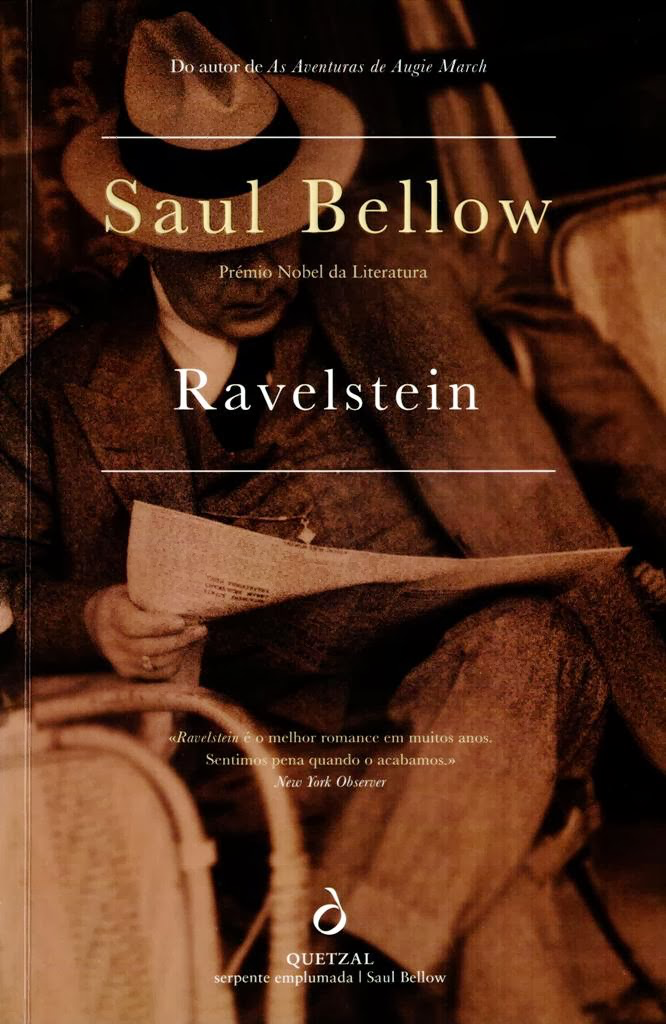
I feel glad that maybe because of this article, someone somewhere has decided to give Ravelstein a go. It is a wonderful novel and, like many of Saul Bellow's works, is very accessible. It isn't difficult to read, but instead is witty, intelligent and often feels mentally chaotic. It is one of the few Saul Bellow books I actually enjoy. To me, this is probably his best novel.
About the Creator
Annie Kapur
"Et in Arcadia Ego"
***
I am:
🙋🏽♀️ Annie
📚 Avid Reader
📝 Reviewer and Commentator
🎓 Post-Grad Millennial (M.A)
***
I have:
📖 300K+ reads on Vocal
🦋/X @AnnieWithBooks
📸 ThePrancingPonyBakery
🔗 PrancingPonyBakery.com
***
🏡 UK
Enjoyed the story? Support the Creator.
Subscribe for free to receive all their stories in your feed. You could also become a paid subscriber, letting them know you appreciate their work.
Comments
There are no comments for this story
Be the first to respond and start the conversation.