
Jane Eyre by Charlotte Bronte
Why It's a Masterpiece (Week 135)

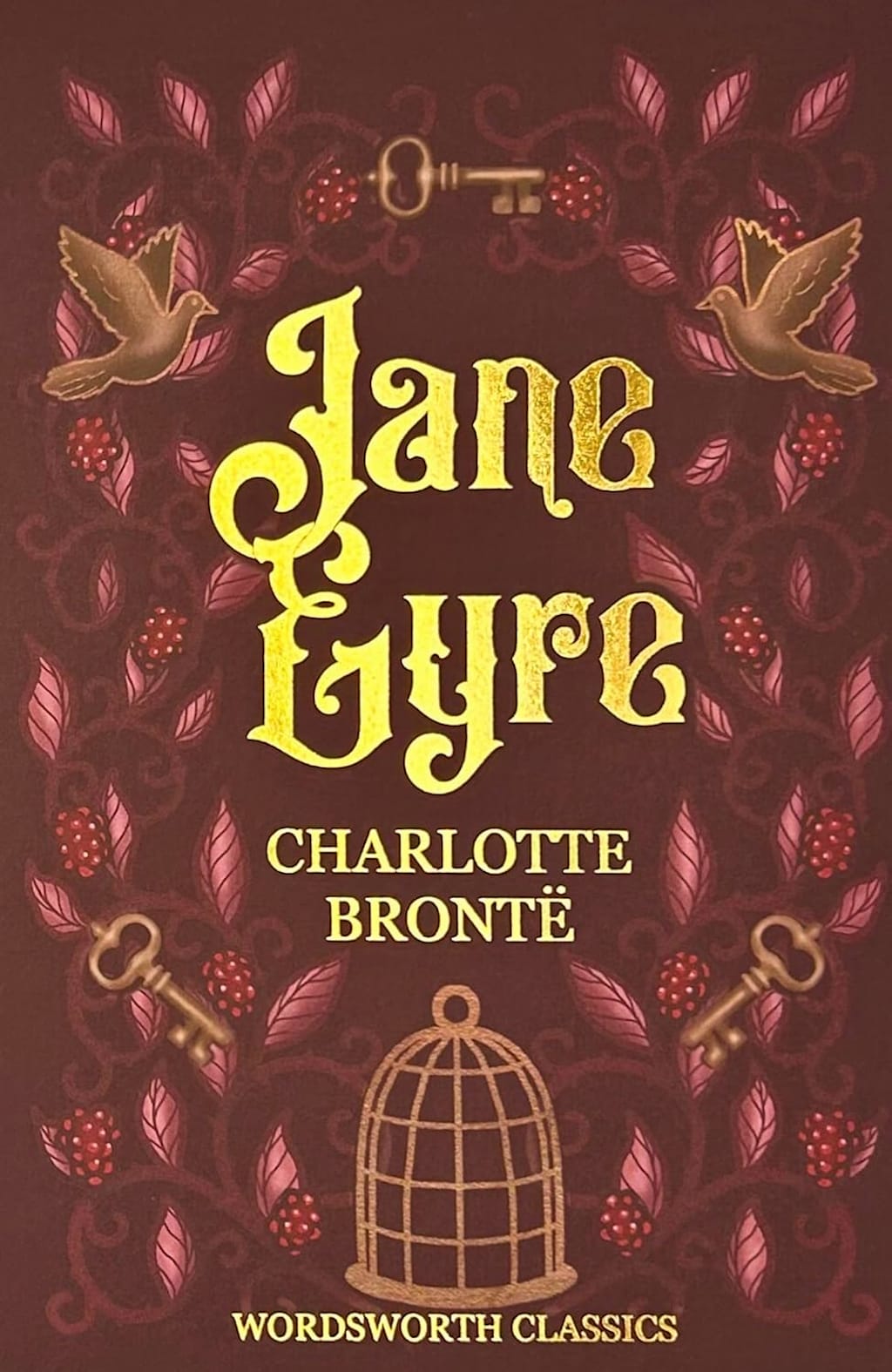
Background and Context:
I first read this book a very long time ago and from the first read, I was enthralled. Not from the romance, not from the gothic nature of the story, but because of the brilliant voice of Charlotte Bronte which seems to come alive with symbolism, wonder and emotion when telling such a story. Jane Eyre is a book which has served me well, over and over again throughout my schooling, through my degrees and throughout problems in my life. It is a book of a multitude of feelings - each of which are explored in extreme and meticulous detail. The reason for including this book therefore, is very personal - you can be sure of that.
Jane Eyre by Charlotte Bronte
I have written extensively about Jane Eyre in the past and so, my most in-depth analytical essay about the novel I started with the context of what was happening during the time in which this masterpiece was published. This is what I penned back then...
In 1852, the Literature Critic, George Henry Lewis, is sitting in his office and held spellbound by a work of semi-fiction by a man called Mr. C. Bell. He writes a lengthy piece of an article about it in The Quarterly Review and calls the book a "reality...a deep and significant reality." But who knew that this book was not actually written by Mr. C. Bell at all...?
When a young girl begins writing a book in a Manchester Inn; it is the rise of 1840s. The revolution has recently ended in France, the Paris Uprising has died and war is coming to a close all over Europe. People and places are growing into urban cities and separating themselves from the previous, more idyllic landscapes. Lamentations and progressive articles rise from this as the industrial revolution is about to begin; the steam train is invented and Thomas Edison was probably just finishing school and having his own light-bulb of an idea. Mary Shelley has just revised Frankenstein, Lord Byron and John Keats have recently died and we are witnessing the death of Romanticism altogether. It is the birth of the gothic novel and the domestic gothic era.
In 1847, on the October 16; after about six years of toiling over the text, the book the young girl writes, sets to become one of the best-selling domestic gothic novels of all time. Her name is Charlotte Bronte and the books name is Jane Eyre. It was originally titled: Jane Eyre: An Autobiography. The piece is dedicated to William Makepeace Thackeray, a man who urged Charlotte to publish and probably the only person who knew the book was written by a woman besides Charlotte and her family. He also authored Vanity Fair, a novel regarding young and intelligent women who publish books and magazines.
The Quarterly Review of 1903 even packed Jane Eyre alongside Vanity Fair in the quality of literature, speaking of its raw nature in the "coarseness of language" and its "laxity of morals", a work of truth and inspiration. Whereas, when it was found out that she was a woman; The Economist of the same year, denounced the book as 'odious' and wrong, as a woman should not write such things; they had the same views on Shelley's Frankenstein, initially published anonymously.
Me...a long while ago
I think you probably enjoyed that revisit as much as I did. So instead of a deep, analytical and academic piece of writing, let's explore this in a way that everyone may understand. I will attach the more academic essays so that, if you'd like, you may read them in your own time. I mean, they were written almost seven years' ago but man, did I enjoy writing them...
Jane Eyre by Charlotte Bronte, Part 2
Jane Eyre by Charlotte Bronte, Part 3
Let's move on then...
Plot
Jane is an orphan child growing up in her aunt's house. Her uncle is also dead and so, having no actual blood relation to her aunt proves difficult as she is not treated like the other children. Jane is scolded more often and is not included - she also is at the receiving end of some pretty dire treatment at the hands of not just her aunt but the other children of the house. John Reed, her cousin, throws a book at her head and yet, it is Jane who is punished by being locked in the dreaded 'Red Room'. After a string of complaints from her aunt, she is sent to the aptly named Lowood School from Gateshead.
At Lowood, she meets the brilliant Helen Burns who is possibly one of the most incredible characters of 19th century literature. Strong and independent, she teaches Jane how to channel her anger into strength and, instead of getting upset, just carrying on. With the help of a Ms. Honey type teacher by the name of Ms Temple, Jane learns more than she could ever hope to at Lowood about growing into the person we will recognise later on in the book.
When Jane gets to Thornfield Hall to work as a governess to a young girl named Adele, she meets the man of the house - a brooding and dark Edward Rochester. She is also subjected to gothic happenings as she often hears laughing from the attic and encounters a woman by the name of Grace Poole on more than one occasion. With the legend of Bertha Mason enduring as Edward Rochester, wanting to marry Jane, must admit he is already married - the parlour games played with Jane in the company of the snobby Blanche Ingram are also enough to make her run and hide. When Thornfield almost goes up in flames, a broken wedding is the last straw and Jane ends her time at the great and terrifying mansion.
She lives out of the sight of Thornfield with her distant cousin, St John Rivers. But when he makes untoward marriage advances on to her, she rejects them. When she returns to Thornfield, it is on fire and Bertha Mason is gone. Rochester, blind and disabled is a pitiful sight but Jane returns to him.
They marry. Proof that from great and terrifying consequence can come the ending one was hoping for after all.
Into the Book
Autonomy and Integrity:
A huge theme of Jane Eyre is the heroine’s fierce commitment to her personal integrity and autonomy. From childhood, Jane insists on being treated with dignity, refusing to accept subjugation even from those who hold power over her. Her famous declaration, “I am no bird; and no net ensnares me,” captures her belief that love must never come at the cost of freedom. The metaphor of the bird reflects Victorian expectations that women should remain caged within social and domestic roles; Jane rejects this, asserting her right to choose her own path.
Her decision to leave Rochester upon discovering his existing marriage demonstrates this self-respect in action. Jane loves Rochester deeply, but she refuses to become his mistress or compromise her moral principles. When she says, “I will hold to the principles received by me when I was sane,” she frames morality not as external obedience but as an inner compass. Even later, when she returns to Rochester, it is on her own terms, financially secure, emotionally mature, and morally upright. Brontë uses Jane’s journey to critique a society that expected women to prioritise obedience over individuality.
“Do you think I am an automaton?”
- Jane Eyre by Charlotte Bronte
Social Class and Inequalities:
The book exposes the rigid class hierarchy of Victorian England and critiques how it limits personal freedom and moral worth. Jane’s ambiguous social position as a poor but educated orphan, shows the arbitrary nature of class distinctions.
When she first arrives at Thornfield, she is both a servant and a gentlewoman, leading to Rochester’s curiosity and Mrs. Fairfax’s uncertainty about how to categorise her. Jane challenges societal expectations by asserting her right to emotional equality in love: “Do you think, because I am poor, obscure, plain, and little, I am soulless and heartless?” Here, she dismantles the belief that class determines emotional or spiritual value. The parallel between Jane and Bertha Mason also exposes inequalities within colonial and class structures, suggesting that deprivation and oppression (not inherent madness) shape behaviour.
St. John Rivers' offer of marriage further illustrates class-based expectations; he sees Jane as a useful partner for missionary work rather than as an equal, demonstrating how class and duty can override personal agency. Ultimately, Jane’s inheritance allows her to re-enter relationships as an economic equal, symbolically freeing her from the constraints of class prejudice.
“I am my husband’s life as fully as he is mine.”
- Jane Eyre by Charlotte Bronte
Religion:
Religion in Jane Eyre is depicted in contrasting forms, each shaping Jane’s moral development. Brontë distinguishes between oppressive, hypocritical religion and compassionate, principled faith. Mr. Brocklehurst embodies the former; he uses religious doctrine to justify cruelty and humiliation, demonstrating how faith can be weaponised to reinforce power.
In contrast, Helen Burns represents Christian forgiveness and spiritual resilience. Her belief that “life appears to me too short to be spent in nursing animosity” influences Jane profoundly, showing her that morality can be rooted in compassion rather than punishment. Later, St. John Rivers introduces another model of faith, self-denial taken to an extreme. His ultimatum that Jane marry him “because God and nature intended you for a missionary’s wife” reveals his rigid interpretation of duty. Jane rejects this form of religion, recognising that moral action must align with the self rather than suppress it.
Throughout the novel, Jane learns to balance spiritual principle with emotional truth, eventually aligning herself with a quiet, introspective faith that supports, not restricts, her sense of identity and justice.
“I could not, in those days, see God for His creature.”
- Jane Eyre by Charlotte Bronte
Why It's a Masterpiece
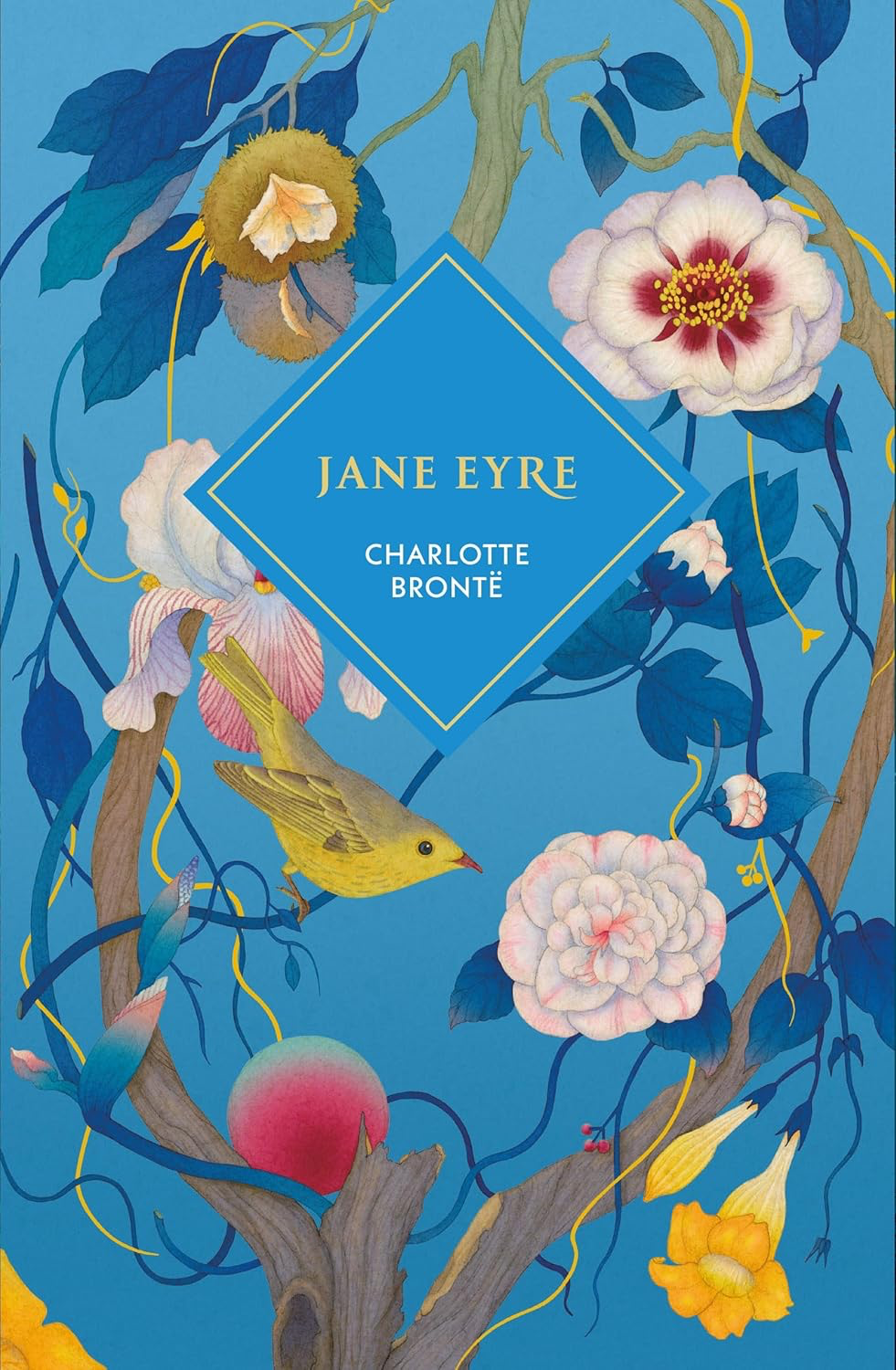
Jane Eyre is a masterpiece not only because it was written by a woman at a time when women writers were not respected, but also because it has come to define what the domestic gothic actually is. Set in these various manors and mansions in which our character develops and encounters supernatural forces that challenge her faith, she sees it through with a strong resilience that has inspired women over the years.
I have particularly loved this book because of the way it has endured through many women writers coming to the forefront. Even though this is the case and women writers are rightfully in the best of literature nowadays, Jane Eyre remains as a testament to the fight. It is testament to the proof that women's writing is important, brilliant and everlasting.
Conclusion
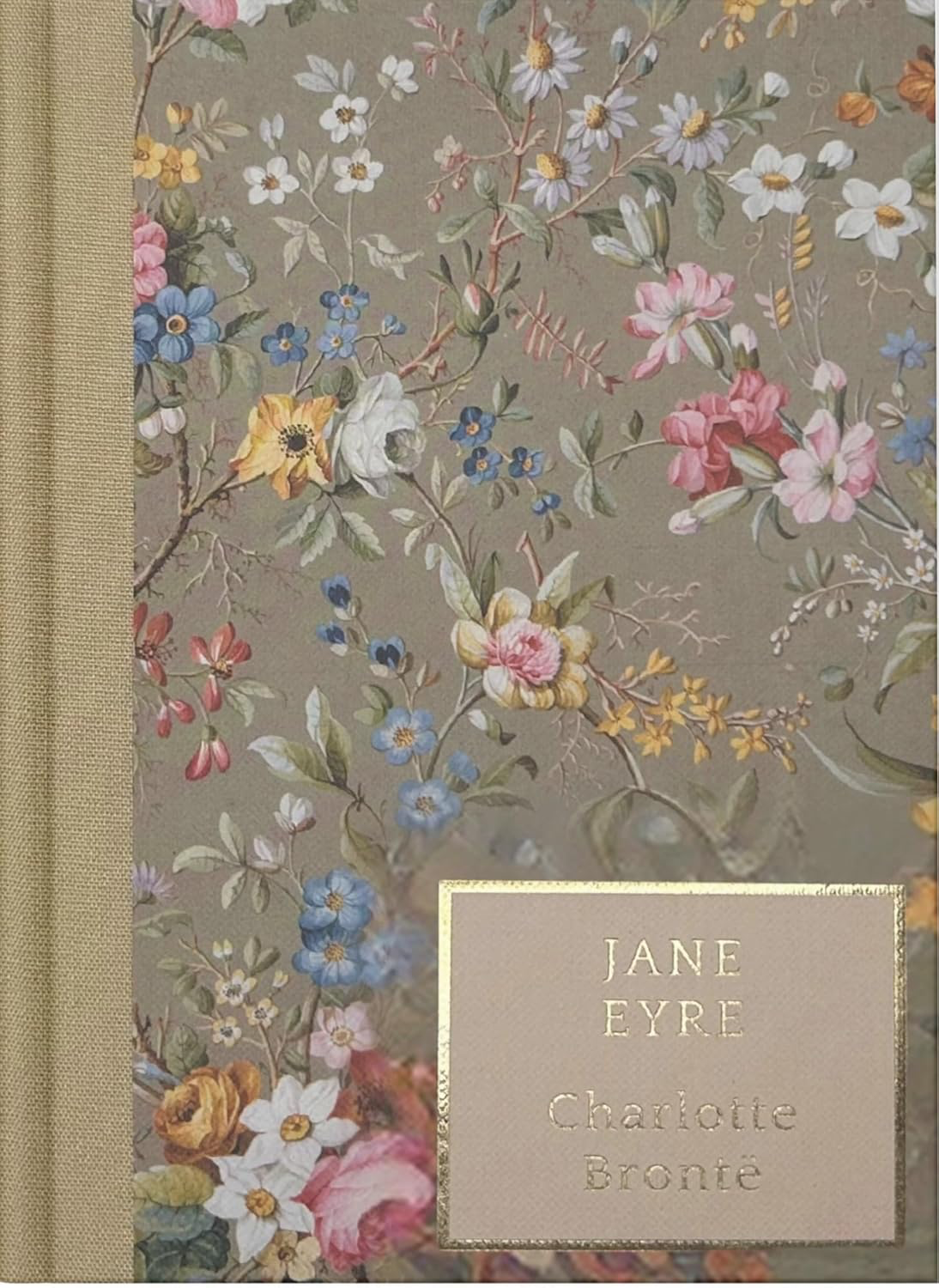
I hope you've enjoyed this long appreciation of Jane Eyre and though I tried not to give you everything in the 'plot' section (because I want you to read it if you haven't) it seems to be a wise idea to keep this to around 2000 words. Jane Eyre is one of those near-perfect books which gives us all a tough mirror in which to stop, stare and eventually, analyse ourselves. We analyse ourselves with the teaching of Helen Burns, and later of Jane: exactly how are we being resilient every single day? How is our quiet stoicism presenting our strengh, our power, our presence, more than reaction and virtriol? How has Jane Eyre shaped our lives?
Next Week: Don’t Look Now by Daphne Du Maurier
About the Creator
Annie Kapur
"Et in Arcadia Ego"
***
I am:
🙋🏽♀️ Annie
📚 Avid Reader
📝 Reviewer and Commentator
🎓 Post-Grad Millennial (M.A)
***
I have:
📖 300K+ reads on Vocal
🫶🏼 Love for reading & research
🦋/X @AnnieWithBooks
***
🏡 UK
Enjoyed the story? Support the Creator.
Subscribe for free to receive all their stories in your feed. You could also become a paid subscriber, letting them know you appreciate their work.
Comments
There are no comments for this story
Be the first to respond and start the conversation.