
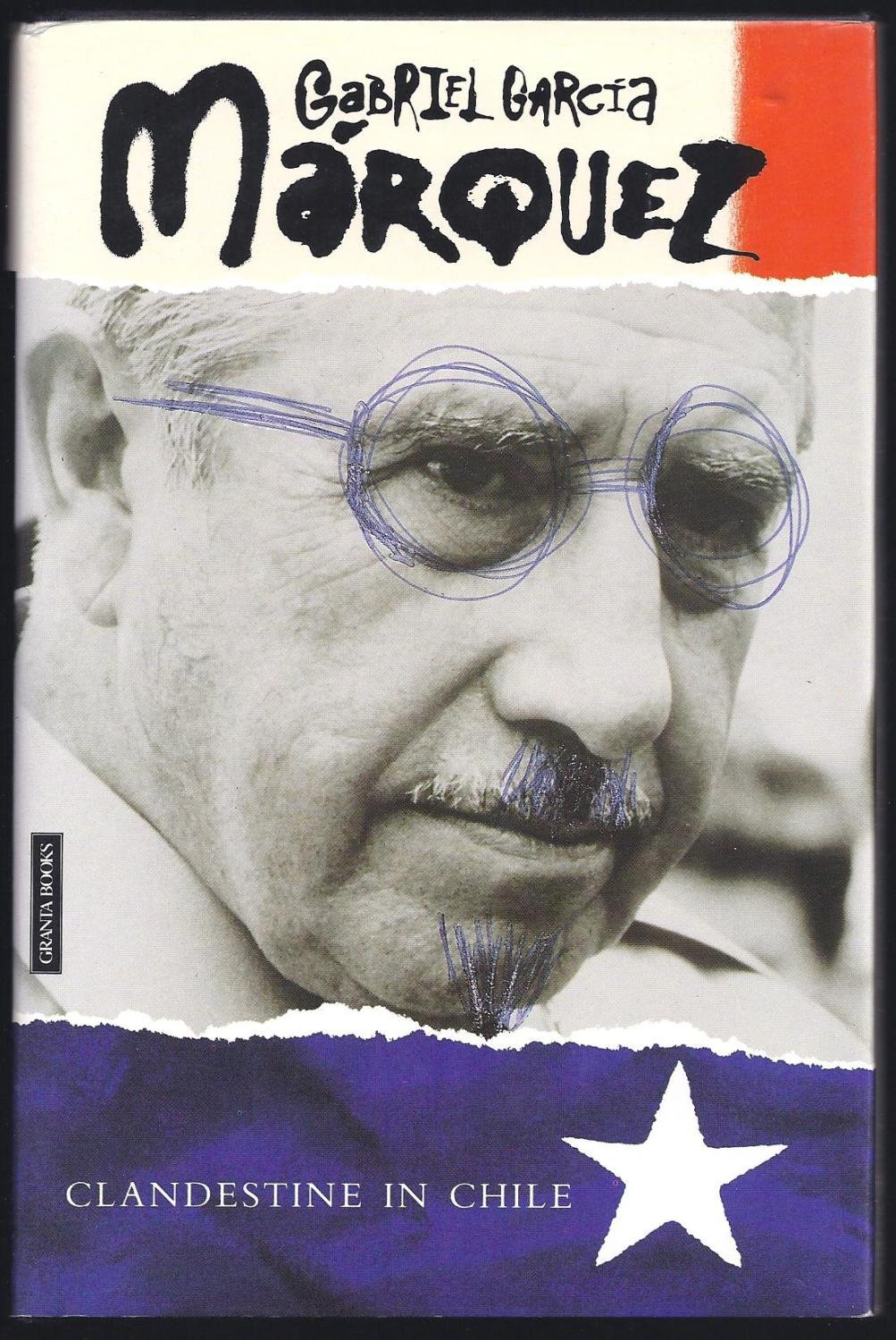
Clandestine in Chile by Gabriel Garcia Marquez
Why It's a Masterpiece (Week 138)

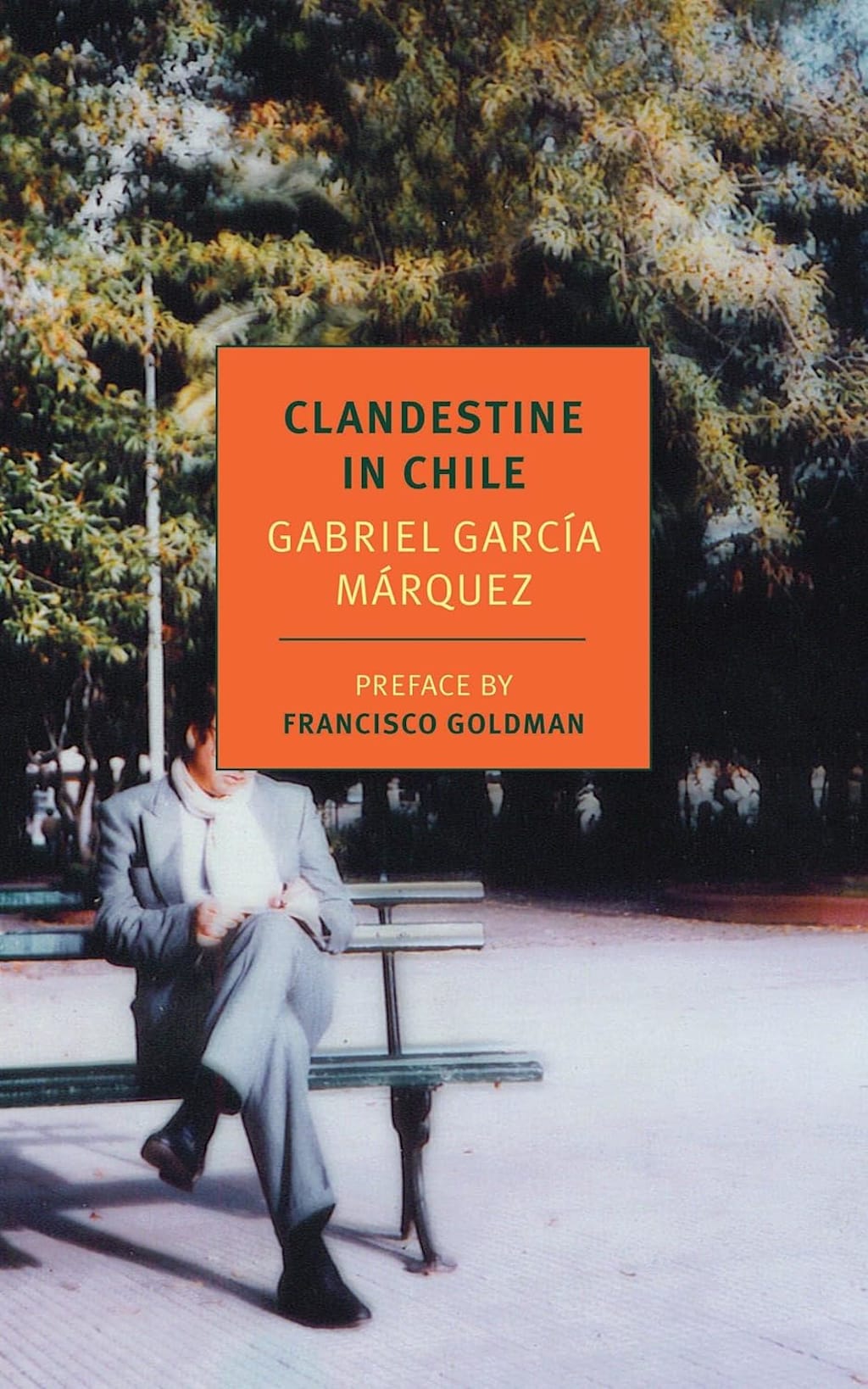
Published in 1986, this book is a nonfiction achievement by the legendary Gabriel Garcia Marquez. It recounts Chilean filmmaker Miguel Littín’s secret return to Chile in 1985 after twelve years in exile under the Pinochet dictatorship. It is based on around 18 hours of recorded interviews conducted with the subject after his clandestine trip. Littín returned under a false identity to secretly gather material for a documentary on life under Augusto Pinochet’s brutal regime, mixing together this intense thriller-like storytelling with a more serious political observation.
This isn't a fiction novel like Marquez's usual writings, this is a nonfiction and more journalistic account and if you didn't think it was serious then here's a fun fact: in November 1986, Chilean authorities seized and burned nearly 15,000 copies of the first edition in Valparaíso as an act of repression against dissent. This is a symbol of the Pinochet dictatorship if there ever was one.
It appeared in English in 1987 and was eventually published by the New York Review of Books in 2010.
Plot
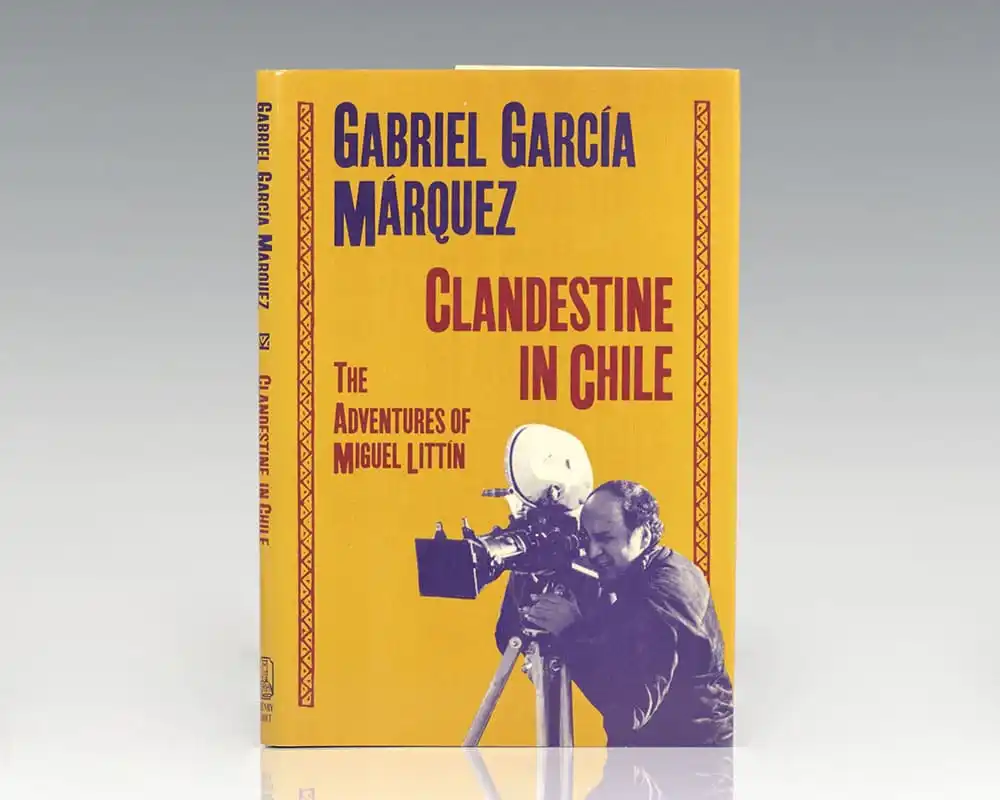
12 years after being forced into exile, Miguel Littín returns to Chile in 1985 under a new name: José del Solar. He aims to document life under the dictatorship, exposing the social, political, and cultural impacts of authoritarian rule while avoiding detection by government authorities. He recalls being forced out by Pinochet's military coup.
Littín’s journey begins in neighboring countries, where he receives help from sympathetic contacts who provide false passports, disguises, and logistical support. His careful planning shows the extreme risks involved in traveling clandestinely under an oppressive regime. Let's just put it this way: he could've have been taken out at any time considering that there were secret police basically everywhere. This is an act of rebellion with very real stakes involved.
He meticulously navigates urban and rural areas, gathering material for a documentary that reflects both the resilience and fear of Chilean citizens under surveillance. His identity must remain hidden to protect himself and those who assist him. Now he's got other people involved as well and so, if he gets caught he will probably be tortured in a 1984 style so that he may give over the names of those who helped him through this act.
He travels across different regions of Chile, including Santiago, rural towns, and coastal areas, capturing how the dictatorship affects daily life. The narrative emphasises the contrast between public compliance and private resistance among ordinary Chileans. These are people who want to resist that they would risk becoming an accessory to the fact just to help this one guy who rebels against the system. It really shows how popular Pinochet was not amongst his own people.
Littín documents illegal political organisations and underground resistance movements, interviewing activists and citizens willing to risk punishment to share their experiences. These scenes reveal the courage and danger inherent in opposing a repressive government while depicting the filmmaker’s moral commitment. It's important that Marquez shows the reader that this filmmaker is committed to the courageous act of actually going out of his way to document these real experiences of dissent - many filmmakers today make politically charged 'freedom films' and have never even been close to these positions. On top of this, Littín encounters close calls with military police, checkpoints, and informants. This is great at creating a tense, thriller-like atmosphere. But it is also a stark reminder of how real the culture of fear is under Pinochet's rule.
Littín’s work culminates in extensive footage and interviews for his documentary, capturing the realities of exile, poverty, and political surveillance. After returning safely from his secret mission, Littín reflects on the journey, showing the moral responsibility of artists and journalists in exposing injustice. He discusses how fear and courage coexist in oppressed societies, and how documentation can serve as resistance against authoritarian control. Marquez frames this man's story as one that is symbolic of artistic resistance against oppression and silence.
Art must lend us truths, even at the end of the world.
Into the Book
Identity and Disguise:
In the novel, Márquez explores how exile and dictatorship force individuals to rethink who they are. Littín’s return to Chile isn’t just political, it’s existential. He recalls, “I was back in my country after twelve years in exile, though still exiled within myself: I carried a false identity, a false passport, even a false wife”. This line captures the fragmentation of self that Littín endures: the disguise he adopts becomes inseparable from his sense of being. García Márquez uses this tension to show how authoritarian societies push people to compartmentalise their identities for safety, blurring the boundaries between performance and authenticity.
Through Littín’s meticulous preparation, from changing dress and speech to mastering a new persona, the narrative shows that identity under surveillance isn’t static but an ongoing performance fraught with psychological risk. This theme shows that surviving political oppression often means becoming someone else outwardly while internally wrestling with loss, memory, and belonging. Littín’s dual existence raises questions about whether one can ever return to a true self after living as another.
“In reality, the most difficult process for me was becoming another person.”
- Clandestine in Chile by Gabriel Garcia Marquez
The Ordinary Lives of People Under Repressive Regimes:
Márquez depicts how dictatorship reshapes everyday existence, turning routine interactions into political acts. Throughout Littín’s journey, ordinary Chileans he meets such as: workers, farmers and students, bear the weight of repression in subtle but powerful ways. Echoing this, the book reflects that “those who stayed are also exiles,” suggesting that even people who never left Chile live as if cut off from their own country, estranged from liberty and voice.
Under Pinochet’s regime, normal social spaces (markets, streets, homes) become sites of surveillance where coded language and cautious gestures replace candid conversation. Littín’s film crews capture not dramatic uprisings but these quiet resistances, where everyday people cling to dignity amid fear. Márquez therefore decouples resistance from grand political acts, showing instead how the mundane becomes defiant under oppressive rule. In doing so, he reveals a society constantly adapting, negotiating survival while preserving human connection. Littín’s interactions show that life under dictatorship isn’t only about fear, it’s about how people sustain hope in small, persistent acts of normality.
“Those who stayed are also exiles.”
- Clandestine in Chile by Gabriel Garcia Marquez
The Ethics of Power:
A huge concern in the book is the moral responsibility of recording truth under authoritarianism. Littín’s clandestine mission is not merely adventurous, it’s ethical. His purpose is to expose the realities of life under the Pinochet dictatorship, bringing hidden stories to global attention. Márquez emphasises this when Littín reflects on the painstaking transformation required to avoid detection (not just physically but ethically) so that what he captures on film remains trustworthy and untainted by fear.
The act of witnessing becomes a political intervention, a way to assert dignity against censorship and terror. Through interviews with ordinary citizens and members of the resistance, Littín gives voice to those who have been silenced. Márquez’s retelling positions the documentary as more than a film: it’s a testimony and a reclamation of narrative power from a regime that seeks to suppress it. In this way, the book frames storytelling itself as a form of resistance, where truth-telling is both an artistic and moral act in the face of systemic violence and erasure.
“Only at that moment did I become aware of how long and devastating the years of exile had been.”
- Clandestine in Chile by Gabriel Garcia Marquez
Why It's a Masterpiece
There's something different about this book to the others Marquez has written. Reportage, rebellion and journalism colours this book yes, but at its heart it is about the one thing that Marquez was probably best at writing about: the Chilean people.
An incredible piece of nonfiction literature, it deals with the political turmoil the Chilean people faced under dictatorship and took into account what the true role of the artist was: to reveal truth that was previous concealed.
As I've said, today's filmmakers come from places of great privilege. They make films about being political and being rebellious 'against the system' when they haven't done a single rebellious thing in their lives. Their films are disconnected, misdirected and definitely just plain fictional upon the subject. But this Chilean filmmaker when to the ends of the earth and came back after intense ordeals. It is quite shocking.
Conclusion
If you haven't read any Marquez then this would be a great place for you to start. If you are looking to read something other than his novel 100 Years of Solitude then again, this is a great book to read. If you are looking for something of a nonfiction novel then again, I would recommend this to you. It is a great read about two revolutionary men - one is the subject, the other is the writer.
Next Week: Confessions of an English Opium Eater by Thomas De Quincey
About the Creator
Annie Kapur
"Et in Arcadia Ego"
***
I am:
🙋🏽♀️ Annie
📚 Avid Reader
📝 Reviewer and Commentator
🎓 Post-Grad Millennial (M.A)
***
I have:
📖 300K+ reads on Vocal
🫶🏼 Love for reading & research
🦋/X @AnnieWithBooks
***
🏡 UK
Enjoyed the story? Support the Creator.
Subscribe for free to receive all their stories in your feed. You could also become a paid subscriber, letting them know you appreciate their work.
Comments
There are no comments for this story
Be the first to respond and start the conversation.