
Cat On a Hot Tin Roof by Tennessee Williams
Why It's a Masterpiece (Week 112)

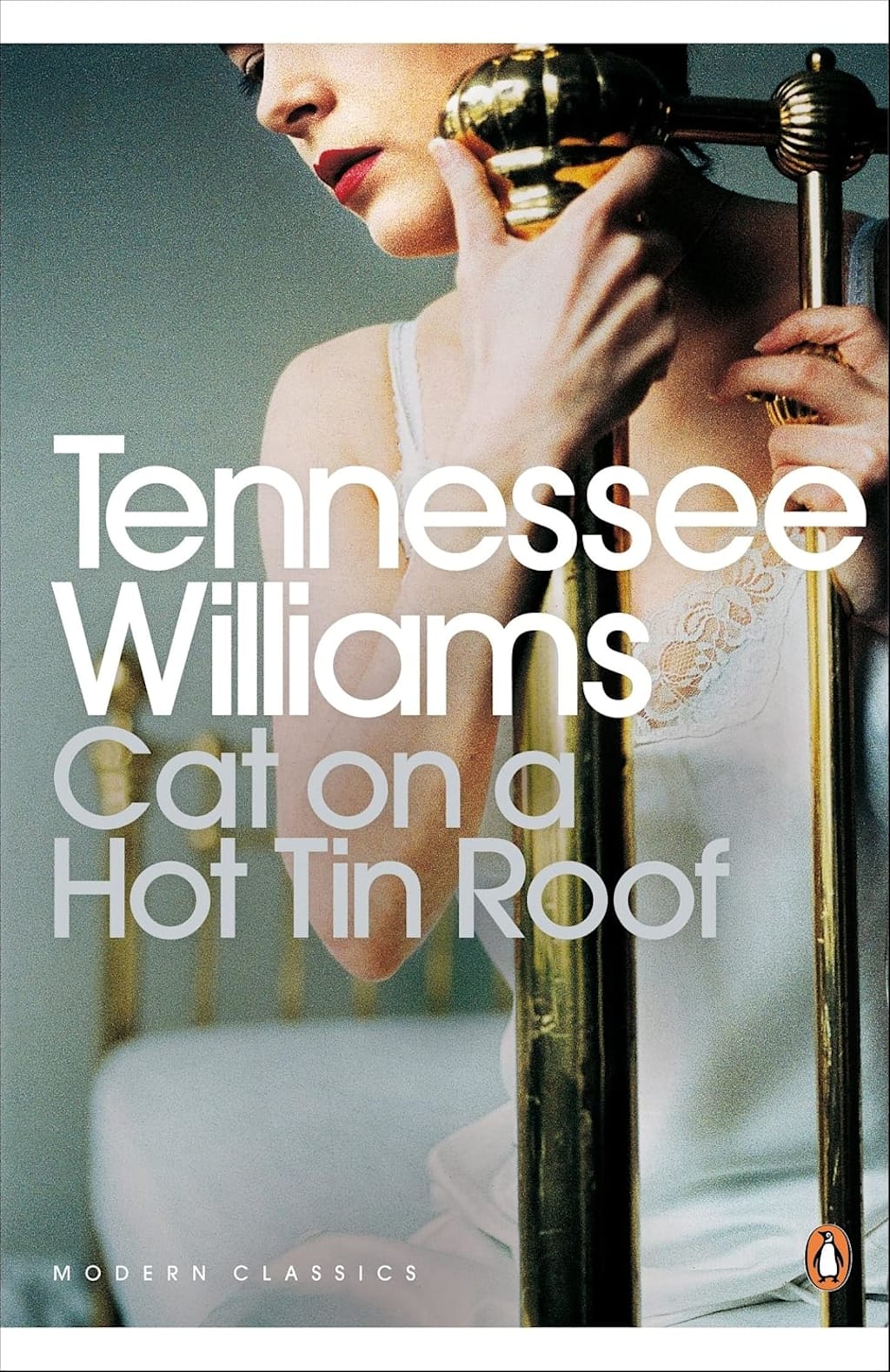
Premiering in 1955 and awarded the Pulitzer Prize for Drama the same year, ‘Cat on a Hot Tin Roof’ is one of Tennessee Williams’ most famed and emotionally explosive plays. I remember reading it and for a time, I genuinely felt like I was holding my breath.
Set in the American Deep South, the drama explores themes of repression, desire, mendacity, and familial decay. The writer drew from elements of his own life, including the decline of his father, the mental health struggles of his sister, and his own complex relationship with his sexuality.
This play was written at a time when American society was steeped in traditionalism, yet on the cusp of major cultural change. Homosexuality, repressed emotions, and dysfunction within the family unit were rarely portrayed with such rawness and ambiguity on the American stage.
The Southern Gothic style: sensual, decaying, and suffocating, injects the play with claustrophobic tension and emotional heat.
Plot

The story unfolds over the course of one long, sweltering evening on a Mississippi plantation, as the family of Big Daddy Pollitt gathers to celebrate his sixty-fifth birthday. Unbeknownst to him, Big Daddy is dying of cancer, and the family is trying to maintain the illusion that he is in remission.
The central characters are Brick Pollitt and his wife, Margaret (often called Maggie, or the "cat"). Their marriage is strained as Maggie is desperate for Brick’s affection and, more pressingly, for a child that will secure their inheritance, while Brick is distant, bitter, and drinks excessively. The reason for Brick’s detachment lies in the recent death of his close friend Skipper, with whom he shared a bond that Maggie suspects (and implies) may have been romantic.
Brick has turned to alcohol to escape what he sees as the "mendacity" of the world around him. He detests Maggie for confronting him with truths he wishes to avoid, and resents his family for their scheming over Big Daddy’s fortune. Throughout the evening, truths emerge about Brick’s relationship with Skipper, Maggie’s sexual frustrations, and the avarice of Brick’s brother Gooper and his wife Mae, who flaunt their fertility as leverage.
The second act features a pivotal confrontation between Big Daddy and Brick. Big Daddy tries to understand the reason behind Brick’s bitterness, eventually cornering him into discussing Skipper. Brick, in turn, lashes out, and Big Daddy is left reeling from the realisation that his son is emotionally paralysed by grief and shame.
As the play ends, Maggie makes a bold claim: that she is pregnant, even though it is not yet true. She is, metaphorically and literally, a cat on a hot tin roof: desperate to survive in a world that gives her little to hold on to, scrabbling for security and legitimacy in a house filled with lies.
Into the Book
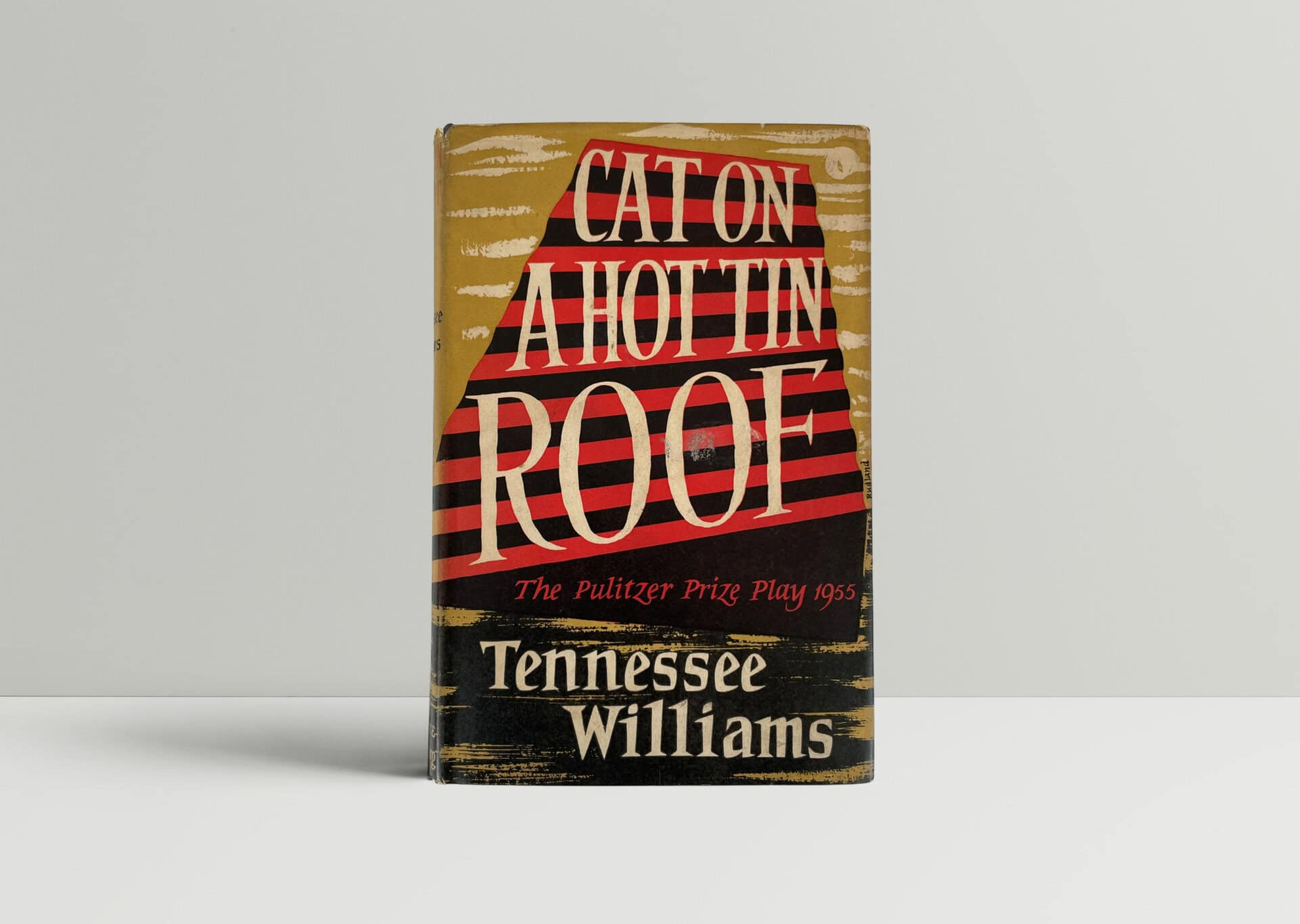
Repressed Sexuality:
In the midst of ‘Cat on a Hot Tin Roof’ is an exploration of repressed sexuality, particularly through the character of Brick. Although the nature of Brick's relationship with Skipper is left ambiguous, it is heavily implied that their bond transcended conventional friendship, and that Skipper's suicide followed Brick's rejection of any acknowledgment of deeper feelings. Brick, in turn, is consumed by guilt and shame, not necessarily over any homosexual act, but over the failure to reciprocate or accept love.
Brick equates love, especially sexual love, with vulnerability and exposure; something he cannot tolerate. This repression is not just personal, but societal. The 1950s setting did not allow for open discussion of non-heteronormative identities, and Brick’s self-destruction reflects the cultural violence of enforced silence.
Williams, who was himself a gay man living through this era, encoded much of his own experience into the play. Brick's psychological torment is not just individual, but emblematic of a larger condition: the cost of living in a world where one’s true self must be buried.
“You think me an alcoholic because I don’t love you!”
- Cat on a Hot Tin Roof by Tennessee Williams
Mendacity:
“Mendacity” becomes the play’s most loaded word, more than a motif, it becomes a philosophy. Brick’s contempt for “lies and liars” is evident in his disgust at the people around him, but also in his disgust at himself. He seeks refuge in alcohol to numb the dissonance between truth and illusion.
Everyone in the play participates in some form of deception. Maggie pretends she’s pregnant; Gooper and Mae put on a smiling, saintly front; even Big Mama lies to herself about her marriage. Big Daddy, initially the most clear-sighted character, is fed the ultimate lie...that he is not dying.
Williams critiques not only personal mendacity but institutionalised dishonesty: families sustained by pretence, marriages built on social obligation, and inheritance tied to performance, not truth. This makes the play terrifying and unsettling. The world of Cat is not one where truth sets anyone free; instead, it isolates, disturbs, and threatens collapse.
“You know what I’m talking about—mendacity. You won’t admit it to yourself that we’re through, now, and I won’t admit it to myself that it’s over between us.”
- Cat on a Hot Tin Roof by Tennessee Williams
Maggie's Metaphor:
Maggie’s famous metaphor (“cat on a hot tin roof”) shows not only her desperation but the emotional temperature of the entire play. She is clawing to hold her place in a marriage, a family, and a society that offers her no security except through male approval and fertility. Her sexual frustration, economic vulnerability, and craving for affection all converge into one driving force: survival.
Maggie’s desire is not just sexual, but existential. Brick’s withdrawal leaves her emotionally starved, yet she refuses to give up. Her resilience, even through deception, is a form of power. She ultimately seizes control of the narrative by claiming she is pregnant, an act that, though dishonest, may be her only means of stability.
“Living with someone you love can be lonelier than living entirely alone, if the one that you love doesn't love you.”
- Cat on a Hot Tin Roof by Tennessee Williams
Why It’s a Masterpiece
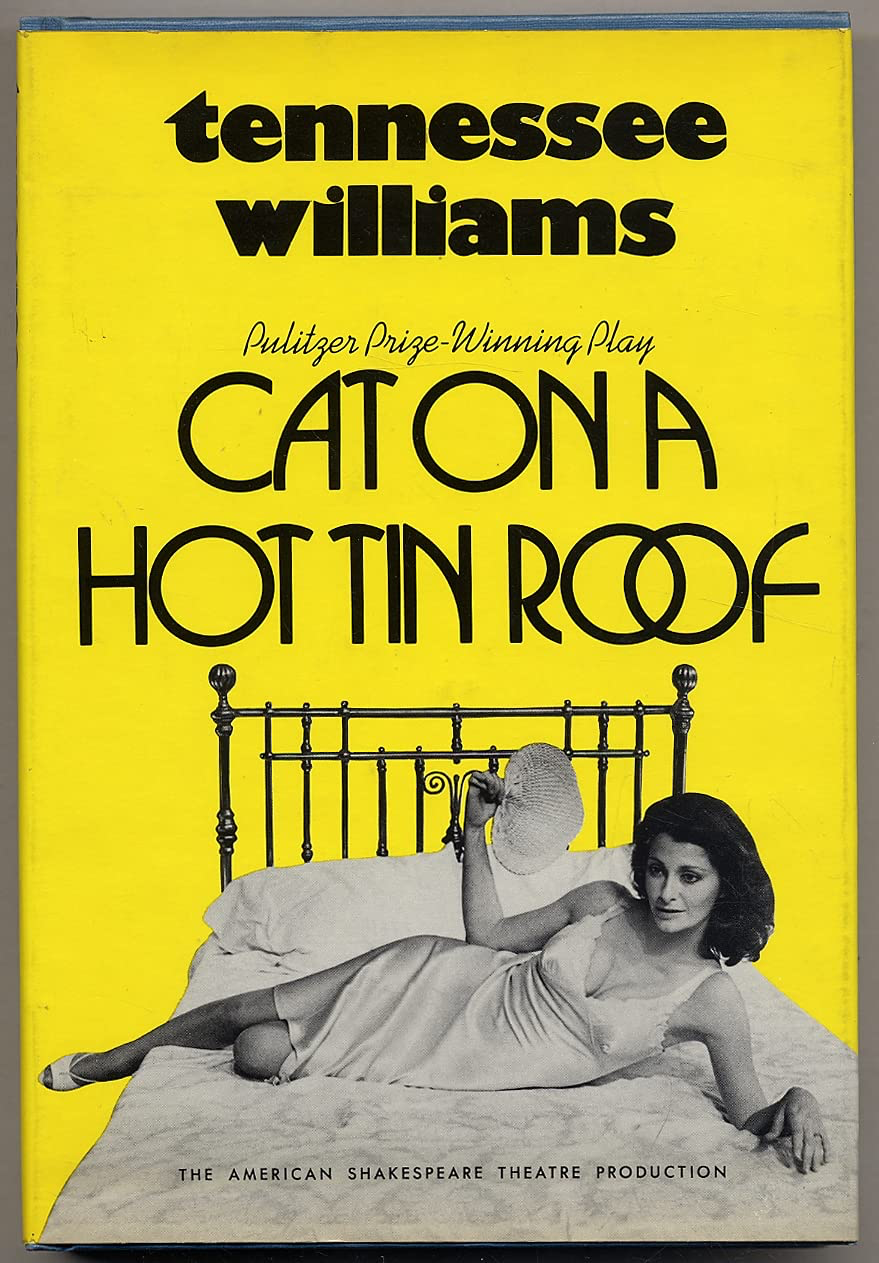
There are few plays which explore psychological realism as brutally and powerfully as this one. Whatever is left unsaid is just as important as the lines that are spoken. Chaotic and tense, the text pulls between the surface layer politeness and the mental torture of its characters. It suffocates both reader and audience through its incredible amount of repression. There is a whole world of human contradictions within this tiny book and yet, as desire gets tangled with shame we often are left thinking about the truths that are too painful to speak aloud. Williams layers the dialogue with a mournful tinge, exposing his characters as heartbreakingly human.
Conclusion
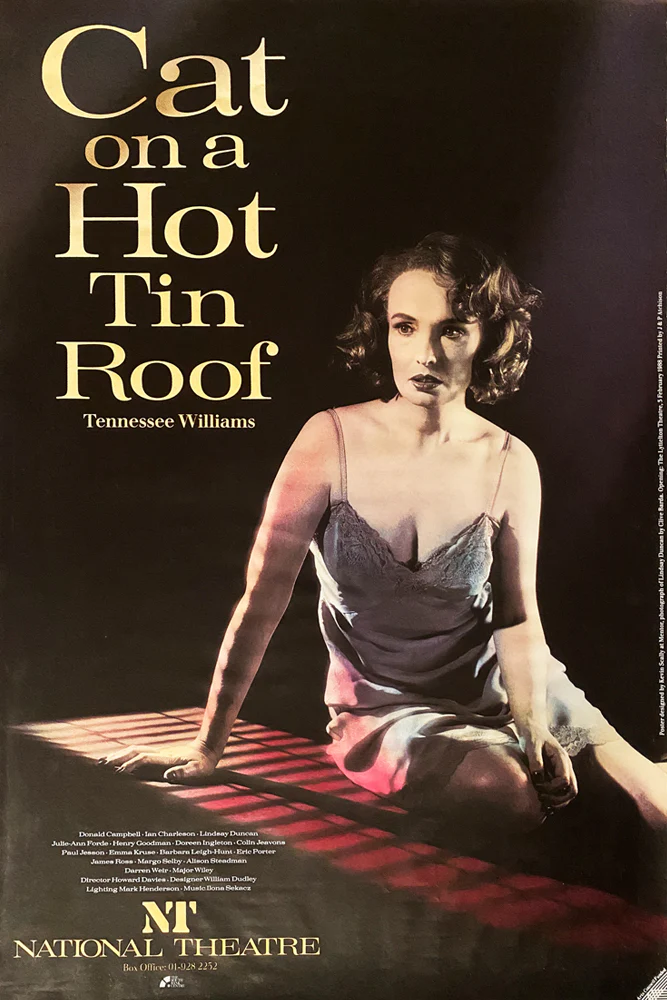
‘Cat on a Hot Tin Roof’ remains one of the greatest American plays of the 20th century, not just for its exploration of taboo subjects, but for its enduring emotional power. Through the crumbling elegance of a Southern estate, Tennessee Williams confronts the universal struggles of truth, desire, and the need to be seen. In doing so, he captures the deep loneliness that lies behind human relationships and the small, often desperate acts we perform to make meaning out of them.
Next Week: Tess of the D'Urbervilles by Thomas Hardy
About the Creator
Annie Kapur
"Et in Arcadia Ego"
***
I am:
🙋🏽♀️ Annie
📚 Avid Reader
📝 Reviewer and Commentator
🎓 Post-Grad Millennial (M.A)
***
I have:
📖 300K+ reads on Vocal
🦋/X @AnnieWithBooks
📸 ThePrancingPonyBakery
🔗 PrancingPonyBakery.com
***
🏡 UK
Enjoyed the story? Support the Creator.
Subscribe for free to receive all their stories in your feed. You could also become a paid subscriber, letting them know you appreciate their work.
Comments
There are no comments for this story
Be the first to respond and start the conversation.