
Book Review: "Utopia" by Thomas More
5/5 - a fun read of philosophy...but don't think I won't poke holes in it!

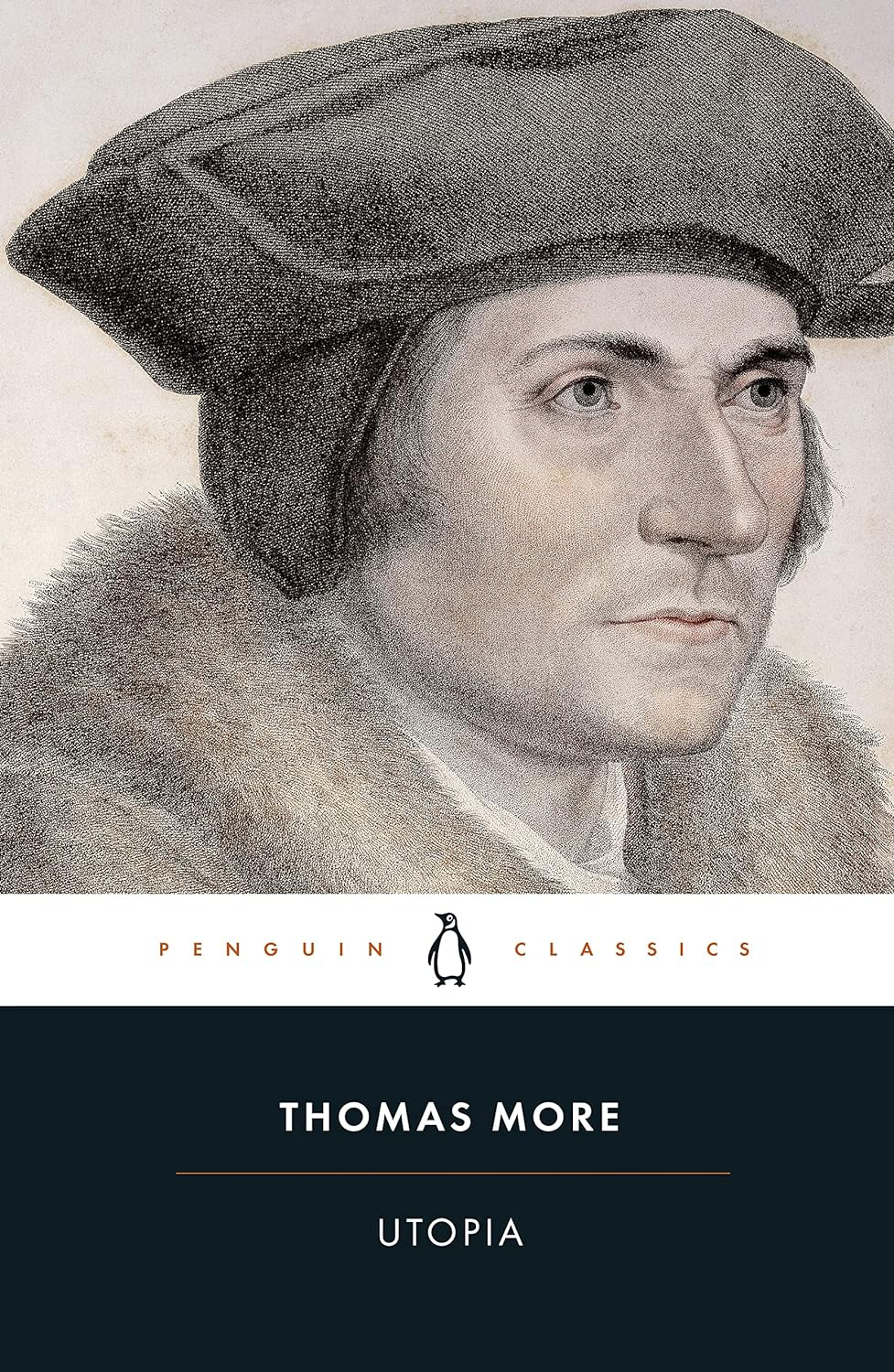
Thomas More, born on 7 February 1478 in London, was an English lawyer, scholar, author, and statesman. Educated at St. Anthony's School and Oxford University, More pursued a legal career and quickly gained a reputation as a distinguished lawyer. His intellectual interests led him to humanism, and he became friends with figures like Erasmus of Rotterdam. His most famous work, Utopia, published in 1516, reflects his humanist beliefs and critiques contemporary society. It is now recognised as a key text of Catholic Philosophy.
However, his opposition to King Henry VIII's separation from the Catholic Church and the establishment of the Church of England led to his resignation and imprisonment. In 1535, More was tried for treason and executed on 6 July. He was canonised in 1935, becoming Saint Thomas More to many around England.
First of all, in Utopia, private property does not exist. All goods are stored in communal warehouses, and citizens take what they need. This system is designed to eliminate the inequalities and conflicts that arise from personal wealth and ownership. By sharing resources, Utopians ensure that no one lives in poverty while preventing the accumulation of excess wealth that can lead to corruption and exploitation. Labour is also communal, with all able-bodied citizens contributing to agricultural and necessary industrial work, ensuring that everyone's needs are met without overburdening any single individual.
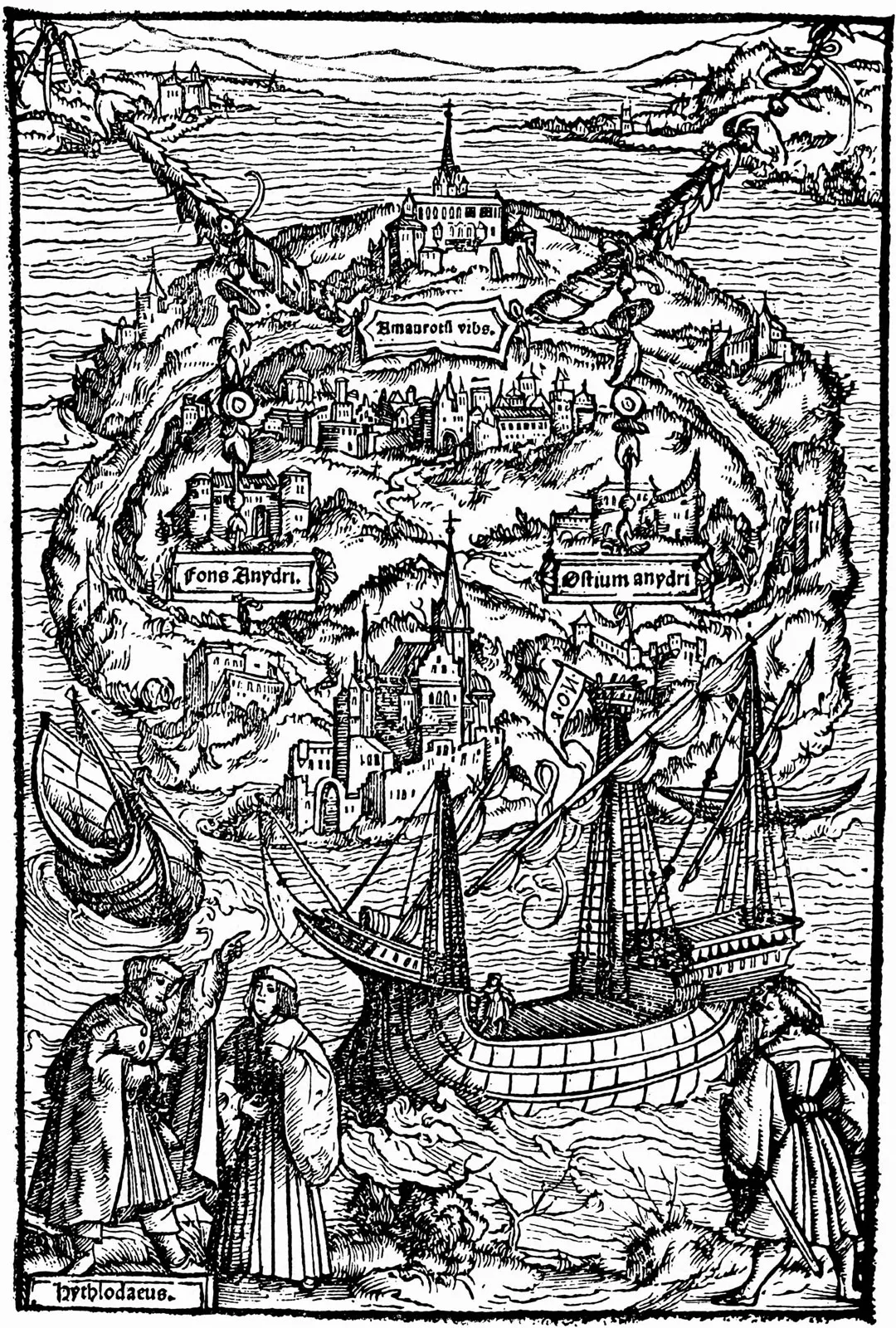
This sounds like a great idea on paper, but my question is who is managing said warehouses? Does that not lead to tyranny or hoarding of resources amongst the few who's job it is to manage them? This is probably best seen not working in George Orwell's Animal Farm. It does actually lead to the pigs hoarding the resources and rationing terribly small portions among the rest of the animals.
The next idea deals with the Utopians practicing religious tolerance; believing that different religious beliefs and practices can coexist peacefully. This tolerance is grounded in the idea that truth and morality can be pursued through various paths. The society promotes open dialogue and respect for differing beliefs, allowing for religious pluralism. However, atheism is discouraged because it is believed to undermine the moral framework of society. The Utopians emphasize that religious diversity should not lead to conflict, and any form of religious persecution is forbidden. This policy fosters a peaceful and cohesive community where individuals are free to follow their conscience.
This is all well and good on paper again, but we have to remember what time Thomas More was living in himself and the fact that he was not actually seeing religious tolerance going too well. It would ironically be the reason he would lose his head - not because others were not practicing religious tolerance, but he was not tolerating the King's requirement for the opinions of a different religion (in this case a hard-lined version of Lutherism). So, again it may be a great idea on paper but if Thomas More himself did not carry it into practice then this is really just a want for something that even he who wrote it could not give.
The next point I would like to regard is that the Utopian state is meant to take full responsibility for the welfare of its citizens. The society ensures that everyone's basic needs, including food, housing, clothing, and healthcare, are provided for by the community. This comprehensive welfare system is designed to eliminate poverty and reduce social strife. The state also cares for the elderly, the sick, and those unable to work, ensuring they are supported and valued members of society. The emphasis on communal support and social welfare reflects the Utopian belief in collective responsibility and the importance of maintaining the well-being of all citizens.
So, I think from common knowledg we know that simply giving people things for free does not work. Instead, encouraging work and community does. When Thomas More talks about the 'state' he means the country and I can see why he believes the things he does because poverty is rampant. I think the requirement for a social safety net is there, but I do not agree with free handouts for anyone who wants them. The elderly and disabled should be able to have enough but for them to have enough everyone else has to chip in. Citizens should not get things for putting nothing in. Why? Where do these 'things' come from if nobody is working in the farms, factories and making sure society functions? Nowhere, that's where. If it's 'provided for by the community' you can almost bet there will be arguments amongst those who do more and therefore feel like they are entitled to more.
Now let's take a look at education. The book states that education is a cornerstone of Utopian society, with all citizens receiving thorough and ongoing education. This education is not only practical, covering essential skills and knowledge but also moral and philosophical, aimed at developing virtuous and enlightened individuals. Intellectual pursuits are highly esteemed, and citizens are encouraged to engage in lifelong learning and scholarly activities. The Utopians believe that a well-educated populace is crucial for the prosperity and stability of society. Arts and sciences are deeply valued, and public lectures and discussions are common, promoting a culture of continuous intellectual growth and reflection.
This I agree with. The higher the literacy rate of a community the more it will prosper. However, not everyone can be a scholar or do the ongoing education that More is talking about: hell, not everyone will want to do that. A well-educated populace does not, in my opinion, need to be educated on a set of skills, but on a range of skills in different people. That is the only way you are going to get that community work ethic to provide for the big communist warehouse he keeps going on about. Otherwise, making everyone bookish and philosophical is a complete waste of time. Allowing people to have free choice to start making money when they feel necessary is true liberation and makes people feel in control of their own lives. Though I agree with his point, I can still poke holes in it if I want to.
I'm going to stop there because this is getting a bit long. All in all, though I thought this was an interesting read, it definitely has some points to improve upon. Though it looks good on paper, I am not sure it will work all that well in practice. It might be enlightened for its time but with what we know now, it seems a little dated. Here's a thought: if you were going to update this text, what would you change about it?
About the Creator
Annie Kapur
"Et in Arcadia Ego"
***
I am:
🙋🏽♀️ Annie
📚 Avid Reader
📝 Reviewer and Commentator
🎓 Post-Grad Millennial (M.A)
***
I have:
📖 300K+ reads on Vocal
🦋/X @AnnieWithBooks
📸 ThePrancingPonyBakery
🔗 PrancingPonyBakery.com
***
🏡 UK
Enjoyed the story? Support the Creator.
Subscribe for free to receive all their stories in your feed. You could also become a paid subscriber, letting them know you appreciate their work.
Comments
There are no comments for this story
Be the first to respond and start the conversation.