
Book Review: "The Silver Book" by Olivia Laing
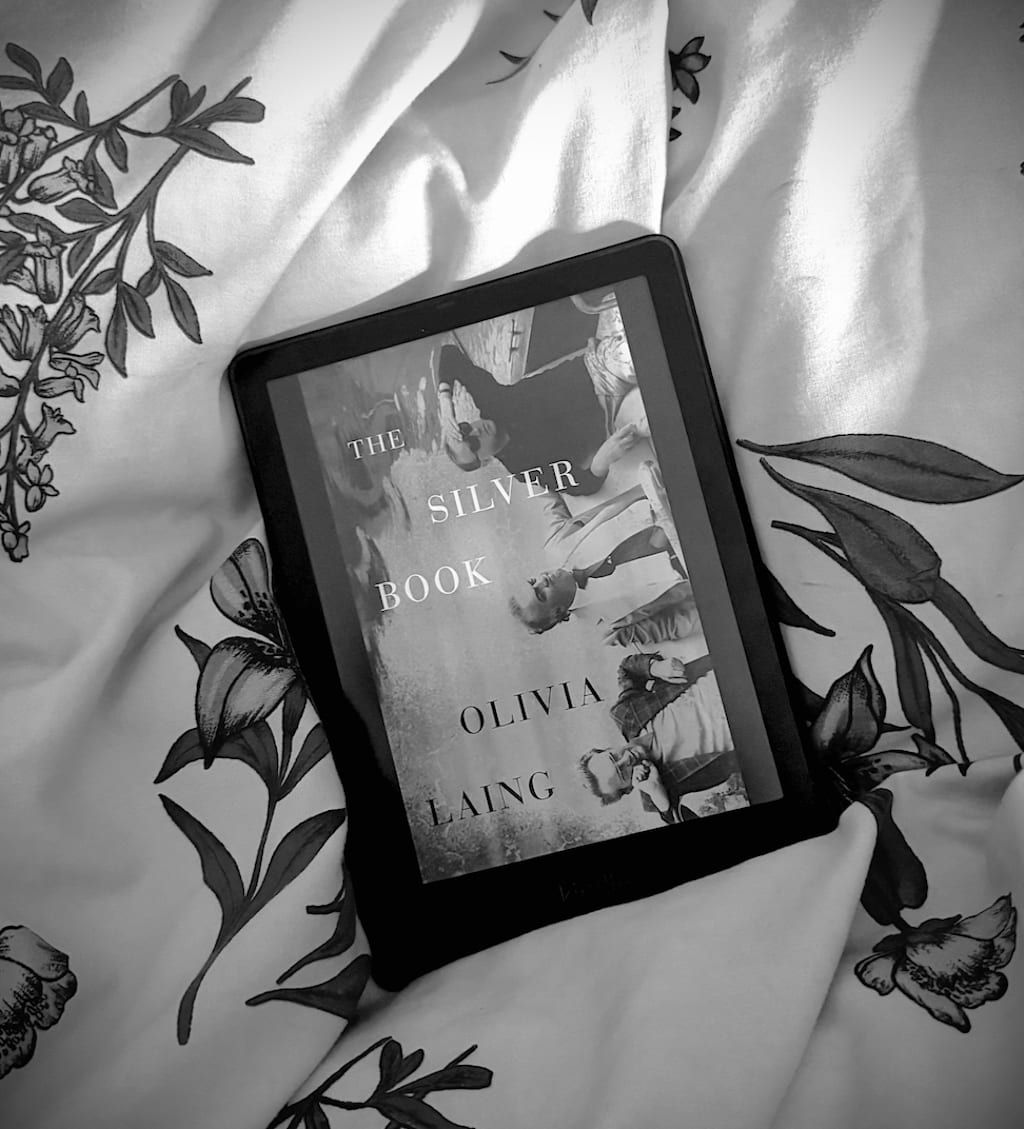
5/5 - another great addition to Olivia Laing's bibliography. She has to be one of this century's greatest writers so far...

I have previously featured Olivia Laing in my article: What's in a Reading Experience? which still stands as one of my most-read articles of all time on this site. You can read it below:
A Trip to Echo Spring features upon the list as a book I have actually read more than once now. It is a fantastic book which definitely displays Olivia Laing's talent for writing, her love for writers and her ability in the same sentence, to be critical of their chosen lifestyles. Read my review of the book below:
Further down the timeline, Olivia Laing releases the defiant and beautiful book The Garden Against Time which is an achievement of garden literature which is yet to meet its equal (only the works of Derek Jarman could be considered better literature on the garden environment in my opinion). But of course, when writing about gardens, even Laing couldn't leave out my favourite director and one of my favourite human beings of all time - he really is eternal. Read my review of this below:
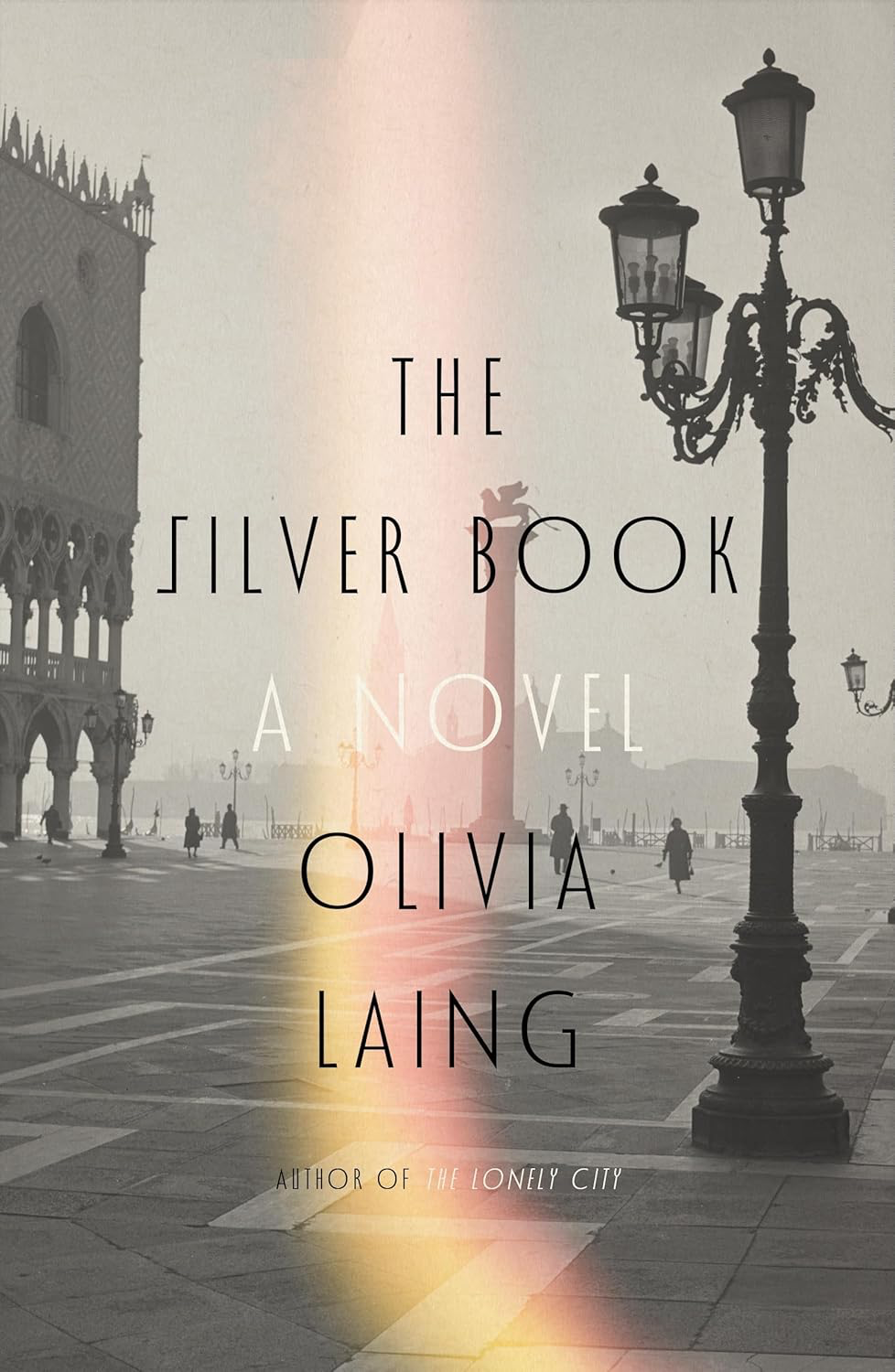
As we move into the present, we look at a more recent release by Laing. Her novel The Silver Book explores in short and atmospheric chapters, the life of those living through the 1970s Italian Cinema scene. Familiar characters such as Fellini and Pasolini populate this true crime romantic thriller set against the backdrop of one of the many paradises turned sour and decaying from within.
Please note that this story is half-fictional and half-nonfictional and so is classed as semi-biographical fiction in this review.
Nicholas is a gay arts student who runs from his home in London after a very public scandal leaves him humiliated and hunted - he thus makes his way to Italy where he begins a love affair with the talented Danilo Donati, as well as becoming an apprentice to him. Danilo Donati is quite the figure from film history and if you know about him, well he has done some incredible things in the movies of Fellini and Pasolini - who also feature as key characters in this book. Olivia Laing's writing of their relationship is really stripped back, as if there is some restraint of detail yet, there is also a lot of sexual detail. It's almost romantic, but not quite. It's almost perfect, but the image is left unfinished. It is atmospheric without being overly wordy - it is profound and charming without being pompous and ignorant. Honestly, this is one of the best things about the book, it makes the chapters incredibly readable and introspective.
There are several moments where we see these other characters come alive. Pasolini is haunted by himself, he is also haunted by the past image of Italy as a fascist state whilst Danilo is haunted by his desire to be the 'storyteller' even though the directors and writers are right there. There are not just present hauntings, but there are pasts that are catching up with people and on a set resonant of 120 Days of Sodom there are controversies left, right and centre. Olivia Laing's writing again, puts Italy into a context of itself. It is not just its present - it cannot escape its past. References to fascism, ideas which include the way in which the Catholic country sees queer people and atop of this, the fact that Italy is made up of so many different states (there's a really interesting quotation on this within the text as well) makes Italy as complicated as the men who live within it - trying to make its art (and have artistic freedom).
The big event this is all leading up to of course, is the horrific death of Pasolini. That's not a spoiler but there is a spoiler in the text that this is held within (I am not going to tell you about that). It is almost a non-event that is both an image and a feeling - completely anti-climactic like the death of Jacob in Virginia Woolf's Jacob's Room. It's abrupt, it's terrifying and it's like something being exhaled into the atmosphere against its will.
Olivia Laing has written something very special here and I cannot ignore the underlying themes of queerness and the LGBTQIA+ movement. It is present constantly, it is romantic - until it isn't. It feels real even though half of it isn't.
About the Creator
Annie Kapur
"Et in Arcadia Ego"
***
I am:
🙋🏽♀️ Annie
📚 Avid Reader
📝 Reviewer and Commentator
🎓 Post-Grad Millennial (M.A)
***
I have:
📖 300K+ reads on Vocal
🦋/X @AnnieWithBooks
📸 ThePrancingPonyBakery
🔗 PrancingPonyBakery.com
***
🏡 UK
Enjoyed the story? Support the Creator.
Subscribe for free to receive all their stories in your feed. You could also become a paid subscriber, letting them know you appreciate their work.
Comments
There are no comments for this story
Be the first to respond and start the conversation.