
Book Review: "The Shepherd's Life" by James Rebanks
3/5 - if it stayed as a guide to the natural landscape and the fulfilment it brings, this could have been a much better book


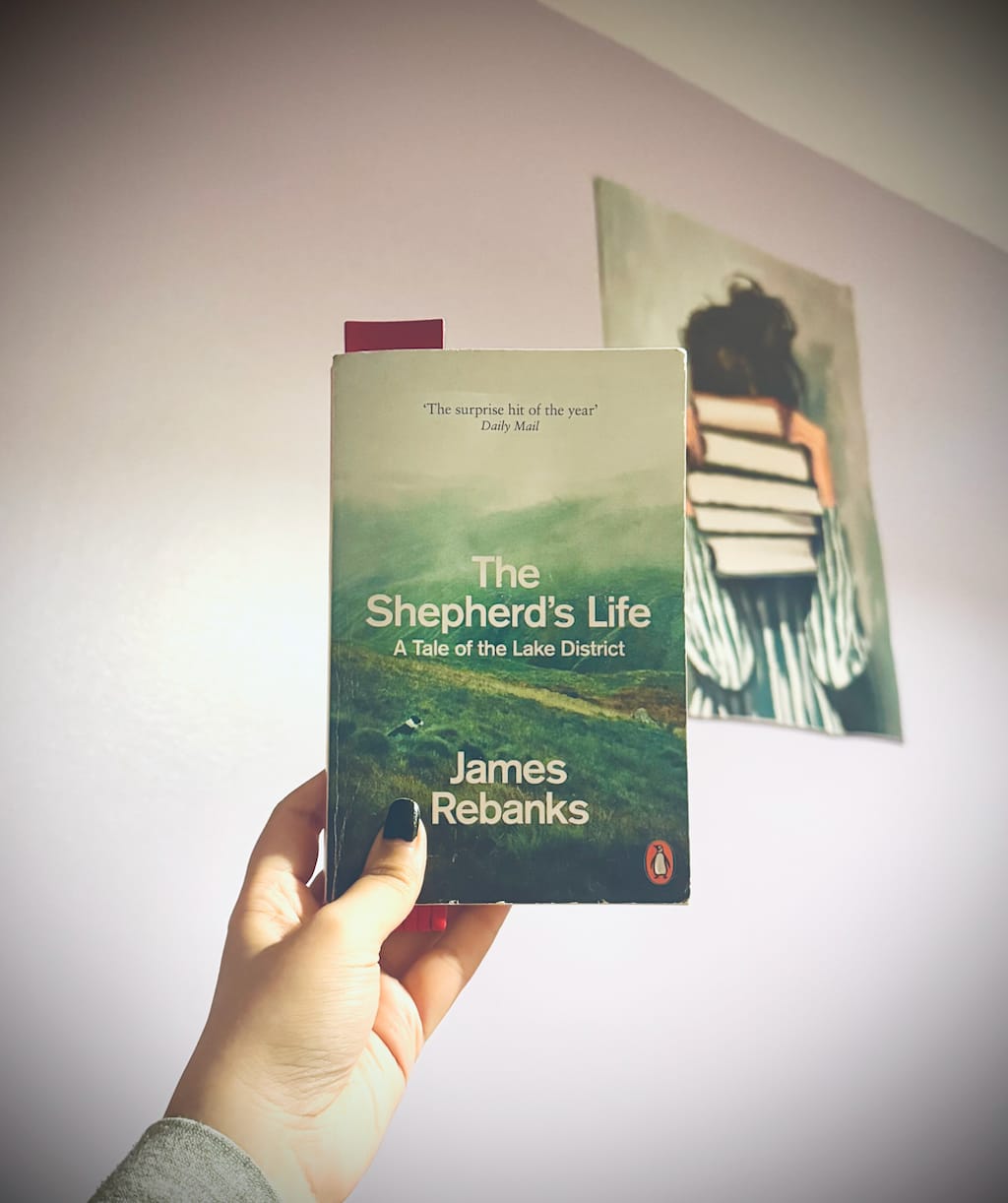
Relaxation in books is not something many people look for and so when the Daily Fail called this book the 'surprise' hit of the year it wasn't just because they were surprised their journalists could read - it was also due to the slowness of the atmosphere within Rebanks' autobiography. There's a calm to reading about the Lake District in the same way that when we read certain idyllic poems by Wordsworth, we often have the feeling of being there wash over us. Rebanks will mention Wordsworth many times and from the outset, understands that though a formative education wasn't useful to a shepherd, there was much more to be learnt from being around the farming areas. A brilliant and vibrant autobiography of growing up in one of the most beautiful places in all of the UK - the author showcases a life that is very special, something the tourists would always try to understand but never will entirely.
The book starts in the Summer months. I have to say that the Lake District in the Spring and Summer is lovely (as long as its not raining), but there is also a key to this book that I want to cover: that it is heavily reliant on atmosphere. The narrator does take us through farming techniques in the summer, even down to the shears he uses to cut the sheep. But honestly, the most interesting thing is the way he describes his surroundings. Yes, we get bits and pieces about his family and eventually his grandfather, one described as the patriarch in an almost biblical sense, passes away. But again, the book needs to lean into its atmosphere in order to keep the reader interested. I'm not sure whether that's a good thing or proves that the story itself being told, is a little dull.
Fortunately enough, this changes by the section entitled Autumn and we begin really getting into the meat of the story. Since the grandfather died, there has been some discovery of the true financial woes the farm was in. The work being done isn't being paid, there's debts mounting up to the skies and family feuds hanker around every corner. We see the family fall apart and then rebuild itself, we see the tourism industry rise as the farming industry is essentially left to rot. All of a sudden, our narrator doesn't feel so special anymore and so atop of all of this we gain insight into his existential crisis. Luckily enough though, he has a grandfather on his maternal side - one that left his mother Penguin Classic novels. And our narrator, who has never really been much of a reader, read as though his plane was about to go down. Voraciously, he discovered the written word. It is a beautiful love letter to how one struggles and struggles and then, finds books beneath it. They've dug far enough and now it's time to discover things again. Let us hope.

But as we move away from the farm, of course the farmer with no GCSEs and one A-Level gets accepted into Oxford University - because what would this be without a fun rags-to-riches story that basically nobody asked for? I'm not going to lie - the vast majority of the time I love reading stories about people getting into university and finding their way but it seems that it has now become a back-and-forth of: a) the reading list, b) bragging rights about being a farmer in Oxford University amongst all the 'posh' folk who 'studied' to get there (they didn't) and c) arguing, because farm boys are a bit more rough around the edges and like to argue. These repetitive situations seem to go on forever and anything that was even remotely interesting kind of gets drained out of the story as we circle around the three obvious 'I'm not like other students' items in this list. Hope has mostly been lost by this point.
However, the rest of the book is pretty much the same and I don't want to spoil it. It goes up and down and what it lacks most is obviously consistency. Though this may be the case, it is on the whole an enjoyable read - something that I might recommend to those seeking a slower, more descriptive text. However, I think it is all weighted slightly weirdly for me. There's often great books like this, so I wouldn't worry too much about it - it is simply my own opinion. Otherwise, I'd highly recommend it.
About the Creator
Annie Kapur
"Et in Arcadia Ego"
***
I am:
🙋🏽♀️ Annie
📚 Avid Reader
📝 Reviewer and Commentator
🎓 Post-Grad Millennial (M.A)
***
I have:
📖 300K+ reads on Vocal
🦋/X @AnnieWithBooks
📸 ThePrancingPonyBakery
🔗 PrancingPonyBakery.com
***
🏡 UK
Enjoyed the story? Support the Creator.
Subscribe for free to receive all their stories in your feed. You could also become a paid subscriber, letting them know you appreciate their work.
Comments
There are no comments for this story
Be the first to respond and start the conversation.