
Book Review: "Queen James" by Gareth Russell (Pt. 2)
Chapter 8 to Chapter 14

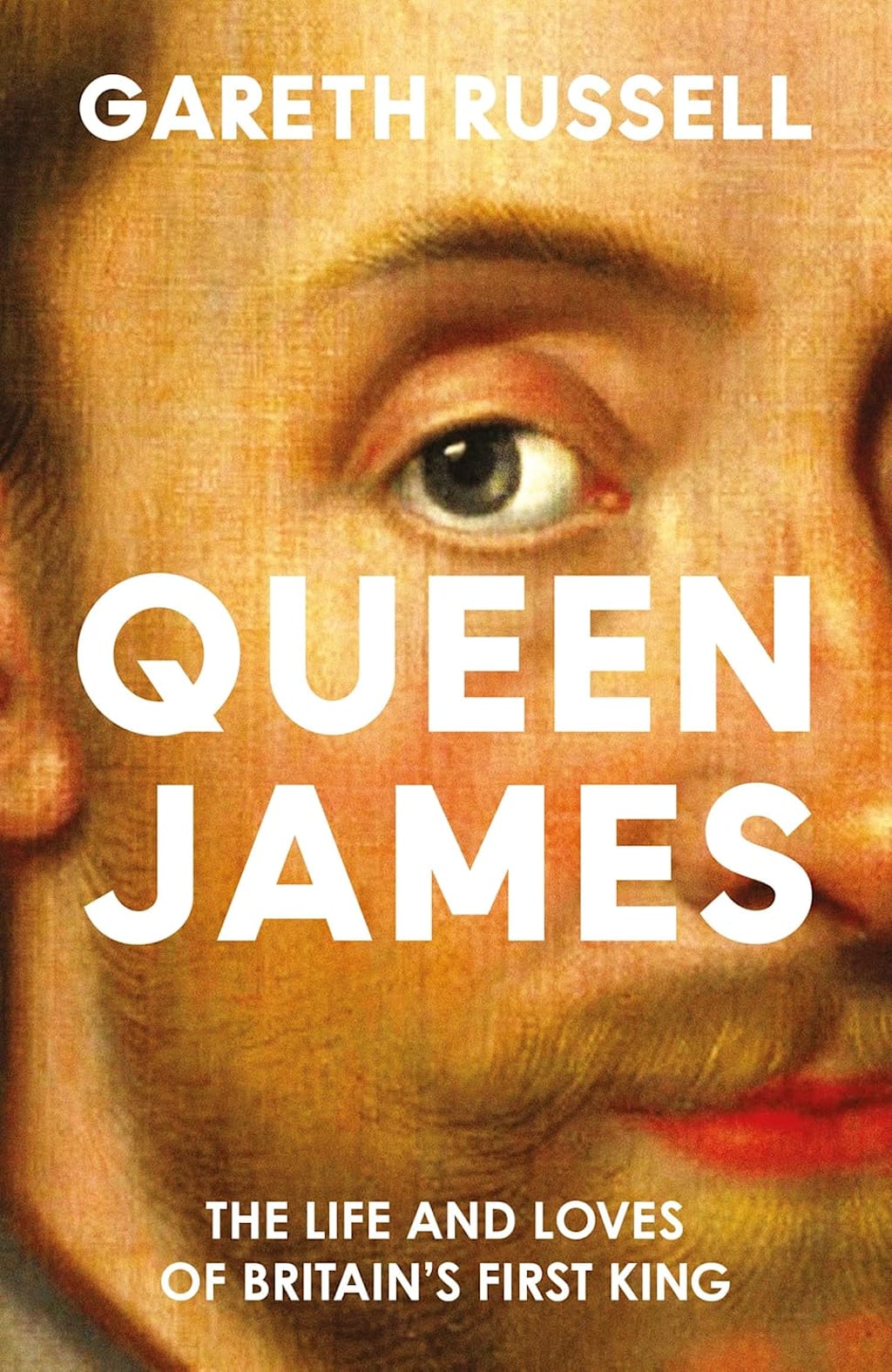
We see the end of the Queen's coronation and Gareth Russell talks us through the oddities in the marriage, such as how well or to what extent Anne of Denmark knew of her husband's liasons with men. When it came to the political atmosphere of Scotland though, James was wasting no time in growing the economy. Gareth Russell does refer and refer often to the fact that James' reign was probably one of the more prosperous for Scotland (I don't think it was prosperous for England though when he came into power in 1603). But, as we leave the time in which James and his wife were being celebrated whilst intrigue took over the palace, we shift into the era of the witch trials.
Gareth Russell points out in a side note that the witch trials were actually far worse in places like Germany and Poland, but in Scotland and England they were fairly small. However, due to the population size of Scotland, they were catastrophic for the public atmosphere. Russell tells the story of several people who were accused, tortured and burned alive for witchcraft including one woman who admitted to witchcraft under torture and then stated she could recall the names of 2000 other witches by simply looking at them and proclaiming whether they were innocent or guilty. Rightly so, in the same few weeks this was revealed to be a sham and the woman was sentenced to death anyway - this time for perjury. My thoughts are though that she may not have been telling the truth but she was tortured to deliver these men the answer they wanted, not what the truth actually was. Thus, it wasn't actually her fault.
The witch trials proved to be a dark stain on the history of Europe and especially upon the reputation of James as he regarded the understanding of witches to be in line with the study of theology. With people in the court being accused of necromancy, one thing I found was that the idea of witchcraft was treated different if you were rich compared to if you were poor. The rich could look at horoscopes and study astrology, practice herbal remedies and study the casting of spells - it was called necromancy. No it was not something favoured and it was generally looked down upon but nobody was really being burned at the stake for it in James' time. Whereas, a poor person would be sentenced or even killed if someone suggested something about them. It didn't even have to be remotely true.
But alas, court life was about to change again as James I was just getting into bed to go to sleep when a man coated in mud charged into his quarters with a ring. He informed James that Queen Elizabeth I had just died and that James was now King of England. This is followed by a lengthy analysis of what happened upon James coming too England that, even though the celebrations were plenty the rain was still coming down pretty hard. Did I think that the people believed this was some 'telling' of James' future? No not quite. But I do think that James would have been rather taken aback at the court's attitudes to manners in the previous hands of Elizabeth, who was a stickler for them. James on the other hand, was more rough around the edges. This I found quite funny and well, it did give something refreshing to the court. Perhaps that omen of rain wasn't all too bad after all - if it was an omen. The author doesn't say.
Through this we are met with various favourites. One who is definitely seeking position and practically nothing else, another who betrayed his majesty unfortunately and one more who was described as being as thick as a tree stump. Many people were aware of James' likings for men and thus, would move their sons and cousins and nephews into places where they could be near the King and perhaps attract him in order to gain position. This would pretty much secure a family for life. There were women pushing their sons around and how. Their breath was examined, often sweetened with herbs as James didn't like people with bad breath.
Atop of this, they were often youthful and fun - they didn't have to be smart or cynical - they didn't have to speak many languages or know the Bible off by heart. In fact, plenty of them didn't seem to realise what they were actually getting themselves into. As soon as you became James' favourite, you also became the most gossiped-about person in the royal court. Literally anything could lead to your downfall and I think we are all waiting for the famed Duke of Buckingham to enter the scene as he hasn't quite arrived yet. But when he does I think we'll see what that means.
By Chapter 14, we see a messenger deliver a letter speaking of a plot against the King; a plot which involves Gunpowder. I think we've heard this story many times before but few realise that the fear of Catholics was very real and can only be compared to the fear people had of Muslims in the wake of 9/11. It was dark times doomed to repeat themselves. But of course, their plan failed.
As we move on to the third and final part of this review, we get to see exactly what James did to make his reign memorable. How did this man who believed in the Divine Rights of Kings create such a court of intrigue where people openly spoke about him behind his back without the worry of execution? Who was the Duke of Buckingham and why did he have such access to the King? If you're interested in that then proceed to my multi-part review on The Scapegoat by Lucy Hallett-Hughes.
About the Creator
Annie Kapur
"Et in Arcadia Ego"
***
I am:
🙋🏽♀️ Annie
📚 Avid Reader
📝 Reviewer and Commentator
🎓 Post-Grad Millennial (M.A)
***
I have:
📖 300K+ reads on Vocal
🫶🏼 Love for reading & research
🦋/X @AnnieWithBooks
***
🏡 UK
Enjoyed the story? Support the Creator.
Subscribe for free to receive all their stories in your feed. You could also become a paid subscriber, letting them know you appreciate their work.
Comments
There are no comments for this story
Be the first to respond and start the conversation.