
Book Review: "English Pastoral" by James Rebanks
4/5 - a much better book than "The Shepherd's Life"...

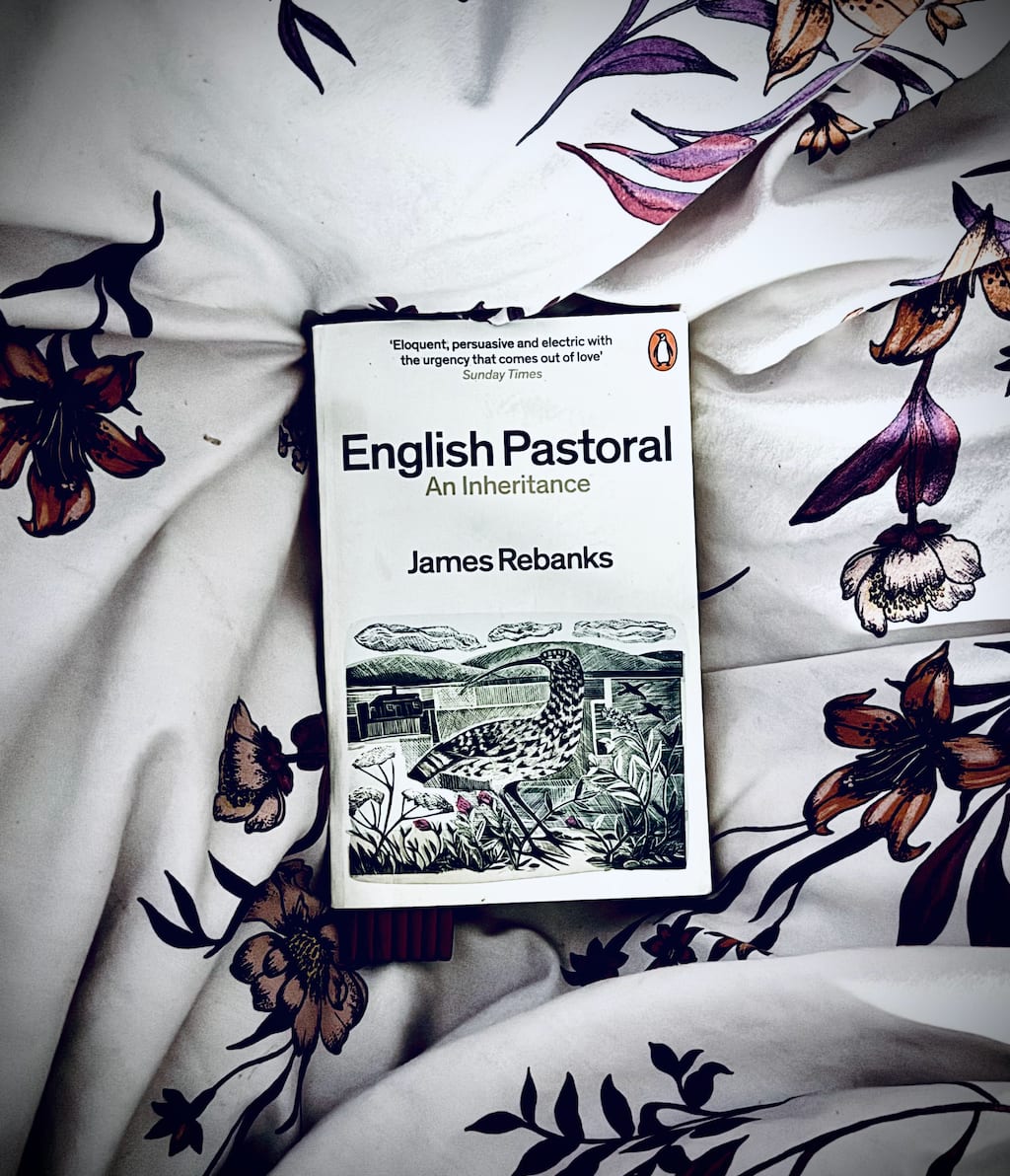
I'm giving James Rebanks another chance since I only half-enjoyed his book The Shepherd's Life because of the nonsensical rags-to-riches story which ruined the book for me. The whole 'I'm not like these posh people in Oxford, so I am better than them by default' thing got old after about two pages. I wanted to read English Pastoral because I was willing to give him the benefit of the doubt. Hopefully, having read essentially what is his memoirs, he couldn't do more of that stuff now. I was mostly correct. This book is much, much better than The Shepherd's Life and details more about the agricultural landscape, the family farm we know so much about now and how industrialisation changed the centuries. As this focuses much more on the disappearing landscape that Wordsworth was so keen on living in and preserving, the text itself comes off as more confident and tolerable for the reader.
Nature writing is always great to read, especially if it contains the location of the Lake District. The author reflects on the centuries over and how agricultural practices have changed. He looks at his own personal history with the family farm and combines this with how the traditional aspects pastoral life have shifted, and have often been damaged with the requirements of modernisation. The focus on productivity has taken away the relaxive atmosphere, the countryside quality, the slower life. It has taken away the agency that these people sought when they once moved to the countrysides many, many years ago. Modernisation has damaged the traditional ways of life yes, but it has also damaged the environment with it. Rebanks tells a compelling story, one that shifts us through the eras of consumerism and industrialisation.
This whole story centres on the family farm we learn about in the book The Shepherd's Life, the one owned by his grandfather - an almost Faulkner-esque patriarch of the land. Generations of his family worked this land and so, he looks back at the practices they used in the past compared to the ones that are used now. The industrialisation that dominates the 20th century is something we understand we need, but we often don't recongise what others have to give up or change because of it. The true cost means that these lands are often pushed beyond what they can handle, as are the people that own the land. Everything becomes competition. The countryside is hit by horrifying amounts of consumer capitalism. Pressures to increase productivity in the post-war period are now driven by policies instead of loopy individuals nobody took seriously. But it doesn't stop there. The author shows us how this fostered a loss in biodiversity, soil degradation and thus, traditional knowledge of what is best and when erodes to nothing over generations. What was once a balance between farming and the natural environment has become a battle that the environment is being brutally beaten in.
We can tell that the author is concerned with the restoration of the environment and how we should be trying to shape it in a way that is sustainable (so basically not what it is now). This is something we see again in the book The Way Home by Mark Boyle. We need to be creating more sustainable practices before we are forced to because there is nothing left. We need to work with nature rather than against it. Why? Well because one day it may turn up and against us - and then we will be in some very real trouble. So, does the author think the trade-off was worth it? Is it better to make more money for everyone involved whilst destroying the environment in ways that are still yet, unimagined? No it isn't. Damaging the environment actually has horrific impacts on our health as human beings and thus, as the health of everything begins to decrease, we cannot possibly maintain the productivity in the long run. The author emphasises traditional knowledge and older farming practices. Though he recongises that they are outdated - they are also seen as valuable resources in a world where we are now fighting the monster of environmental damage which ironically, we ourselves created.
At the end of the day, there's hope. Even if we have nothing else, we have hope. And that might sound silly. Honestly, I think hope without any evidence that things are going to get better is understandable but silly and misguided. But the one thing I massively agree with in this book is that if we do not learn from our past, if we lose that knowledge of what we once did - when the time comes, we may never be able to repeat it. It will be lost as will we be.
About the Creator
Annie Kapur
"Et in Arcadia Ego"
***
I am:
🙋🏽♀️ Annie
📚 Avid Reader
📝 Reviewer and Commentator
🎓 Post-Grad Millennial (M.A)
***
I have:
📖 300K+ reads on Vocal
🦋/X @AnnieWithBooks
📸 ThePrancingPonyBakery
🔗 PrancingPonyBakery.com
***
🏡 UK
Enjoyed the story? Support the Creator.
Subscribe for free to receive all their stories in your feed. You could also become a paid subscriber, letting them know you appreciate their work.
Comments
There are no comments for this story
Be the first to respond and start the conversation.