
Book Review: "Do Let's Have Another Drink" by Gareth Russell
5/5 - the Queen Mother's personality was far more complex than we realise...

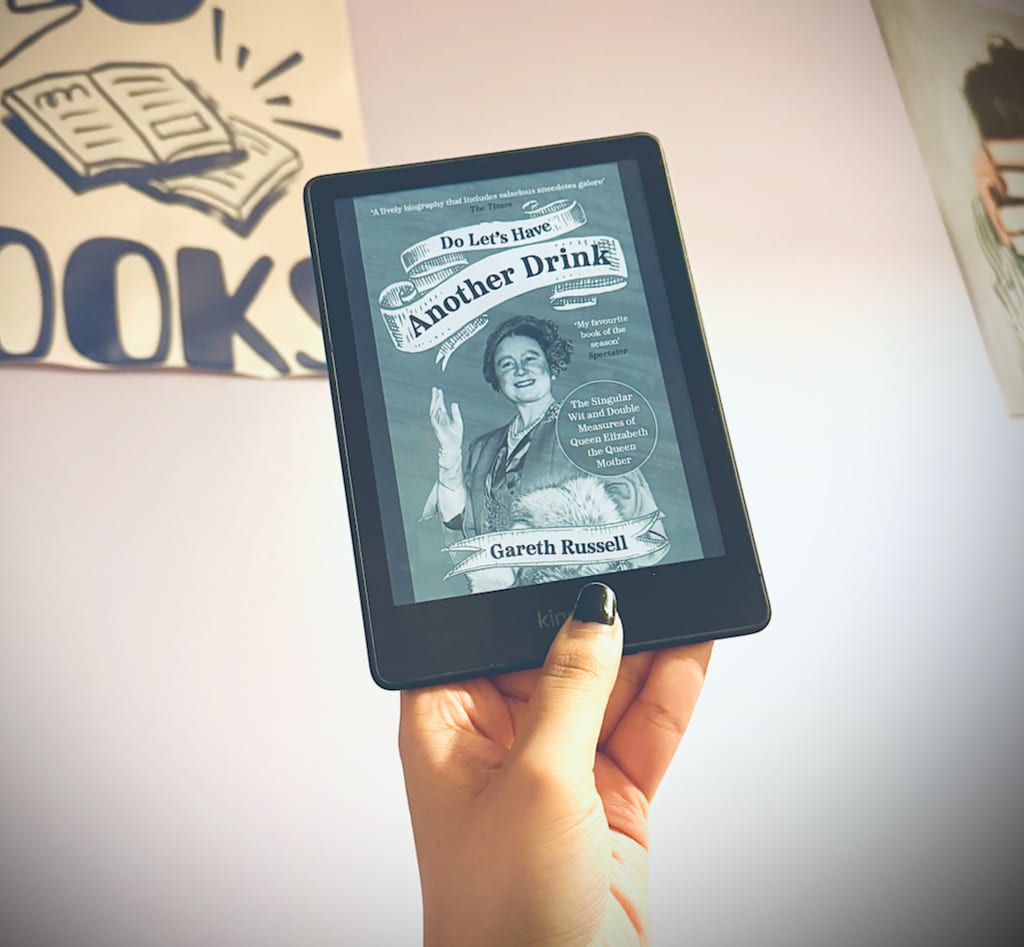
Gareth Russell is a fantastic writer, possibly one of my favourite writers of the year so far. I have read and reviewed his books including: The Palace and Queen James with this review on Do Let's Have Another Drink my third of his bibliography. I am looking forward to having enough money to buy his book Young, Damned and Fair soon too. Gareth Russell's books are not just nonfiction historical pieces, they are entertaining to read with a great level of tone, dark comedy and often snide comments that are like a joke that only he and the reader are in on. His writing definitely makes the whole atmosphere of royal gossip come alive and this is why I am so addicted to reading his books.
Do Let's Have Another Drink begins with the Queen Mother being born in the decline of the Victorian Era, only a few months before Queen Victoria herself died. The societal change is one of modernisation and also one that the royals and aristocrats didn't know whether they wanted to take part in. Mentions of automobile accidents and the like plague the upper class with the idea that they must modernise or fade away. It is no surprise that the first 20-30 years of the 20th century is met with the fall of the aristocracy therefore. Gareth Russell weaves the story of Elizabeth Bowes-Lyon's childhood life with stories of the people around her, the sort of stiff upper class types who would often try to do whatever they could to not show any emotion. He talks of Elizabeth's mother suggesting that if the children found themselves bored then it was nobody's fault but their own - but then also doing nothing to make them not feel like they were bored. That is a rather absent mother there.
This wouldn't be like how Elizabeth is described when caring for the baby and her namesake - the little Princess. Gareth Russell describes as the first time Elizabeth Bowes-Lyon had to leave her daughter behind for royal duties as a huge sadness in which the mother cried so much she asked the driver to circle her location so that she could recollect herself. What we can tell from this instance, and the instance in which she chooses eventually to marry George VI (back then simply 'Bertie' Duke of York) is that the Queen Mother really did have some incredibly deep feelings though in public, she very rarely displayed them. She was often (and wrongly in my opinion) thought of by the public as prim and snobbish - someone who though she tried to connect with the people, she seemed heartless. This is proven untrue by Gareth Russell's keen insight into her life; he looks at everything from her connection with the men who worked in her home to the visits she made to the victims of the Blitz.
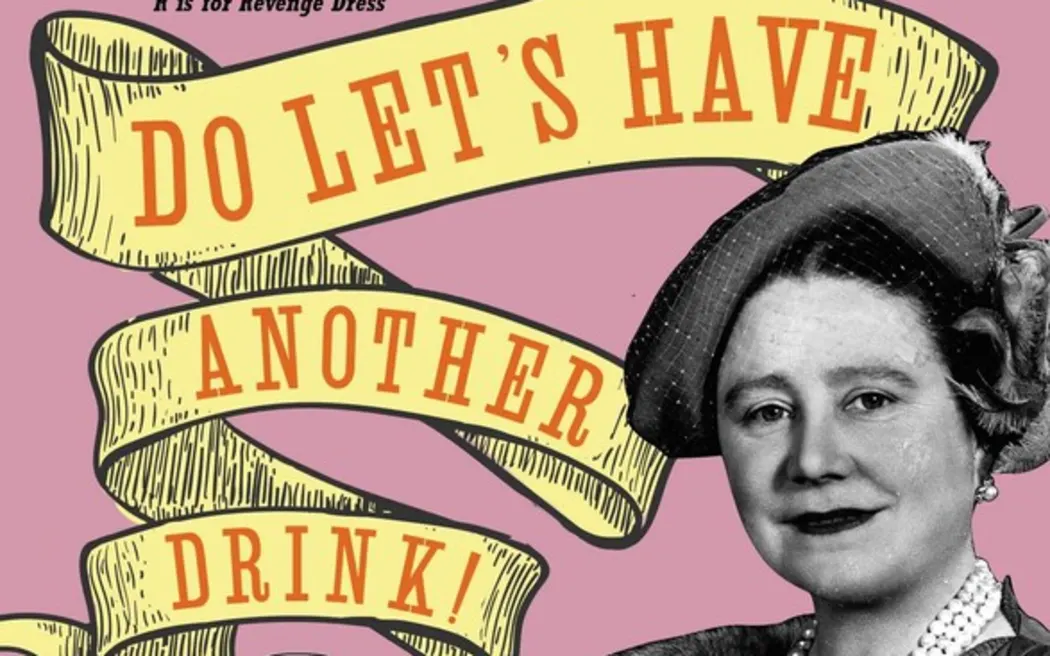
Another time in which the Queen Mother is proven to have some deep and profound emotions is when in the early 1950s - after the horrors of the war and the decline of his health - George VI dies in his sleep from cancer. She stated that someone should always be holding vigil over the body so that he was never alone. She wept. One of the most stable and, dare I use the word, iconic marriages of 20th Century Britain had just come to a close in a sad way. She would outlive him by many decades, but she also needed to compose herself and give her daughter - Queen Elizabeth II, guidance. Gareth Russell presents her mourning period as something akin to Queen Victoria's over Prince Albert. This is something of course, massively emotional to her and yet, many of the politicians were scared the Queen Mother (now a maternal figure of Britain) would retreat into mourning and retirement like Victoria did. I think I felt a little sick at the thought of the politicians telling her to continue public life so soon after her husband died when she was trying to have some quiet time.
Well into her daughter's reign, the Queen Mother finds herself sidelined slightly and being used as a personality rather than a figure. She is often seen as polarising and her relationship with younger daughter, Margaret, is a bit on and off - especially regarding the whole situation to do with Margaret's first love, Peter Townsend. Gareth Russell intersperses these moments with drinking, partying, and notes which include that sometimes the Queen Mother would drink so much that she wouldn't be able to pick up her food with a spoon at dinner events (thus sending peas flying everywhere, much to the giggles of the Princess Margaret).
The writing is both fun and a little dark. There's moments of reality and there's pictures of great happiness. This back-and-forth happens constantly in her life and, from when she has to bury her brother all the way to when she buries her youngest child - Margaret. She reserves herself and learns restraint as her daughter rises to be compared to Queen Victoria and Queen Elizabeth I. A proud woman, the Queen Mother was definitely flawed and nobody is saying otherwise - but she was also a hell of a lot of fun too. Lest we forget it.
About the Creator
Annie Kapur
"Et in Arcadia Ego"
***
I am:
🙋🏽♀️ Annie
📚 Avid Reader
📝 Reviewer and Commentator
🎓 Post-Grad Millennial (M.A)
***
I have:
📖 300K+ reads on Vocal
🦋/X @AnnieWithBooks
📸 ThePrancingPonyBakery
🔗 PrancingPonyBakery.com
***
🏡 UK
Enjoyed the story? Support the Creator.
Subscribe for free to receive all their stories in your feed. You could also become a paid subscriber, letting them know you appreciate their work.
Comments
There are no comments for this story
Be the first to respond and start the conversation.