
Book Review: "Coup de Grâce" by Sofia Ajram
5/5 - what a fantastic horror novel!

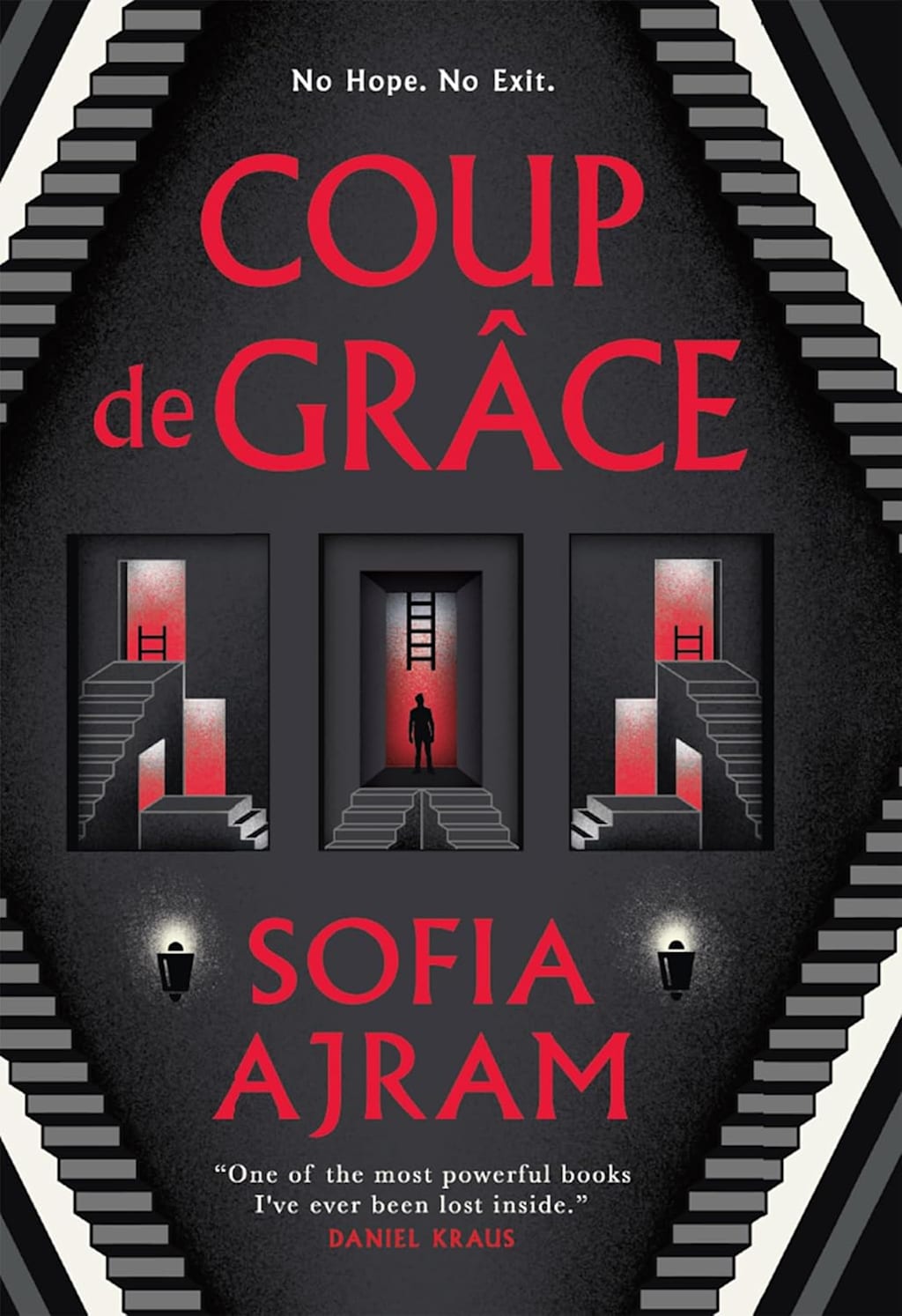
There's something about using the case of Elisa Lam to support your story and no, it's not a Black Mirror episode. Sofia Ajram comments on the modern day in this horrifying stream-of-consciousness novel which feels like a backrooms-esque liminal space version of Mrs Dalloway in its structure and storytelling where we all lose track of time - the protagonist included. And this book might reveal some of our own biggest philosophical insecurities as the narrator, a man, walks us through a suicide attempt gone dystopian. But perhaps this book isn't all just elevator games and urban legends, it is also a ton of lyricism and atmosphere. This has to be one of the best written books of the last few years...
The first thing I want to discuss before I talk about the storyline is the writing. When I say that in order to create the 'horrors' of your horror story you need atmosphere, you need a control of tone and you need some sort of philosophical standpoint whatever that may be - I mean you need it. Sofia Ajram is probably one of the best women since Shirley Jackson to do this in the most nihilistic and dystopian way possible. Her writing almost reminds me of the inner-life of Eleanor Vance from The Haunting of Hill House or the protagonist's mediations of madness in Charlotte Perkins Gilman's The Yellow Wallpaper. I'm not going to lie to you when I say this: I love atmospheric writing where I can get lost in lengthy descriptions and meditations on the past, present and future. If I am going to come from my own personal interests when it comes to writing I would say that Coup de Grâce is the perfect novel for someone like me. Though I understand that other people tend to prefer different things. Though I'd be interested to hear about how horror is created without the elements I had mentioned earlier. I find it a little impossible for me personally.
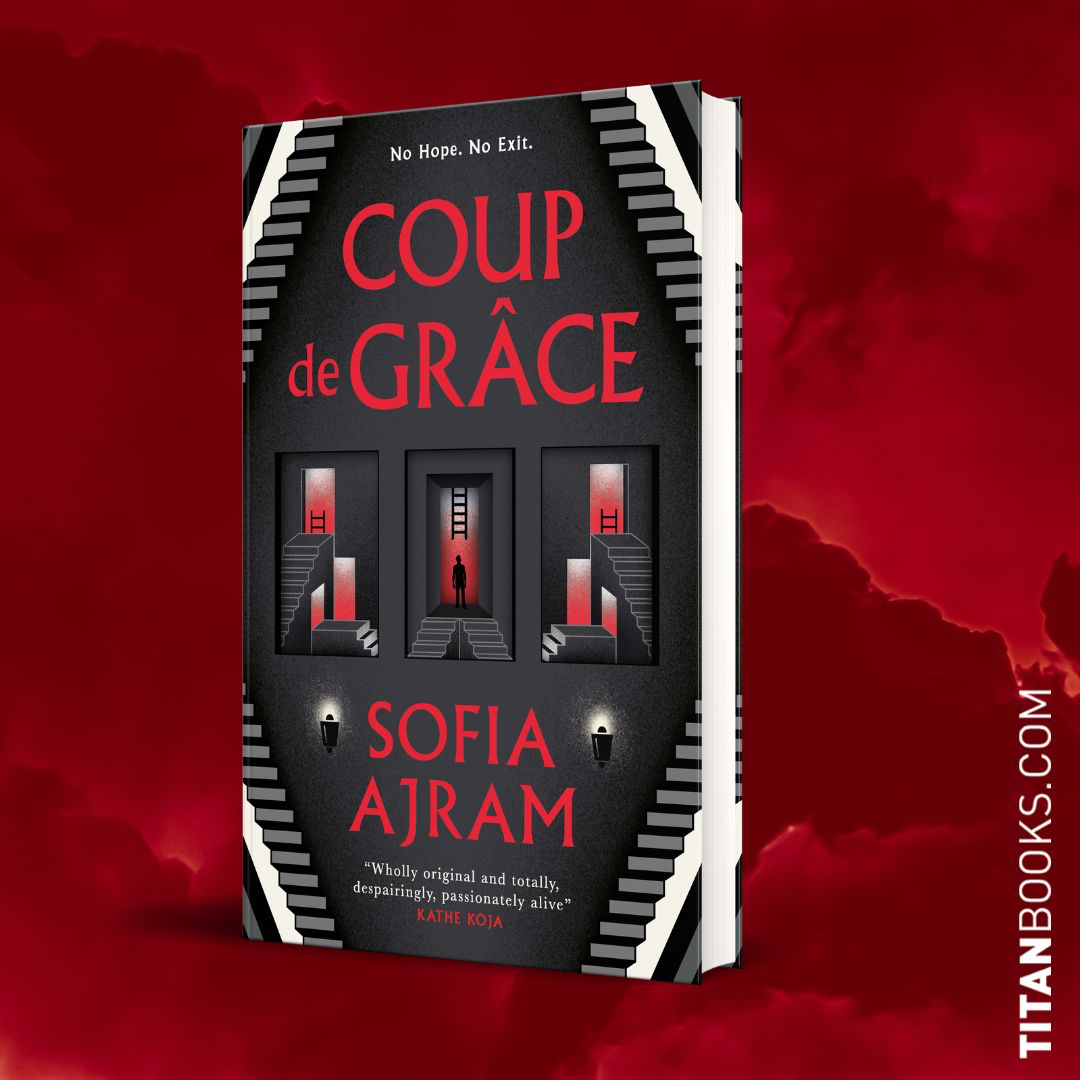
The next thing I want to discuss is the storyline. As I have always maintained, the perfect horror novel has a pretty simplistic storyline. Sofia Ajram's storyline is simple yes, but therefore it can be taken in all kinds of different directions. Again, the perfect horror novel. One man goes to commit suicide at the Montreal Train Station but then he becomes trapped in a liminal space and cannot escape. He is alongside an older woman who seems like a nice character, then is quite a weird character and eventually, there are some similarities between our main character and our back up character. There's something dead simple about this yes, but it allows for expansion. The writer expands on the protagonist's own meditations in his own mind. There's depression and madness, there are flashbacks and regrets, there are even wants for what might happen next and observations on how things could have turned out. It almost feels like someone who is suffering with a deep mental illness and a sickened soul. We feel it radiate throughout the novel because whatever happens next is a result of these meditations. Indirectly, we get to experience the character's reasoning for their decisions. I cannot stress this enough: a simplistic storyline makes for the best horror novels. There are far more places you can take it.
As I have said, the writing is brilliant, the storyline is very clever and the main character is very relatable and such an intense and complete character. It really is a brilliant novel that reads like a classic horror from back in the 1950s or even the turn of the century. There's so much description - I love it.
All in all, I would say that if you love a simplistic horror which comments on many different aspects of the brutality of modern life including the architecture and the dystopian aspects of individualism to the extreme then this book is definitely for you. I adored how much this book involves the different aspects of modern life that make it almost incompatible with the human spirit. The main character seems to embody this beaten down human spirit, one that has been sent to the edge by post-modernism but isn't allowed to escape. He doesn't get that choice.
About the Creator
Annie Kapur
"Et in Arcadia Ego"
***
I am:
🙋🏽♀️ Annie
📚 Avid Reader
📝 Reviewer and Commentator
🎓 Post-Grad Millennial (M.A)
***
I have:
📖 300K+ reads on Vocal
🦋/X @AnnieWithBooks
📸 ThePrancingPonyBakery
🔗 PrancingPonyBakery.com
***
🏡 UK
Enjoyed the story? Support the Creator.
Subscribe for free to receive all their stories in your feed. You could also become a paid subscriber, letting them know you appreciate their work.
Comments
There are no comments for this story
Be the first to respond and start the conversation.