
Book Review: "Bibliotherapy" by Bijal Shah
5/5 - the healing power of reading is very real...
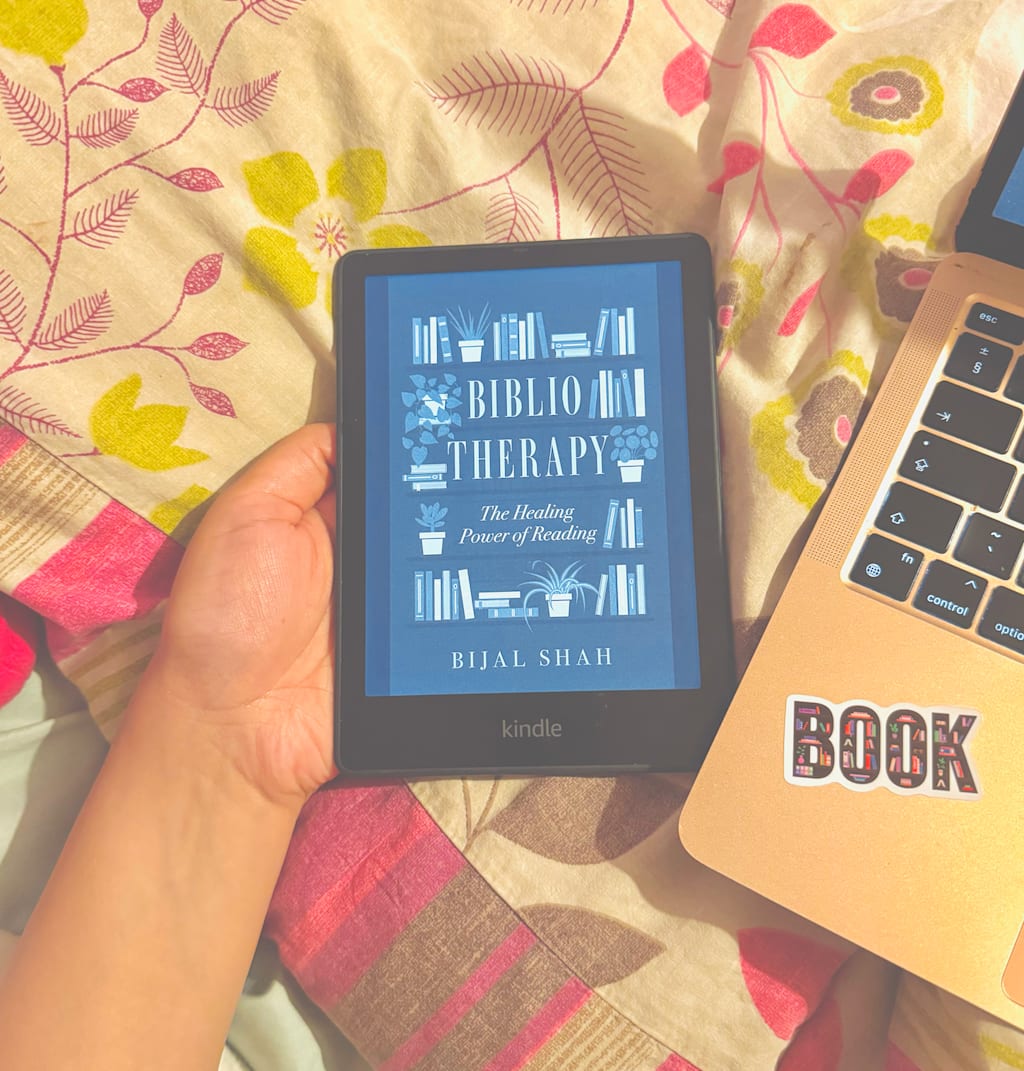
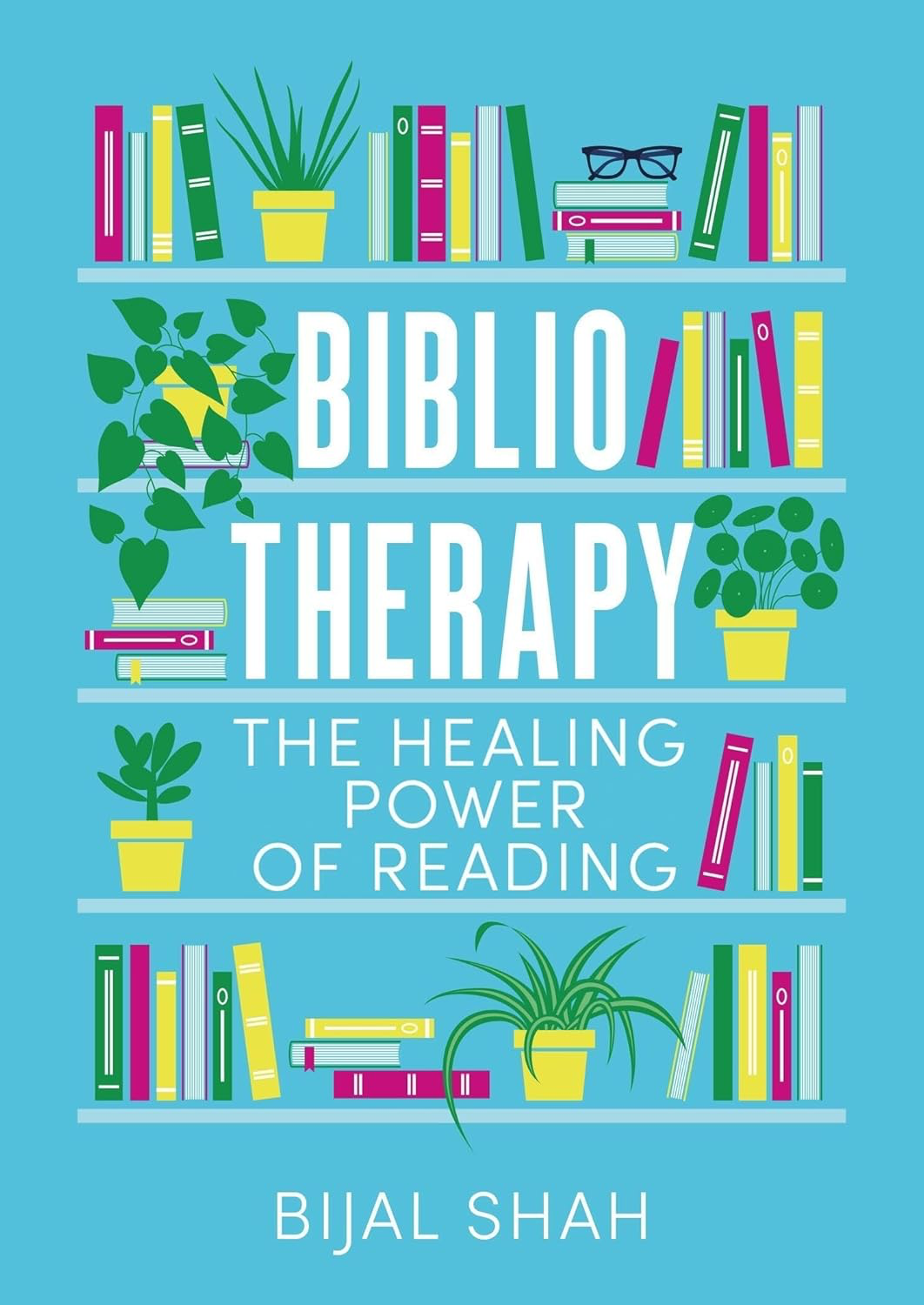
I heard about this book whilst searching for therapeutic reads that could possibly relate to works by Alain de Botton. Bijal Shah writes Bibliotherapy in a deeply comforting way, looking through the different authors and experiences that help with understanding how literature can give us something to cling on to. I definitely agree with this perspective. Literature is the single most comforting thing ever and I have made many friends along the way.
As I have already said, Bijal Shah mentions many different authors especially in the first section of the book and makes the argument that fiction doesn't tend to teach us direct lessons but rather teaches us how to cope with issues that we may confront in the real world. I'm not sure that A Little Life (the book Shah was reading once she had to confront her own trauma) was the best book to read when you were already upset. That book is one depressing read.
It's true that literature can help us with our mental health challenges in ways that perhaps traditional therapy cannot. As I have continuously said, great literature normally has a character we hook ourselves on to. Bijal Shah calls this identification. This is where not only do we like a character, but where we see a part of ourselves within them. We then get that catharsis in which we have a safe space to release emotions and finally, there's the aspects that we can apply to our own lives. I'm not going to lie, but having a personality made out of the books I have read over my lifetime is one of my favourite things about myself. Covering great thinkers and writers such as William Wordsworth is one of the most incredible things about this book - it really shows us that Bijal Shah is dedicated to her ideas and knows what she's talking about. Her knowledge of how fiction allows us to contact our emotional pain through others is part of the immersive nature of her own story.
Book journaling (or literary journaling) is one of the methods the author states is a great idea when it comes to reflecting on our own reading. I (as you can tell) enjoy writing about my own reading and I also enjoy reading about others' reflections on their reading - especially if they are different opinions than my own. The author argues that even though we can read to get the therapeutic benefits of literature, we can also journal about the books we read in order to double that impact. Reflecting on our reading can help us understand not only our own tastes better, but it can also help us understand the parts of ourselves reflected in other characters.
This is also where we get the idea that true bibliotherapy relies on deep and empathetic conversations about literature and the characters, their motivations and personalities. Everyone has their own emotional states and responses towards the literature, whatever it may be. As the primary language of connection, storytelling via literature is something that can be built via childhood and, thus can help children who experience things like trauma cope with difficult emotions. The value of literature in childhood therefore is massive. Children's classics that have only recently stopped being read with the decline of reading such as: Peter Pan, The Wizard of Oz and The Adventures of Huckleberry Finn, can help children not only cope with these emotions, but also teach children empathy for others. Stories like these can help children associate others with themselves and thus, when those children become adults, they are far more likely to be able to rationalise feelings and recognise them.
All in all, I think you can tell I spent a great deal of time just reading this book and going back into various sections and rereading them. Bijal Shah has given us something very special here. It's not only something we get to think about within ourselves but it is also something we can discuss with others: what does reading actually do for you? For me, it has always helped me escape into the other worlds, where fears lurk and haunt, where adventures happen and most importantly of all, where a possible new friend may await me.
About the Creator
Annie Kapur
"Et in Arcadia Ego"
***
I am:
🙋🏽♀️ Annie
📚 Avid Reader
📝 Reviewer and Commentator
🎓 Post-Grad Millennial (M.A)
***
I have:
📖 300K+ reads on Vocal
🫶🏼 Love for reading & research
🦋/X @AnnieWithBooks
***
🏡 UK
Enjoyed the story? Support the Creator.
Subscribe for free to receive all their stories in your feed. You could also become a paid subscriber, letting them know you appreciate their work.
Comments
There are no comments for this story
Be the first to respond and start the conversation.