
Book Review: "A Hidden History of the Tower of London" by John Paul Davis (Pt. 6)
Chapter 17 to the End of the Book

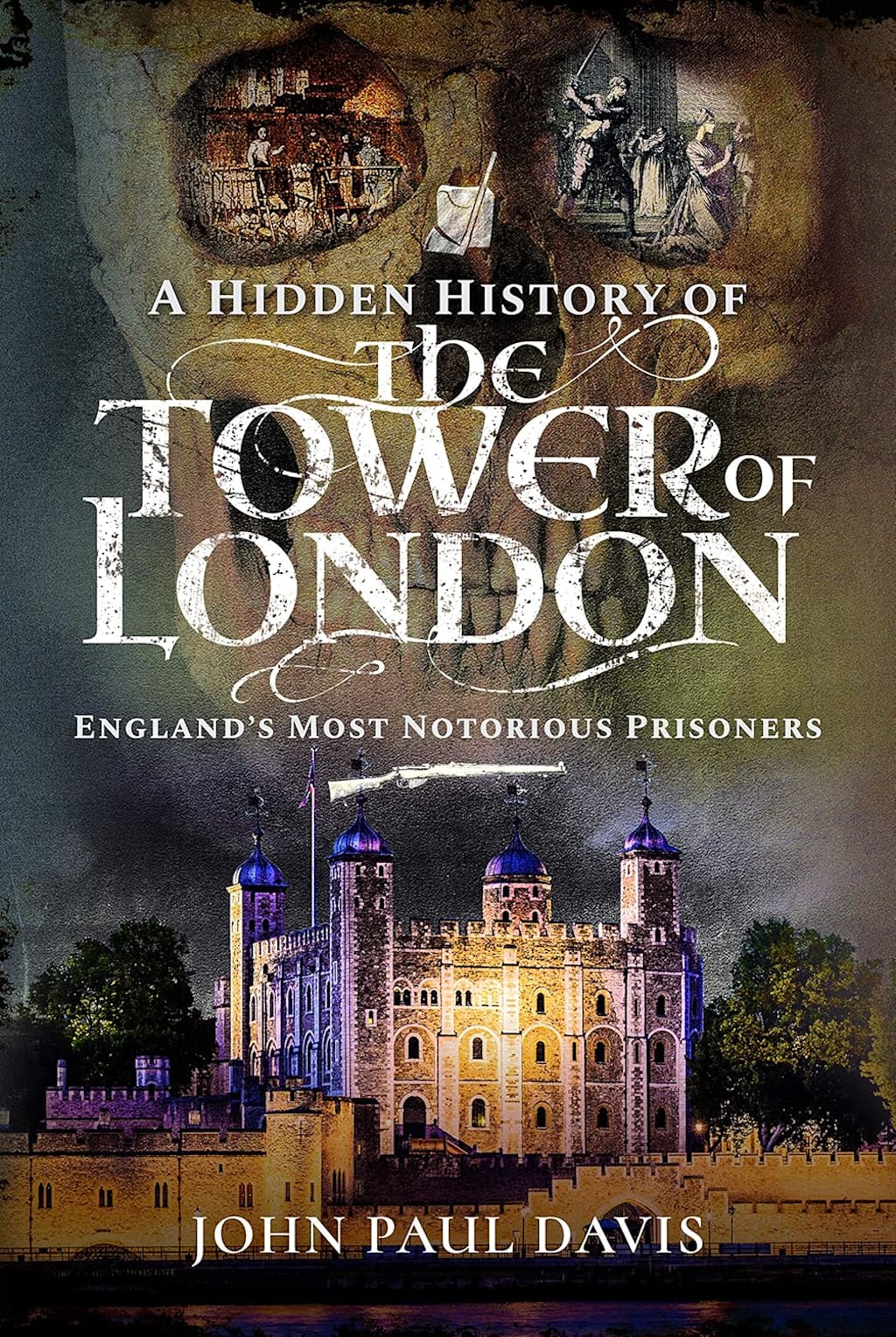
And so, we meet the road to the end of the book with today's entry. We begin by also seeing the end of what the author calls "The Golden Age" of Britain. We are constantly hinted at that the execution of Sir Walter Raleigh will take place and though it does take some time, the man himself declining with age naturally so that it probably would have been less controversial to let him die, it was still carried out in the appropriate fashion befitting a death sentence. The author goes on to state though, that this one was far different to the others. There was, in fact no celebration once Raleigh's head was removed but a solemn silence. The shift in atmosphere from something more spectacle to a darkness more fitting of a cortege means that we as readers are too, about to see a shift in the sphere of execution. The randomness of the trigger happy monarchs would come to reflect their characters in ways more than one.
James I would prefer to watch the animals of the menagerie fight each other than do anything else in the Tower - something that not only sounds odd to us today, but would have still been considered rather sadistic at the time. When James died and Charles took the throne, the author likes to remind us how unprepared he was since he was the spare - the Prince of Wales having since passed away. Puritans started to move in the area, and their dislike for Charles and the Duke of Buckingham, George Villiers (if you remember my review of Lucy Hallett-Huges' The Scapegoat, you will remember that George Villiers is the subject of the book) was palpable. As friction increased, the inevitable road to war began with the assassination of George Villiers.
William Laud, the Archbishop of Canterbury at the time, would heed this call to war and would remind people during the 1630s of the oncoming madness. It was here that in 1640, the author states that Laud found himself in the Tower of London. The way in which the author writes Laud's story shows us not only that war is on the horizon but that England is far from a state that is in religious harmony though it liked to think that it was. Puritans were forced overseas, but some remained - strong ones with power and connections. William Laud was executed in 1645, but he wasn't wrong about the war. However, he was wrong about which side he chose to be on in the end.
The author goes on a side-story about the Earl Middleton and explains a rather strange story which persists to this day with (or rather without) much backing (mostly hearsay, no real documentation). The Earl Middleton, imprisoned in the Tower, awoke one night to see the ghost of his friend standing in front of him. The ghost of his friend told him that he would escape some few days after the visitation and then disappeared. Strangely enough, that is exactly what happened. I find this story hard to believe and like the amount of people who used bedsheets and ropes from wine baskets to make their escape from the Tower, this is possibly a piece of mythology surviving from a tall tale. Though, it is still fun to read on.
After the brutality of the Puritains to basically ban anything even remotely stimulating or fun, there was a seeming round-up of the conspirators. John Downes was an unlucky man who found himself in the Tower. The author does a good job of making us believe that he is to be sent to the chopping block but, after a long and tense time, confirms his death sentence was commuted to life imprisonment. You could say this is better than the death sentence if you had not seen the inside of the Tower of London. I'm not sure which one I would like more. At least, if I were in that position, I would like to die within the walls quickly.
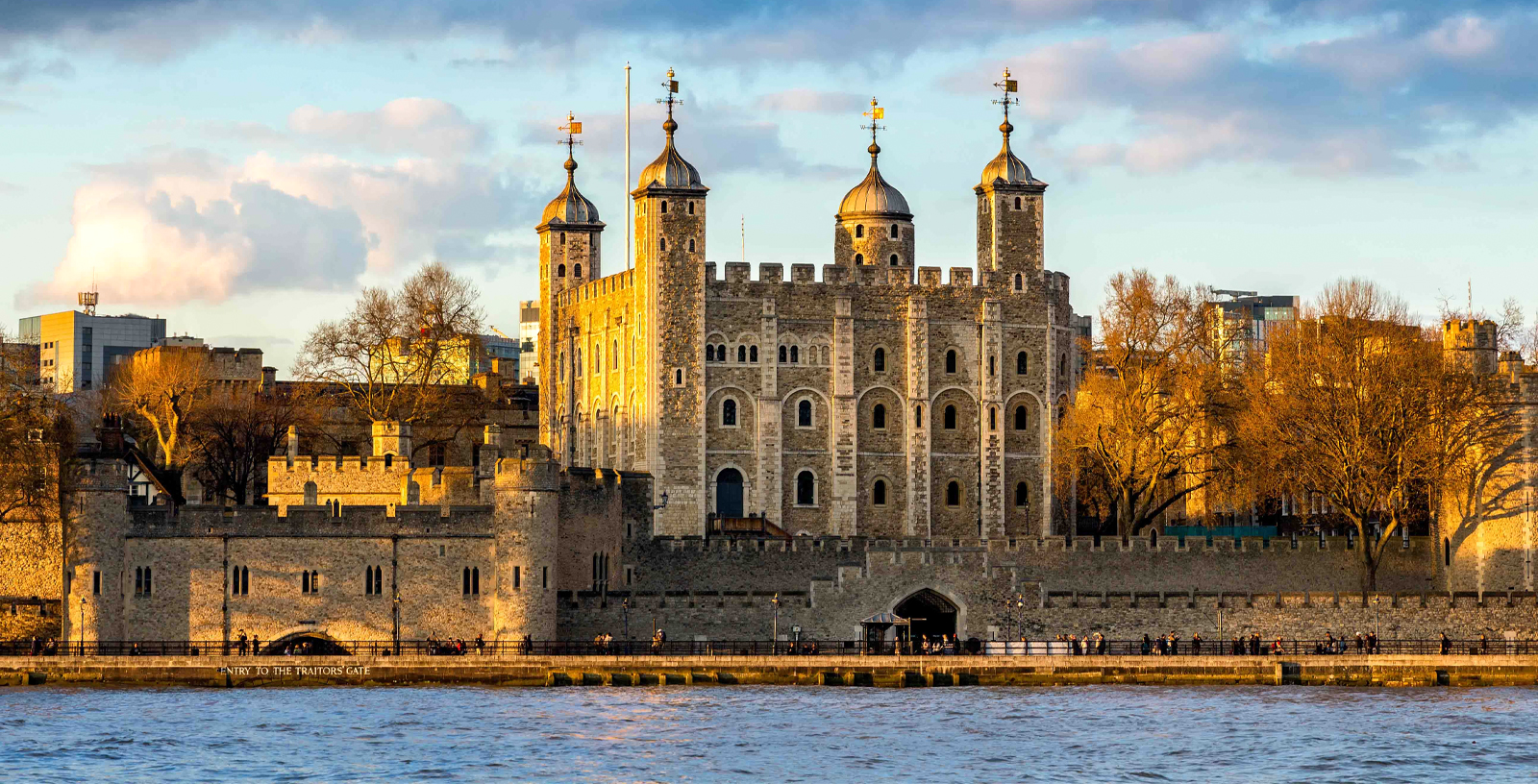
Well we can forget about the Protestants and the Catholics for now because the author states that the Quakers enter the scene and, with their new-found faith were not well-liked among any of the other major factions of Christianity currently existing in England. William Penn was a man of the Tower who was eventually allowed to leave because of his wealthy relatives doing some much needed lobbying for his release. The author tells his aftermath of going to America to become the namesake of Pennsylvania. I think this is a nice ending to a story about Quakerism becoming hated in England, at least he found somewhere that was home. England though, was not doing well and something else was about to take place that would alter things a bit.
Charles II ordered the Tower to be cleaned of rubble and older parts of it destroyed and rebuilt. This is not a restoration per se but then again, it is because of course everything is a restoration in the days of Charles II. This is where a chest was taken out from exactly where documentation states the Princes in the Tower were buried and two skeletons of children were found inside. Though they were quickly ransacked by people who kept souvenirs, the remaining bones and ashes were given a proper burial by Charles II, befitting royalty.
The attempt to depose James II in the Monmouth Rebellion may have failed but it produced a lot of new tenants for the prisons of the Tower, including the "alcoholic" (as the author puts it) Judge Jeffries. He was found by a mob who attempted to attack and kill him and at his own behest, he was taken to the 'safety' of the Tower where he'd die of kidney disease. You have to be in a lot of trouble for the Tower of London to be a safe haven for you from an angry mob. The author writes this as a bit of irony on the judge's part as once in the Tower (as he was going there anyway) he would not be let out and thus, lived in complete misery but also because of the constant heckling - he was unable to go outside either.
William Maxwell's time in the Tower is taught to us as not only was he arrested and granted a stay of execution, his wife concocted a plan to free him after her requests of the commons to release him fell on deaf ears. The author's writing again turns from political chess game to historical thriller as we get the changing of clothes, disguises and people going in and out of prison cells in the dead of night - a tense atmosphere yes, that we think he may not make it. But of course, he did. His wife had helped him to escape from the Tower of London.
The Atterbury Plot saw more people imprisoned yes, but Britain was changing and less and less people were being executed. The last man to put his neck on the chopping block as a noble would be Simon Fraser - who helped the Pretender, the Bonnie Prince Charlie, escape almost certain capture. As the Tower of London became less and less of a prison, we hit the Victorian era with it almost being opened to the public and then, being fully opened to the public. The author's ending to this story is one to be admired - a place of history, blood on its walls, names carved into clay and stone, prayers said by hands pleading on the bricks at night. It is a haunting image.
No wonder it is always so cold yet beautiful in there.
About the Creator
Annie Kapur
"Et in Arcadia Ego"
***
I am:
🙋🏽♀️ Annie
📚 Avid Reader
📝 Reviewer and Commentator
🎓 Post-Grad Millennial (M.A)
***
I have:
📖 300K+ reads on Vocal
🦋/X @AnnieWithBooks
📸 ThePrancingPonyBakery
🔗 PrancingPonyBakery.com
***
🏡 UK
Enjoyed the story? Support the Creator.
Subscribe for free to receive all their stories in your feed. You could also become a paid subscriber, letting them know you appreciate their work.
Comments
There are no comments for this story
Be the first to respond and start the conversation.