
Book Review: "A Hidden History of the Tower of London" by John Paul Davis (Pt. 5)
Chapter 14 to Chapter 16

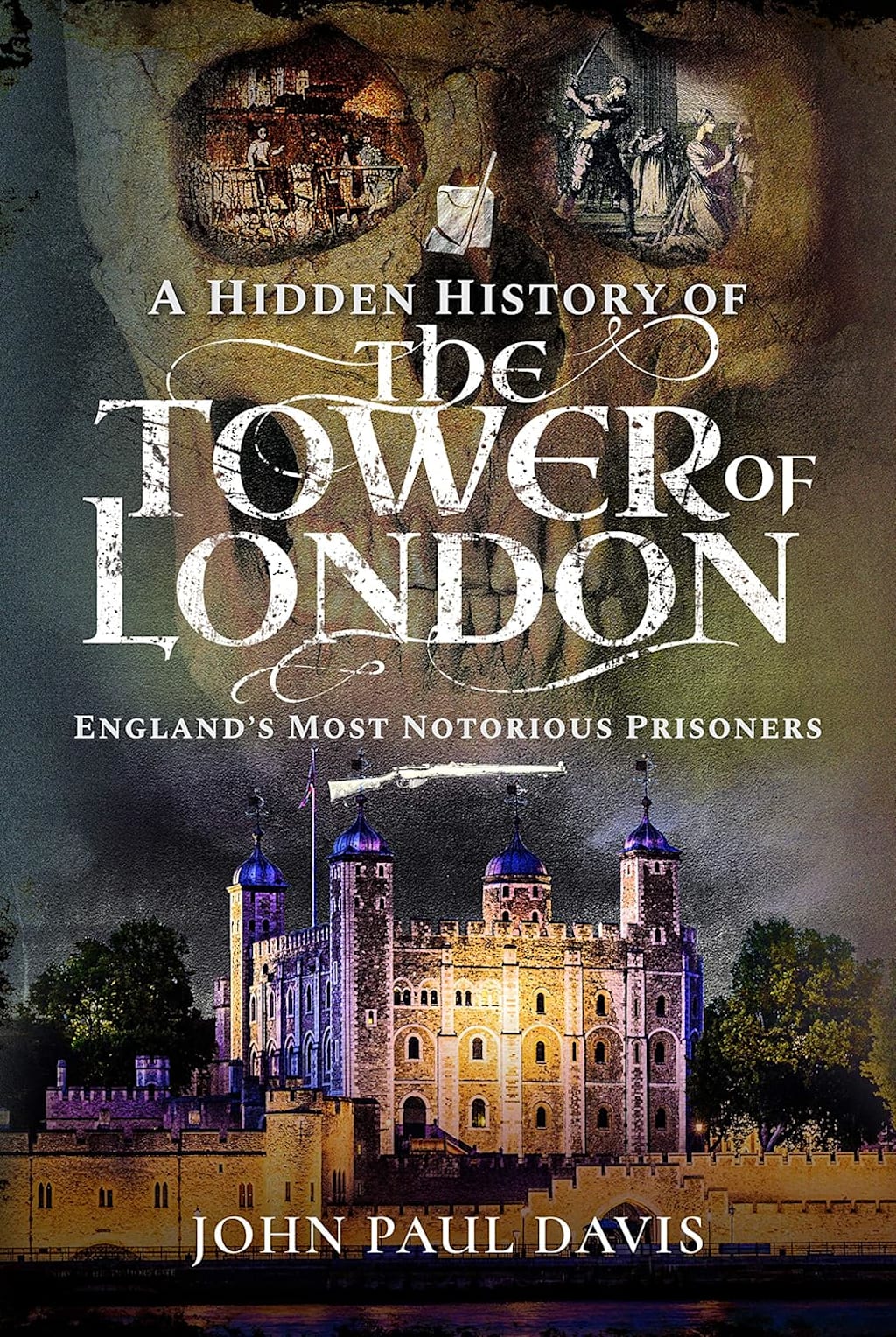
It is strange that the author all at once states that Elizabeth I both focused on tolerance and yet, locked more Catholics in the Tower. Catholic panic was back in swing as were the opportunities to remove Gloriana from the throne and install Mary, Queen of Scots - a Catholic. The Catholic and Protestant whinging grows louder amongst those who start the scheming and planning - you can only guess where they end up? Of course, this book is about the Tower of London! And so, executions must go ahead and there was definitely no shortage of them.
Katherine Grey was imprisoned in the Tower during Elizabeth's reign for (and I shit you not) 'getting married without the Queen's permission to a man not permitted by the Queen'. If we are being realistic here, we can clearly see that her husband, one Ned Seymour, was the eldest son of the ill-fated Duke of Somerset (once in charge of the young boy king Edward VI before being told he would await execution) which definitely meant trouble was brewing (or was it?). Paranoia definitely runs in the family when it comes to the Tudors and it definitely seems like the author is making out that though Elizabeth had the 'heart of a king' she definitely had the paranoia of her father. Katherine was imprisoned in the same cell which Elizabeth herself was imprisoned in during the Wyatt Rebellion under Mary I and was forbidden from reuniting with her husband.

Katherine represents a common theme during the time of Queen Elizabeth I. Though she was no executed (granted a stay of house arrest due to the outbreak of the plague - it would not be in her position or standing to stay in a dank prison cell during this time), she was not permitted to reunite with her husband at all - even post-release. Queen Elizabeth I would commonly imprison people of rank and standing for marrying without her consent, marrying people she did not like and having love affairs across the court (though her questionable relations in prison with Robert Dudley would become something of legend).
The other thing that would get them imprisoned is plotting. It's always plotting. Plotting against the monarch is of course, treason. But a Catholic plotting against the Protestant Queen was even greater treason and so, prison, torture and execution was usually on the menu during this time. Unfortunately, Sir Walter Raleigh found himself in a precocious position in the court - only to be accused of this himself. The author definitely makes Raleigh out to be an opportunist but then again, balances him out with the effect of being human. This is one thing that remains constant throughout: as long as the person in question didn't actually succeed - they are still considered a human being, which imbues the reader with a bit of pity for the back and forth endured by the prisoner (an emotion rightly not reserved for the conspirators including Guy Fawkes later on in the text).
Raleigh is described as living in general comfort in the prison with his wife and children. He is said to have been released only to be rearrested under the charge of King James and again, in prison he wrote books and studied a lot. Unfortunately under King James, Raleigh would also be beheaded after it was found out he was part of a conspiracy to overthrow the monarchy. This of course brings us on to the big one that everyone knows about: The Gunpowder Plot.
The author goes into a lot of political detail, which of course is often missed out in favour of the intrigue and religious motivations of the story. We have complete moments involving some of the conspirators who are not actually Guy Fawkes (we need to remember that there was approximately thirteen of them, not just one). And as we get closer to the story of the day it took place, we are met with the familiar gaze of the man who said he was watching something in the cellars for the King had told him to. This resulted in him being moved out of the way and the men discovered the gunpowder beneath. Alerting those above the cellar was easy but what I didn't realise is that there was a breadth of lying involved beforehand in order to get in to the cellar and get access to the King. But, after the arrest it all seemed to crumble. The men admitted at once that their intention was to blow up Parliament with the King inside and kill him. I honestly can't believe that they bothered to lie in the first place, but some were eventually tortured and of course, Guy Fawkes was hanged, drawn and quartered.
In this section, the Tower of London serves as a reminder to us what religious freedom truly looked like in the era of Elizabeth I. It was not the utopia we like to think it was even though, she remains Gloriana - the greatest queen in English history until her namesake the second takes the throne. Religious freedom only exists if one remains entirely a pacifist (but more than a pacifist as in some cases your rights may be taken from you). Dare to have a voice with the incorrect religion and be doomed to the Tower and the chopping block.
About the Creator
Annie Kapur
"Et in Arcadia Ego"
***
I am:
🙋🏽♀️ Annie
📚 Avid Reader
📝 Reviewer and Commentator
🎓 Post-Grad Millennial (M.A)
***
I have:
📖 300K+ reads on Vocal
🦋/X @AnnieWithBooks
📸 ThePrancingPonyBakery
🔗 PrancingPonyBakery.com
***
🏡 UK
Enjoyed the story? Support the Creator.
Subscribe for free to receive all their stories in your feed. You could also become a paid subscriber, letting them know you appreciate their work.
Comments
There are no comments for this story
Be the first to respond and start the conversation.