
The 24-Hour GTA 6 PC Port Is a Warning Shot, Not a Product
The 24-Hour GTA 6 PC Port Is a Warning Shot, Not a Product
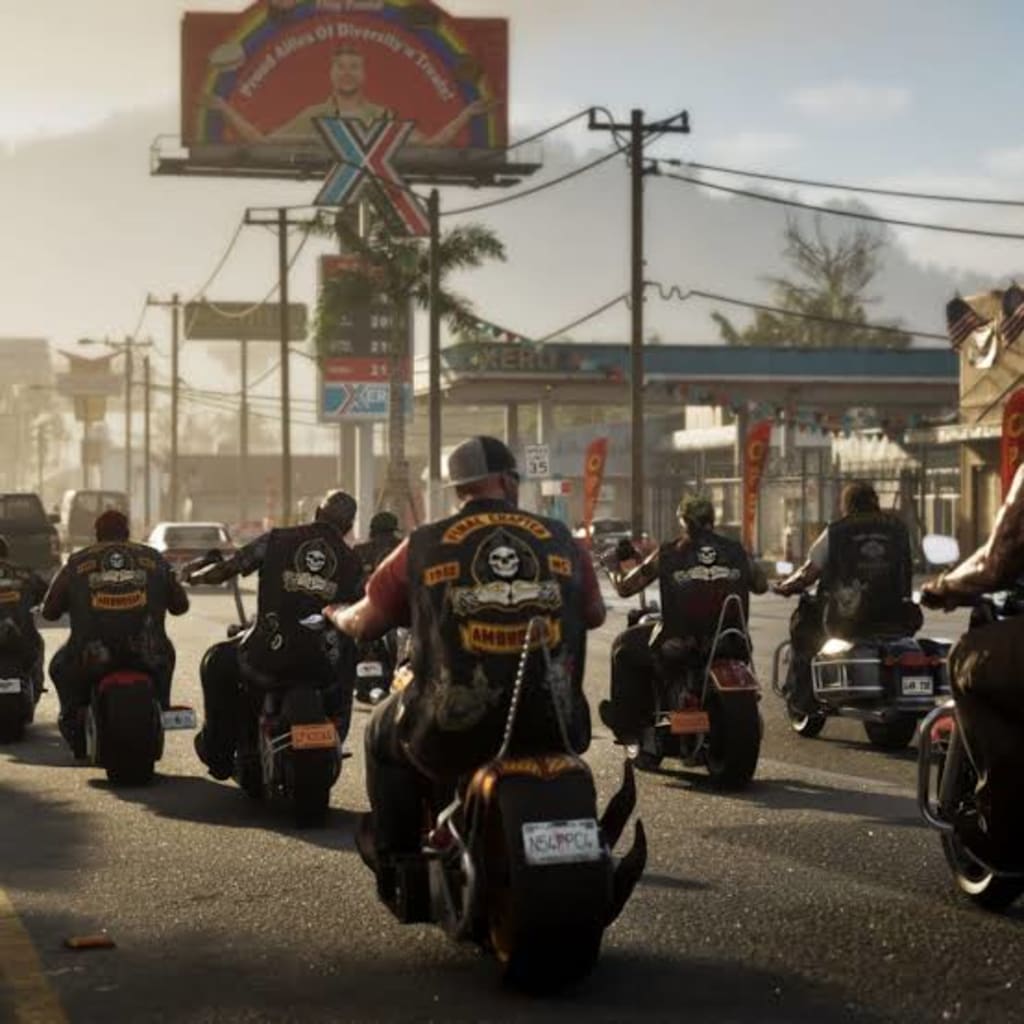
On the night of November 23, a file named game_scarlett_master.exe started moving through Discord servers and GitHub mirrors. It was roughly 114 MB. According to the circulating reports, the hacker group CyberLeek had already dumped a 209 GB Xbox build of GTA 6 on November 20 but held back the main executable. The release came with a familiar speech about fighting anti-consumer tactics. The file itself did the talking. Within three hours, Windows users had reached the settings screen. Within twelve hours, several projects had menus running at 30 frames per second. Within twenty-four hours, at least one build could move a character, trigger a dialogue with an NPC, and open an in-game menu at about 4 FPS.
That timeline is the story. The legal fight is the noise around it.
The community scoreboard moved fast. Reports put the count at thirty unofficial projects, with six managing to boot the game. The top three averaged 67.2 percent progress. The leader reached 72 percent and crossed into playable territory, then chose to keep its code closed. That build reportedly stitches together a runtime environment from the second-place project, VIctory, with pieces from the third-place project, XCL. The demo shows the opening scene: a car, a street, a prison yard. It also shows black screens during movement, weak lighting, and a frame rate low enough to make a character walk like a slideshow. Nobody outside the project can test the code or reproduce the result.
VIctory is the more interesting public effort. Developer Marvis wrote a compatibility layer in Rust that runs game code natively, with GTA 6 as the target. The repository has about 9,800 stars, 1,400 forks, and more than 100 commits in seven days. It can run the startup screen, the opening animation, the main menu, and save functions at 30 FPS. Loading into the world takes about fifty seconds. It renders some lighting and the first mission title card, and the first cutscene has audio. Most of the world is still missing. A single frame can take several seconds to render, and a discrete graphics card can lock up. The build has only been shown on one AMD RX 6700 XT machine. No independent reproduction has been confirmed.
XCL takes a different route. It is a general Xbox Series compatibility layer in the spirit of Wine, with about 7,100 stars. It has already run Minecraft Preview and Unicorn Overlord, so GTA 6 is a stress test rather than a single-purpose hack. Its loader and system libraries are around 90 percent complete, shader translation around 90 percent, and the graphics layer around 85 percent. The main menu holds 30 FPS. The opening plays, and the world loads. Multiple testers show the game running in the background with NPCs and vehicles spawned. The screen still sticks on a loading spinner. On both AMD and Nvidia cards, the game hits its own GPU watchdog after three to fourteen minutes and closes. Pipeline construction cannot keep up during world loading, and BCPack compressed textures remain undecoded.
The shader work is the part that explains why this happened now. XCL reportedly translated all 26,698 RDNA2 programs in the GTA 6 shader package into HLSL and compiled them into DXIL. That is thousands of small, repetitive, error-prone tasks. A human team can do it. A human team cannot do it in a weekend. AI coding tools can generate stubs, translate shader code, read crash logs, and propose compatibility fixes at a pace that changes the shape of the race. The work still needs human judgment. The AI does not understand the game. It does understand the dull middle of reverse engineering, which is where months usually disappear.
Project Leonida was the first name many people saw. It reached about 33,000 GitHub stars in three days. It booted the game on PC in roughly three hours, then hit black screens and audio cuts. Rockstar and Take-Two moved in. Discord servers and GitHub repositories disappeared. Leonida’s creator, NotRexed, posted that he was leaving. He said he was fifteen, that school and sports were already hard, and that he did not want to spend his nights being yelled at by grown men on Discord. A project called LeonidaReforge has since announced that it will continue the work, while stating that no playable version exists yet. Forks and mirrors keep spreading. A takedown can remove a hub. It cannot remove every copy.
So will the unofficial PC build arrive before Rockstar’s official PC version? In the narrow sense of “boot the game and move a character,” the answer is probably yes. The community has already done that. In the sense of a stable, supported, visually coherent product with online services, the answer is no. The remaining blockers are not small. BCPack texture decoding, the GPU watchdog, memory management, shader coverage, driver behavior across AMD and Nvidia cards, and the endless QA work that turns a demo into something people can play for hours all sit ahead. Rockstar’s own PC release has followed a familiar pattern: console first, PC later, often a year or more. That calendar is now under pressure, but the quality gap remains wide.
The industry lesson is not that piracy is good. Leaked code is stolen code, and the legal status is clear. The lesson is that AI has cut the cost of the boring parts of reverse engineering. A timed console exclusive used to rest on a high wall of time and technical control. That wall is shorter now. A fifteen-year-old with a laptop can rally thousands of people. A scattered group of developers can turn a leaked executable into a moving character in a day. Legal teams can still remove repositories and servers. They cannot remove the knowledge that the wall can be climbed.
The loading spinner is still there. The fork button still works. The takedown notice still lands. The calendar is now the battleground.
About the Creator
Jin
Writer of reamstories
https://reamstories.com/jin
Enjoyed the story? Support the Creator.
Subscribe for free to receive all their stories in your feed. You could also become a paid subscriber, letting them know you appreciate their work.
Comments
There are no comments for this story
Be the first to respond and start the conversation.