
Remember: Before Stardew Valley, There Was Harvest Moon
How a pioneering franchise helped define an entire genre, lost its name, and became overshadowed by the very games it inspired.

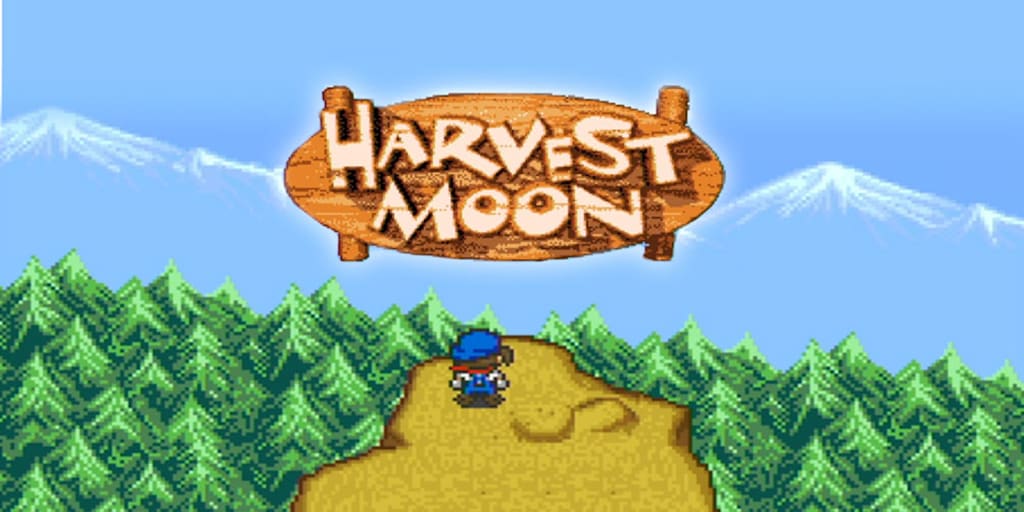
It may come as a shock to some, but farming simulators didn't begin in 2016. They've actually been around since the '90s, and long before Stardew Valley became the standard against which practically every new farming game is measured, there was Harvest Moon. Don't get me wrong, I've put my fair share of hours into Pelican Town. But judging by the way modern gaming articles discuss the genre, you'd think Stardew Valley was the first game to let players grow crops, raise livestock, and romance the locals, rather than building upon a formula that had already existed for decades.
It's become almost impossible to read about a new farming simulator without seeing some variation of the same comparison. A game with crops, seasons, and romance? It's the next Stardew Valley. A charming little town where you can fish, mine, and befriend the residents? Stardew Valley meets something else. From a marketing standpoint, it makes sense. Stardew Valley is incredibly popular, and comparisons to a recognizable game attract attention. But when those comparisons become the default way of discussing an entire genre, an important piece of gaming history starts getting lost.
In large part, that history belongs to Harvest Moon, a franchise that helped establish the very foundations of what we now recognize as the farming-life simulator. Its influence on Stardew Valley is undeniable, something the game's own creator, Eric Barone, better known online as ConcernedApe, has even openly acknowledged.
So how did one of the genre's most influential franchises become something of an afterthought? The answer involves changing audiences, an extraordinarily successful indie game, and a rather unfortunate branding dispute that left the original Harvest Moon series operating under an entirely different name.
Before Pelican Town, There Was Mineral Town
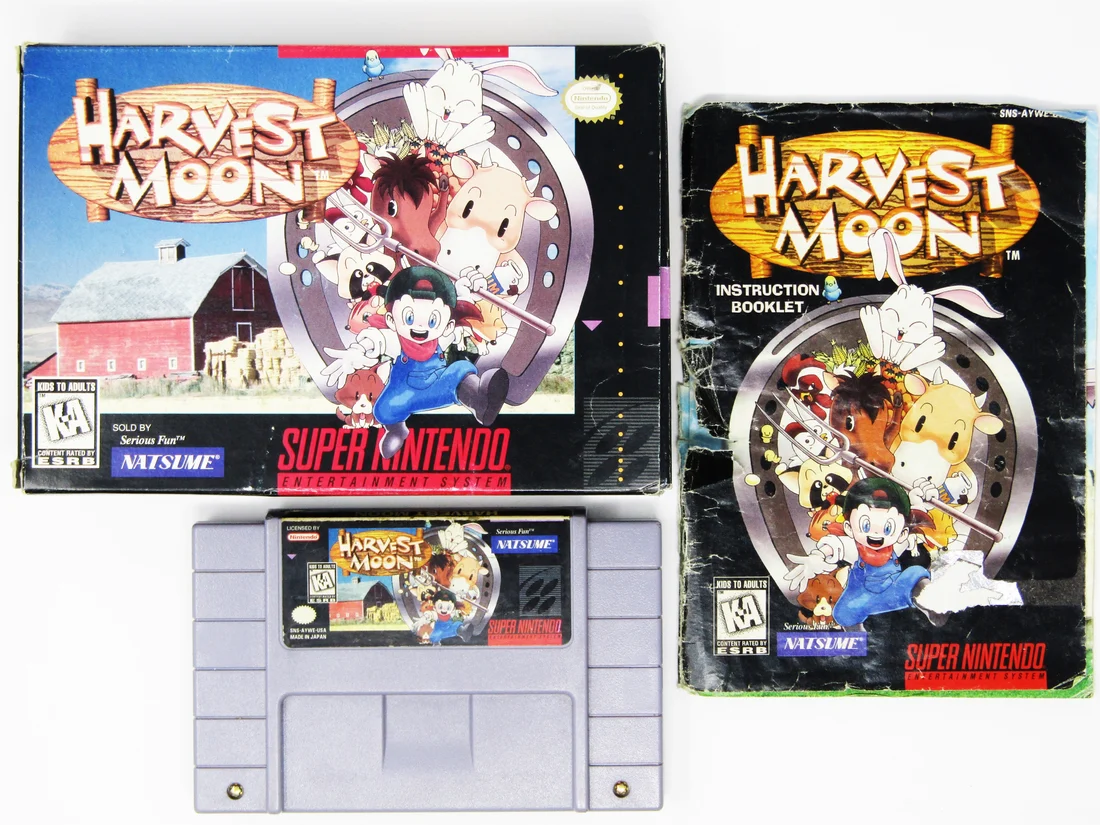
The original Harvest Moon, known in Japan as Bokujō Monogatari (which literally translates to "Ranch Story" or "Farm Story" in Japanese) was released for the Super Nintendo in 1996, with a North American release following in 1997. Developed by Amccus and conceived by Yasuhiro Wada, it offered something rather different from the action-heavy games that dominated much of the industry at the time. Instead of saving a princess or battling monsters, players inherited a neglected farm and were tasked with restoring it.
It's important to mention agricultural simulation games existed even before Harvest Moon, including Maxis's SimFarm in 1993, but Wada's creation pioneered something different. It combined farming with the experience of living in a rural community, allowing players to cultivate crops, raise animals, develop relationships, and experience the passage of time through changing seasons. Farming wasn't simply about managing a business. It was an entire virtual life.
As the franchise evolved, titles such as Harvest Moon 64, Harvest Moon: Back to Nature, Harvest Moon: Friends of Mineral Town, and Harvest Moon: A Wonderful Life expanded upon that formula, adding new features with each one. Seasonal festivals, marriage candidates, farm upgrades, managing friendships, collecting recipes, and the daily struggle to accomplish everything before bedtime became defining features of the series over the years. Players developed favourite villagers and occasionally spent a questionable amount of time trying to win someone's affection with gifts.
These games helped establish the formula that so many modern farming simulators still follow to this day. Long before "cozy gaming" became an entire marketing category, Harvest Moon was already demonstrating the appeal of slower-paced gameplay built around everyday life and relationships.
Stardew Valley Didn't Invent the Formula. It Refined It.
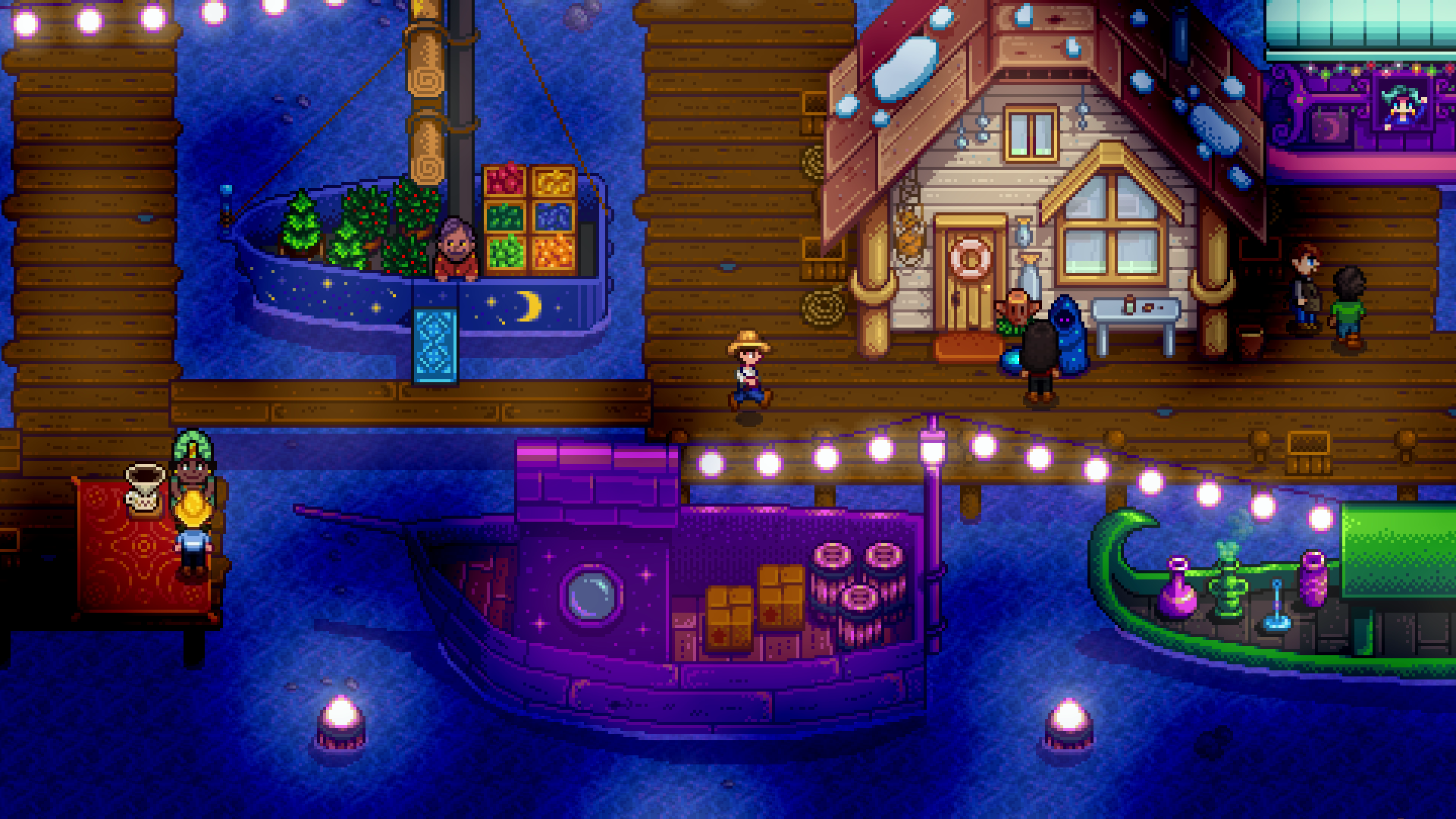
None of this is meant to diminish Stardew Valley, which deserves the enormous success it has received. Barone truly accomplished something remarkable, spending approximately four and a half years developing the game entirely on his own, handling everything from programming and artwork to writing and music. When it launched on PC in February 2016, it offered a content-rich farming experience at a time when comparable games were relatively scarce on the platform.
However, Barone's inspiration was never a secret. In a 2016 interview with PC Gamer, he described himself as a huge Harvest Moon fan, having spent countless hours playing the series growing up. He explained that his love for the franchise, combined with his desire to improve his programming skills, led him to begin developing what was originally intended to be a Harvest Moon clone. Over time, that project evolved into something far more ambitious, eventually becoming the Stardew Valley we know today.
That's an important distinction. Stardew Valley didn't simply happen to resemble Harvest Moon through some remarkable coincidence. Its creator was a big fan of the franchise and deliberately set out to build upon its formula. The similarities are immediately recognizable: inheriting a neglected farm, growing seasonal crops, raising livestock, befriending villagers, pursuing romance, and participating in community events.
Where Stardew Valley distinguishes itself is in how extensively it develops those mechanics. Its crafting, exploration, combat, customization, and eventual multiplayer functionality helped create an experience that felt familiar while offering plenty of its own innovations. It also made the genre accessible to an enormous PC audience, introducing countless players to a style of gameplay they might never have experienced otherwise.
Interestingly, Barone and Wada even met in 2016 to discuss their respective games. There's something fitting about the creator of Harvest Moon meeting the developer whose game would help introduce its formula to a new generation. Stardew Valley may not have invented farming-life simulators, but it did refine, expand, and popularize a formula that had existed for approximately twenty years before its release, and acknowledging that history doesn't make Stardew Valley any less impressive.
When Every Farming Simulator Became the Next Stardew Valley
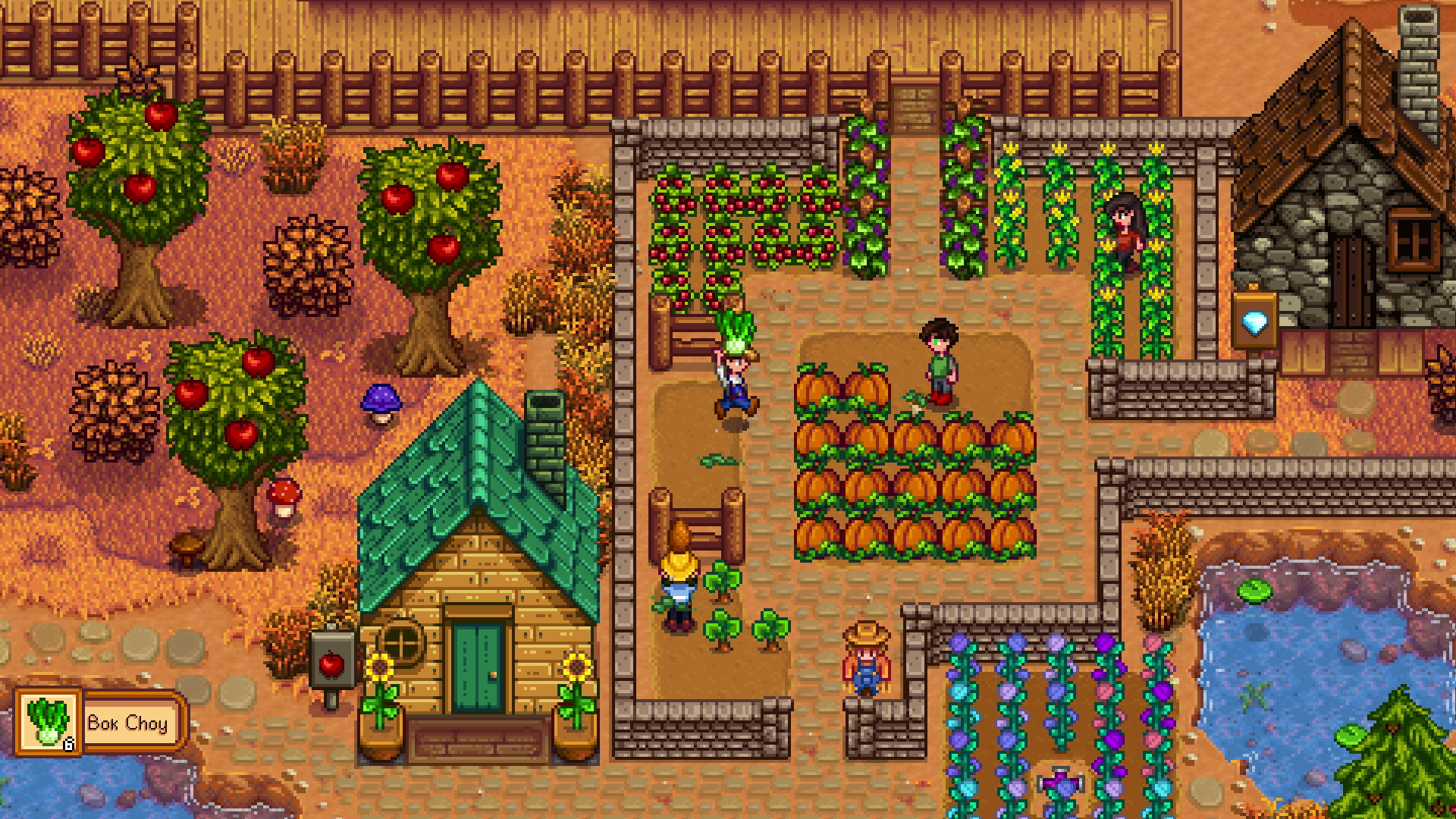
It's understandable that Stardew Valley became such a dominant reference point. Its commercial success demonstrated the enormous potential of farming simulators, particularly on PC, while introducing the genre to a new generation of gamers and inspiring independent developers. The problem isn't that modern titles are compared to Stardew Valley, as many genuinely take inspiration from it, just as it took inspiration from Harvest Moon. The problem is that the genre's history can become distorted when practically every familiar mechanic is attributed to the most successful modern example.
When articles describe a game's farming, romance, seasons, or small-town relationships as being reminiscent of Stardew Valley, they're often describing systems that Harvest Moon had already been developing for decades. Those comparisons aren't necessarily inaccurate, but they're incomplete. Two games can resemble one another because they belong to an established genre, not because one directly copied the other.
In most other areas of gaming, we make an effort to distinguish between the titles that established a formula and those that subsequently popularized it. Nobody seriously suggests modern platformers appeared without the influence of Super Mario Bros., yet mention a farming simulator today and you'd think nobody had ever picked up a watering can before Stardew Valley.
Unfortunately, another factor may have contributed to Harvest Moon losing its place in the wider conversation. Right around the time farming simulators were experiencing renewed mainstream popularity, the original franchise was undergoing one of the most confusing branding changes in gaming.
Harvest Moon Didn't Disappear. It Just Had an Identity Crisis.
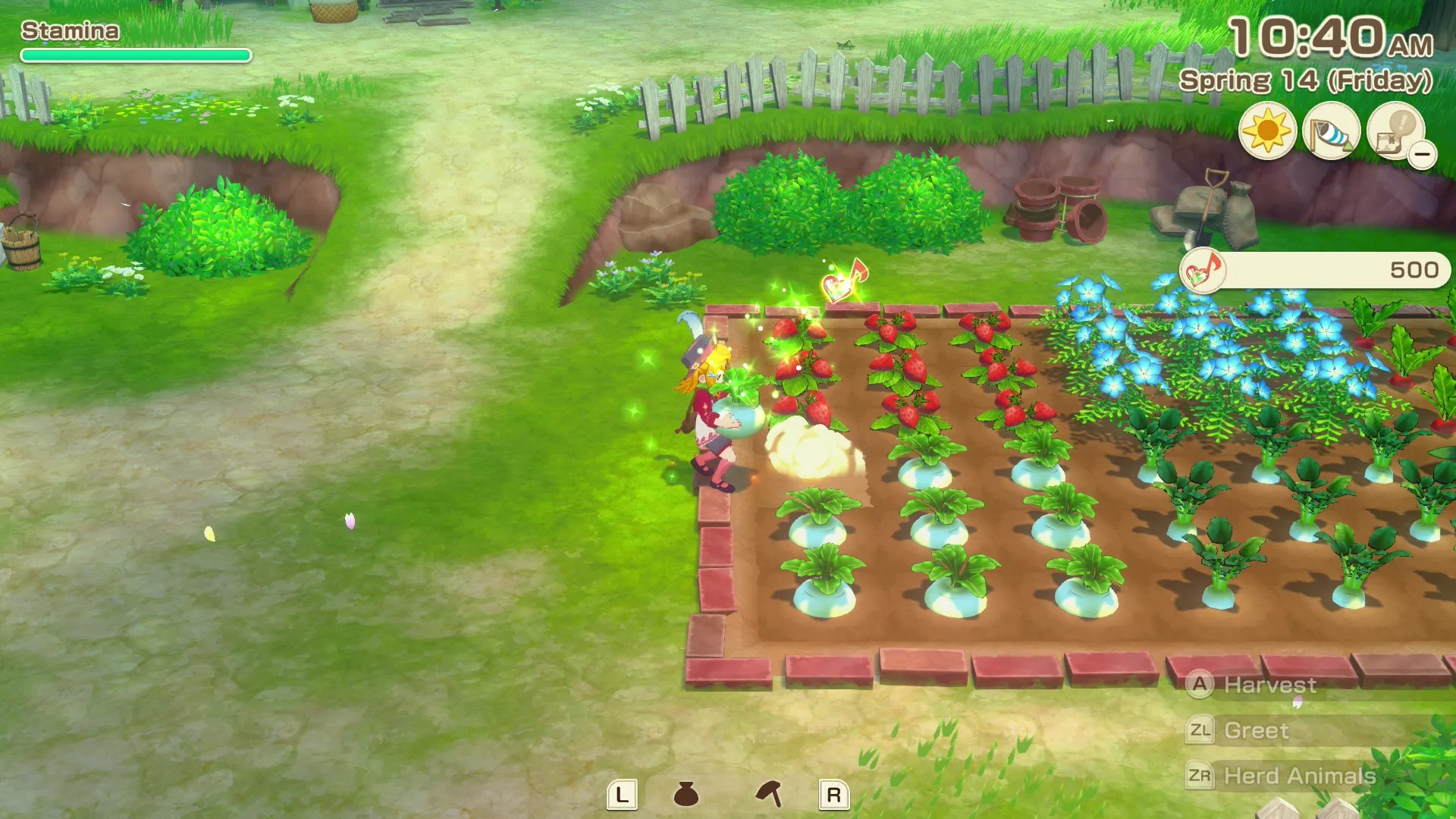
In 2014, the original Harvest Moon franchise effectively lost the name that Western audiences had associated with it since the 1990s. The series itself continued, but a change in publishing arrangements created a situation that remains confusing even for longtime fans.
For years, the Japanese series Bokujō Monogatari was developed by studios that eventually became part of Marvelous, a Japanese video game developer and publisher responsible for the original franchise. Meanwhile, Natsume, an American video game publisher, handled the English localization and North American releases under the familiar Harvest Moon name. This arrangement brought many of the franchise's most beloved titles to Western audiences and helped establish Harvest Moon as a recognizable name in gaming.
In 2014, Marvelous decided to have its subsidiary XSEED Games handle North American localization and publishing instead. There was just one problem: Natsume owned the Harvest Moon trademark in North America. Although Marvelous controlled the original Japanese franchise, it couldn't continue releasing those games under the familiar English name.
The solution was to rename the original series Story of Seasons, with the first game under that branding arriving in North America for the Nintendo 3DS in March 2015. Meanwhile, Natsume retained the Harvest Moon name and began releasing its own separate farming simulators, starting with Harvest Moon: The Lost Valley in 2014.
Essentially, the company behind the original franchise could no longer use the name Harvest Moon, while the company that owned the name could continue releasing entirely different games under that branding.
The result was two separate franchises sharing a rather complicated history. Story of Seasons continued the original Japanese series that fans had grown to love, while new Harvest Moon titles from Natsume belonged to an entirely different line of games. Unless you followed the publishing news, you could easily assume that Story of Seasons was a newcomer rather than the continuation of a franchise you'd loved for years. Even today, I've met fans of the original Harvest Moon games who still have no idea that Story of Seasons is actually the same series they grew up playing.
For anyone curious about the full story, Nintendo Life has an excellent explanation of the branding split.
The Timing of Harvest Moon's Rebranding
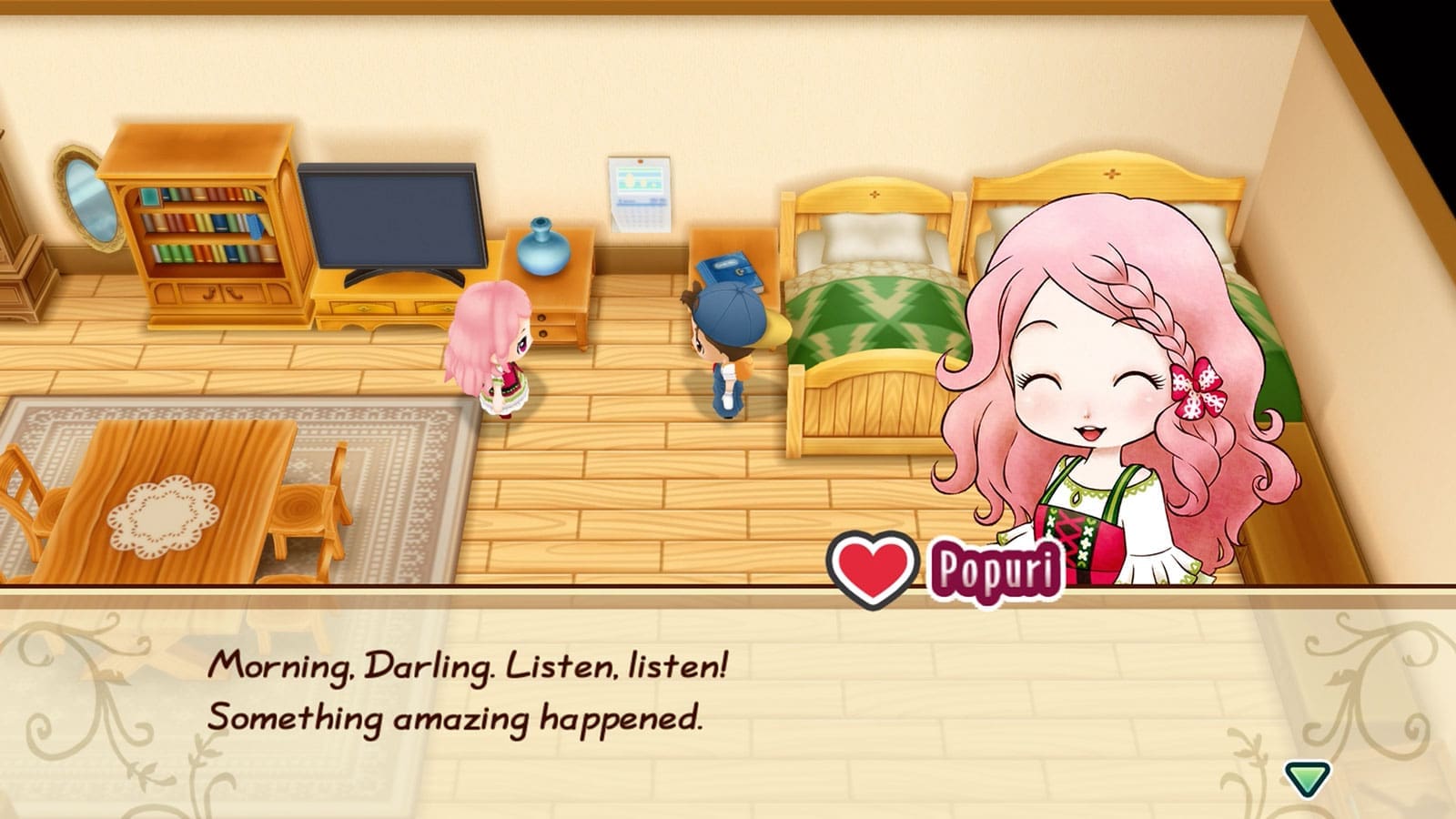
What's particularly interesting about the branding split is when it happened. Story of Seasons arrived in North America in March 2015. Less than a year later, Stardew Valley launched and quickly became a phenomenon, drawing widespread attention to the very genre Harvest Moon had helped establish.
For longtime players who hadn't closely followed the franchise, the transition could easily have gone unnoticed. The familiar Harvest Moon name was still appearing on games, but those titles were no longer part of the original series. Meanwhile, the franchise itself was continuing under a name that didn't immediately communicate its connection to the games people remembered from childhood.
It's difficult not to wonder whether that confusion contributed to the original franchise gradually losing recognition among casual players. At precisely the moment farming simulators were finding a massive new audience, one of their most influential series was attempting to establish an entirely new identity in the West.
Of course, the name change alone doesn't explain Stardew Valley's success. Its accessibility, extensive features, ongoing updates, and word-of-mouth popularity all played enormous roles. Still, there's a remarkable irony in the timing. The farming simulation genre was about to become bigger than ever, and the franchise that helped define it had just lost the name generations of players recognized.
The situation becomes even stranger when looking at the original series' later releases. In 2020, Marvelous released Story of Seasons: Friends of Mineral Town, an official remake of the 2003 Game Boy Advance game Harvest Moon: Friends of Mineral Town. Three years later, Story of Seasons: A Wonderful Life revisited the beloved GameCube classic originally released as Harvest Moon: A Wonderful Life.
These weren't unrelated games borrowing ideas from older titles. They were official remakes belonging to the same franchise, now operating under a different English name. Same history, same series, different branding.
It's also worth emphasizing that Story of Seasons hasn't disappeared. Its latest release, Story of Seasons: Grand Bazaar, launched in August 2025 as a remake of the Nintendo DS title Harvest Moon: Grand Bazaar, and was met with positive reviews. The game earned an 83 on Metacritic for Nintendo Switch 2 and surpassed 500,000 worldwide shipments and digital sales within just a few weeks of its release. Clearly, there's still an audience for the franchise. The issue isn't whether it survived, but whether its influence receives the recognition it deserves.
Remembering the Roots of the Genre
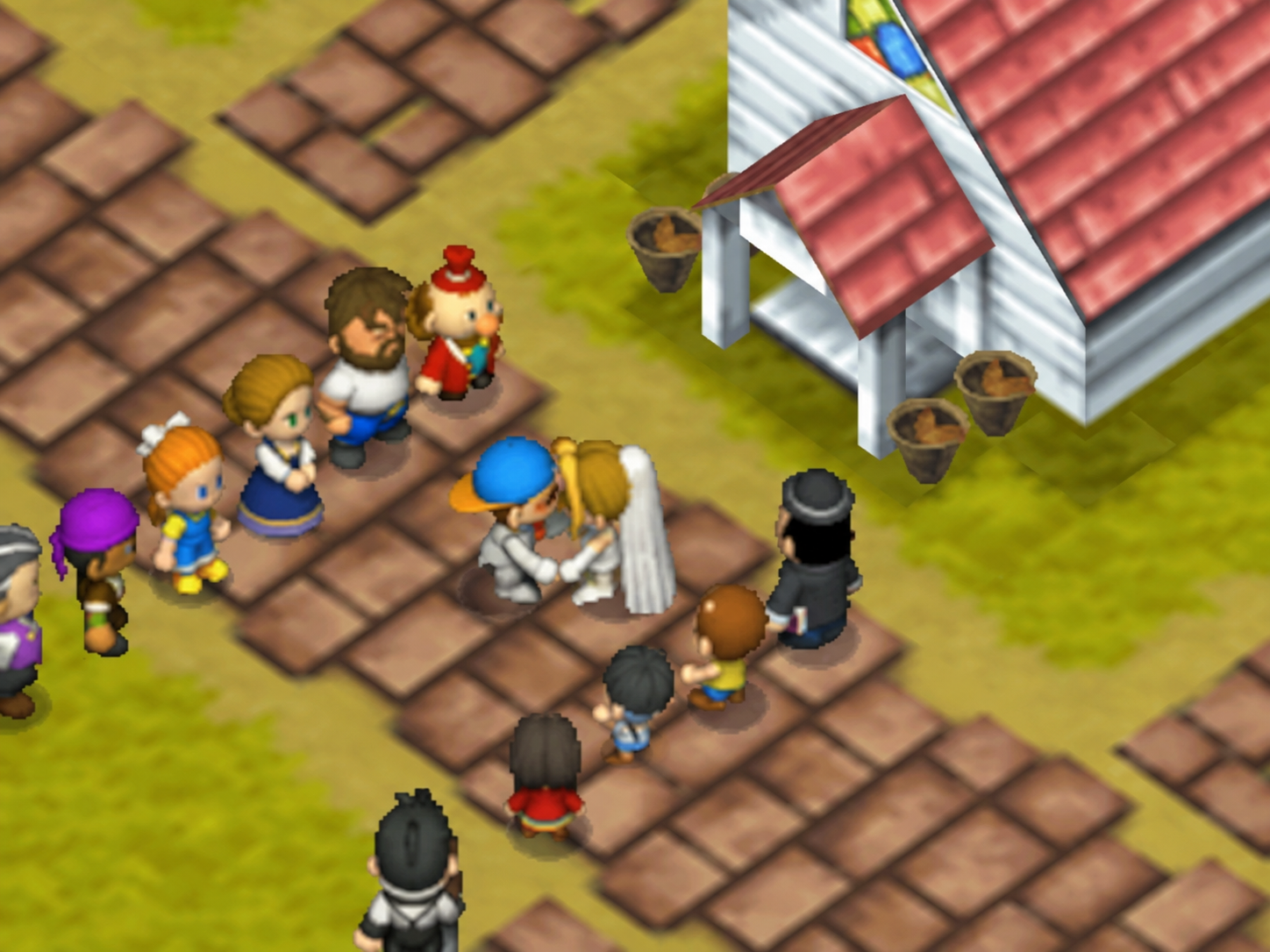
The relationship between Harvest Moon and Stardew Valley is ultimately a positive example of how video games evolve. Developers take inspiration from earlier works, explore ideas they believe could be improved, and ultimately create experiences that influence the next generation. Barone's success is an especially compelling example because the connection between his work and its inspiration is so well documented.
Harvest Moon helped establish the farming-life simulation formula, developing its systems through the late 1990s and 2000s. Stardew Valley expanded upon that groundwork, introduced its own innovations, and brought the genre to an enormous modern audience. Both deserve recognition for their contributions, and neither needs to be diminished to acknowledge the other's accomplishments.
But what deserves more attention is the history connecting them. When gaming coverage repeatedly compares new titles to Stardew Valley without acknowledging the franchise that inspired it, readers are left with an incomplete understanding of where those ideas originated. Of course not every review needs to include a history lesson, but conversations about the genre's development should at least recognize the games that established its foundations.
As Stardew Valley celebrates its tenth anniversary in 2026, the original Harvest Moon reaches its thirtieth. It's a fitting opportunity to appreciate both milestones and the influence these games have had on one another. Three decades after Wada's original farming game appeared on the Super Nintendo, its fundamental ideas remain at the heart of a genre that continues to attract developers and players around the world.
There's no reason to stop celebrating Stardew Valley. Its success is well earned, and its impact on modern gaming is undeniable. But we have to remember there's room in that conversation to recognize the franchise that helped make it possible, along with the decades of farming games that existed before Pelican Town ever appeared.
After all, some of us were already spending our evenings watering crops, raising chickens, and trying to win over the residents of Mineral Town long before 2016, and it's about time gaming history remembered that.
About the Creator
Veronica Thor
Veronica is a freelance writer from Toronto. Passionate about cats, astronomy, painting, comedy and beauty.
Enjoyed the story? Support the Creator.
Subscribe for free to receive all their stories in your feed. You could also become a paid subscriber, letting them know you appreciate their work.
Comments
There are no comments for this story
Be the first to respond and start the conversation.