
My Top 25 PC Engine/TurboGrafx-16 Games
Another world of gaming

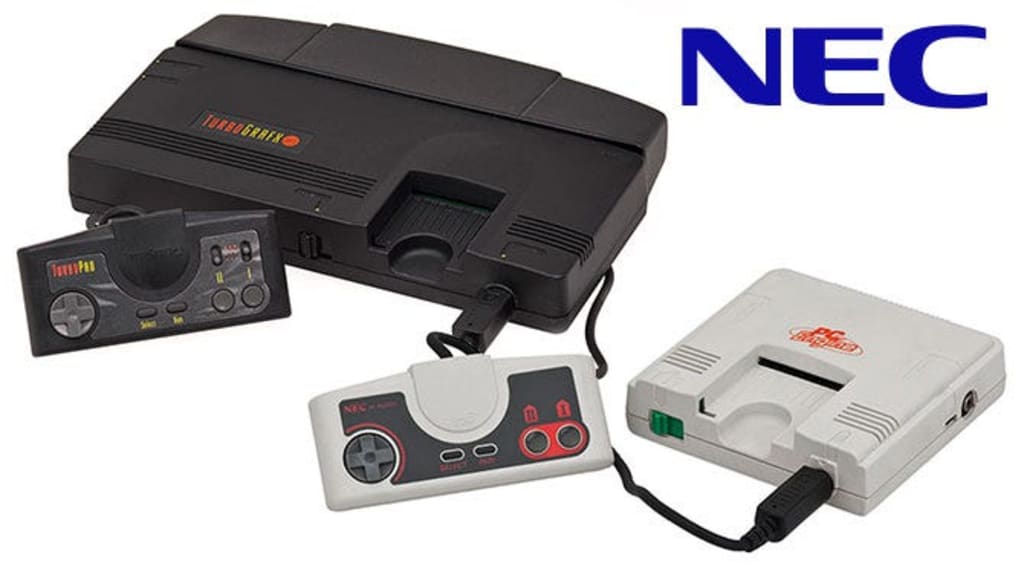
The PC Engine has a funny place in gaming history. It was manufactured by NEC, in a collaboration with game developers Hudson Soft. It’s generally considered the first console of the Fourth Generation, also called the 16-Bit Era, except that it was only an 8-bit console, boosted by a 16-bit graphics processor. In Japan, where it launched in 1987, it was a huge deal, being the main competitor to Nintendo’s Famicom and Super Famicom. In North America, it suffered a delayed release and came out in 1989, after Sega launched the Genesis there. Just like Sega’s console getting renamed for American tastes, the PC Engine was renamed the TurboGrafx-16, and got a beefy redesign. This didn’t make enough of a difference, and the system trailed behind Sega’s and Nintendo’s.
The PC Engine didn’t even get an official release in Europe. It was a shadowy also-ran, with modified imported units appearing in catalogues from time-to-time, under both names and from various merchants. I was barely aware of it, growing up in the UK. It feels like it should have been at the forefront; the CD-based add-on, the PC Engine CD-ROM^2 or TurboGrafx-CD, was released as early as 1988. That’s three years ahead of Sega’s Mega-CD.
On the other hand, NEC split their own market even more than Sega did, with a plethora of hardware add-ons, upgrades and variations, including the CoreGrafx, SuperGrafx and TurboDuo, with varying cross-compatibility with games. There was even a handheld version, the PC Engine GT or TurboExpress, and a laptop-style system with its own screen, the PC Engine LT. Looking back at it all now, it’s still quite confusing. It’s like a whole parallel console ecosystem that I never visited, and barely knew existed.
In retrospect, the PC Engine series had a great library of games, although a lot of them were confined to Japan. Hudson Soft’s properties featured heavily, of course, but most of the big-name third-party developers gave the system strong support. Konami bought Hudson Soft in 2011, and is now basically the owner of the PC Engine and much of its library. Various titles have been rereleased over the years, largely on Nintendo’s Virtual Console and PlayStation Network for services that have now been shut down. The best way to enjoy these games through official channels is with the PC Engine Mini – aka the PC Engine CoreGrafx Mini in the UK, or the TurboGrafx-16 Mini in the US – but even this is now over six years old and a sought-after piece of hardware.
Of course, there are other, less legitimate ways to enjoy games for this easy-to-emulate system. However you get to them, these are my favourite games for the PC Engine/TurboGrafx-16. The console’s library had a lot of shoot-em-ups, so expect a lot of them here. This list covers games that were published on HuCard, the system’s original, tiny cartridge format. The CD-ROM games made a substantial enough library that I’ve decided they warrant a list of their own. (I also want to give a shout-out to the PC Engine Software Bible at https://www.pcengine.co.uk/index.htm which is a tremendous resource on these games.)
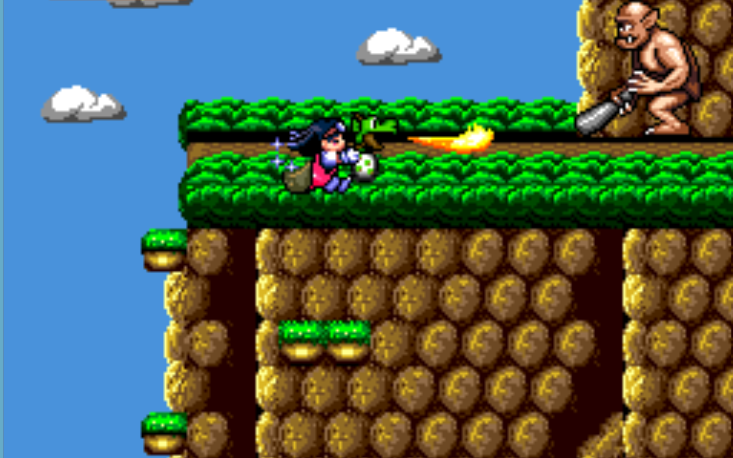
25) Dragon Egg! (1991)
A sweet scrolling platformer that looks like it might have been inspired by the Yoshi sections of Super Mario World. You primarily play as a young girl carrying a large egg; collect enough power-ups and the egg hatches into a baby dragon, who makes a handy flamethrower. Power up even more and the dragon reaches full size, letting you ride on its back. It's not the most accomplished platformer, but there's a real charm to it.
Availability: No official availability that I know of.
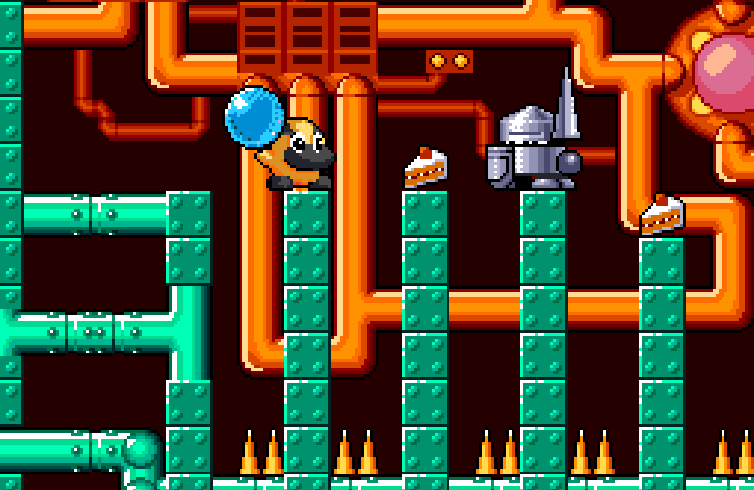
24) Mizubaku Adventure (1992)
You can rely on Taito to create something cute and infectiously playable. Mizubaku Adventure, better known in the West as Liquid Kids, is a side-scrolling platformer that clearly has some of Bubble Bobble in its blood. You control Hipopo, a round yellow thing who can lob water bombs at enemies. You need to take them out before they dry off and come back at you. Simple fun.
Availability: The arcade original, which looks a bit better than the PC Engine port, is available as part of Hamster's Arcade Archive series for Nintendo Switch and PS4. It's also included on Taito Arcade 2 for Evercade from Blaze; their Taito Edition Super Pocket; and the Taito Egret II Mini console. All of these are under the name Liquid Kids.
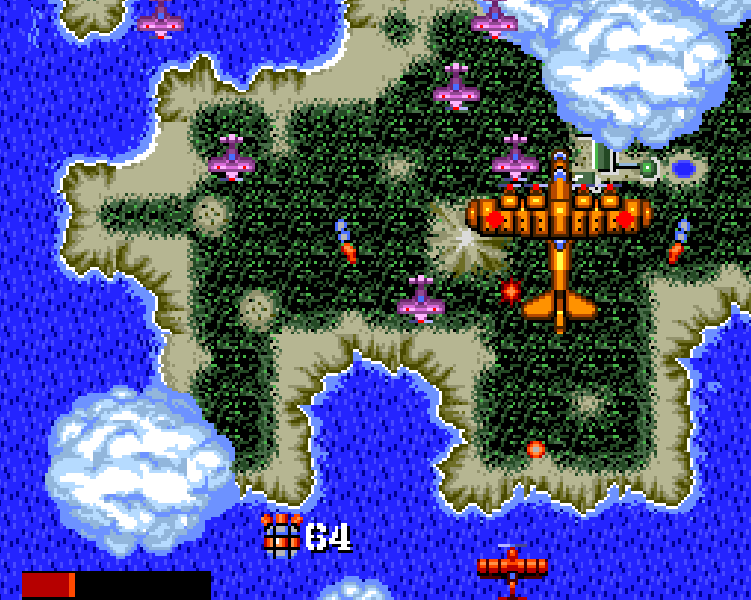
23) 1943 Kai (1991)
A Japan-only port of a Japan-only variant of Capcom's pseudo-WWII scrolling shoot-em-up, 1943 Kai is a game of two halves. It starts in “Arcade Mode,” which is a solid shooter, with dozens of planes coming at you, helpfully-placed power-ups, and careful use of the 194X series' signature roll move as the best way to get out trouble in the nick of time. Halfway through, it shifts to “Original Mode,” presenting a bunch of frenetic new levels that verge on bullet hell.
Availability: The arcade version, 1943 Kai: Midway Kaisen, is purchasable as DLC for Capcom Arcade Stadium 2 on PS4, Nintendo Switch, XBox One, and PC via Steam. The PC Engine version has never had an official rerelease.
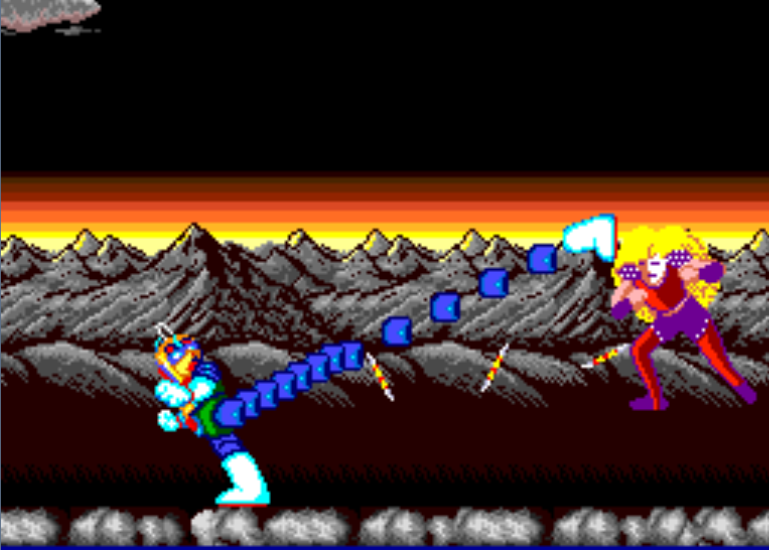
22) Bravoman (1990)
A beat-em-up/platformer from Namco in which you play as the eponymous superhero, a bionic avenger with telescopic limbs. It’s a somewhat-butchered version of the arcade original and a lot of people don’t like this version. I’m rather fond of it, clumsy controls, awful dialogue translations and all. The underwater scrolling shooter levels are a nice inclusion. The villain is called Dr. Bomb, which is wonderful.
Availability: The arcade original is available as part of Hamster’s Arcade Archives series on Nintendo Switch and PS4.
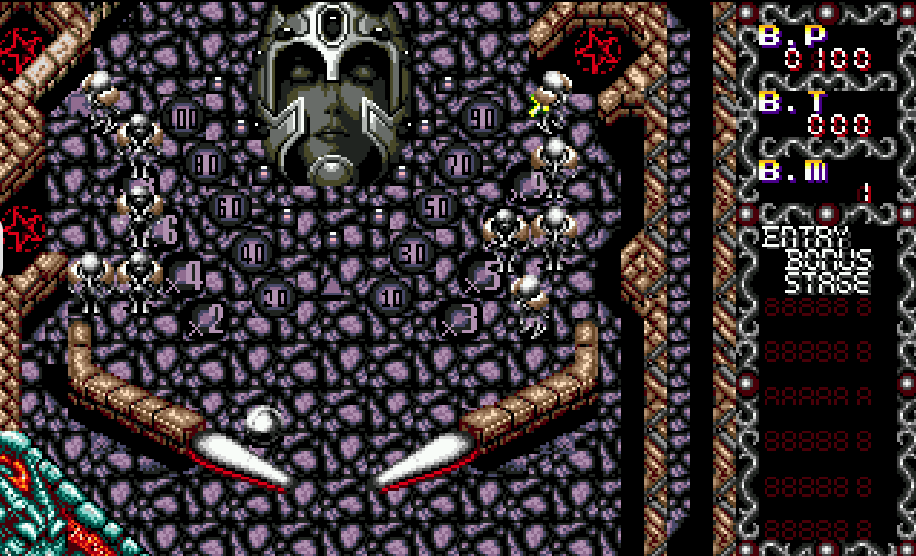
21) Devil’s Crush (Devil Crash – Naxat Pinball) (1990)
I’m not usually much into pinball games – or pinball generally – but the Crush series from Compile and Naxat are a lot of fun. I’m told they don’t really act like pinball machines, which is maybe why I like them. While I slightly prefer the Giger-ish aesthetic of the first game, Alien Crush, the horror-themed Devil’s Crush is the better game. Three linked boards provide fast-moving, spooky action that encourage you to keep trying to make your way up the scoreboard. It looks and sounds great, plays smoothly, and laughs at you when you lose your ball.
Availability: The last release for Devil’s Crush was on the WiiU Virtual Console. With that discontinued, it’s no longer available.
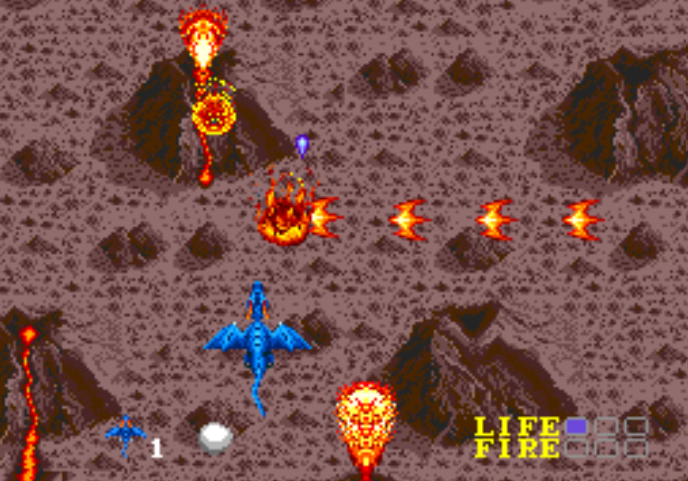
20) Dragon Spirit (1988)
A vertically-scrolling schooter from Namco that plays like Xevious but with an inventive fantasy-world makeover. You control a dragon, battling through a hostile world filled with monsters and prehistoric beasts, defending yourself by shooting fireballs and dropping firebombs. There are several power-ups on hand, the best of which causes your dragon to grow extra heads, increasing its firepower. Pretty tough but very playable. Not the only fantasy shoot-em-up around, but one of the best.
Availability: Dragon Spirit is included on the PC Engine/TurboGrafx-16 Mini. The original arcade version is on the Namco Museum Mini Player console, and is part of the Arcade Archives series for Switch and PS4, and their successors.
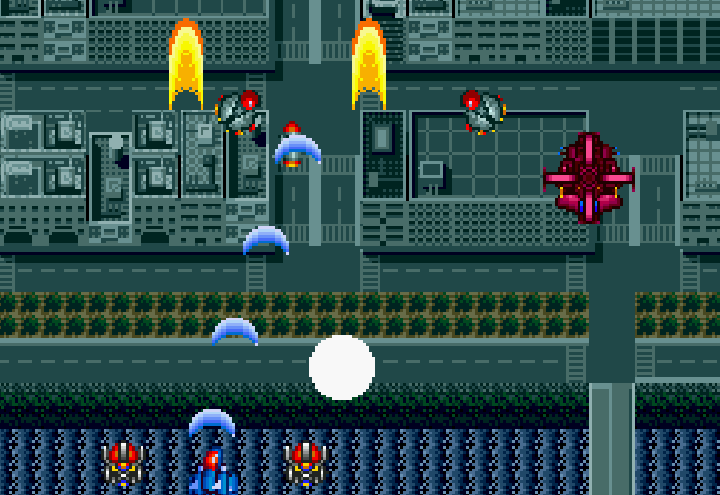
19) Burning Angels (1990)
A pretty standard but enjoyable vertically-scrolling shoot-em-up from Naxat Soft, Burning Angels stars two lady pilots named Dragon and Phenix (sic), who like to go into air battles wearing the skimpiest of costumes. Both characters play similarly, but have access to some different power-ups which adds a bit of variety. Nothing much to set it apart from most sci-fi shooters on the platform when in play, but the aesthetic is fun and there’s a nice spread of difficulty levels to choose from so it’s not too intimidating. It works.
Availability: No legal availability that I’m aware of.
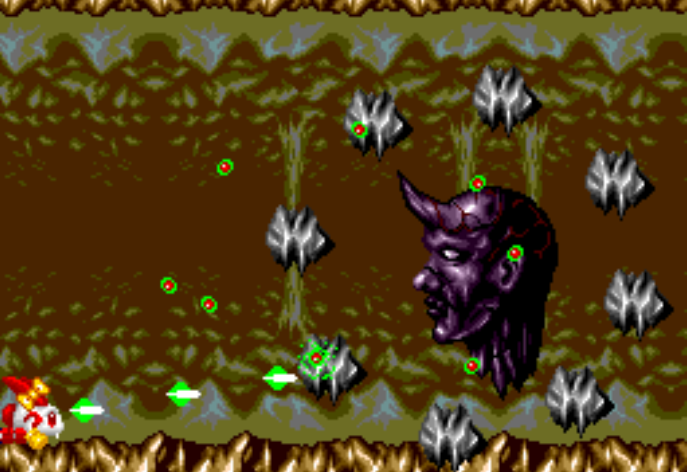
18) Rabio Lepus Special (1990)
A side-scrolling shooter, known as Rabbit Punch for its North American arcade release. This sees you play as a robot rabbit, fighting an endless swarm of enemies, both mechanical and mystical. It sits at the middle of the Venn diagram made up of sci-fi shooters, high fantasy shooters and cute-em-ups. It quickly gets busy and pretty tough, but it's rarely unfair. With a unique look and sound, and some amusing rabbit-themed items, this is a lot of fun and really stands out amongst the many shmups on the system.
Availability: This was only released in Japan back in the day, but now you can play it worldwide on the Switch and PS4 thanks to Hamster's Arcade Archives series.
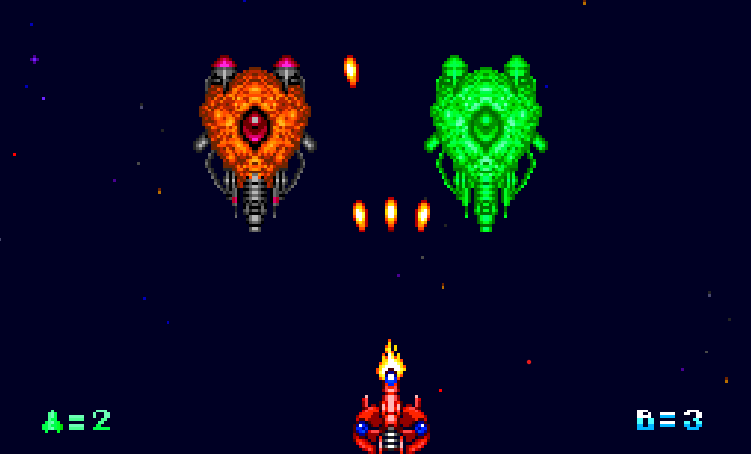
17) Tatsujin (1992)
This is the Toaplan arcade shoot-em-up known to the West as Truxton, largely thanks to its earlier Mega Drive/Genesis port. It's a cracking game on either console. A ruddy tough vertically-scrolling sci-fi shooter, Tatsujin is still very enjoyable even though it's truly unforgiving. The PC Engine version looks and sounds a little different to the Mega Drive version but still is amazing on both counts.
Availability: For the PC Engine version, nothing officially. For the arcade original, you have the PC option through Steam or GOG, or by subscribing to Antstream. Alternatively, it's included on Toaplan Arcade 1 for Evercade and the Sega Astro City Mini V system. The Mega Drive port is included on the Mega Drive Mini 2, aka Sega Genesis Mini 2, and there's a mobile port as well under the name Truxton Classic.
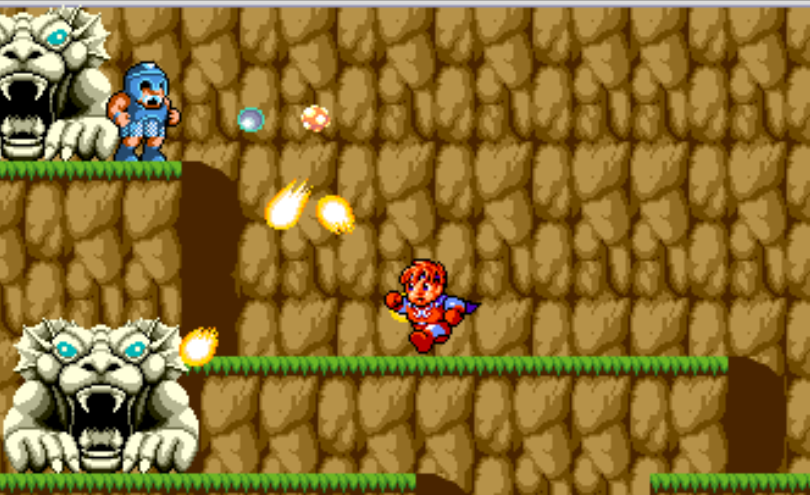
16) Legend of Hero Tonma (1991)
This is a cute little scrolling platformer in which you play a caped superhero, who can stun his enemies by the traditional jump on the head, or take them out with a well-timed fireball. Unlike most platformers that originate in arcades, Tonma is pretty easy, and the low difficulty keeps it from real greatness. Still, I found something very moreish about it, thanks to the appealling visuals and music, and it's not completely without challenge.
Availability: It was last released on the Wii and WiiU Virtual Console. If you didn't grab it then, you're out of luck.
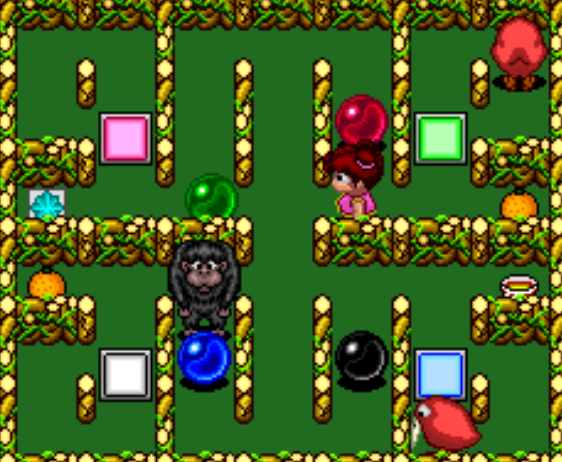
15) Chew Man Fu (Be Ball) (1990)
A cute, straightforward action-puzzle game that has something in common with Bomberman. In this game, you need to roll large coloured balls into their corresponding goals, also using them to take out the monsters that are stalking the lanes of the maze. It’s not the most complex of games, but it’s a good time. A chill game, almost soothing. Plus there’s a level editor if you get bored of the main game, although you can’t save your creations.
Availability: Chew Man Fu is on the PC Engine/Turbografx-16 Mini.
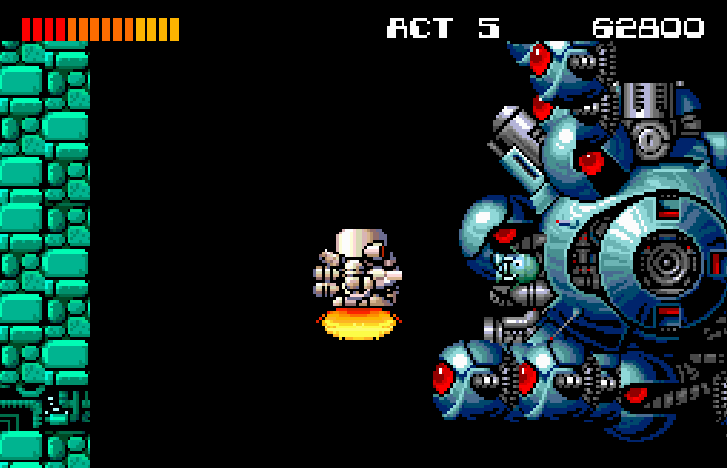
14) Atomic Robo-Kid Special (1990)
A really fine port of this unusual arcade shoot-em-up. Atomic Robo-Kid plays almost like a scrolling shooter that’s been laid over a platformer. It’s more exploratory and structurally interesting than most such games. The controls take a moment getting used to, but once you do, trundling along the levels, switching between weapons is a joy. Robo-Kid is very cute and the bosses are enormous. Great fun.
Availability: The arcade original is available as part of Hamster’s Arcade Archives series on Nintendo Switch and PS4.
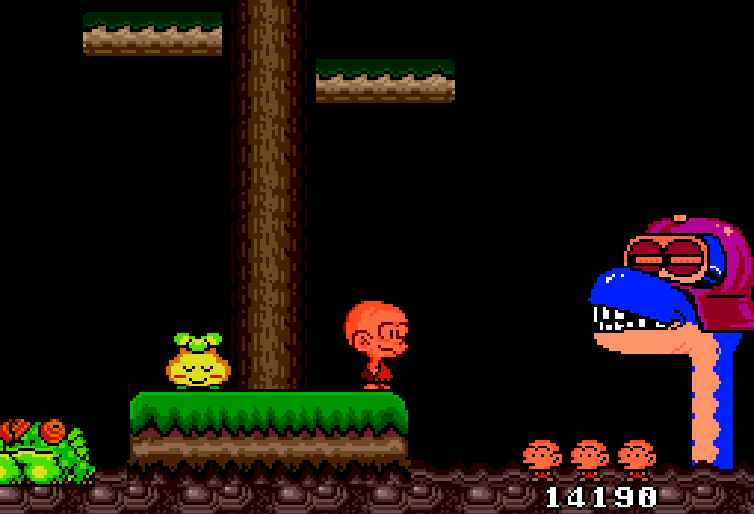
13) Bonk’s Adventure (PC Genjin/PC Kid) (1989)
The de facto mascot for the PC Engine, Bonk goes by many names. Whatever you call him, he’s an ugly-cute little cave boy who nuts his enemies with his bulbous head, and climbs sheer cliffs with his teeth. There were a lot of caveman games in the 90s, but Bonk got there first. It’s a shame PC Genjin didn’t really work in English, because it’s an exceptional pun; genjin roughly translating as caveman, PC officially standing for Pithecanthropus Computerus, and playing on the console name all at the same time. It’s far from the greatest platformer of the generation, but it’s good fun and has plenty of dinosaurs, so that keeps me amused.
Availability: The Japanese version, PC Genjin, is on all versions of the PC Engine/TurboGrafx-16 Mini, regardless of region. The Amiga port, BC Kid, is available for free download from its developer, Factor 5 at http://factor5.com/downloads.shtml
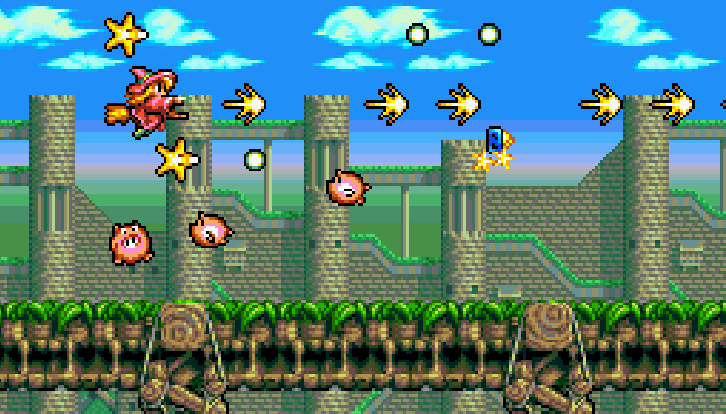
12) Magical Chase (1991)
A side-scrolling cute-em-up with charming, cartoony graphics, Magical Chase sees you control a little witch named Ripple, and her two friends Topsy and Turvy, little stars who orbit around her fending off attacks. Did I mention cute? While controlling the stars takes a little getting used to, this is a tremendously playable shooter that rarely suffers any slowdown in spite of some very busy screens. The highest difficulty level is genuinely tough, although there are plenty of spells and helpful items that you can buy in the magical shop that pops up on each stage. It's no Cotton, but it's very playable.
Availability: There hasn't been a rerelease for years, and the original cart goes for sky-high prices.
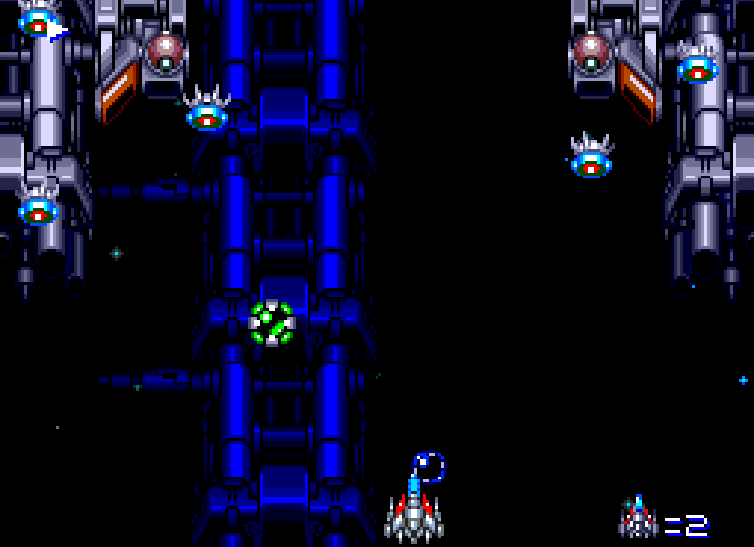
11) Super Star Soldier (1990)
The second game in Hudson Soft's Star Soldier series (after the also very decent Star Soldier itself on the NES), this is a vertically-scrolling arcade-style shooter in the usual space war style. Nothing out of the ordinary there, but the execution is excellent: great graphics, gorgeous music, a well-balanced difficulty gradiant and an intuitive power-up system that also rewards you with continue points rather than making you start back at the beginning of a level. It's a great start for the series' move to the PC Engine, but better was to come.
Availability: Super Star Soldier is on the PC Engine/TurboGrafx-16 Mini. A PlayStation Portable release, PC Engine Best Collection – Soldier Collection, included Super Star Soldier, Final Soldier, Soldier Blade and Star Parodier. It was only released in Japan, however, and goes for high prices on the market today.
10) Final Soldier (1991)
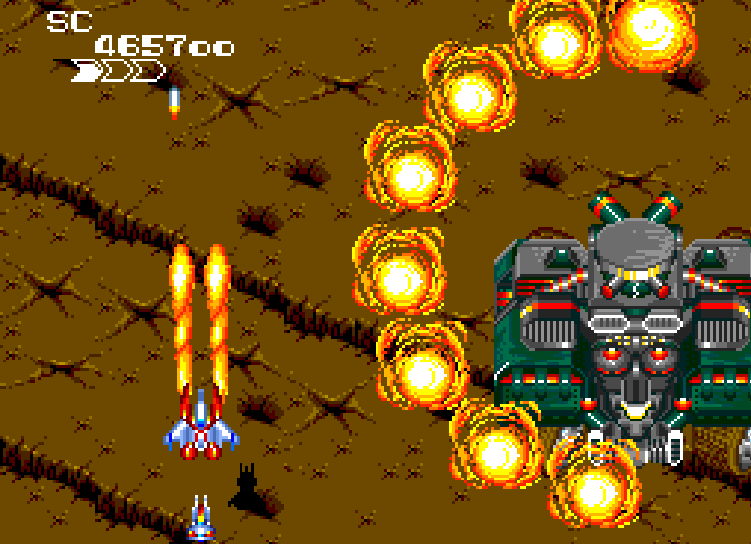
The immediate follow-up to Super Star Soldier, this time only getting a release in Japan. The main difference between this game and the others in the series is that you get a certain amount of customisation, being able to choose which power-ups apply at the beginning of the game. The previous game is arguably superior, but there's something about the look and sound of Final Soldier that puts it ahead for me. In spite of the name, it was not the final game in the series, with the best still to come.
Availability: For whatever reason, Final Soldier was not included on the PC Engine Mini. The last release was for the WiiU Virtual Console, and it's included in the above-mentioned Soldier Collection for PSP.
9) Air Zonk (PC Denjin) (1992)
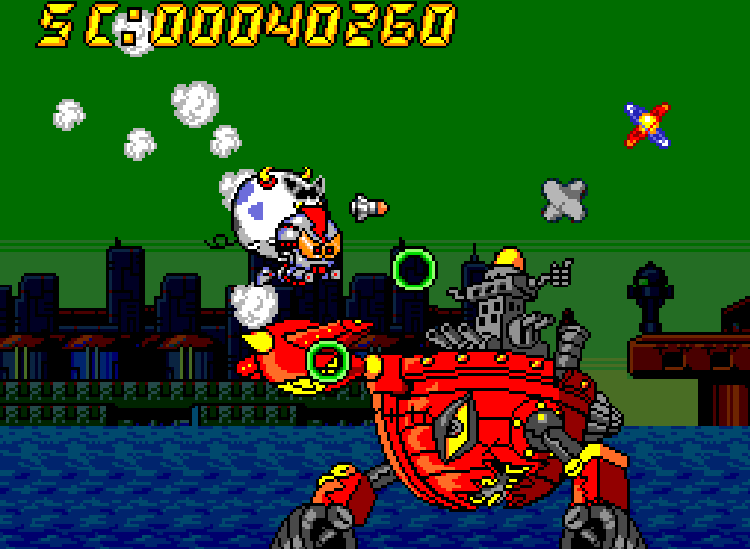
This was Hudson Soft’s cool 90s update to the Bonk series, replacing Bonk with his distant descendant, the futuristic Zonk. The Japanese name is still better, stretching the pun for all its worth: PC stands for “Punkic Cyborg,” and denjin, literally “electric man,” essentially means cyborg as well. It’s kind of a shame Hudson ditched the platformer style for yet another shoot-em-up, but when it’s as fun as this cartoon world assault, it’s hard to complain.
Availability: Air Zonk is included on the PC Engine/Turbografx-16 Mini.
8) Coryoon: Child of Dragon (1991)
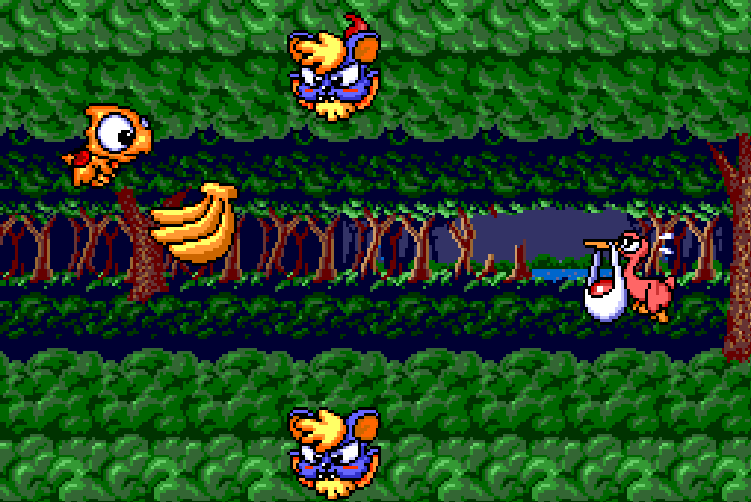
A lovely little cute-em-up from Naxat, starring a tiny green dragon on a quest to save a princess. It has a cutesy fantasy theme, with some enjoyably ridiculous enemies – the penguins are a particular favourite. As well as taking out his foes, Coryoon needs to catch as much fruit as possible to keep up his health and score. There’s a bit of slowdown when things get busy, but the difficulty is pretty low so it never really poses too much of an issue, and the graphics and sound are top notch.
Availability: Officially, not a sausage.
7) Gradius (1991)
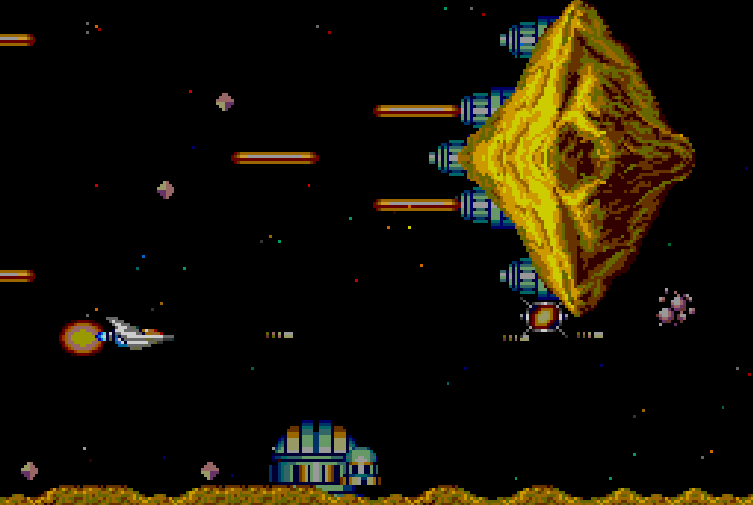
I love Gradius on the NES, and the PC Engine version is both better and worse than that port. It has a few extra graphical flourishes and an extra level, with little left out from the arcade original. On the other hand, the lower resolution means it has to scroll up and down sometimes to fit everything in, and the slowdown is atrocious at times. Still, this is a classic, if tough, shooter, and while it was already fairly old by the time it arrived on the PCE, that really doesn't matter today.
Availability: If you want this version specifically, it's on the PC Engine/TurboGrax-16 Mini.
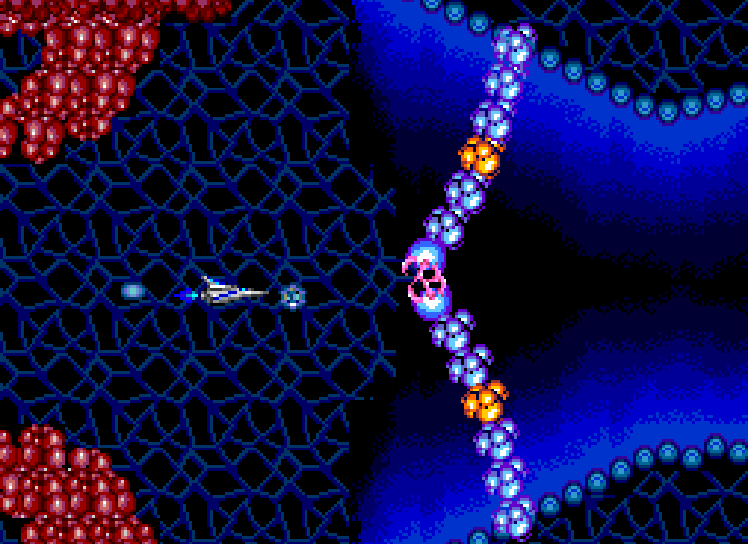
6) Salamander (1991)
A solid port of Gradius' sequel, far more faithful to the arcade original than the Famicom/NES version (also known as Life Force). Although the graphics and sound are improved, I prefer the NES version, if only because the PCE version is even tougher thanks to implementing a checkpoint system when you lose a life, and it lacks the Konami code, so you really are on your own. It's still an excellent shmup, though, shifting between horizontal and vertical stages through some bizarre environments.
Availability: Salamander is specifically on the North American TurboGrafx-16 Mini and the European PC Engine CoreGrafx Mini, and not the Japanese PC Engine Mini. If you'd prefer the arcade versions of both Salamander and Gradius, they're both part of the Arcade Archives range on Switch and PS4, and are included in Konami’s Arcade Classics Anniversary Collection on PS4, Xbox One, Switch and PC via Steam, and the Gradius Origins set on PS5, Xbox Series X and S, Switch and PC via Steam.
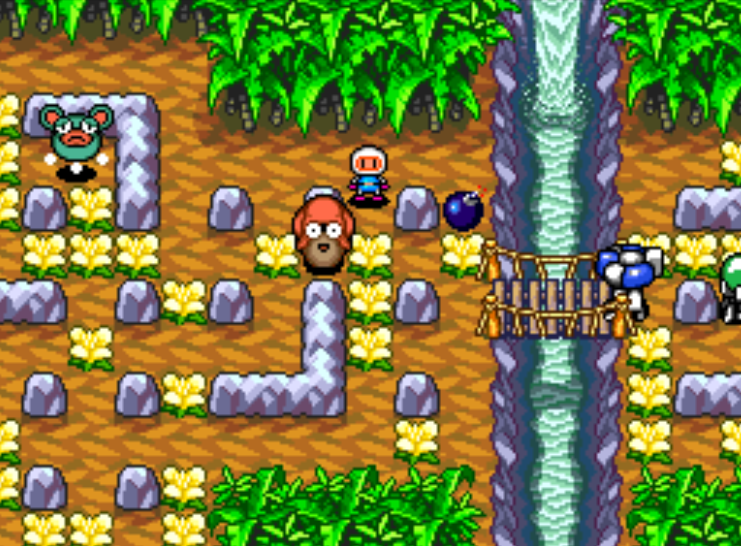
5) Bomberman ’94 (1994)
One of the best Bomberman games, of which there were surprisingly few on the PC Engine, given it was series creator Hudson Soft’s own machine. Bomberman ’94 combines the series’ classic strategic maze gameplay with some new elements, including the first appearance of the Louies, Bomberman’s marsupial allies who provide new abilities. The original version allowed up to five players to compete via a multitap. Originally a Japan-only release, it was ported to the Mega Drive/Genesis in the West as Mega Bomberman, but it was a downgraded version. The original is far better.
Availability: Bomberman ’94 is included on the PC Engine/TurboGrafx-16 Mini. There are no currently available licensed digital downloads.
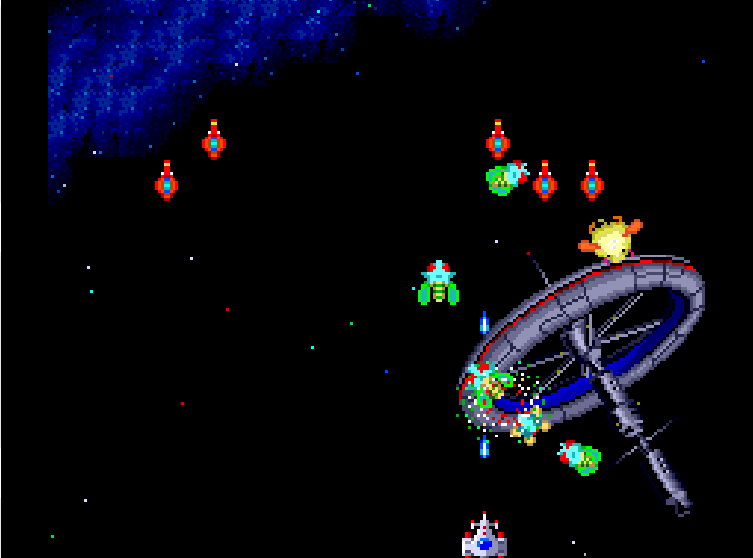
4) Galaga ’88/’90 (1988)
The fourth game in the Galaxian/Galaga series, Galaga ’88 started in arcades before being ported to the PC Engine. The TurboGrafx-16 version was renamed Galaga ’90, released in North America in… 1989. Although it was very late 1989. On a system with so many shoot-em-ups, an old-fashioned fixed shooter like Galaga could struggle to stand out, but Galaga ’88 adds enough new features to keep it relevant. There are vertically-scrolling stages, bonus stages, and the possibility of triple-decking your ship to upgrade its capabilities. Galaga is always fun, and this version tweaks it just enough to make it something new without losing the original’s appeal. It’s pretty too.
Availability: The PC Engine/Turbografx-16 version is included on the Mini console. Easier to get hold of is the original arcade version, which is currently on Antstream, and is part of Hamster’s Arcade Archives series available on Nintendo Switch and PS4, as well as the 2017 Namco Museum release for Nintendo Switch, still listed for purchase and download.
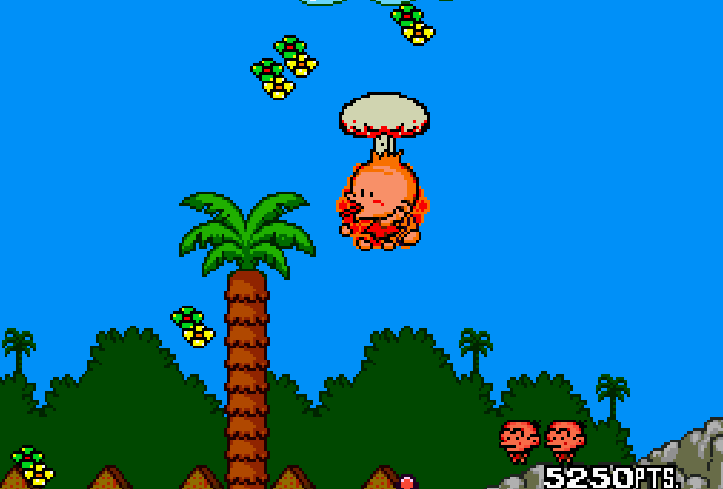
3) Bonk’s Revenge (PC Genjin 2/PC Kid 2) (1991)
The second outing for Bonk, or whatever his name is today, is a huge improvement on the first game, with some very well designed levels. Bonk has some new moves, including an enemy-stunning ground pound three years before Wario, albeit using his head. Bold, colourful graphics and big, inventive bosses add to the fun of the secret-filled levels, and it altogether plays far more smoothly than the original. The Bonk series passed me by back in the day, but this really is a top tier platformer that I wish I'd got to play as a kid.
Availability: Naturally, it's on the PC Engine/TurboGrafx-16 Mini.
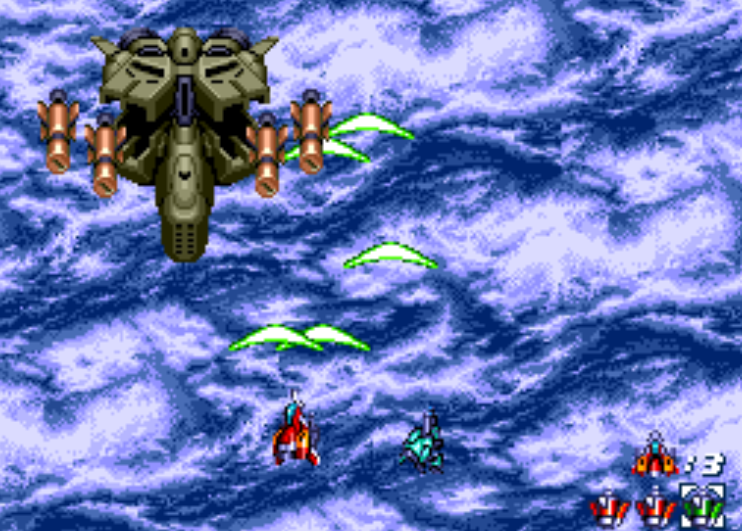
2) Soldier Blade (1992)
The last in the Star Soldier series was a rush job, and no one was very happy with it on release. And yet, I find it by far the most enjoyable. It plays much like Super Star Soldier, but faster, with top-notch graphics and a very accessible difficulty level. The time attack Caravan Modes are especially fun in this one, as you can really rack up some damage in only a couple of minutes.
Availability: Soldier Blade was last released on the PC Engine/Trubografx-16 Mini, and in the Japan-only PSP Soldier Collection. Original HuCards are also expensive, especially the Special Edition, which only has the two Caravan Modes but was produced in limited quantities, so is especially rare.
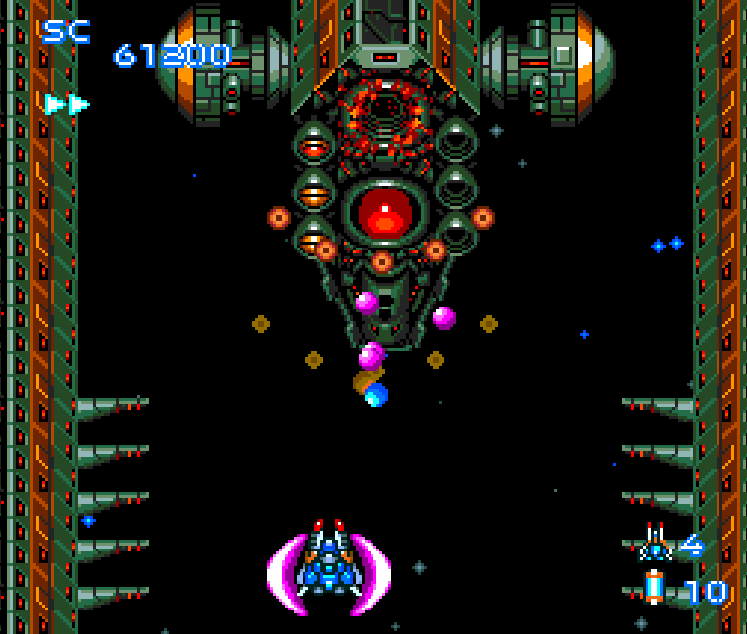
1) Blazing Lazers (Gunhead) (1989)
A vertically-scrolling shooter developed by Compile, and the closest the PC Engine got to an Aleste game. Another futuristic shooter, this was a tie-in to the ridiculous film Gunhed in Japan and rebranded for the West. This is a fast-paced game with a huge array of over-the-top power-ups and a simple level of customisation for your ship, letting you balance between speed and manoeuvrability. The boss battles come thick and fast, and while you do get sent back to a checkpoint when you die (unless you have a very special power-up), the placements are pretty generous. Probably the best shoot-em-up on the system, which is saying something.
Availability: Blazing Lazers is included on the PC Engine/Turbografx-16 Mini.
About the Creator
Daniel Tessier
Ageing geek, father of one, living in sunny Brighton on the Sussex coast in England. I waffle on about films, TV, books and video games. Occasionally I'll drop a bit of fiction.
Enjoyed the story? Support the Creator.
Subscribe for free to receive all their stories in your feed.
Comments
There are no comments for this story
Be the first to respond and start the conversation.