
My Top 25 Game Gear games
My favourite games on Sega's colourful handheld


While the Mega Drive/Genesis was Sega’s major console success story, and the Master System was a hit everywhere except North America and Japan, the Game Gear was a serious contender for the handheld market. While it never came close to meeting the Game Boy’s sales, the Game Gear achieved a respectable market share, and was a big hit in the UK. I knew a lot of kids who owned Game Gears, particularly friends’ older brothers and sisters, and much like the Mega Drive it was the cooler, grown-up rival to Nintendo’s consoles. Sega leaned into this, of course, with the sleek black design, and even the name, which deliberately made the Game Boy sound like the kids’ version.
An 8-bit system with a full colour screen, the Game Gear was essentially a portable version of the Master System, albeit with a vastly greater colour palette. It could even play Master System games, although you had to plug in an unwieldy adapter to do so. There were, for the time, some sophisticated add-ons, not least the TV Tuner, which let you watch telly on the little screen. On the other hand, the backlit colour screen drained the batteries; the Game Gear needed six batteries compared to the Game Boy’s four, and ran on them for a fraction of the time. At least there was a rechargeable battery pack, if you could afford it.
The Game Gear might not be as close to my heart as the Game Boy, but I had some good times with it over the years. It shares much of its library with the Master System and has a lot of remarkably good arcade ports, making it my first and main experience with a lot of these games. As always, these are my favourite games, not an objective best of. I’ve included a note on contemporary availability as usual, but with the closure of the Nintendo 3DS Virtual Console service there aren’t many ways to play Game Gear games officially these days. If you can get your hands on a Game Gear Micro or certain devices from AtGames you can access a fair few. Actual playable Game Gear consoles are tricky to find these days, thanks to its notorious weakness to screen rot.
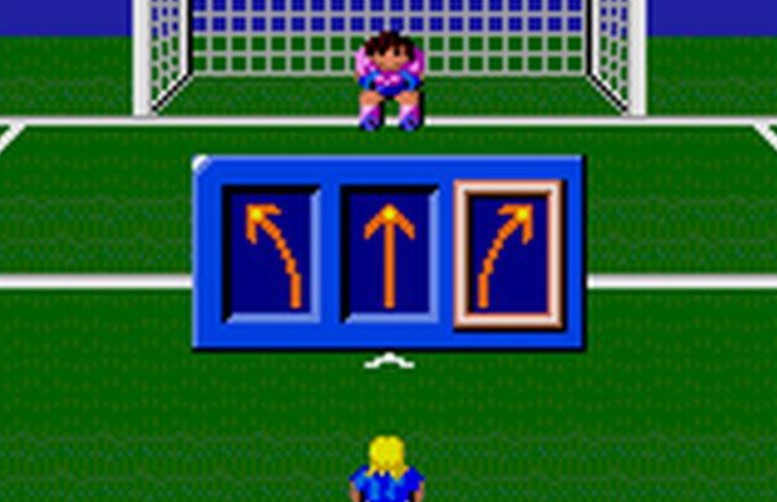
25) Sega Game Pack 4-in-1 (1992)
A nostalgia choice for our first entry, Sega 4-in-1 was only released in Europe and was a pack-in with some Game Gear units, so it was a frequent pick. The cart includes Columns Flash (a single-mode version of the original Columns), Championship Tennis, Pan-American Road Rally (an arcade-style racer), and Penalty Shootout. I can't imagine that last one being a hit in the States, so no wonder it was kept to Europe. All the games are about as deep as a puddle, but I can't help but enjoy flicking through them.
Availability: This has never been rereleased, but being so common the cartridge is very cheap and easy to find secondhand.
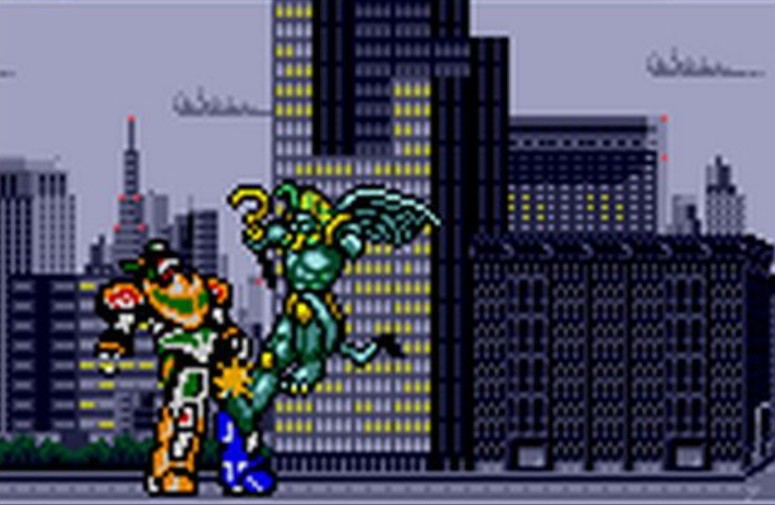
24) Mighty Morphin’ Power Rangers (1994)
The Power Rangers were everywhere in the mid-90s, and naturally that included a bunch of video games. The Game Gear release is a fairly straightforward one-on-one fighter, which is, surprisingly, considerably better than the similar Mega Drive/Genesis version. Only having two action buttons isn’t a help, but they get round this by having a third attack used by mashing both at the same time. With a story mode, vs. computer and two-player options, this is all pretty standard, but if it’s nineties nostalgia you’re looking for, it’s a winner.
Availability: Nothing official. It’s really about time there was a compilation release of these games.
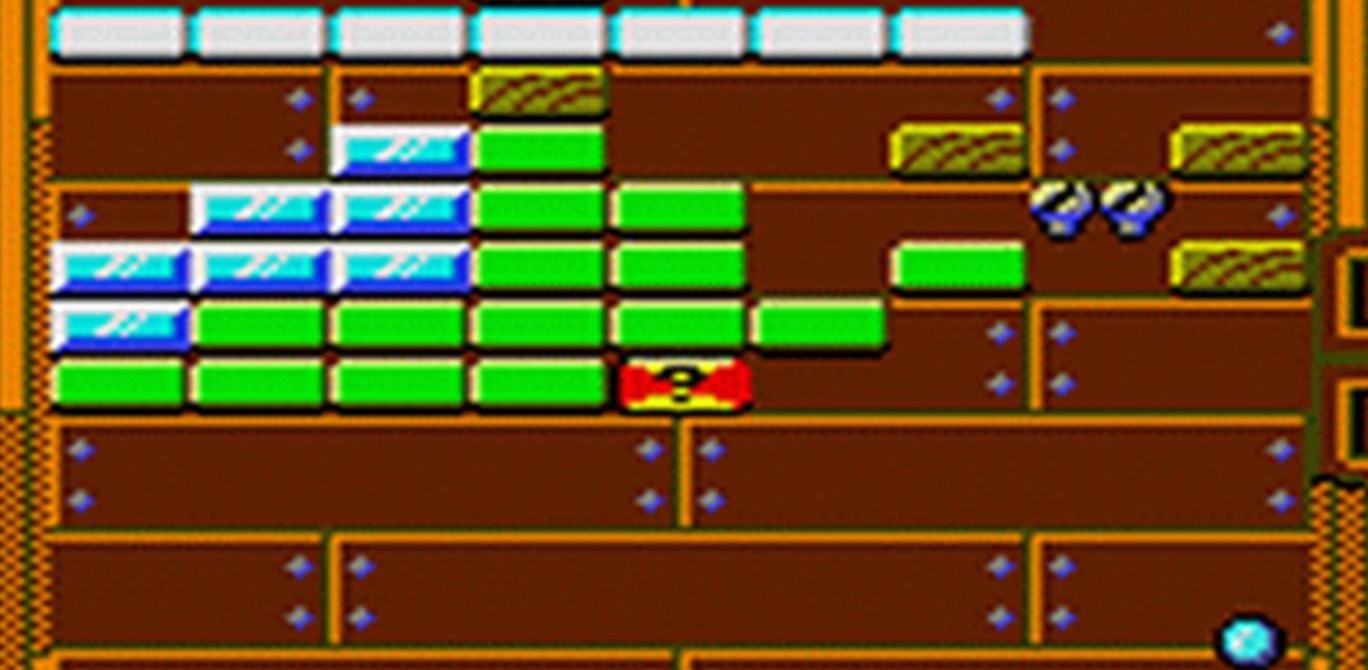
23) Woody Pop (1991)
I enjoy a blockbreaker, and Woody Pop is a decent example of the genre. This one's set in a toy factory, which might be the first blockbreaker plot to make sense. You have to watch out for the special blocks, which break open to release toys that act as hazards. There's even a toy train that chuffs through certain stages. It's slight, but good fun.
Availability: Apparently, the last time this was released was as a hidden game in Lost Judgment on the XBox One, PS4 and PS5.
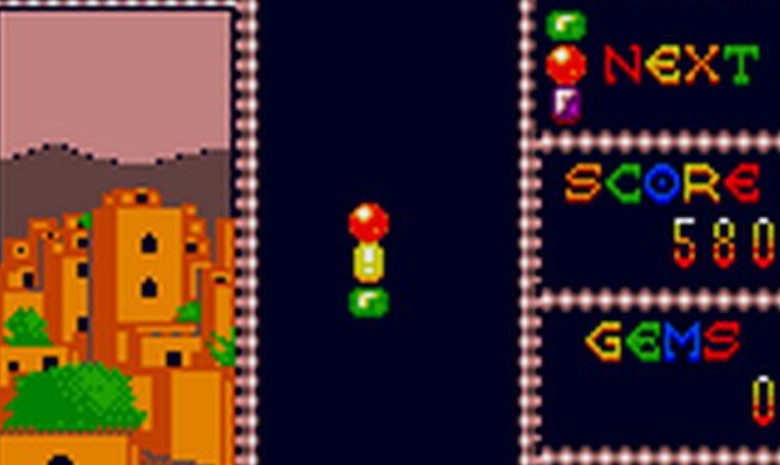
22) Super Columns (1995)
Columns is good, Super Columns is better. While it's not my favourite falling thingy puzzle game, Columns is a fun diversion and an essential in the Sega library. Super Columns adds some new play modes and block types that shake up the gameplay, keeping the formula fresh. A solid puzzler.
Availability: Super Columns is included on the Arcade Gamer Portable, a handheld micro-console made by AtGames around ten years ago. It's easy to find one on the secondhand market. The cart itself isn't a challenge to track down, either.
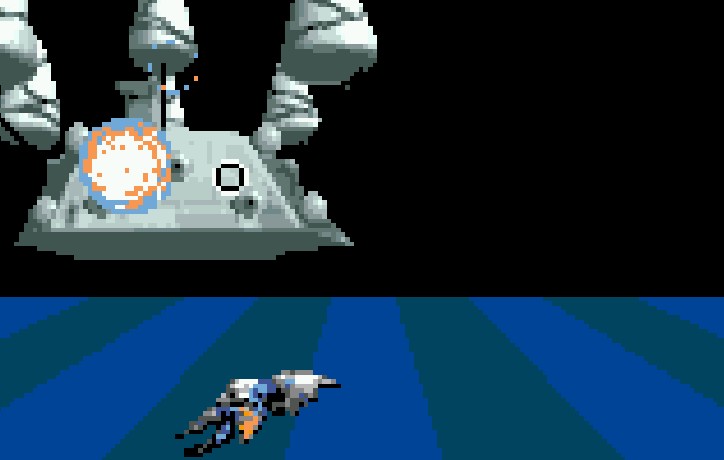
21) Panzer Dragoon Mini (1996)
Panzer Dragoon and its sequels are considered some of the best games on the Sega Saturn. Panzer Dragoon Mini does not have a similar reputation on the Game Gear. But I like this small, simple, pseudo-3D rail shooter. There's something very charming about taking control of a chibi dragon and blasting away at baddies. Aiming the reticule can be a bit of a pain sometimes, but the difficulty is generally low. This was only released in Japan as part of the Kid's Gear range, and as a kids' side version of the Panzer Dragoon series, it's a good bit of fluff.
Availability: No rerelease for this one.
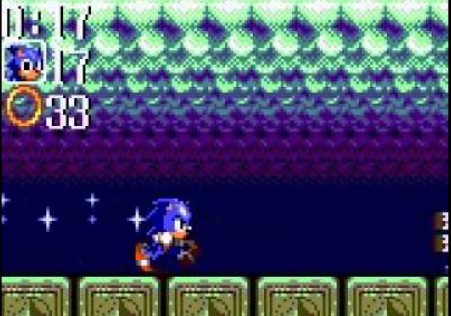
20) Sonic Chaos (1993)
AKA Sonic & Tails, this was the first completely new 8-bit Sonic adventure (as in, not based on a Mega Drive/Genesis original). Although this was created for the Master System, I actually prefer it on the Game Gear. Mainly I enjoy playing as Tails – he can fly, he gets more lives than Sonic, and while he dashes through the levels, he's not so fast you can't avoid obstacles when they pop up. It's not a hard game to begin with, even playing as Sonic. A chill Sonic game, who'd have believed it?
Availability: Sonic Chaos is included on Sonic Origins Plus, along with every other Sonic game for the Game Gear. This is available as a physical release for Switch, PS4 and PS5, and Xbox One and Series X/S. You can also download the Plus expansion pack if you have the digital version on any of those formats, and for PC, Mac and mobiles through Steam and the Epic Store. It's also included on AtGames’ Mega Drive Flashback and Arcade Gamer Portable micro-consoles.
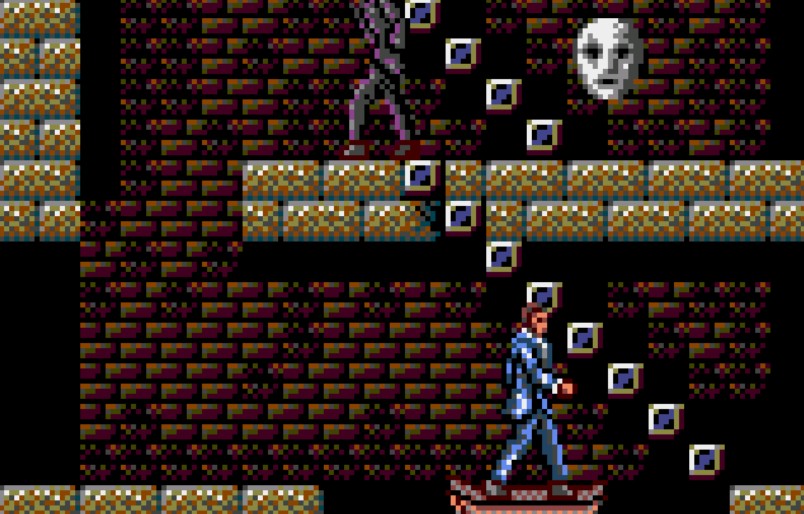
19) Vampire: Master of Darkness (1992)
Back in ’92, this was the answer to Sega owners who wanted a Castlevania game (Bloodlines didn’t arrive until two years later). Also known simply as Master of Darkness (under which name it was ported to the Master System) and In the Wake of the Vampire, this is a decent Castlevania-lite platformer. I think I just about prefer this over the Master System one.
Availability: Nothing at present.
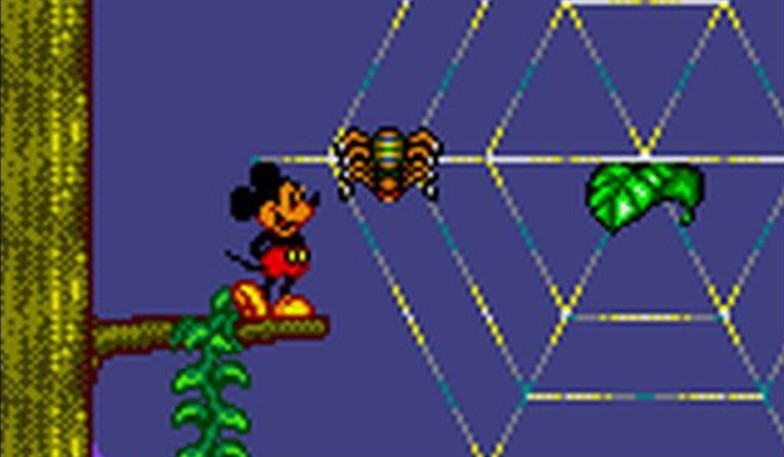
18) Land of Illusion Starring Mickey Mouse (1993)
A solid platformer that works just as well on the Gear as it did on the Master System. The graphics are just as good on the small screen, and the gameplay is a straightforward and fun adventure with some inventive level designs. The fairytale setting works perfectly for a Mickey game, but I think the sequel does all of this somewhat better.
Availability: No rerelease for this one, sadly.
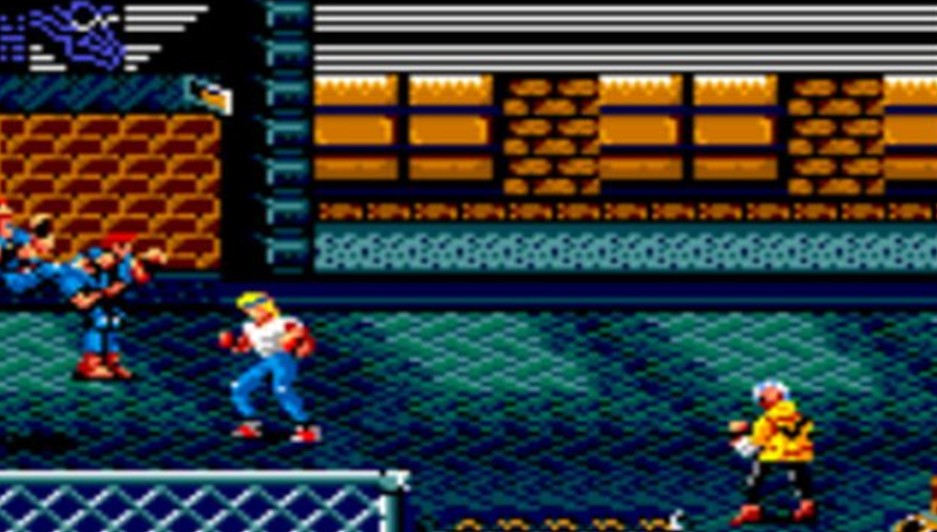
17) Streets of Rage II (1993)
The 8-bit Streets of Rage was impressive enough on the Master System, but getting it to work so well on the Game Gear is remarkable. There's a lot going on at any time in this game, and it could have been muddled blur on the tiny screen, but this has big, well-animated sprites and clear action. It'll never stand up to the Mega Drive/Genesis original, but it's amazing for the handheld.
Availability: Nothing for this version, so far as I know.
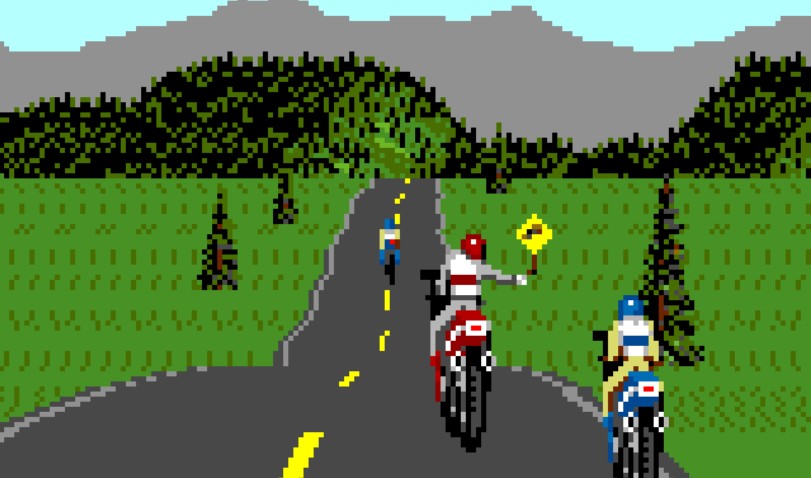
16) Road Rash (1994)
While both the Master System and Game Gear iterations of Road Rash are remarkably strong ports, the handheld version really is something. It’s an amazingly good mini-recreation of a seminal vehicular combat title. There are a few racing games on the Game Gear, and this one has the truest sense of speed and action.
Availability: No licensed availability that I can see.
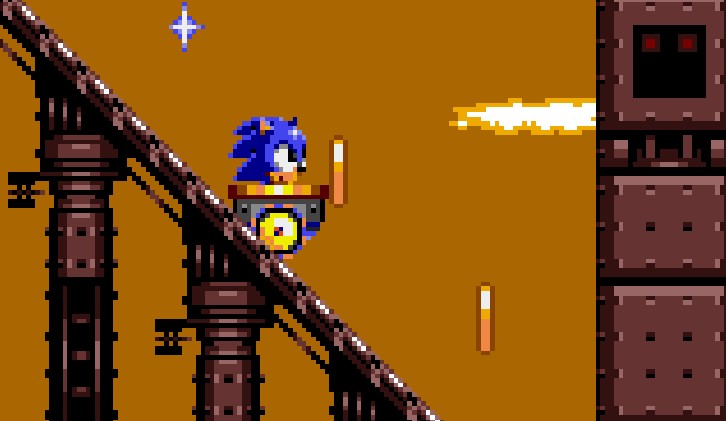
15) Sonic the Hedgehog: Triple Trouble (1994)
With the working title Sonic Chaos 2, Triple Trouble is the only Sonic game to made exclusively for the Game Gear (although that wasn’t always the intention). This is a very nicely designed platformer with broad, varied levels, and it adds some nice elements to the standard 90s Sonic formula. You can play as either Sonic or Tails and it makes a noticeable difference to the gameplay, plus there are new power-ups and vehicles to use. A great little platformer.
Availability: Triple Trouble is included on all the same compilations and platforms as its predecessor, Sonic Chaos.
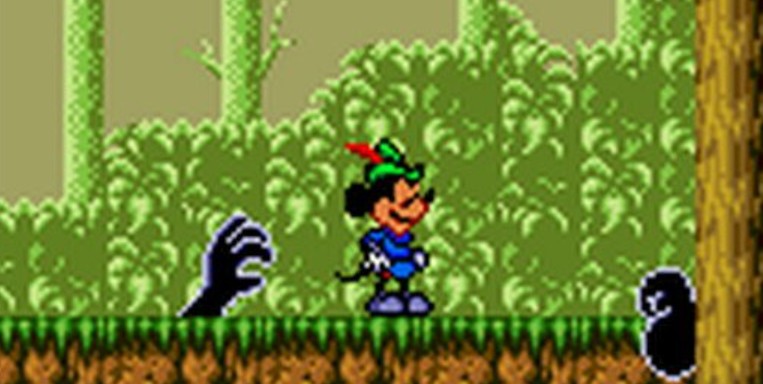
14) Legend of Illusion Starring Mickey Mouse (1995)
The last of the Illusion series, at least until the remakes and tributes that appeared twenty-to-thirty years later. Legend tweaks the gameplay a little, with honorary king Mickey no longer able to use the old jump-on-the-head approach against his enemies, instead only being able to lob things at them. There's a lot more puzzle-based play to the levels as well. Nothing too complex, but it adds a little something.
Availability: No Land, no Legend. About time this series got a compilation rerelease.
13) Doctor Robotnik’s Mean Bean Machine (1993)
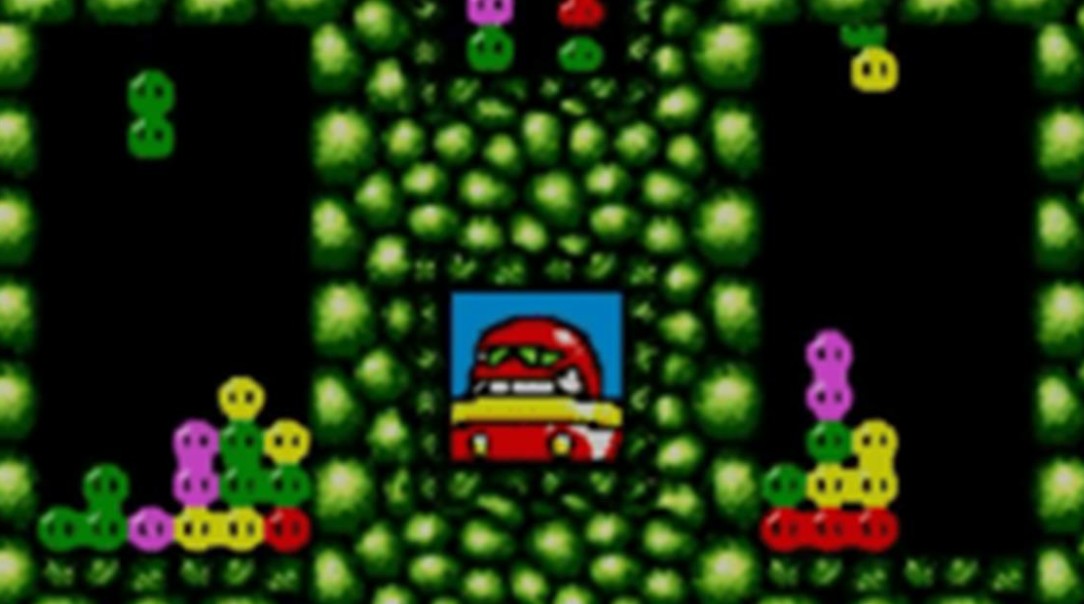
This one’s in here largely on nostalgia vibes. Mean Bean Machine was a staple of the Game Gear. This one got played even more than Columns did when it came to handheld gaming. It’s just a reskin of the Game Gear edition of Puyo Puyo, rebranded as a Sonic game. It’s not even based on the Sonic games, but the nineties animated series. Developer Compile’s main weirdo Carbuncle is still the player character, except he’s been renamed Has Bean. The first Puyo Puyo is pretty sluggish compared to Puyo Puyo 2, but that didn’t get a western release back in the day (well, except on the Neo Geo Pocket Color, and I never even saw one of them). So this was the one we played, and it will always have a place in my heart.
Availability: It’s on the aforementioned Sonic Origins Plus, and the Arcade Gamer Portable. If you prefer the Mega Drive/Genesis version, that’s on the Nintendo Classics Expansion Pack service through Switch Online.
12) Klax (1990)
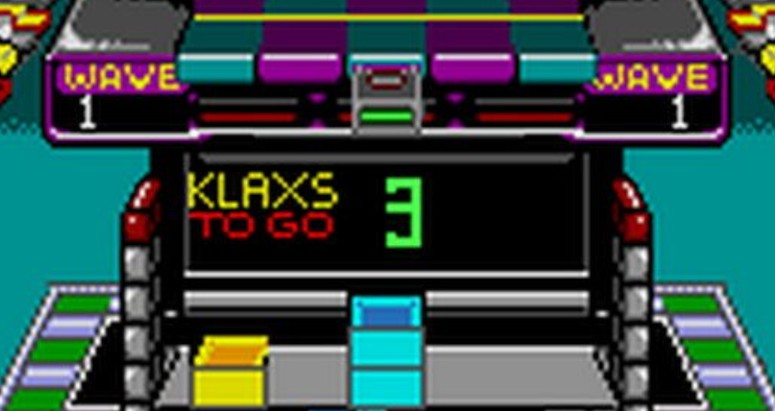
“Step into the 90s with Klax!” Atari’s arcade puzzle hit started as an answer to their trouble with the Tetris rights but is really something quite different. An endless supply of coloured tiles run down a five-wide conveyor belt, and you only have one little tray to catch them. Move fast to place the title where it needs to go before the next one falls into the abyss. Matching three or more in any direction makes them disappear and gives you points; lose three tiles to the drop and it’s game over. As always, it’s the simple games that are the most addictive.
Availability: Nothing official that I can see, which is surprising, given that it was ported to virtually everything back in the day.
11) Devilish (1991)
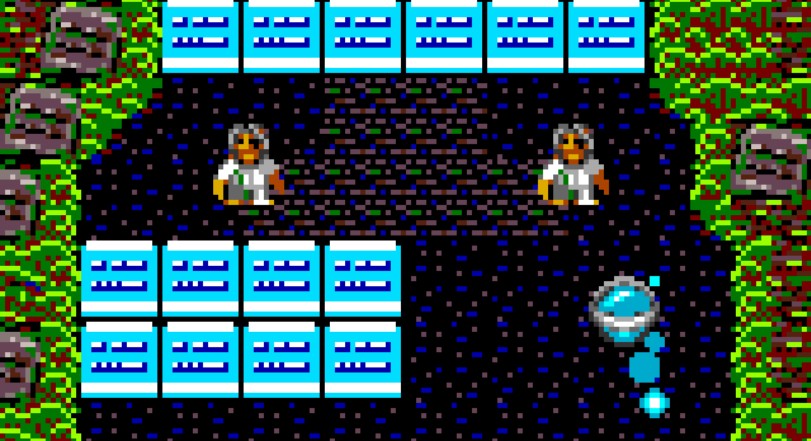
I’ve said before that I find the inclusion of plots in block breaker games funny, and Devilish takes the crown. It’s set in a magical kingdom where a prince and princess are turned into stone paddles by a demon. Now they have take him and his minions out with a mystical ball to take back their realm. This is a great variation on the old Breakout routine, though. You get two (or sometimes three) paddles, the screen autoscrolls so that your playing field is constantly changing, and it’s full of monsters to destroy. There was a sequel on the Mega Drive/Genesis but it works best on a handheld. Visually interesting and a lot of fun.
Availability: Nothing official that I can see.
10) Bust-a-Move/Puzzle Bobble (1996)
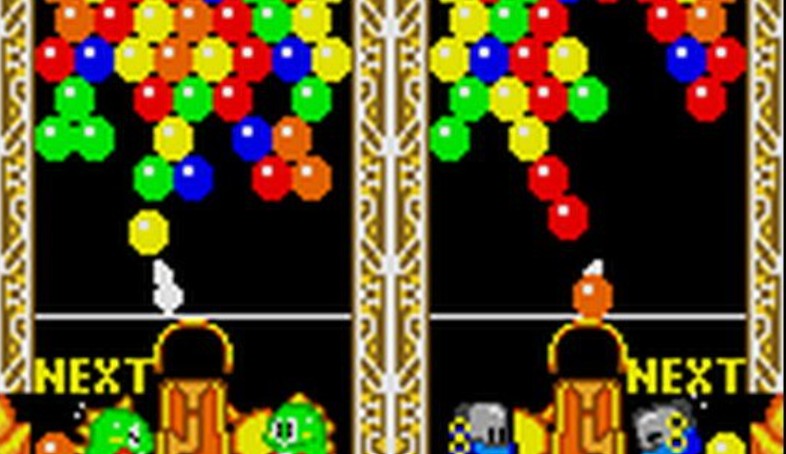
A late release puzzler for the Game Gear, and not released in Europe. In Japan it was released under the Kid’s Gear brand, but then, so was Virtua Fighter Mini. In any case, this is a fantastic puzzler for players of any age. One area where the Game Gear really stood above the Game Boy was colour-matching puzzle games. While some can be adapted to work in monochrome, Puzzle Bobble absolutely needs colour. Some people prefer the two-player version, but the single player game is tremendously addictive and is perfectly suited to casual, handheld play. Tirelessly fun.
Availability: You’ll not find the Game Gear specific version officially anywhere, but there’s enhanced Switch remake Puzzle Bobble Everybubble! Meanwhile, Blaze have released the original arcade version on both the Taito Arcade 3 Evercade cartridge and the Taito Edition Super Pocket.
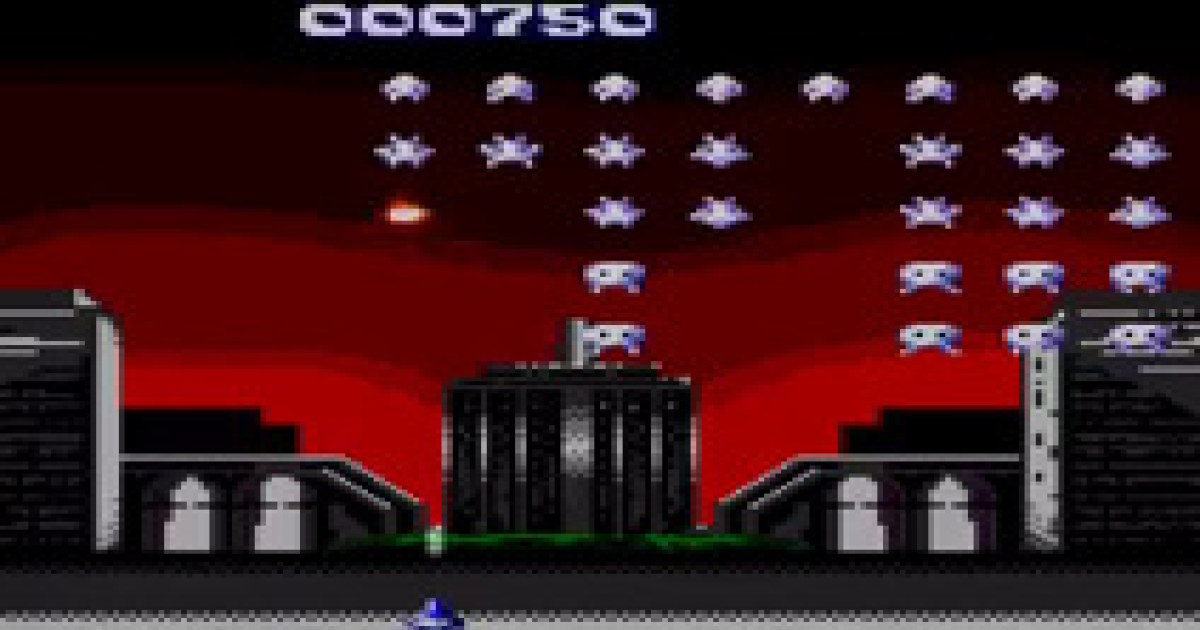
9) Super Space Invaders (1992)
It's Space Invaders, but super! This went by several names in arcades, including Super Space Invaders '91 and Majestic Twelve: The Space Invaders Part IV. It really works on a wee colour screen, though. There's only so much you can tweak Space Invaders before it stops being Space Invaders, and this goes just short of that. A big change is that the bunkers aren't there unless you get a specific power-up; there are also various enemy formations with far more movement and variety than in the original. The background graphics are just lovely, and the bonus “Cattle Mutilation Rounds” are hilarious.
Availability: Both Japanese and US versions of the arcade game are included on the Space Invaders Infinity Collection for the Switch.
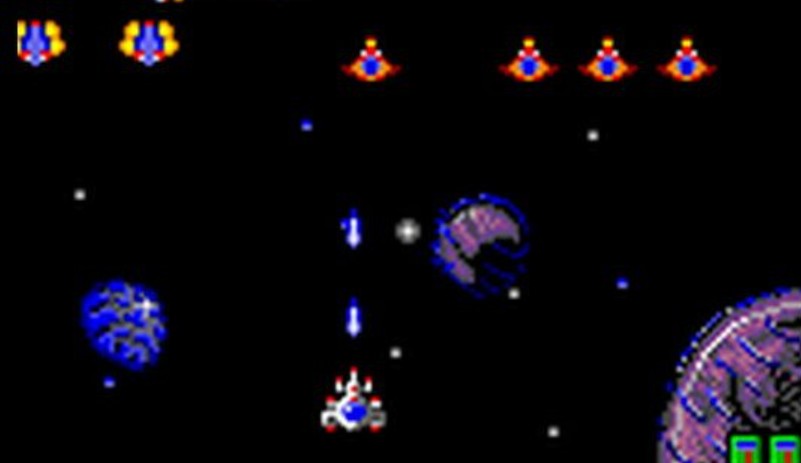
8) Galaga ’91/Galaga 2 (1991)
This is roughly a port of the arcade game Galaga ’88, which had already been ported to the PC Engine/Turbografx-16 as Galaga ’89/Galaga ‘90. That was the fourth game in the Galaxian series, but only the second named Galaga, so I guess calling it Galaga 2 for its European release makes sense. Except Gaplus was also called Galaga 3 in the States… Whatever. It’s Galaga. It’s great fun. It’s beautifully reworked for a small-screened handheld, with bold sprites against striking interstellar playfields in varied gaming modes that keep you on your toes, from fixed shooters to auto-scrolling. And that, my friends, is galactic dancing.
Availability: There’s no rerelease of Galaga ’91 for Game Gear, but the original arcade version of Galaga ’88 is part of Hamster’s Arcade Archives range on Switch and PS4/PS5. It’s not quite the same as the Game Gear version, but it’s bloody good.
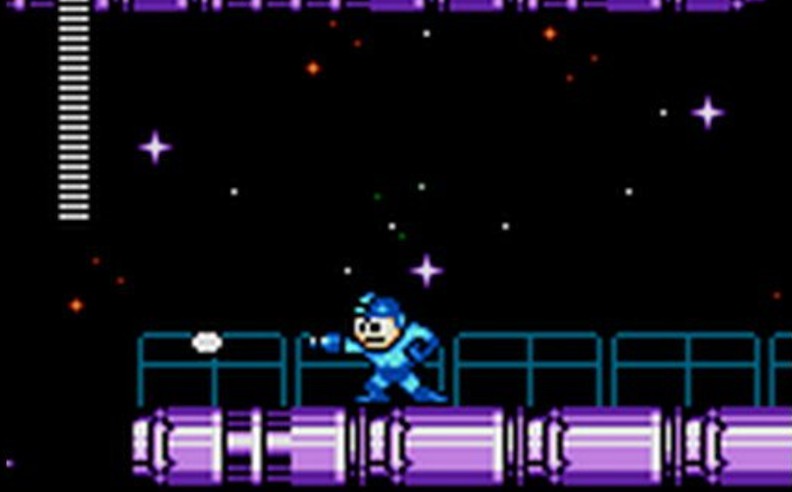
7) Mega Man (1995)
The one and only Mega Man game for the Game Gear, this is an exclusive game to the system and was only ever released in North America. Much like the Game Boy games, this is cobbled together from pieces of NES games; in this case, mostly Mega Man 4 and 5, with a bit of Mega Man 2. In spite of being a rehash, this really works. It feels like a NES Mega Man game, albeit one that’s zoomed in due to the limited screen size. This makes it even harder than the games it’s based on, but it controls well, looks and sounds great and remains very playable.
Availability: I’m surprised this one has yet to make it to a compilation release. The only way to get this legitimately is to shell out about a grand for a rare original cart.
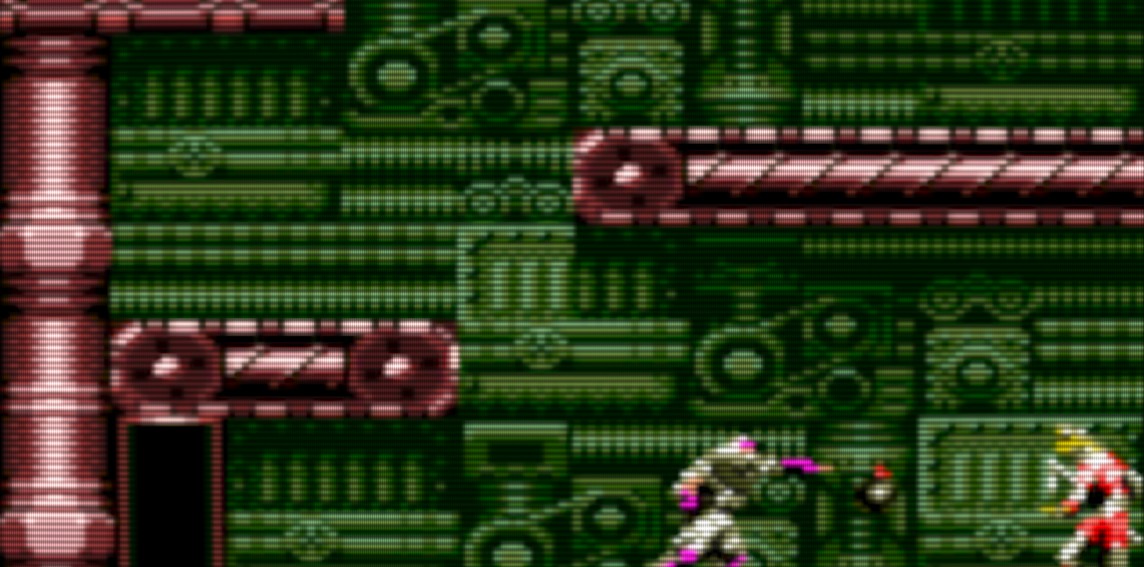
6) The GG Shinobi II: The Silent Fury (1992)
Sega made two exclusive Shinobi games for the Game Gear, both of which cast Joe Musashi as the Red Ninja, part of a team of five different coloured ninjas, Power Rangers style. I quite like the first GG Shinobi but it’s ludicrously hard; the sequel is far more accessible and seems altogether better designed. Like the first game, you can ostensibly tackle the levels in any order, but completing each one will allow you to utilise one of your fellow ninjas, whose abilities are essential for uncovering the power crystals needed to defeat the evil Black Ninja. It adds a non-linear element to an already top-tier platformer.
Availability: While the first GG Shinobi is included on the red edition Game Gear Micro, The Silent Fury is currently unavailable.
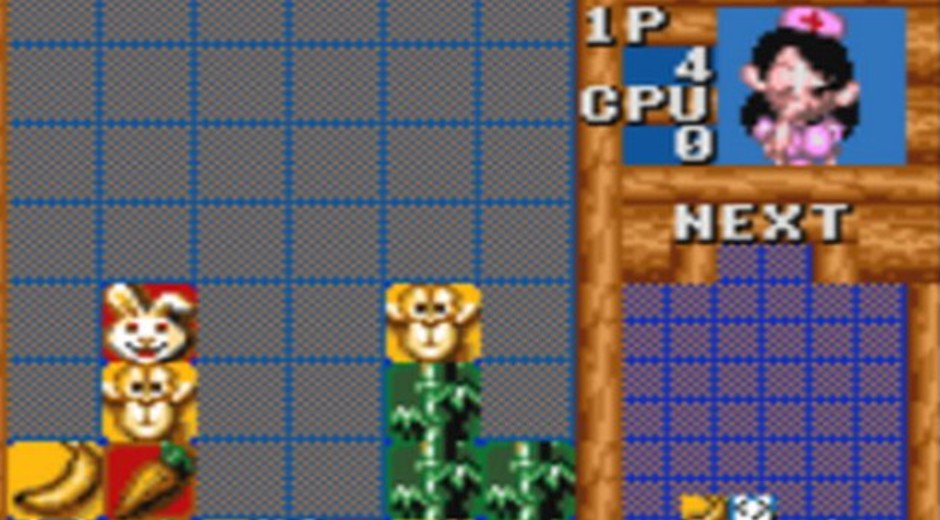
5) Baku Baku Animal (1996)
This was another late landing game for the Game Gear, releasing only a year before the system was officially discontinued by Sega. It was actually released on the Saturn first, and I’d love to play that version. Baku Baku is a fairly simple falling block puzzler, with the twist that you have blocks that display food and others that display animals. Line up an animal block next to a line of the appropriate food blocks, and watch it munch away. It’s a very cute game with straightforward gameplay, but once you get the hang of setting up combos for bigger scores and disrupting your opponent, it really takes off.
Availability: Baku Baku Animal is included on the blue Game Gear Micro, along with Gunstar Heroes, Sonic Chaos and Sylvan Tale, very much making it the one to own, as long as you have very good eyesight. It’s also on AtGames’ Mega Drive Flashback and Arcade Gamer Portable.
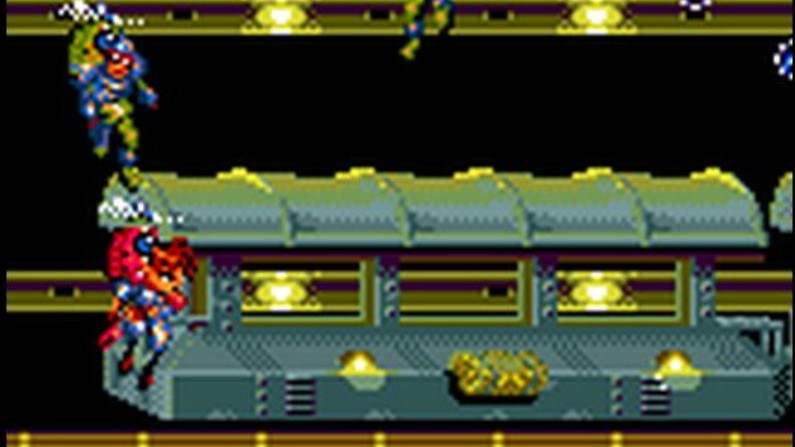
4) Gunstar Heroes (1995)
The original version of Gunstar Heroes topped my Genesis/Mega Drive list. M2’s Japan-only handheld port is an excellent effort but not up there with its parent. It retains the break-neck, run-and-gun gameplay of the original, but the Game Gear’s graphical capabilities aren’t up to running it even with various compromises, and slowdown hits frequently. The lack of a third action button is a pain and the game’s missing a whole level. Still, even a cut-down Gunstar Heroes is still an incredibly enjoyable game.
Availability: If you’re specifically after the Game Gear version, you can find it on the blue edition of the Game Gear Micro.
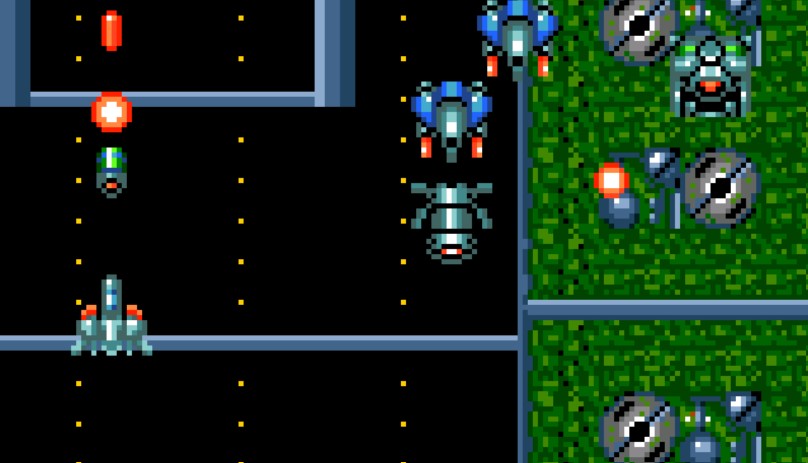
3) GG Aleste (1991)
The first of two handheld Aleste games developed specially for the Game Gear, this stars Ellinor (aka Terri) from Aleste 2 and MUSHA Aleste in her fight against the Moon Child army. Does GG stand for Game Gear? Well, yeah, but it also stands for Galvanic Gunner, her new spaceship. To be honest, the constant scrolling in various directions is a bit tough to follow on the original hardware, but as most people will be playing this on a modern system anyway, I can’t hesitate to recommend this as a great vertical shooter.
Availability: The Aleste Collection was released for Switch and PS4 in 2020, featuring both Master System Aleste games, both GG Aleste games, and even a brand new Game Gear game, GG Aleste 3. Unfortunately, it’s delisted, so you can’t get a digital download, and physical copies are fairly expensive now. Still much cheaper than getting an original cart, though.
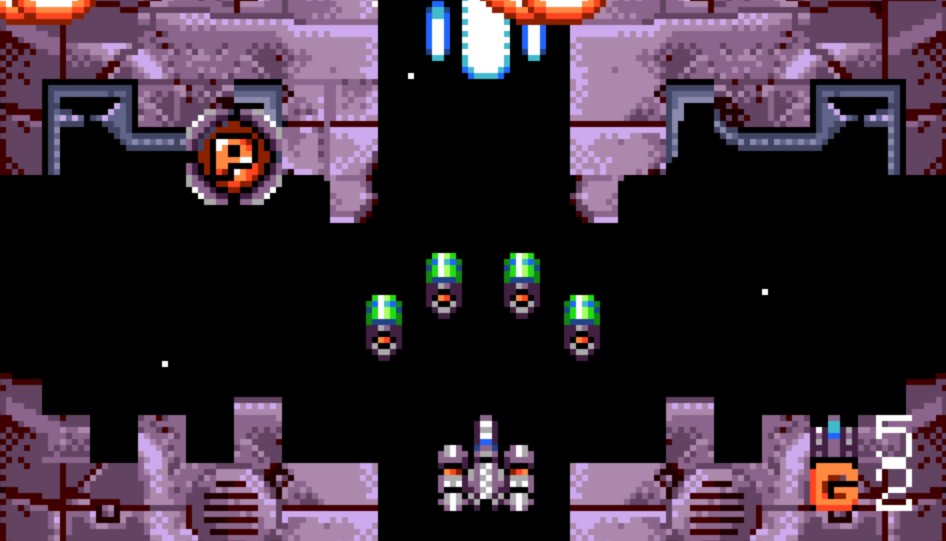
2) GG Aleste II/Power Strike II (1993)
Here we go again. While the original Aleste on the Master System was renamed Power Strike in the West, the GG Aleste didn't get a western release. The sequel to GG Aleste was released as GG Aleste II in Japan and Power Strike II in Europe. This is not the same as the entirely separate, PAL-exclusive Power Strike II on the Master System. In fact, I think this is one of the very best in the Aleste series, very responsive and with remarkably good sound and graphics for the platform. And it just feels very… Alestey, you know?
Availability: It’s in the aforementioned Aleste Collection, along with much of its confusingly named brethren. As well as the standard physical release, there was a special edition that came with a unique Game Gear Micro, featuring all the games in the Collection. I can’t imagine playing them on a micro screen is the best time, though.
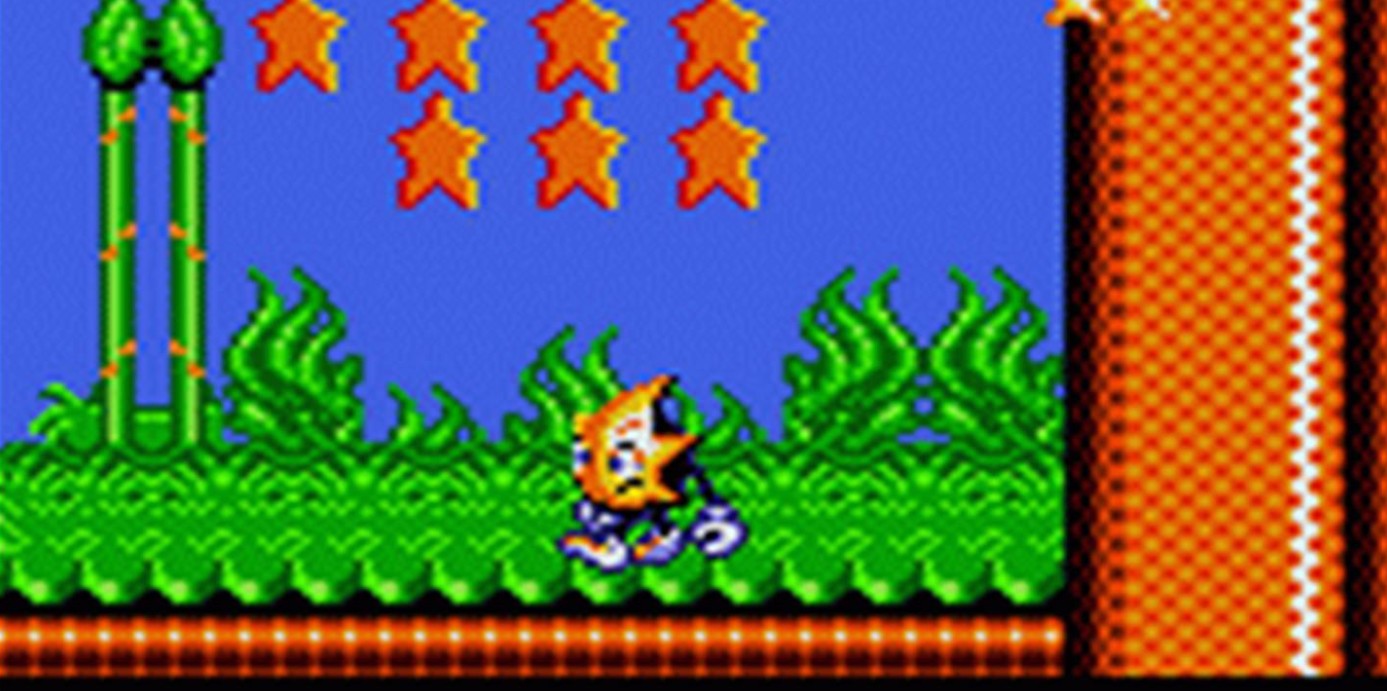
1) Ristar (1995)
Not a port of the Mega Drive/Genesis game, but a similar game produced by the same team. This Ristar makes perfect use of the 8-bit system and the Game Gear’s screen limitations. The gameplay is slightly simplified but includes the option of grabbing weapons off enemies to use yourself; the level designs are quite different and in many cases more inventive; and the graphics wring the handheld for all it’s worth. It’s a shame the Western release removed half the second world as this is the most original one, but even without every level included this is a brilliant platformer that makes the most of Ristar’s unique grab-and-swing mechanic. Honestly even better than the 16-bit game.
Availability: The only recent-ish licensed rerelease I know of is on the Arcade Gamer Portable from AtGames.
About the Creator
Daniel Tessier
Ageing geek, father of one, living in sunny Brighton on the Sussex coast in England. I waffle on about films, TV, books and video games. Occasionally I'll drop a bit of fiction.
Enjoyed the story? Support the Creator.
Subscribe for free to receive all their stories in your feed.
Comments
There are no comments for this story
Be the first to respond and start the conversation.