
Why Workplace Safety Matters
Creating safer work environments protects employees, improves productivity, and strengthens business success.

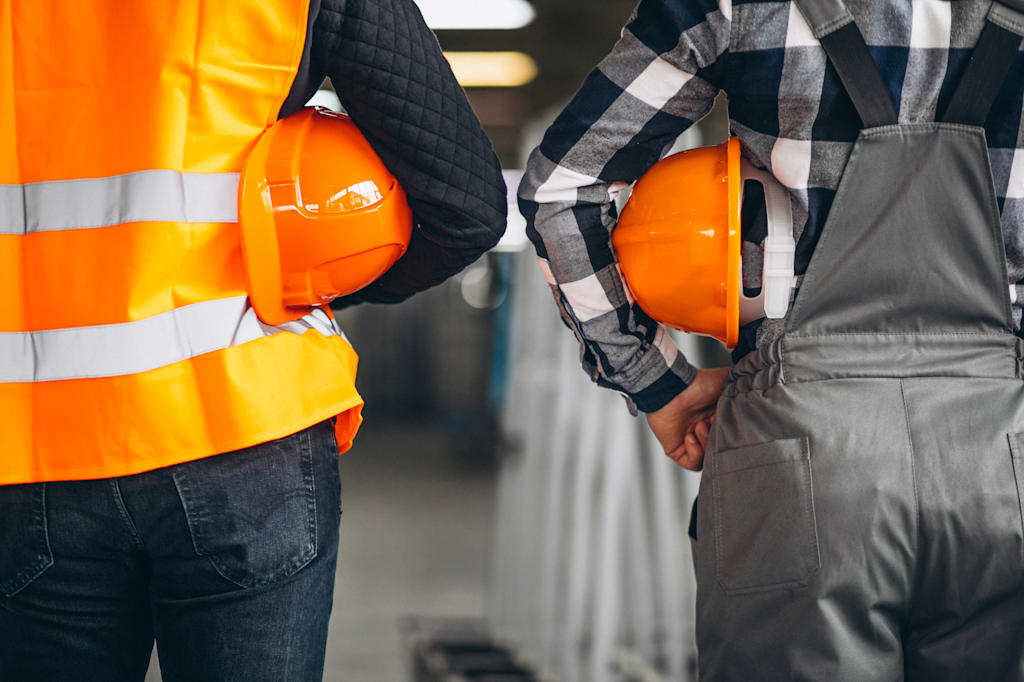
Every day, millions of people head to work expecting to return home safely at the end of their shift. While this may seem like a basic expectation, achieving it requires careful planning, ongoing commitment, and a strong safety culture. The importance of workplace safety extends far beyond complying with regulations. It directly affects employee well-being, business performance, and the overall reputation of an organization.
Workplaces have evolved significantly over the years, with advancements in technology, equipment, and management practices making many jobs safer than ever before. However, risks still exist in virtually every industry. Whether employees work in construction, manufacturing, healthcare, retail, offices, or remote environments, potential hazards can lead to injuries, illnesses, and even fatalities if safety measures are ignored.
Understanding workplace safety importance is essential for employers and employees alike. A safe workplace benefits everyone involved and creates an environment where people can focus on their responsibilities without unnecessary fear or risk.
At its core, workplace safety refers to the policies, procedures, and practices designed to protect workers from harm. These measures may include safety training, proper equipment maintenance, hazard identification, emergency preparedness, and compliance with industry standards. While some organizations view safety programs as a legal requirement, the most successful companies recognize them as an investment in their people and future growth.
One of the most obvious benefits of workplace safety is the protection of employees from injuries and health-related issues. Accidents can have life-changing consequences for workers and their families. A single incident may result in medical expenses, lost wages, emotional stress, and long-term physical challenges. By implementing effective safety measures, organizations can significantly reduce the likelihood of such events occurring.
Workplace safety also contributes to improved employee morale. When workers know their employer genuinely cares about their well-being, they are more likely to feel valued and respected. This sense of trust often leads to greater job satisfaction and stronger employee engagement. People tend to perform better when they feel secure in their work environment.
Productivity is another area where safety plays a crucial role. Injuries and accidents can disrupt operations, cause delays, and reduce efficiency. When employees are injured, businesses may face staffing shortages, training costs for replacement workers, and project interruptions. A safe workplace minimizes these disruptions and allows teams to maintain consistent performance.
Financial benefits are equally important. Workplace accidents can be expensive for organizations. Costs may include medical compensation, insurance claims, legal fees, equipment repairs, and regulatory penalties. Some incidents can even result in lawsuits that damage a company's financial stability. Investing in preventive safety measures is often far less costly than dealing with the aftermath of workplace accidents.
Another key aspect of workplace safety importance is reputation management. In today's connected world, information travels quickly. Companies known for poor safety practices may struggle to attract skilled employees, customers, and business partners. On the other hand, organizations with strong safety records often enjoy greater trust and credibility. A positive reputation can become a competitive advantage in many industries.
Training plays a fundamental role in maintaining workplace safety. Employees should understand potential hazards, safe operating procedures, and emergency response protocols. Regular training sessions help reinforce best practices and keep safety top of mind. As workplaces evolve and new technologies are introduced, continuous education ensures workers remain prepared for changing risks.
Communication is equally critical. Employees should feel comfortable reporting hazards, near misses, and safety concerns without fear of punishment. Encouraging open dialogue helps organizations identify potential issues before they lead to accidents. A culture of transparency allows everyone to contribute to a safer work environment.
Leadership commitment is often the deciding factor in the success of safety programs. When managers and executives actively support safety initiatives, employees are more likely to take them seriously. Leaders who model safe behavior, allocate resources for safety improvements, and prioritize employee well-being send a powerful message throughout the organization.
Technology has also become an important tool in modern workplace safety efforts. Advanced monitoring systems, wearable devices, automation, and data analytics can help identify risks and prevent accidents. These innovations enable organizations to take a proactive approach rather than simply reacting to incidents after they occur.
Mental health should not be overlooked when discussing workplace safety. A truly safe workplace supports both physical and psychological well-being. Excessive stress, burnout, workplace harassment, and toxic environments can negatively affect employees just as much as physical hazards. Organizations that promote work-life balance, mental health resources, and respectful workplace practices create healthier and more productive teams.
The concept of workplace safety extends beyond traditional job sites. Remote and hybrid work arrangements have introduced new challenges, including ergonomic concerns, digital security risks, and mental health considerations. Employers must adapt their safety strategies to address these evolving work environments while continuing to support their employees effectively.
Ultimately, workplace safety is not a one-time project but an ongoing commitment. Hazards change, industries evolve, and new challenges emerge over time. Organizations that continuously assess risks, update procedures, and invest in employee education are better positioned to protect their workforce and achieve long-term success.
The importance of workplace safety cannot be overstated. It protects lives, enhances productivity, reduces costs, improves morale, and strengthens organizational reputation. Most importantly, it demonstrates respect for the people who contribute their skills and efforts every day. When safety becomes a core value rather than an afterthought, businesses create environments where employees can thrive, grow, and perform at their best.
A safer workplace benefits everyone. Employees gain peace of mind, employers reduce risk, and organizations build stronger foundations for sustainable success. In an increasingly competitive world, prioritizing workplace safety is not just the right thing to do—it is a smart and essential business strategy.
About the Creator
Evelyn Clede
Evelyn Clede is a versatile writer & storyteller covering lifestyle, travel, business, tech, personal development, celebrity & current topics. Passionate about insightful, engaging content that informs & sparks meaningful conversations.
Enjoyed the story? Support the Creator.
Subscribe for free to receive all their stories in your feed.
Comments
There are no comments for this story
Be the first to respond and start the conversation.