
Smoke in Cabin American Eagle Incident Shook Nervous Flyers
Air travel depends heavily on trust. Passengers board airplanes believing the crew is trained, the aircraft is safe, and every system has been checked carefully before takeoff.

Air travel depends heavily on trust.
Passengers board airplanes believing the crew is trained, the aircraft is safe, and every system has been checked carefully before takeoff. Most flights end quietly without problems. But when unusual incidents happen inside an aircraft cabin, fear spreads quickly.
That is why the phrase smoke in cabin American Eagle gained so much public attention online. For many travelers, the story triggered deep anxiety about flying. Even people who travel often imagined the panic of sitting thousands of feet in the air while smoke slowly fills the cabin.
The emotional reaction was not only about danger. It was about uncertainty. Passengers trapped in a closed aircraft cannot simply step outside or escape easily.
Why Cabin Smoke Incidents Create Immediate Fear
Few situations frighten airline passengers more than smoke inside an aircraft.
The reason is simple.
Smoke represents uncertainty.
Passengers do not immediately know whether the source is minor or life-threatening. A strange smell could come from overheating electronics, air conditioning systems, wiring issues, engine problems, or even harmless mechanical causes.
But inside a crowded airplane cabin, uncertainty spreads quickly.
Human beings react emotionally when they cannot control a situation.
Imagine sitting on a routine flight. People are watching movies, reading books, or trying to sleep. Then suddenly a strange odor appears.
Someone notices haze near the ceiling.
Another passenger starts coughing.
Flight attendants begin moving quickly.
Understanding American Eagle Flights
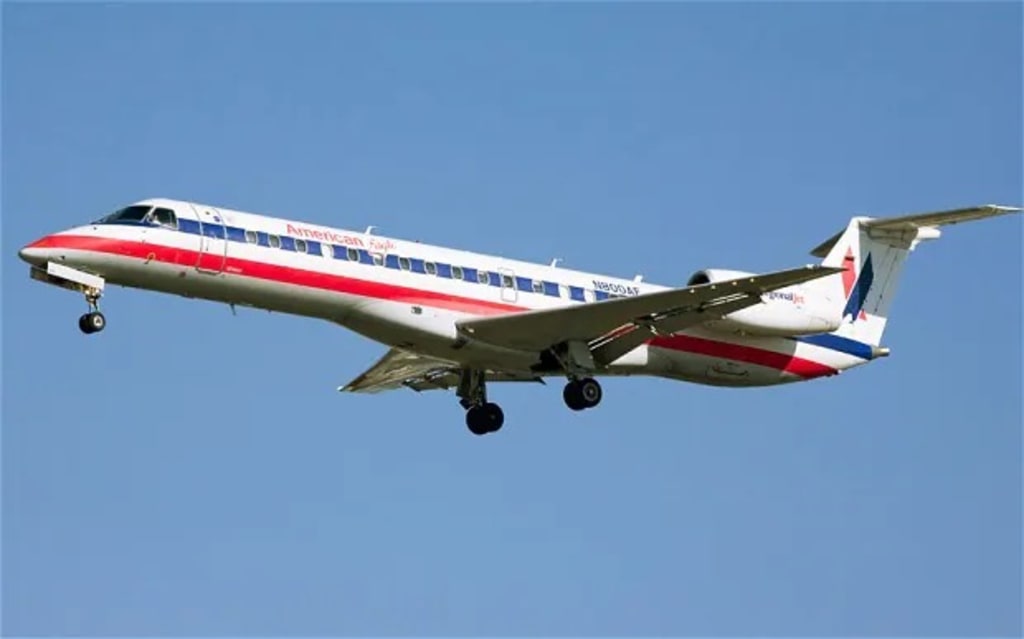
Many travelers assume American Eagle is a separate airline entirely, but the brand actually represents regional carriers operating flights under the larger American Airlines system.
These flights often use smaller aircraft designed for shorter routes.
Regional flights play an important role in connecting smaller cities to major airports across the United States.
Passengers on these aircraft experience the same basic airline procedures as larger commercial flights, but the planes are often more compact.
Because cabins are smaller, unusual smells or smoke can feel even more intense emotionally.
Passengers are seated closer together.
The space feels tighter.
What Usually Causes Smoke Inside an Aircraft Cabin?
When people hear about smoke in cabin American Eagle reports, many immediately imagine catastrophic engine failures.
In reality, cabin smoke can come from many different sources.
Some are relatively minor.
Others require emergency responses.
One common cause involves electrical systems.
Modern aircraft contain complex wiring connected to lights, communication equipment, air circulation systems, cockpit controls, and passenger devices.
If wiring overheats, it can create smoke or burning odors.
Another possible source is the air conditioning system.
Aircraft cabins rely on pressurized airflow systems that regulate temperature and ventilation. Mechanical issues within these systems can sometimes produce unusual smells or visible haze.
Overheated electronics carried by passengers can also become dangerous.
The Emotional Experience of Passengers
For passengers, the emotional impact matters just as much as the technical explanation.
Many people already fear flying.
Some travelers remain calm during turbulence but panic during unusual smells or smoke because the threat feels invisible.
Passengers cannot see electrical systems.
They cannot inspect engines.
They rely completely on the flight crew.
This dependence creates emotional vulnerability.
During smoke incidents, passengers often describe the same reactions.
First comes confusion.
Then people begin looking around for answers.
Someone presses the flight attendant call button.
Conversations grow louder.
Parents hold children closer.
How Flight Crews Are Trained for Smoke Emergencies
Although passengers may panic during cabin smoke situations, flight crews receive extensive emergency training.
Flight attendants practice handling smoke-related incidents repeatedly during training programs.
Pilots also follow detailed emergency procedures.
When smoke appears inside a cabin, crews first identify the possible source.
Communication becomes extremely important.
Pilots monitor aircraft systems.
Flight attendants assess passenger safety.
Emergency equipment may be prepared immediately.
In serious situations, pilots can request emergency landings.
Passengers sometimes misunderstand why crews remain calm during emergencies.
But calm behavior is intentional.
Why Viral Videos Intensify Public Fear
Modern airline incidents spread online almost instantly.
A single passenger recording smoke inside a cabin can reach millions of viewers within hours.
This dramatically changes how the public experiences aviation events.
Years ago, many minor incidents remained local news stories.
Today, social media amplifies emotional reactions worldwide.
Videos showing frightened passengers or smoky cabins create immediate anxiety among viewers.
Even people who rarely fly begin imagining themselves in similar situations.
Online discussions often intensify fear.
Comment sections fill with speculation.
Some people exaggerate danger.
The Difference Between Smoke and Fire
Many passengers assume smoke automatically means fire.
That is not always true.
Smoke or burning odors can appear without open flames.
For example, overheated mechanical systems may produce smoke temporarily without causing a major fire.
Emergency landings may occur even when the danger turns out to be limited.
Passengers sometimes feel frustrated by delays or emergency procedures afterward.
But aviation safety depends on careful decision-making.
In the airline industry, caution saves lives.
Why Flying Anxiety Is So Common
Stories involving smoke in cabin American Eagle situations affect people strongly because flying already creates emotional stress.
Many travelers feel uneasy surrendering control.
Inside an airplane, passengers cannot stop the flight.
They cannot leave.
They cannot personally inspect problems.
This lack of control increases anxiety.
Fear of flying often has less to do with statistics and more to do with emotion.
Commercial aviation remains statistically very safe.
Yet emotional fear does not always respond to statistics.
How Airlines Communicate During Emergencies
Communication during in-flight incidents can shape passenger reactions dramatically.
Clear announcements help reduce confusion.
Silence often increases panic.
Passengers pay close attention to the tone of a pilot’s voice during emergencies.
Even small wording choices matter emotionally.
Flight attendants also play a critical role.
Their body language influences passengers strongly.
If crew members appear calm and organized, passengers often feel slightly safer even in stressful situations.
Airlines train employees carefully for this reason.
The Psychological Effect of Confined Spaces
Airplane cabins intensify emotional reactions because they are enclosed environments.
People cannot easily move around.
Fresh air access feels limited.
Visibility may become unclear if haze appears.
Even small problems feel larger psychologically.
Claustrophobia can also increase fear.
Passengers already uncomfortable with confined spaces may panic faster during smoke-related situations.
Children often react emotionally to adult fear.
If parents appear distressed, children become more frightened.
How Aviation Safety Has Improved Over Time
Although incidents involving smoke in cabin American Eagle reports sound alarming, aviation safety systems have improved enormously over the decades.
Aircraft contain multiple backup systems.
Emergency procedures are constantly updated.
Pilots train repeatedly using flight simulators designed to recreate dangerous scenarios.
Modern airplanes also include smoke detection systems, fire suppression equipment, emergency oxygen systems, and detailed maintenance inspections.
Airlines investigate even minor incidents carefully.
This culture of investigation matters deeply.
The aviation industry studies problems extensively because small lessons can prevent future emergencies.
The Role of Maintenance and Inspections
Aircraft maintenance rarely attracts public attention unless something goes wrong.
Yet maintenance crews play one of the most important roles in aviation safety.
Planes undergo regular inspections between flights and during scheduled maintenance periods.
Technicians examine engines, electrical systems, cabin equipment, ventilation systems, and countless other components.
When smoke incidents occur, investigators often review maintenance records carefully.
They look for warning signs, recurring issues, or mechanical failures.
Airlines know public trust depends heavily on safety.
Why People Remember Airline Incidents So Clearly
Most flights are forgettable.
Passengers board, land, and continue with daily life.
But unusual events create lasting memories.
A passenger who experiences smoke inside a cabin may remember the details for years.
The smell.
The expressions on nearby faces.
The silence before announcements.
The moment fear appeared.
Emotion strengthens memory.
That is why airline incidents spread so widely through storytelling.
Social Media and the Fear Cycle
Modern internet culture often intensifies fear instead of calming it.
When airline incidents trend online, dramatic headlines attract more attention than calm explanations.
Short video clips rarely provide full context.
Viewers see smoke but may not hear technical explanations later.
As a result, emotional reactions grow stronger than factual understanding.
The phrase smoke in cabin American Eagle gained visibility partly because emotionally alarming stories spread rapidly online.
Fear travels quickly on the internet.
What Passengers Can Do During Smoke Incidents
Passengers cannot control emergencies, but certain behaviors improve safety during stressful situations.
Listening carefully to crew instructions matters enormously.
Panic can create additional risks.
Passengers should avoid blocking aisles or ignoring safety directions.
Keeping personal belongings under control also helps.
During emergencies, people sometimes instinctively reach for luggage instead of focusing on evacuation procedures.
Staying aware of emergency exits before takeoff can also reduce confusion later.
Why Fear of Flying Often Returns After News Stories
People who previously felt comfortable flying sometimes become anxious again after hearing about airline incidents.
This emotional response is normal.
Human beings are strongly influenced by vivid stories.
A dramatic cabin smoke incident feels emotionally real even to people who were never involved.
Media coverage increases this effect.
Repeated images and emotional commentary keep the fear active in people’s minds.
For nervous travelers, stories involving smoke in cabin American Eagle situations may trigger old anxieties or create new ones.
How Airlines Rebuild Passenger Confidence
After public incidents, airlines often focus heavily on reassurance.
Passengers want transparency.
They want to know what happened, whether the issue was fixed, and how future risks are being reduced.
Clear communication helps rebuild trust.
So does visible professionalism.
When airlines respond quickly, cooperate with investigations, and prioritize passenger safety, public confidence gradually returns.
Trust in aviation depends not on perfection but on consistent safety culture.
The Human Side of Aviation Stories
Behind every airline incident are ordinary people.
Parents traveling with children.
Students heading home.
Workers flying for business.
Families visiting loved ones.
During stressful flights, strangers often comfort one another.
Passengers share water.
People help calm frightened children.
Flight attendants reassure nervous travelers repeatedly.
These human moments rarely receive as much attention as the frightening headlines.
Why Aviation Stories Stay With Us Emotionally
Air travel represents more than transportation.
For many people, flying symbolizes freedom, distance, opportunity, or major life moments.
Flights connect families.
They carry people toward weddings, funerals, vacations, job opportunities, and reunions.
When something frightening interrupts that experience, the emotional effect becomes stronger.
A smoke incident inside an aircraft cabin feels deeply personal because passengers are physically trapped within the moment.
Conclusion
The public fascination with smoke in cabin American Eagle stories comes from a mixture of fear, uncertainty, and emotional vulnerability.
People trust airplanes to carry them safely across enormous distances. When smoke appears inside a cabin, that trust suddenly feels fragile.
For passengers, the fear is immediate and deeply human.
Yet these incidents also reveal the strength of aviation safety systems, emergency training, and professional response procedures.
Flight crews train extensively for rare emergencies because protecting passengers depends on preparation and calm decision-making.
While viral videos and dramatic headlines often intensify anxiety, most flights continue safely every day without serious problems.
About the Creator
Muqadas khan
Hi! Welcome to my Vocal page. I’ll be sharing fresh articles every day covering stories, ideas, and a bit of inspiration to brighten your feed. Thanks for reading and supporting daily writing! 📖💫
Enjoyed the story? Support the Creator.
Subscribe for free to receive all their stories in your feed.
Comments
There are no comments for this story
Be the first to respond and start the conversation.