
Polygonal Masonry Found Across Ancient Sites
The Unbreakable Walls of the Past: How Ancient Civilizations Defied Time and Technology


The Puzzle of Angular Stone Work
Some of the oldest buildings on Earth carry shapes cut sharp enough to make a knife jealous. These chunks of stone, jagged like broken ice, lock into place without glue or paste holding them together. Across distant lands - from mountain ridges to forgotten valleys - heavy blocks with many sides sit tightly sealed, edge against edge. Blades find no gap wide enough to sneak through. Quakes rattle the ground yet these walls stand still, unchanged by tremors or decades. Puzzles made of rock endure where others would crack and fall apart.
Stone shapes fit tight, a puzzle lasting centuries because someone figured out how to move weight without machines. Heavy blocks line up exact, shaped long before gears or steel arrived on the scene. These fits suggest hands knew more than we assume, working stone like it was thought itself made solid. Tools back then were basic, yet results challenge what counts as possible today.

Features of Polygonal Masonry
1. Cut and Fit Accurately
Flat sides meet at sharp edges, locking stones into place like pieces of a puzzle built in three dimensions.
Where one stone meets another, the fit is nearly invisible - gaps slip under a millimeter without effort. Tiny spaces vanish like whispers between blocks set close by hands long gone.
Stone pieces fit together so tightly they hold without any glue or cement. Their exact shapes lock them in place, making the whole thing stand on its own. Each piece matches the next like a puzzle that refuses to fall apart. The way they connect keeps everything stable - no extra support needed at all.
2. Massive Scale
Heavy stone blocks shape many of these angular buildings - some chunks tip scales past a hundred tons. A few pieces move beyond mere weight into the realm of effort that defies quick explanation.
Heavy stones shape the Sacsayhuamán fortress in Peru, some tipping scales at 200 tons. Built into Ollantaytambo’s landscape sits the Temple of the Sun, its walls lined with blocks heavier than 50 tons. Size doesn’t hide their precision - each piece fits without modern tools. These structures stand despite centuries of shifting ground. Craftsmanship like this resists easy explanation. Yet there they remain, silent under Andean skies.

3. Earthquake Resistance
Wiggling slightly when shaken, the pieces lock together but still move, which helps them survive quakes. Structures built this way handle tremors well because they bend instead of breaking. Movement gets soaked up by how the parts connect, avoiding damage that stiff buildings suffer.
Earthquakes come. Old stone walls in places like Peru still stand, built long ago with tightly fit blocks. Greece has them too - time does little harm. Shaking happens year after year, yet these structures remain much as they were.
4. Lack of Mortar
Stone pieces fit together without any sticky paste holding them tight. Instead of gluing blocks like newer methods do, they lock by shape alone. Each piece finds its place through careful cutting and pressure from neighbors nearby. Shapes matter more than bindings here - edges click into one another naturally. This way of building skips the need for wet mixtures that harden over time.
Heavy pieces sit just right because their form fits perfectly. Balance shows up through exact cuts made by hand. Each rock holds still only when its mass lines up correctly.
5. Hidden Methods and Unfamiliar Tools
How these stones were shaped is still a mystery. Nobody knows what tools carved them. Cutting techniques have left no clues behind. Some believe ancient hands did the work. Others think lost skills played a role. Yet no clear evidence has turned up. Methods vanished without a trace. Stone by stone, the puzzle stays unsolved.
Out of nowhere, certain rocks show oddly even faces - almost too clean for natural wear. Still, nothing like cutting instruments appears alongside them underground. Tools that could do this remain missing without a trace.
Some think forgotten tools carved the rocks. Others believe aliens helped move them. How they got into place stays unclear. Lost knowledge might explain the cuts. Hidden methods could have shifted their weight. Fitting them together remains a puzzle. Strange ideas fill the gaps where facts end.
Examples of Polygonal Masonry Around the World
Found everywhere from Peru to Italy, polygonal stonework shows up in far-flung ruins. Though separated by oceans, these structures share tight stone fits without mortar - built either through shared knowledge or similar needs.
South America before and during the Inca
1. Sacsayhuamán (Peru)
Near Cusco Peru.
Maybe built during the 1400s or 1500s under Inca rule - though a few experts think it could go back way further. Yet its true age still isn’t settled.
A giant stronghold rises, its three layers of wall built from limestone mixed with andesite. Stone upon stone, the structure holds firm through time, shaped by ancient hands working without rush. Each level steps higher, crafted slow, meant to last beyond memory.
Some of these stones tip the scales at 200 tons - towering as high as 28 feet, which is about 8.5 meters into the air. Their size surprises most who see them up close.
A single sheet of paper? It won’t slide into those gaps. That tight seal comes from stone edges shaped with extreme care.
Mysteries:
Even without iron tools or wheels, the Inca managed to move huge stone blocks. Though they lacked what others had, their methods still worked remarkably well. Massive stones were shaped and carried using only simpler means. These feats happened long before modern machinery arrived on that land. Despite missing key technologies, progress was never out of reach. Skill made up for what tools could not provide at the time.
Some of those rocks at Sacsayhuamán came from a quarry more than twenty miles off. That distance makes people wonder just how they hauled them there. Movement of such heavy blocks across rough land seems hard to figure out today. Yet somehow it was done without modern machines. Experts still debate which methods might have worked back then.

2. Ollantaytambo (Peru)
Sacred Valley Peru.
Back then, around the 1400s under Inca rule, though earlier people may have shaped the place first.
A maze of towering rocks forms wide platforms across the site. Built long ago, angled barriers wrap around open spaces. Heavy blocks line stepped grounds without mortar. Sharp edges meet at odd corners throughout. Stone upon stone rises into flat stages above ground level.
Among those massive slabs inside the Temple of the Sun - six of them, each heavier than fifty tons - the way they meet feels almost unnatural. One stone lines up against the next as if shaped by light itself. These aren’t rough-hewn blocks but carefully matched surfaces that barely let a blade slip between. Weight means nothing when fit matters more. Precision like this didn’t come from luck. Each piece found its place through relentless effort. Heavy doesn’t begin to describe what was moved here.
Mysteries:
From six kilometers off, workers pulled stone blocks up slopes after cutting them at the quarry. River crossings slowed each heavy load on its way to higher ground.
Some stones show incomplete cuts likely left during construction.

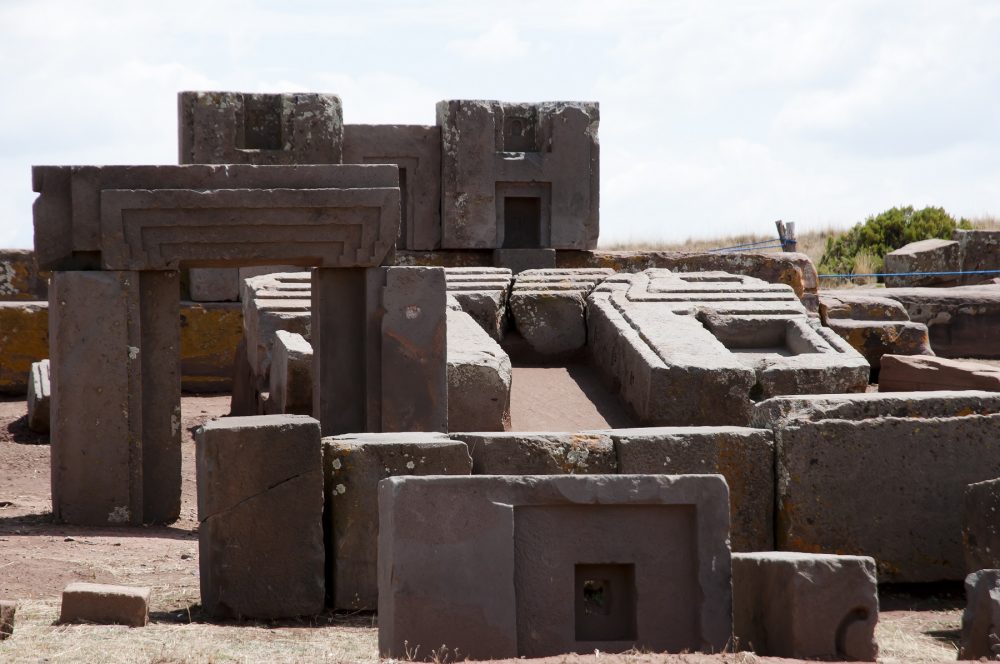
3. Puma Punku (Bolivia)
Near Tiwanaku Bolivia.
Some say it comes from 500 to 600 AD, tied to the Tiwanaku people - though others claim it might actually go back more than ten thousand years.
A megalithic site built with precisely cut andesite stones.
Some stones fit together using metal clips - a method missing in nearby areas.
Some stones show evenly spaced holes and precise shapes.
Mysteries:
Stone like andesite resists shaping when worked with basic implements because of its firmness on the Mohs scale - ranging from six to seven. Tough rock doesn’t yield easily under early tool types.
High above sea level, close to Lake Titicaca, the location sits at 12,800 feet - about 3,900 meters - where moving anything becomes tougher. Though remote, reaching it demands extra effort because of the thin air and rough terrain. Roads twist sharply through the mountains, slowing every journey. Just getting supplies here takes longer than most expect. Each trip faces weather that changes fast without warning. Even strong vehicles struggle on these paths when rain turns dirt to mud. Because of where it lies, help can take hours if something goes wrong.
Europe’s Ancient Mediterranean Stone Walls
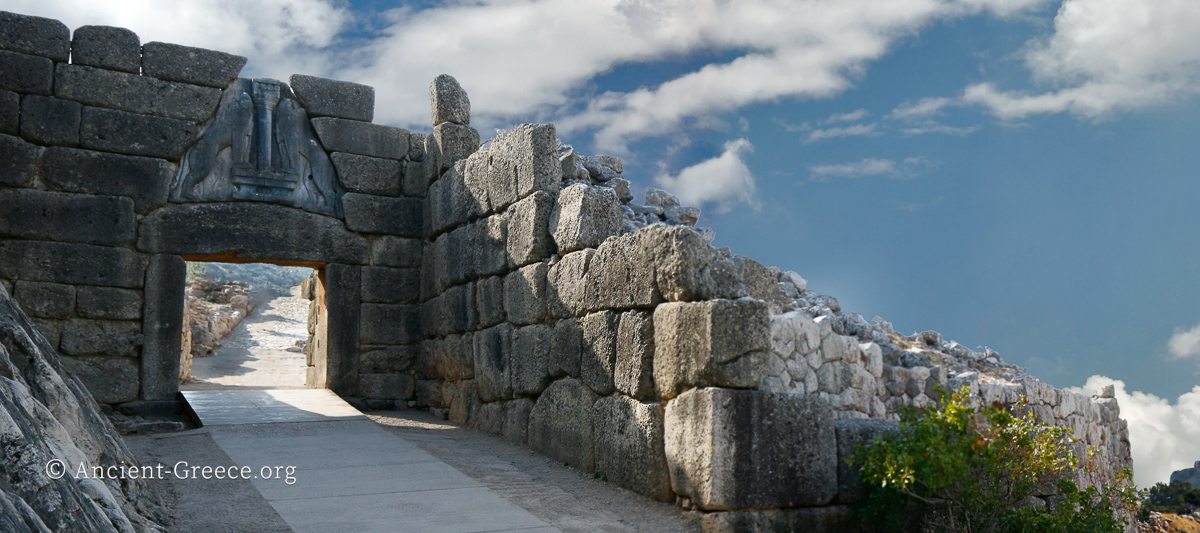
1. The Cyclopean Walls of Mycenae Greece
Mycenae Greece.
Age 1600–1100 BC Bronze Age.
Huge chunks of limestone - some tipping the scales past twenty tons - sit snug against one another, held tight by fit alone. Not a trace of mortar seals their edges. Precision keeps them locked like pieces meant never to part.
The Lion Gate stands out, while the Treasury of Atreus shows similar importance.
Mysteries:
Some say those stones fit too perfectly for regular folks to have placed them. Giants with one eye must’ve done it, ancient Greeks figured. Impossible skill like that? Not possible without mythical strength. Those massive blocks stacked clean - no gaps, no wobble. Human hands just weren’t up to the task, so legend filled in the blanks. Big shapes locked tight made people imagine supernatural builders. Mystery of method gave rise to monster tales.
From nearby quarries came the stones, yet how they moved them is still a mystery. Though dug close by, nobody knows what carried them into place.
2. The Nuragic Buildings in Sardinia Italy
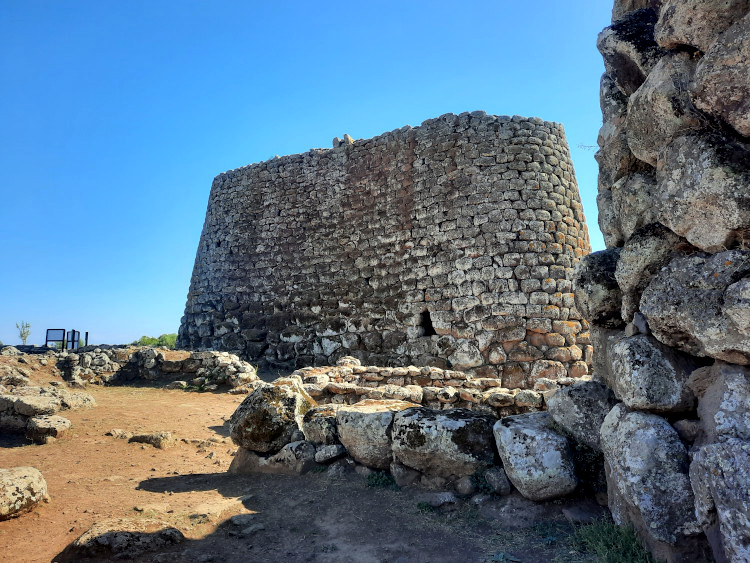
Sardinia Italy.
Age 1800–238 BC Nuragic Civilization.
Nuraghi stone towers made with polygonal blocks.
Some buildings have stones over 40 tons.
Mysteries:
Hidden within silence, the Nuragic people left behind no writings at all. Their methods remain unknown purely because they wrote nothing down. Without any inscriptions, clues vanish into thin air. Mysteriously quiet, their legacy survives only through fragments in stone. Though present everywhere archaeologically, their words never made it through time.
Still nobody agrees on what nuraghi were really for. Could they have been strongholds? Maybe places where people prayed. Some think they lined up with stars and planets. One thing stays certain - their true role hides behind guesses. Answers shift like desert sand when you try to pin them down.
3. The Walls of Tiryns Greece
Tiryns Greece.
Aegean Bronze Age Mycenaean Period.
Cyclopean Masonry Using Polygonal Stones.
The walls reach 20 feet thick in spots.
Mysteries:
Strong walls rose around Tiryns, Homer wrote in The Iliad, built so firm even gods might fail to break through.
The stonework shows signs of skilled engineering.
Asia's Hidden Giant Stones
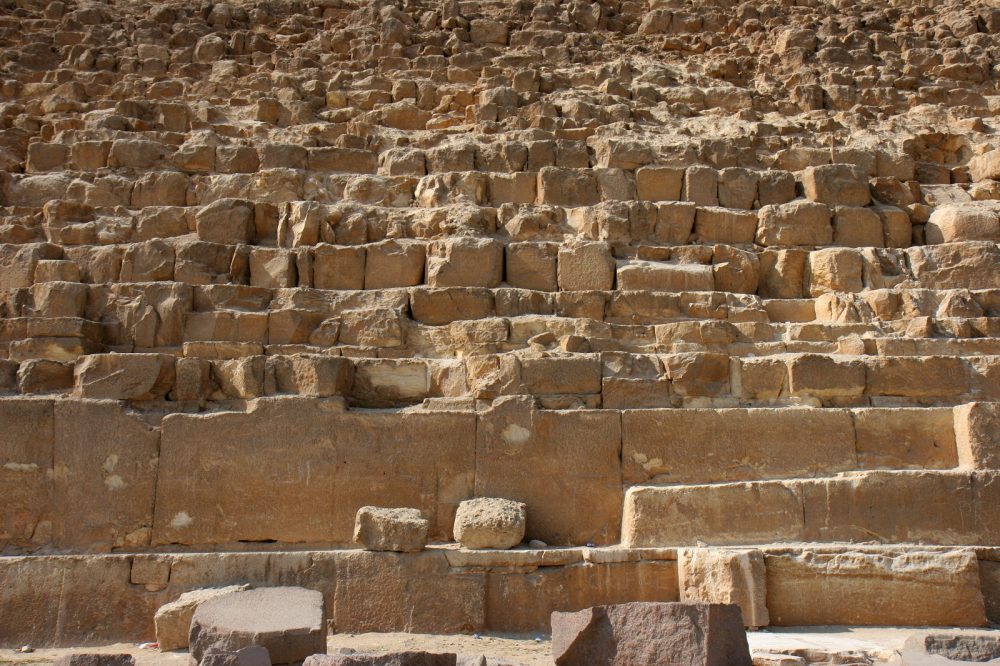
1. The Great Pyramid of Giza Egypt
Giza Egypt.
Age Around 2580 To 2560 Bc During The Old Kingdom.
Though not entirely built with flat-sided shapes, the main rooms inside Egypt's biggest pyramid fit together blocks of limestone and granite cut to exact sizes.
The King s Chamber has massive granite beams placed exactly.
- Mysteries:
From Aswan - over 500 miles distant - the stone blocks came, while those across the Nile arrived from Tura.
Exactly lined up with north, south, east, and west, the pyramid shows almost no deviation. Though ancient, its positioning stays remarkably precise. Directionally true, it faces each point without noticeable shift. Built long ago, yet aligned with striking accuracy. Its orientation matches the compass points more closely than expected. Not off by much, if at all, in how it sits on the land.
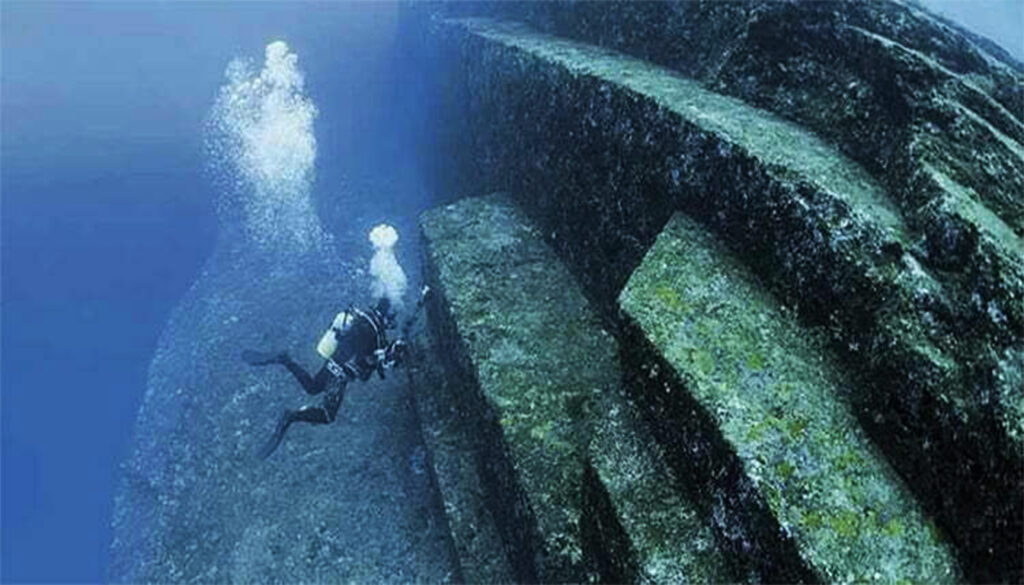
2. The Yonaguni Monument Japan
Yonaguni Island Japan.
Some say it might be older than ten thousand years - if people built it. How old exactly? Nobody agrees on that number.
A strange shape lies below the water, made of stone blocks fitted together. Its flat levels step down like stairs carved by time. Sharp corners meet where walls bend at perfect turns.
Some stones have edges shaped exactly square.
Mysteries:
Though mainstream archaeology says it formed naturally, some independent investigators believe people built it. What looks like rock to experts appears structured to others. Not shaped by chance, in their view, but deliberate hands. Nature takes credit officially, yet questions linger unofficially. While textbooks call it geological, certain studies point toward design. Accepted theory leans one way, though curiosity pulls another.
Should humans have built it, this structure would appear long before any recorded Japanese society existed.
Other Key Locations
Heavy stone pillars shaped like capital T letters stand at Göbekli Tepe in Turkey. These blocks tip scales above sixteen tons each. Workers carved them long before modern tools existed. Around twelve thousand years back, they placed these stones carefully into position. Though not built with polygonal methods, their fit shows remarkable accuracy. Someone planned each piece well ahead of placement. The site challenges old ideas about early human skills.
A giant temple once stood in Lebanon, built long ago by Romans. Stone pieces fit together like a puzzle, each one huge. These blocks were cut with care, shaped into walls that last. Heavy stones locked tight without mortar holding them. Time has worn the place, yet it still feels powerful today.
Stone by stone, the walls of Cuzco rise with shapes that fit like a puzzle made long ago. These are Inca hands at work, deep inside what was once their center of power. Each block carved without mortar, yet held firm through time. Not straight lines but curves and angles built to last. This city stood where rule began, shaped by precision few can match today.
Theories On Polygonal Masonry Construction?
Stone blocks cut with sharp edges, massive size, strong lasting power - these traits spark many guesses on how old cultures built them. Though certain ideas stick close to recorded methods, a few drift toward guesswork and odd corners of study.
🔨 Mainstream Theories
1. Hand Tools and Persistence
Stone and copper tools
It might be true that tough rocks, such as dolerite, helped shape softer ones by pounding and grinding. A few scientists suggest this method made carving stone easier back then. Instead of sharp tools, they likely relied on steady knocking and rubbing. The process probably took time but worked well enough. Hard rock hitting soft rock slowly changed its form. This kind of shaping may explain how ancient builders made large structures without metal tools.
Chisels made of copper, though not as hard as iron, could handle delicate work. Still, they got the job done when precision mattered most.
Wooden Wedges and Water
Water-soaked wood pieces, when driven into stone cracks, slowly swelled. This pressure forced boulders apart in mining areas. Expansion did the work where force failed. Moisture changed everything - quietly, steadily breaking solid rock.
Maybe water mixed with sand helped wear down rough spots. Sliding that mix across stone might have left things smoother behind it.
2. Levers and Ramps
- Transportation:
Heavy stones could have shifted on wooden skids, maybe with logs underneath to roll them forward. Leverage likely helped nudge each piece into place. Movement probably relied on simple tools lined up just right.
Sliding stones up sloped paths might have been one way workers moved them. Sometimes dirt piles guided heavy blocks higher. Steep inclines made lifting easier without machines.
The way up might have been with ramps when the Egyptians put those stones in place. Heavy blocks moved slow, helped by weights that balanced them out. Building high came step by step, not all at once. Some think wood frames held things together while they climbed taller. Work continued each day under hot sun, one block after another.
3. Trial and Error
- Incremental Fitting:
Some stones might have gotten smoother over time, worked on until they clicked into place just right.
Over years of testing, mistakes might slowly shape exact results. Success often came after countless tries. Each failure taught something new. Time brought gradual improvement. Experience built detail by detail.
🤯 Alternative Theories
1. Lost Advanced Technology
- Ancient Machining:
Water or animals might’ve driven tools like lathes, some say. A few investigators, Christopher Dunn among them, think old Egyptian workers used precise cutting gear. Not everyone agrees, yet signs point to oddly smooth surfaces shaped with steady hands - or machines. Details stay fuzzy, but marks on stone hint at methods beyond chisels and time.
Evidence of perfectly drilled holes in hard stone such as serpentine box at british museum.
- Concrete-Like Mixtures:
It's possible early societies shaped rock by pouring a blend of crushed stone and binder into molds. One idea points to man-made stone-like material instead of carving solid blocks. Shaping pieces this way might explain oddly perfect fits in old structures. Experts debate whether tools or chemistry did the work. The notion challenges how we think about ancient building skills.
2. Alien or Other Help
Ancient Astronaut Theory
Some folks, such as Erich von Däniken, think aliens might have helped early people construct these buildings. While it sounds far-fetched, they point to odd details in old ruins. Not everyone agrees, yet the idea keeps popping up now and then. Clues found in carvings spark talk of visitors from distant stars. Even so, mainstream scholars remain skeptical about space beings lending a hand.
Evidence cited includes
Puma Punku stones show signs of precise cutting resembling machine work.
Some stones show no signs of tools, hinting at ways beyond human hands.
- Criticism:
No Alien Involvement Confirmed.
Most folks don’t realize how clever people can be.
3. Sound or movement methods
Sound Frequency Cutting
One idea floats through certain studies - stone might’ve been shaped by sound, say voices like Dr. Robert Schoch’s. Not chisels, but frequencies possibly bent rock into form. A few think ancient hands guided pulses instead of tools. Vibration, not force, maybe opened paths in solid blocks. Whispers of resonance could’ve done what hammers cannot.
Sound at high frequencies has been tested on stone. Results show cracks forming under pressure. Some trials broke solid rock apart. Waves of energy made materials split. Tests proved intense vibrations damage hardness. Shaking structures led to breakdowns in density. Pressure from tones caused pieces to separate.
- Example:
Some think sound carved the stones in Peru. These rocks hum when struck, people say. Not everyone agrees how they got that way. A few claim ancient builders sang them into form. Others point to tools instead. Still, the idea sticks around. Vibration shaping rock - that notion lingers. No proof rules it out completely. Quiet myths hold tight there.
4. Anti-Gravity or Levitation
- Levitation Theories:
Now and then, odd ideas pop up about old societies mastering strange forces to lift huge rocks. A few of these notions claim people long ago used unseen pushes or floating tricks instead of muscle. Though mainstream science ignores such claims, whispers remain. Hidden knowledge, some insist, once let builders glide stone without wheels or ropes. These views sit far outside accepted history. Yet they keep appearing in dusty corners of debate. Not proof exists, just hunches dressed as facts. Still, the image sticks - monuments rising through silence, not sweat.
A so-called ancient tool called Merryll’s Disk pops up now and then. Some people point to it like it proves something real.
Just because someone says it doesn’t mean it’s true. These ideas aren’t backed by research. Evidence? Missing entirely. What looks like fact turns out to be guesswork. Believing them means ignoring how science works.
No Technology Exists to Back the Idea.
Why Polygonal Masonry Matters?
Across the world, polygonal masonry shows up in old stone walls where pieces fit like a puzzle - no mortar needed. That kind of precision makes you wonder how people so long ago managed such work without modern tools. It shifts what we think about who they were and what they could do. Each jagged edge tells a quiet story of skill that doesn’t match our usual timeline. This isn’t just stonework - it hints at lost knowledge buried under centuries
1. Rethinking Ancient Engineering
Back then, using basic tools might mean those old-time builders were way more skilled than folks thought. Patience played a big role too, maybe even more than guessed at first.
Lost know-how might explain why some old devices still puzzle experts today. Though forgotten methods could account for such mysteries, hard proof remains scarce. When ancient blueprints surface, they sometimes match modern designs too closely. Because gaps in history hide clever solutions, what seems new may actually be very old. Without clear records, guesses fill the spaces between artifacts.
2. Evidence of Global Connections
Polygonal masonry in Peru Greece and Egypt shows similar stonework.
One idea comes from scholars who think an ancient worldwide culture - like Atlantis - might have carried these teachings. Not everyone agrees, yet the thought lingers among certain studies. Hidden roots of wisdom could trace back to such a place, some suggest. Clues appear scattered, pointing toward something older than known history. A few point to myths as echoes of real events long forgotten.
3. Earthquake-Resistant Design
Engineers examine ancient stone shapes for quake resilience.
Buildings that shift slightly during quakes hold up better because their parts click together like puzzle pieces. This idea shows up today in how engineers plan quake-safe structures. Movement gets soaked up instead of resisted when joints give just enough. Modern designs borrow this trick so damage stays low when the ground shakes.
4. The Mystery of What Came Before
Polygonal Masonry Challenges Historical Understanding.
Big questions start to show up here
Ancient People and Their Precision?
Tools They Used?
What made people forget this knowing?.
Modern Research and Experiments
Now scientists dig old stone tricks. Builders test fit massive blocks without mortar. Some curious minds puzzle out ancient methods. Lately teams mimic jagged rock walls. Others trial balance heavy chunks tight. Recently experts copy twisty stonework shapes.
🔬 Scientific Studies
NOVA This Old Pyramid 1997
A small group tried shifting a heavy stone pillar, weighing two and a half tons, just like builders did long ago in Egypt. Ropes dragged it forward while wooden ramps guided its path upward. Sledges made of timber carried the load across rough ground slowly. Workers used long poles to adjust position when needed during movement. One person shouted directions only after testing each step first. The whole process relied on balance more than strength at key moments. Tools were basic but placed exactly where required before any push began.
Success came through effort, yet they pointed out that bigger blocks - such as the ones in pyramid walls - would demand much longer work periods along with heavier manpower.
The NOVA Obelisk Experiment 2002
A massive stone, weighing 40 tons, slid forward on a wooden sledge. Workers pulled it with thick ropes while pouring water ahead of the path. The damp sand helped cut resistance under the heavy load. Movement came slow, steady, guided by many hands. Friction dropped when moisture softened the ground beneath.
A few showed heavy rocks can shift using basic tools, yet how they sliced them so exact stays unclear.
🛠️ Independent Experiments
The Inca Stone Moving Experiment 2010
From ropes to wooden tools, workers in Peru brought ancient methods back to life. Not machines but muscle moved the heavy stones. Through teamwork alone, they dragged blocks just like the Incas did. Simple materials made it possible - no modern tech involved. What held everything together was coordination, nothing more.
A four-ton block got shifted without issue, yet lining it up exactly caused problems.
Puma Punku Drilling Experiment 2015
Drilling into andesite was tested by researchers. They used old-style stone drills, along with water. Sand acted as an abrasive during the process. The method relied on motion plus moisture. Holes formed slowly under pressure. Tools of the past guided the approach. Work progressed without modern equipment. Effort replaced technology here.
Only after long effort did they realize it could be done - yet wonder remained on how those old craftsmen moved so fast. Though slow by today’s standards, the method hinted at lost speed in ancient hands.
💡 Modern Applications
- Earthquake-Resistant Buildings:
Inca Masonry Inspires Earthquake Resistant Design.
Now you see the interlocking setup holding firm during tremors in today's buildings. Construction teams rely on it more after quakes strike nearby zones.
3d stone printing
3D printed stone blocks mimic ancient masonry for quake resistant construction.
Controversies and Debates
Some experts argue about polygonal walls, while others see them differently - opinions split on how they were built. What one group calls ancient technique, another labels mystery. These stone fits puzzle modern minds. Old stones lock like jagged teeth, raising eyebrows across studies. Though textbooks offer explanations, not everyone agrees. The debate keeps shifting, fueled by doubts and findings alike.
Mainstream and Alternative Perspectives
Main mainstream archaeology versus alternative research
Stone blocks shaped into polygons using basic tools, steady effort, one person after another. Old societies once held skills - like precision cutting or sound control - that slipped away over time
Stone tools made from copper, wood helped Inca and Egyptian builders shape massive blocks. Though simple in design, certain marks on rock suggest precision work - smooth faces appear almost too even by hand. Holes bored into hard surfaces hint at methods beyond basic carving. Flatness across wide areas raises questions about techniques lost to time
Heavy blocks moved using ramps, then lifted by levers instead of human strength alone. Maybe unseen forces helped - though no proof points that way for sure.
Working it out took years of testing, one mistake after another. What we see built fast and huge hints at ways nobody talks about
Just look around. Human creativity explains it all, no extraterrestrials or ancient mysteries required. Strange how these stone patterns show up everywhere. They point to one thing - people once knew more than we think.
Key People in the Discussion
- Mainstream:
Dr Mark Lehner suggests Great Pyramid constructed using ramps and copper tools.
From her digs at Caral, Ruth Shady sees clear signs of human effort shaping stone. Tools found nearby suggest simple implements did the work. Workers likely moved blocks using ropes and logs. Her view rests on physical clues left behind centuries ago. Stone marks match what hands could carve. Massive walls rose without wheels or iron. Labor patterns point to organized teams. Each cut reflects patience more than power. What remains shows planning, not machines.
- Alternative:
Erich von Däniken wrote Chariots of the Gods? while hinting that aliens helped build old massive structures. Though some call his ideas bold, he sticks to suggesting outer space beings shaped early human works. His take on history shifts away from standard views by pointing fingers at sky visitors instead of local builders. Because evidence lacks, critics question everything yet his name remains tied to ancient mystery tales. While mainstream science hesitates, curiosity keeps his theories alive across decades.
Graham Hancock wrote "Fingerprints of the Gods" where he talks about an ancient high-level society - maybe Atlantis - that could have made several of these places. Though mainstream science does not back it, his idea sticks around because some structures seem too precise for their time. He points at ruins under water, huge stone layouts that match stars, and carvings showing knowledge people supposedly did not have then. Because dates do not line up neatly, questions pop up. His thinking leans on patterns others often ignore. While experts call it speculation, the public finds it hard to let go of such mysteries.
Christopher Dunn claims ancient Egyptians used advanced machining.
Ancient Stones Whisper Forgotten Stories
Stone blocks fit together like a puzzle, shaped by hands long gone. Despite simple tools or forgotten methods, their precision feels almost impossible. These walls hold secrets that still pull at our curiosity today.
Looking closer at old stones, something stands out. Through tests and talks, a truth shows itself slowly. Not everything back then was primitive like some thought. When piecing together how they built with odd-shaped blocks, clues start to appear. Maybe answers hidden long ago are waiting now. These pieces of the past might shift how we see what came before us - possibly changing thoughts about what lies ahead too.
Books:
Fingerprints of the Gods Graham Hancock
The Giza Power Plant by Christopher Dunn
Chariots Of The Gods Erich Von Däniken
The Stones of Tiahuanaco by Arthur Posnansky
- Documentaries:
Ancient Aliens History Channel
The Mystery Of The Megaliths BBC
This Old Pyramid
- Websites:
Graham Hancock Official Site
Bibliotech Alternative History Research
The Megalithic Portal
About the Creator
Lynx👑
I'm thrilled to be a part of the vocal.media community. Writing has always been my passion, and I'm excited to share my stories.
Enjoyed the story? Support the Creator.
Subscribe for free to receive all their stories in your feed.
Comments
There are no comments for this story
Be the first to respond and start the conversation.