
How Personal Styling Services Adapt to Seasonal and Lifestyle Changes
Why modern wardrobes increasingly reflect climate, routine, and evolving personal priorities

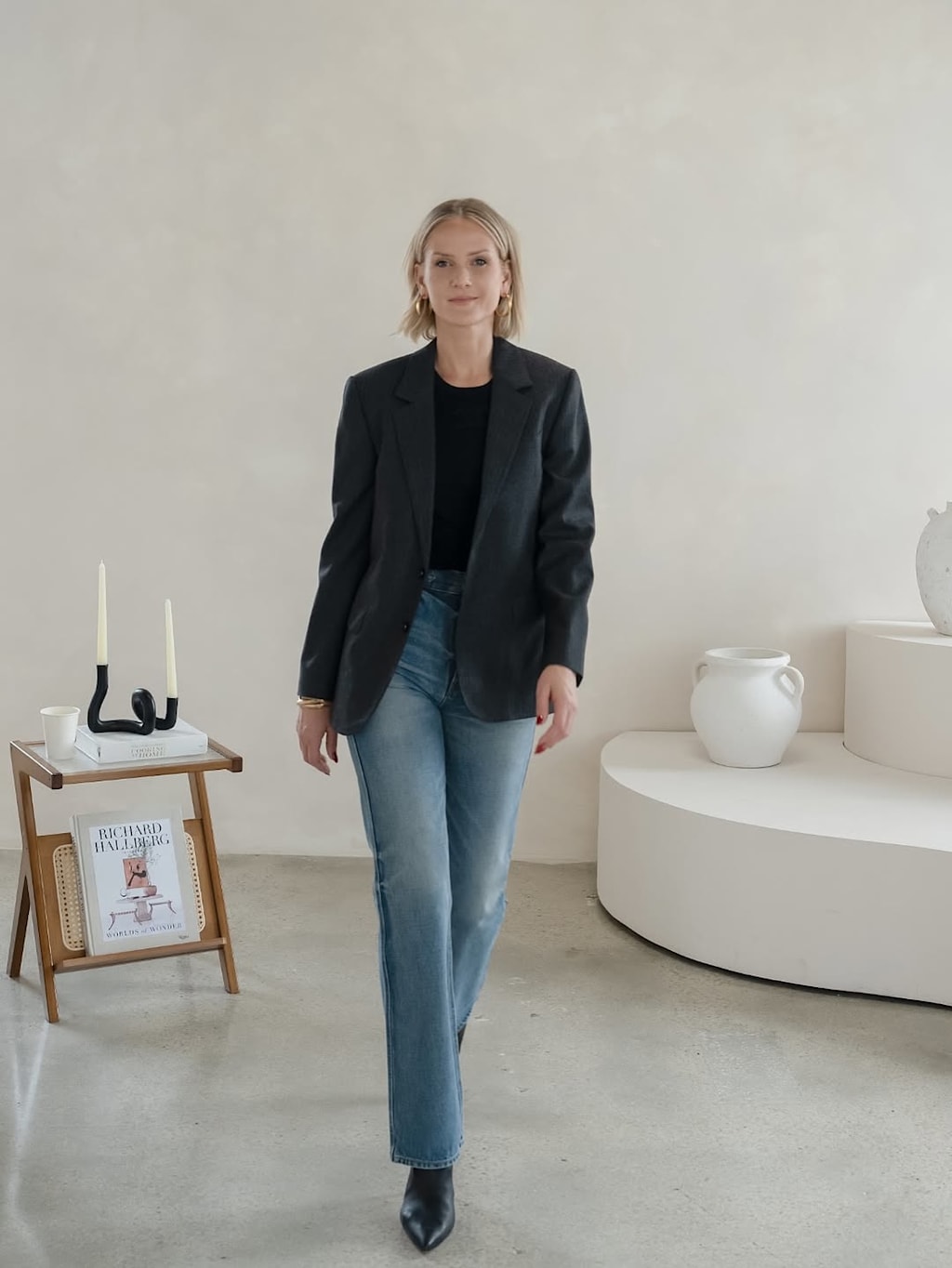
Fashion conversations often focus on trends, designer collections, or celebrity influence, yet personal style is shaped just as strongly by everyday realities. Climate, travel patterns, career expectations, social habits, and lifestyle changes all influence how people dress over time. As routines become less fixed and seasonal transitions less predictable, personal styling services have gradually shifted from trend-focused wardrobe advice toward something more adaptive and practical.
This evolution reflects a broader cultural change in how clothing is viewed. A wardrobe is no longer expected to function as a static collection built around a single aesthetic identity. Instead, it increasingly serves as a flexible system that responds to changing schedules, environments, and social expectations. The rise of hybrid work, frequent travel, wellness-oriented lifestyles, and climate-conscious purchasing habits has contributed to a growing demand for wardrobes that feel both functional and personally coherent throughout the year.
In cities with warm-weather climates such as Miami, seasonal dressing follows a different rhythm than in colder regions. Traditional distinctions between summer and winter wardrobes become less relevant, while factors such as humidity, indoor-outdoor transitions, resort culture, and year-round social activity shape clothing decisions more directly. Personal styling services operating in these environments often focus less on dramatic seasonal replacement and more on fabric selection, layering strategy, versatility, and long-term wardrobe adaptability.
At the same time, lifestyle changes have become more frequent and visible. Career shifts, relocation, changing social circles, public-facing responsibilities, and evolving personal priorities can all alter how individuals approach clothing. As a result, personal styling has increasingly become associated with continuity and adjustment rather than reinvention alone.
Seasonal Dressing Has Become More Complex Than Traditional Fashion Calendars
For decades, fashion operated around relatively predictable seasonal structures. Spring collections introduced lighter fabrics and brighter colors. Autumn collections emphasized layering and darker palettes. Retail cycles reinforced the idea that wardrobes should change in clear stages throughout the year.
That model has gradually become less aligned with how many people actually live. Climate patterns have become less predictable in many regions, while global travel and digitally connected lifestyles expose people to multiple environments within short periods of time. A person may attend business meetings in New York, spend weekends in Miami, and travel internationally within the same month. Traditional seasonal wardrobes built around strict geographic assumptions no longer feel sufficient in those situations.
Personal styling services increasingly respond to this reality by emphasizing adaptability over strict seasonal separation. Rather than encouraging complete wardrobe turnover every few months, many stylists focus on pieces that transition easily across different settings and weather conditions. Lightweight layering, breathable tailoring, versatile footwear, and climate-responsive fabrics have become more important than rigid seasonal categories.
In warm-weather cities, this shift is especially visible. Miami’s climate, for example, rarely requires the heavy winter wardrobes associated with colder regions, yet social expectations still change throughout the year. Holiday events, business gatherings, resort travel, and formal occasions create variation within a generally warm environment. Personal styling services in these markets often address how clothing can maintain sophistication and practicality without relying on traditional seasonal extremes.
This approach also reflects growing awareness around consumption habits. Constant seasonal replacement has become less appealing to many consumers who prioritize longevity, versatility, and intentional purchasing. Styling services increasingly help clients identify which wardrobe updates are genuinely necessary and which purchases may offer only temporary value.
Lifestyle Changes Often Reshape Personal Style More Than Trends Do
While fashion trends receive significant media attention, lifestyle transitions tend to influence wardrobes more deeply over time. A new professional role, increased travel, parenthood, wellness-focused living, or a shift toward remote work can alter clothing priorities far more than seasonal runway trends.
Personal styling services increasingly operate within this context of ongoing adaptation. Rather than presenting style as a fixed identity, many stylists approach wardrobes as systems that evolve alongside daily routines and responsibilities. This perspective has become particularly relevant in recent years as work structures and social expectations have changed rapidly.
Remote and hybrid work environments, for example, reshaped how many people view professional clothing. Traditional office attire became less central for some industries, while others adopted more flexible dress standards. Yet public-facing professionals, executives, and entrepreneurs often still require polished appearances for meetings, events, and digital visibility. The result is a growing interest in wardrobes that balance comfort, practicality, and presentation without feeling overly formal or disconnected from daily life.
Similarly, increased attention to wellness and personal balance has affected how clothing is selected and worn. Garments that restrict movement or require excessive maintenance may feel less appealing to individuals who prioritize convenience, mobility, or frequent travel. Personal styling services increasingly consider these practical realities when helping clients refine wardrobes.
In high-visibility environments, lifestyle adaptation becomes even more nuanced. Public figures, executives, and socially active individuals often need clothing that transitions smoothly between professional, social, and travel-related settings. A wardrobe built entirely around trend cycles may struggle to support those demands consistently. Styling services therefore often focus on creating continuity across different aspects of life rather than building isolated looks for specific moments alone.
This broader understanding of style reflects changing cultural attitudes toward self-presentation. Clothing is increasingly viewed as part of daily functionality rather than a separate performance disconnected from ordinary routines.
Climate Awareness Is Influencing Styling Decisions More Directly
Climate considerations have always shaped fashion to some degree, but environmental awareness and regional practicality now influence styling conversations more openly than before. Fabric performance, garment longevity, and weather suitability are discussed more frequently not only for comfort but also for sustainability and long-term value.
In warmer climates, these concerns become especially relevant. Humidity, heat, and frequent outdoor activity influence how fabrics behave, how garments retain structure, and how comfortable clothing remains throughout the day. Personal styling services working in these regions often prioritize breathable materials, relaxed tailoring, moisture-friendly fabrics, and layering approaches that accommodate both outdoor heat and heavily air-conditioned indoor environments.
This differs significantly from styling approaches centered primarily on visual impact. Clothing that photographs well but feels impractical in real conditions may not remain useful for long. As a result, many personal styling services now consider environmental suitability part of wardrobe longevity.
Climate adaptation also intersects with travel habits. Many professionals and high-net-worth individuals regularly move between regions with different weather patterns. A wardrobe that functions exclusively in one environment may become difficult to maintain practically. Personal styling increasingly addresses how garments can perform across multiple settings while maintaining consistency in appearance and quality.
There is also growing attention to reducing unnecessary consumption. Consumers are increasingly aware that constantly replacing seasonal wardrobes can be financially and environmentally inefficient. Styling services often respond by helping clients identify foundational pieces that work across different seasons with smaller, more targeted adjustments throughout the year.
This does not eliminate fashion experimentation or seasonal interest altogether. Instead, it encourages a more balanced approach where seasonal updates complement an existing wardrobe rather than replace it entirely.
Personal Styling Services Are Becoming More Individualized
The expansion of digital fashion content has created greater access to style inspiration, but it has also highlighted how differently clothing functions from person to person. A trend or aesthetic that works well online may not align with someone’s schedule, environment, profession, or comfort level in everyday life.
As a result, personal styling services increasingly emphasize personalization over trend replication. Rather than building wardrobes around broad fashion narratives, many stylists focus on how clothing supports individual routines, responsibilities, and preferences over time.
This shift is especially important in lifestyle-driven cities where appearance expectations vary widely across industries and social environments. Miami, for instance, blends business culture, hospitality, entertainment, luxury travel, and outdoor living in ways that create highly varied wardrobe demands. Personal styling services in these settings often adapt recommendations based not only on aesthetics but also on movement between professional, social, and climate-related contexts.
Digital communication has also influenced styling expectations. Social media visibility, virtual meetings, photography culture, and online personal branding mean clothing now appears across more platforms and situations than before. Many individuals seek wardrobes that remain visually consistent while still feeling practical in daily life.
At the same time, people increasingly value authenticity over rigid fashion conformity. Styling services often help clients identify clothing choices that feel aligned with their personal identity rather than simply reflecting trend cycles or public expectations. This approach tends to create wardrobes that remain relevant longer because they are built around lived experience rather than short-term visual trends alone.
The personalization aspect also extends to wardrobe management itself. Some individuals prefer minimalist collections with fewer, higher-quality pieces, while others prioritize variety and experimentation. Personal styling services increasingly adapt to these preferences rather than applying identical strategies across all clients.
The Future of Personal Styling Reflects Broader Lifestyle Shifts
The growing emphasis on adaptable wardrobes reflects larger cultural changes surrounding work, mobility, sustainability, and self-presentation. Clothing now functions within more fluid lifestyles where people regularly transition between different roles, environments, and expectations throughout the week.
This has gradually changed the role of personal styling services. Styling is no longer viewed solely as a luxury associated with special occasions or celebrity culture. Instead, it increasingly operates as a practical response to lifestyle complexity, helping individuals create wardrobes that feel cohesive across changing circumstances.
Technology has also expanded access to styling expertise. Virtual consultations, digital wardrobe planning, and remote shopping coordination have made styling services more flexible and geographically accessible. Yet despite these technological changes, the core value of styling often remains highly personal: understanding how clothing interacts with real routines, environments, and preferences.
There is also evidence that consumers are becoming more selective about purchases overall. Rather than chasing rapid trend turnover, many people increasingly seek clothing that provides longevity, versatility, and comfort alongside aesthetic appeal. Personal styling services often support this mindset by focusing on thoughtful wardrobe development rather than constant acquisition.
In climate-sensitive regions, this approach may become even more relevant in the future. Rising temperatures, unpredictable weather patterns, and increased travel flexibility are likely to continue influencing how wardrobes are structured. Clothing that adapts easily across conditions and social settings may become more valuable than highly seasonal collections designed for narrow use cases.
At the same time, style remains deeply connected to cultural identity and personal expression. The goal of adaptive styling is not uniformity or minimalism alone. Instead, it reflects an effort to balance individuality, practicality, and changing modern realities within a wardrobe that feels sustainable over time.
Conclusion
Personal styling services have evolved alongside broader changes in climate awareness, work culture, travel habits, and consumer expectations. Seasonal dressing is no longer defined solely by traditional fashion calendars, and lifestyle changes increasingly shape wardrobes more directly than trend cycles alone.
In places like Miami, where climate and social environments create year-round variation rather than sharp seasonal contrasts, adaptive styling has become especially relevant. Clothing choices are influenced not only by appearance but also by practicality, movement, comfort, and long-term usability.
This evolution reflects a wider cultural shift toward wardrobes that support real-life complexity. Personal style is increasingly viewed as something flexible rather than fixed — capable of adapting to changing routines, environments, and priorities without losing coherence or individuality.
As fashion continues to intersect with sustainability, mobility, and digital visibility, personal styling services are likely to remain focused on helping people navigate those transitions thoughtfully. The future of personal style may depend less on dramatic reinvention and more on creating wardrobes that evolve naturally alongside modern life.
About the Creator
Elsab Styling
At ElsaB Styling, we specialize in providing bespoke, high-end personal styling services for high-net-worth individuals, CEOs, executives, and VIPs.
Enjoyed the story? Support the Creator.
Subscribe for free to receive all their stories in your feed.
Comments
There are no comments for this story
Be the first to respond and start the conversation.