
The Evolving Role of Personal Styling Services in Modern Lifestyles
How Personal Styling Has Shifted from Fashion Assistance to Lifestyle Strategy

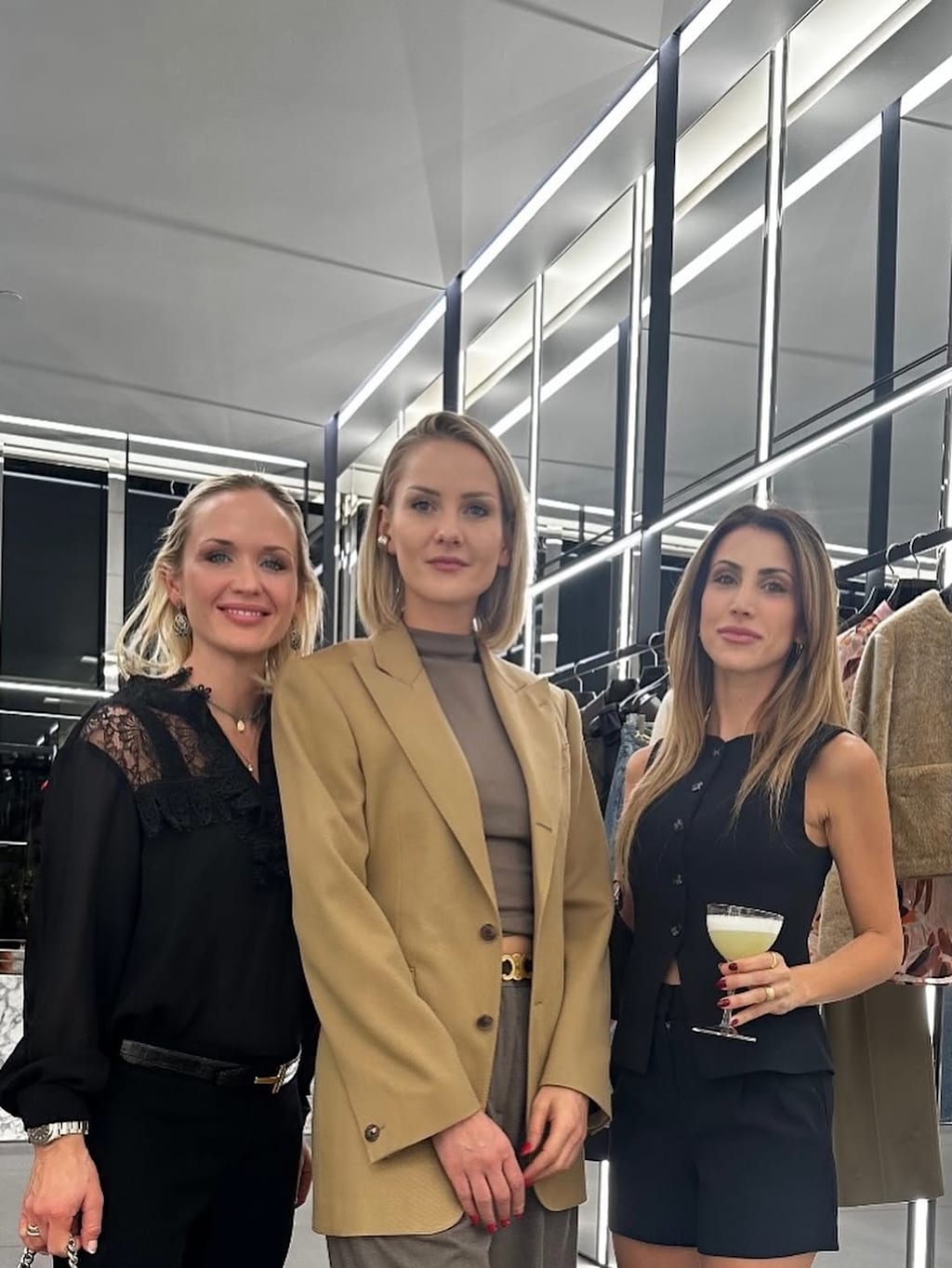
The modern luxury landscape has undergone a noticeable transformation over the past decade. Traditional ideas surrounding fashion, personal image, and luxury consumption no longer revolve solely around visibility, status signaling, or seasonal trends. Instead, there has been a growing emphasis on intentionality, discretion, efficiency, and lifestyle alignment. Within this shift, personal styling services have evolved into something far more nuanced than wardrobe selection or fashion consultation.
Once perceived primarily as a service reserved for celebrities preparing for public appearances or editorial campaigns, personal styling has increasingly become integrated into the daily routines of executives, entrepreneurs, luxury travelers, and high-net-worth households. The role now intersects with time management, personal branding, social adaptability, travel preparation, and even emotional comfort. Clothing, in this context, functions less as spectacle and more as a tool for navigating increasingly complex personal and professional environments.
This evolution reflects broader cultural changes. Contemporary luxury increasingly values refinement over excess, ease over overt display, and personalization over trend conformity. As lifestyles become more international, schedules more fluid, and social settings more varied, the expectation that an individual can independently manage every aspect of a sophisticated wardrobe has become less realistic. Personal styling services have adapted accordingly, shifting from occasional fashion support to ongoing lifestyle infrastructure.
Personal Style as a Reflection of Lifestyle Complexity
The growing relevance of personal styling services is closely tied to the changing structure of modern affluent lifestyles. Many high-net-worth individuals now move regularly between professional, social, and international environments that demand different forms of presentation. A single week may involve board meetings, private dinners, charity events, travel across multiple climates, and informal social gatherings, all requiring different wardrobe considerations.
In earlier decades, wardrobes were often segmented around fixed routines. Professional attire, eveningwear, and casual clothing occupied clearly defined spaces. Contemporary lifestyles are less predictable. Business and social environments frequently overlap, dress codes have become more ambiguous, and expectations around appearance vary significantly across industries, cities, and social circles.
As a result, personal styling increasingly centers on contextual awareness rather than simply selecting fashionable clothing. The challenge is rarely access to luxury garments. Many affluent individuals already possess high-quality wardrobes. The greater difficulty lies in coordination, consistency, adaptability, and relevance to setting.
This is particularly visible within industries where public visibility and personal presentation remain closely linked to credibility. Executives, founders, entertainers, and public-facing professionals often operate within environments where appearance communicates attentiveness, authority, and cultural awareness. Yet modern audiences also tend to respond negatively to excessive formality or overt displays of wealth. The balance between refinement and restraint has therefore become increasingly important.
Personal styling services now function as a mechanism for managing that balance. Rather than encouraging constant reinvention, many stylists focus on helping clients establish visual consistency across different environments while maintaining comfort and authenticity.
The Shift from Trend Consumption to Wardrobe Strategy
The fashion industry has historically promoted novelty as a central value. Seasonal trends, rapid consumption cycles, and visible brand recognition once played dominant roles in luxury dressing. In recent years, however, there has been a notable shift toward longevity, versatility, and intentional curation.
This change has influenced how personal styling services are structured. Increasingly, the emphasis is placed on wardrobe strategy rather than wardrobe expansion. Clients are often less interested in acquiring more clothing and more interested in understanding how existing pieces function together across different situations.
The rise of concepts such as “quiet luxury,” understated dressing, and capsule wardrobes reflects broader cultural fatigue with overt consumerism. Within affluent circles, visible logos and trend-driven dressing are frequently viewed as less sophisticated than carefully considered simplicity. Subtle tailoring, refined materials, and proportion have gained greater importance than obvious branding.
Personal stylists operating within luxury environments have adapted to these preferences. Their role increasingly involves editing rather than adding. Wardrobe assessments often focus on eliminating redundancy, improving fit, refining color coordination, and ensuring practical alignment with lifestyle requirements.
This strategic approach also reflects changing attitudes toward sustainability and consumption. While luxury clients may not approach sustainability in the same way as mass-market consumers, there is growing awareness around overconsumption, waste, and wardrobe inefficiency. Well-structured styling services can reduce unnecessary purchasing by creating greater cohesion within existing wardrobes.
The emphasis on strategic curation also addresses a practical issue that affects many affluent individuals: decision fatigue. Busy professionals and public figures often operate under intense time constraints. Reducing the daily cognitive effort associated with dressing can create meaningful lifestyle efficiency, particularly for individuals balancing travel, business obligations, and social commitments.
Travel, Mobility, and the Rise of Adaptive Dressing
Global mobility has become one of the defining characteristics of contemporary affluent lifestyles. Private travel, international business, destination events, and seasonal relocation have all contributed to increased demand for adaptable wardrobes that function across climates and cultural expectations.
This has significantly expanded the role of personal styling services. Dressing appropriately for international settings requires more than aesthetic preference. Climate, local customs, venue expectations, and social norms all influence wardrobe suitability.
Resort destinations, for example, often present a particularly nuanced challenge. Resort formal attire, yacht gatherings, coastal events, and luxury hospitality environments rarely follow rigid dress codes, yet they maintain strong unspoken expectations regarding presentation. Overdressing may appear performative, while underdressing can signal social unfamiliarity.
Personal styling in these contexts frequently involves planning wardrobes that transition fluidly across multiple environments. Lightweight tailoring, breathable fabrics, versatile footwear, and adaptable layering systems have become central to luxury travel dressing.
The importance of mobility has also contributed to the growing popularity of wardrobe systems rather than isolated outfits. Many stylists now emphasize interchangeable pieces that support multiple social and professional scenarios with minimal packing requirements.
This reflects a broader shift toward functional elegance. Luxury wardrobes are increasingly expected to accommodate movement, comfort, and schedule variability without sacrificing refinement.
Digital Visibility and Contemporary Image Awareness
The expansion of digital visibility has further transformed the relationship between personal style and daily life. Public presentation is no longer confined to physical environments. Social media, virtual meetings, digital press coverage, and constant photographic documentation have altered how individuals perceive and manage personal image.
This does not necessarily mean that affluent clients seek increased visibility. In many cases, the opposite is true. There is growing preference for controlled, understated presentation rather than overt image construction. However, the awareness that personal appearance may be continuously documented has increased attention toward consistency and polish.
Executives, entrepreneurs, and public figures now operate within environments where visual impressions circulate rapidly across professional and social platforms. Personal styling services increasingly help clients navigate this reality by creating wardrobes that appear appropriate, effortless, and adaptable across both online and offline settings.
Interestingly, the rise of digital culture has also contributed to a decline in rigid formalwear expectations. Traditional business attire has relaxed considerably across many industries. Yet this relaxation has not eliminated the importance of appearance. Instead, it has shifted focus toward subtler forms of sophistication.
Tailoring, fabric quality, fit, and understated coordination often communicate more effectively than overtly formal dressing. This requires a level of nuance that many individuals prefer to outsource to experienced stylists who understand contemporary social expectations.
The Psychological Dimension of Personal Styling
The evolution of personal styling services also reflects broader awareness of the psychological relationship between clothing and self-perception. While fashion discussions are often framed around aesthetics, clothing choices can significantly influence confidence, comfort, and social ease.
For many affluent individuals, styling services are less about transformation and more about reducing friction. A well-structured wardrobe can simplify preparation for public appearances, business interactions, travel, and social events. This predictability creates a sense of control that is particularly valuable within high-pressure lifestyles.
The psychological benefits are often connected to consistency rather than novelty. Individuals who develop a stable visual identity frequently experience greater ease across professional and social environments. Rather than constantly adapting to trends, they cultivate recognizable forms of presentation that align with their personality and lifestyle.
This consistency can also strengthen personal branding. Public-facing professionals often rely on visual coherence as part of broader reputation management. Clothing, in these contexts, contributes to perceived credibility, authority, and attentiveness.
At the same time, modern styling increasingly prioritizes comfort and authenticity. The idea that luxury dressing should involve visible discomfort or rigid formality has become less appealing in many contemporary settings. Instead, ease and natural confidence are often viewed as markers of sophistication.
Personal Styling Within Luxury Households
The role of personal styling has expanded beyond individual wardrobes into broader household management structures. In many luxury households, wardrobe organization, seasonal planning, event preparation, travel coordination, and closet management have become integrated lifestyle services.
This reflects the increasing complexity of affluent domestic environments. Multiple residences, frequent travel, formal social calendars, and extensive wardrobes create logistical challenges that extend beyond occasional shopping assistance.
Stylists may collaborate with tailors, household staff, personal assistants, image consultants, and travel coordinators to ensure continuity across different aspects of a client’s schedule. The work often involves maintaining wardrobe readiness rather than simply purchasing clothing.
This operational dimension further distinguishes contemporary styling services from traditional fashion consultation. The focus is frequently administrative, strategic, and logistical rather than purely aesthetic.
Luxury clients increasingly value discretion, efficiency, and long-term consistency. As a result, personal styling relationships often develop gradually over time, functioning more as ongoing partnerships than occasional appointments.
Conclusion
The role of personal styling services has evolved considerably beyond its traditional association with fashion consumption and celebrity culture. In contemporary luxury environments, styling increasingly operates at the intersection of lifestyle management, social adaptability, personal branding, and daily efficiency.
This shift reflects broader cultural changes within modern luxury itself. Visibility and excess have gradually given way to refinement, intentionality, and contextual awareness. Affluent individuals are often less concerned with acquiring more clothing and more focused on creating wardrobes that support increasingly dynamic personal and professional lives.
As global mobility, digital visibility, and lifestyle complexity continue to shape modern expectations, personal styling services are likely to remain closely tied to broader conversations surrounding identity, presentation, and contemporary luxury living. Their value increasingly lies not in transformation, but in the ability to simplify complexity while preserving individuality and refinement.
About the Creator
Elsab Styling
At ElsaB Styling, we specialize in providing bespoke, high-end personal styling services for high-net-worth individuals, CEOs, executives, and VIPs.
Enjoyed the story? Support the Creator.
Subscribe for free to receive all their stories in your feed.
Comments
There are no comments for this story
Be the first to respond and start the conversation.