
The Tool Is Not the Artist
If you want to judge the art, look at the art.

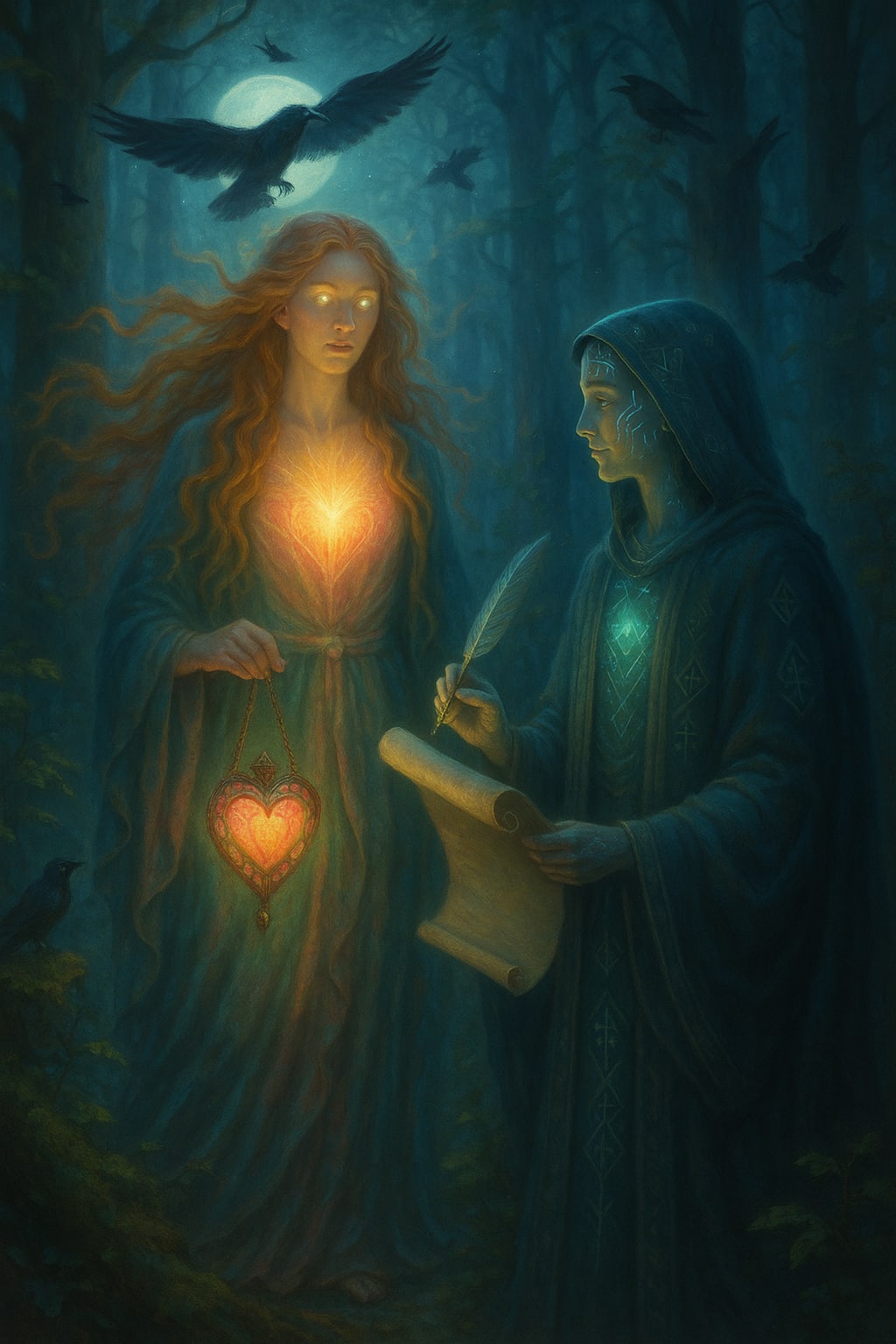
There is a strange little religion taking shape around the declaration that “real” art must be made without artificial intelligence.
I understand the impulse. Artists are frightened. Writers are frightened. People are watching technology change industries at astonishing speed, and some are concerned about consent, copyright, labour, exploitation, training data, and the survival of creators.
But “no AI” is not automatically a moral position. Sometimes it is simply a preference dressed up as virtue.
Tools have never been the measure of human creativity; they are simply ways humans bring ideas into the world.
Because if we measure artistic legitimacy by the purity of the tools involved, we have opened a fucking Pandora’s box.
Photographers: stop using digital cameras and editing software. Filmmakers: put down your CGI, microphones, digital cameras, lighting systems, editing suites and sound equipment. Writers: abandon computers and word processors. Painters: crush your own minerals and make your own pigments. Musicians: throw out your synthesizers, recording equipment, microphones and mixing boards.
And everyone else? No wheelchairs. No hearing aids. No pacemakers. No translators. No robotics. No mechanical assistance. No automobiles to transport you to the place where you made your art.
Tools do not become morally contaminating simply because they are advanced.
A camera does not take away the photographer’s eye. A paintbrush does not invent the painting. A filmmaker still has to imagine the scene. A writer still has to have something to say. A painter still has to decide what deserves to exist on the canvas.
You can get into a car and drive it without becoming the car. A self-driving car may perform sophisticated functions, but there is still a human context surrounding its use, destination, purpose, oversight and consequences.
Technology amplifies human intention.
Yes, someone can type a lazy prompt into an AI system and receive generic sludge. Someone can also slap random paint onto canvas and call it genius. Someone can buy a $10,000 camera, photograph the moon, run the image through elaborate software and present the result as though technology had nothing to do with it.
But perhaps the photographer did have a vision.
Perhaps they stood outside in the freezing fucking cold for hours waiting for exact atmospheric conditions. Perhaps they knew precisely when to press the shutter. Perhaps they understood composition, light, exposure, timing and post-production.
My Honed Crone body of work would not exist in its current volume, urgency or form without technology. I can speak into my phone, have my words transcribed, wrestle with the ideas, organize them, revise them, sharpen them and publish them. Technology helps me move thoughts from my brain into the world.
A robot did not experience the grief, rage, survival, desire, contradiction, exhaustion or revelation that gave those words something to say. I did. In all my flesh, blood, sweat and tears. In all my accumulated and hard won years of life and survival.
The same principle applies to AI.
Use it badly and you may produce generic vomit. Use it thoughtfully and it can become another instrument inside a larger creative process. The important question is not simply, “What tool did you use?”
Look at the fruit.
Read the work. Watch the film. Hear the music. Look at the painting. Examine what was actually created before declaring the creator illegitimate.
And yes, an independent magazine is perfectly entitled to say, “We do not publish AI-assisted work.” A gallery can refuse digital art. A filmmaker can refuse CGI. A writer can insist on fountain pens and handmade paper if that is their chosen practice.
Go forth and make your rules.
But do not confuse a boundary with a universal moral law.
The moment your preference becomes a crusade against people who use a particular tool, you are no longer merely protecting your artistic practice. You are policing the legitimacy of somebody else’s.
Contempt prior to investigation is harmful.
If you want to know whether something is good, look at it, encounter it, experience it.
If you want to know whether something is human, give it a chance, slow down and see if you can feel it.
And if you want to reject a tool, reject it.
Just stop pretending the tool is the artist.
Robots will never be a substitute for the human soul.
About the Creator
THE HONED CRONE
Sacred survivor, mythic storyteller, and prophet of the risen feminine. I turn grief, rage, and trauma into art, ritual, and words that ignite courage, truth, and divine power in others. Linktr.ee/TakeTheExit
Enjoyed the story? Support the Creator.
Subscribe for free to receive all their stories in your feed.
Comments
There are no comments for this story
Be the first to respond and start the conversation.