
Exoplanet Update: NASA Releases New Kepler Data
The latest data released at a media event held at the Ames Research Center in California on Monday, June 19, 2017


NASA released the latest data from the Kepler space telescope project. A total of 219 objects were identified as new planet candidates. More significantly, 10 of those were determined to be possible Earth-like exoplanets which orbit their star at a distance called the habitable zone, where water could exist in a liquid state.
The Results
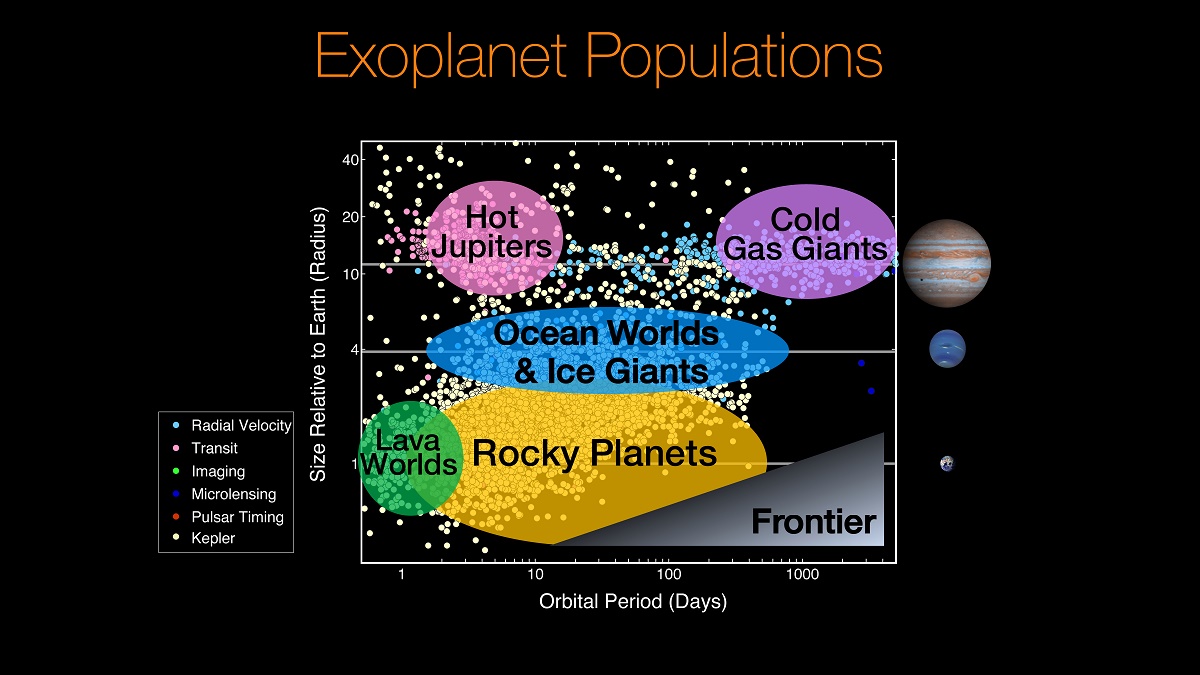
The results come from the first four years of the Kepler mission, and its final survey of the area around the Cygnus constellation. It brings the total number of planets discovered by the Kepler space telescope to 4,034, with 2,335 of those verified as exoplanets, (or planets that orbit a star/sun).
"We like to think of this study as classifying planets in the same way that biologists identify new species of animals," Benjamin Fulton, a doctoral candidate at the University of Hawaii in Manoa, and lead author of the second study, said in a media release. From the raw data that Kepler accumulates about the light emitted by distant bodies, scientists can determine what kinds of planets make up the catalog. Precise determinations can also be made about their size. There are gas giants like Jupiter and Saturn, frozen liquid planets like Uranus, and rocky exoplanets more like Earth, along with anomalies such as rocky planets which seem Earth-like, yet accumulate hydrogen or helium gas clouds to swell to about four times the size of our home planet.
The Kepler/K2 Missions
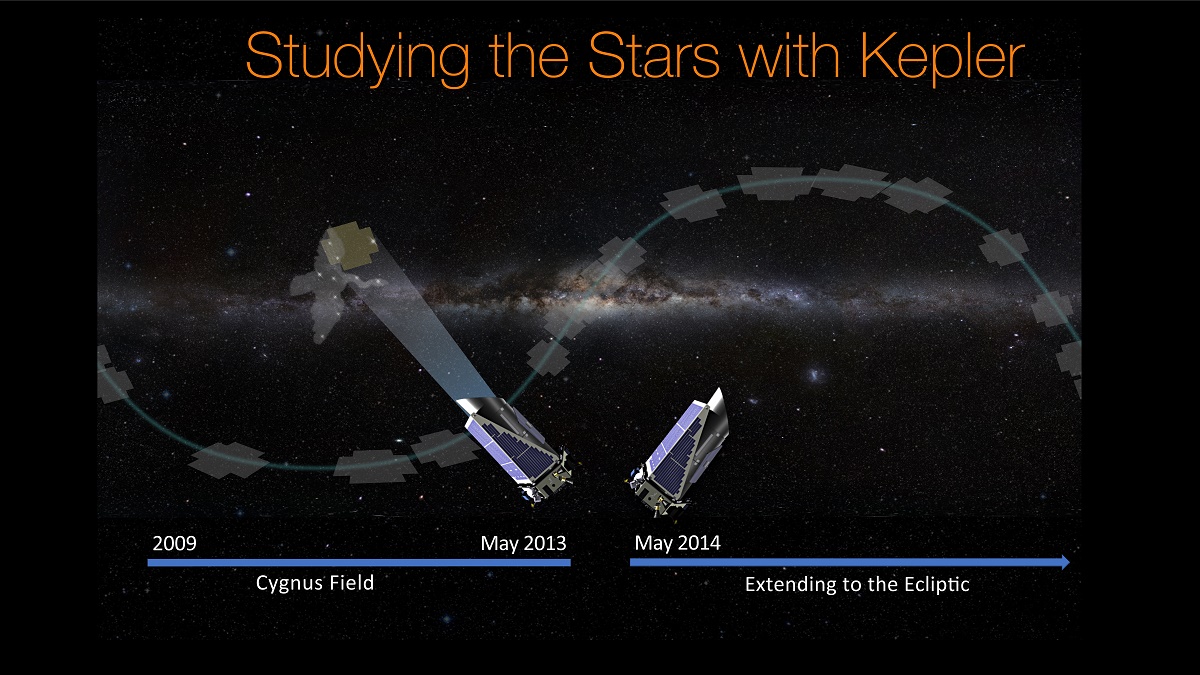
The Kepler space observatory was launched into an orbit around the sun 2009. It was designed to survey a specific area of the Milky Way, hunting for exoplanets that were roughly the same size as Earth, and which orbit within the habitable zone. It has far exceeded initial expectations of a 3.5 year lifespan, and despite a few technical glitches along the way, it has continued to transmit data. In 2013, because of a few of those glitches, the mission was modified and renamed K2, using the Kepler spacecraft's remaining intact technology. The range of view was expanded, and along with Earth-like exoplanets, K2 is now studying supernovas and the formation of stars, and bodies formed early in the solar system's formation, such as asteroids and comets.
Kepler's groundbreaking data will help NASA design future missions. The next step will be to target specific Earth-like exoplanets with imaging missions that can gather more data close up. NASA scientists spoke to reporters about the findings, available in detail at the public NASA Exoplanet Archive, at a media event held at the Ames Research Center in California on Monday, June 19, 2017.
About the Creator
Anya Wassenberg
I'm a long time freelance writer of both fiction and non-fiction.
Enjoyed the story? Support the Creator.
Subscribe for free to receive all their stories in your feed.
Comments
There are no comments for this story
Be the first to respond and start the conversation.