Young Adult
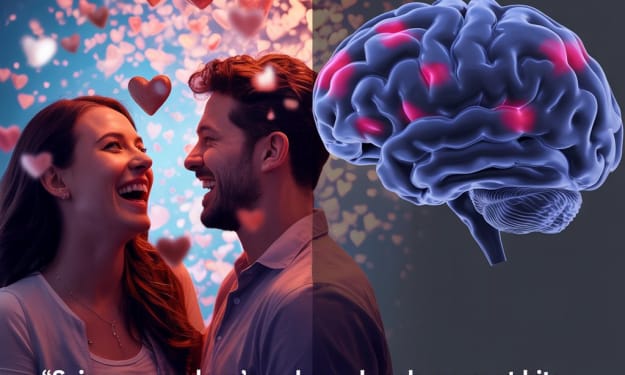
The 90-Day Love Lab: How Your Brain Secretly Tests Relationships (And How to Pass)"
"Love is composed of a single soul inhabiting two bodies." — Aristotle Modern neuroscience has uncovered what poets have long suspected: romantic love follows a precise biological timeline. The first 90 days of a relationship represent a critical evolutionary threshold where infatuation chemistry either transforms into lasting attachment or fades into memory. This transitional window reveals fundamental truths about how and why we love.
By shoaib khanabout a year ago in Fiction
AI in Adult Entertainment: Redefining Fantasy, Consent, and the Business of Pleasure
The adult entertainment industry has always been an early adopter of emerging technologies—from VHS to streaming, and now, artificial intelligence. As the world becomes more digitized and AI capabilities expand, adult content creators, platforms, and even consumers are embracing a new wave of innovation. But with this progress comes a pressing set of questions: How is AI changing adult entertainment? What are the ethical implications? And where is the line between fantasy and reality? The Rise of AI-Generated Adult Content Over the last few years, AI tools have been used to create everything from lifelike avatars and deepfake videos to interactive chatbots and voice simulations tailored for adult purposes. Generative AI platforms can now design hyperrealistic human characters that don't exist in real life, while others allow users to personalize scenarios with near-cinematic quality—without involving human actors at all. This shift is not limited to niche forums. Large adult platforms are beginning to invest in AI-driven content and characters, recognizing the opportunity to offer on-demand personalization, privacy, and cost efficiency. AI-generated “performers” can appear in an endless variety of scenes, tailored precisely to the preferences of individual users—no contracts, no travel, and no physical limitations. Ethical and Legal Grey Zones While technological innovation is impressive, it has raised major ethical and legal concerns. One of the most significant issues is consent. The misuse of AI to create “deepfakes”—non-consensual explicit content of real people—is not only disturbing but also illegal in several jurisdictions. Public figures, influencers, and private individuals have all fallen victim to this trend, sparking calls for stricter regulation. Even when the content is fictional or clearly labeled as AI-generated, concerns remain. Critics argue that some forms of AI content may reinforce unrealistic or harmful sexual expectations, dehumanize intimacy, or perpetuate problematic stereotypes—especially in the absence of real-world consequences or ethical oversight. Lawmakers around the world are now being urged to introduce clearer guidelines on what constitutes ethical use of AI in adult content, with a focus on identity rights, consent, and digital personhood. A New Era for Performers Despite ethical concerns, AI is also creating new opportunities for adult content creators—especially those seeking more control over their work and image. Several performers have begun licensing their likenesses to generate AI versions of themselves, which can appear in videos, interactive scenes, or virtual reality experiences without requiring physical involvement. This development offers greater privacy, reduced emotional toll, and the ability to scale their brand across time zones and formats. It also opens new doors for performers who are retired, disabled, or simply interested in monetizing their past work without returning to sets. For some, it’s an empowering shift. "You can work while you sleep," one adult creator told a podcast in early 2025. “I licensed my AI model to a platform and it makes more in a month than I used to in three.” Consumer Behavior and Demand The demand for AI-driven adult content is growing. A 2024 report by a digital trends research firm found that nearly one in five adult content consumers had tried AI-generated content, with younger demographics showing the highest levels of interest. What makes it so appealing? Anonymity: No human interaction is required, appealing to those with privacy concerns or social anxiety. Customization: Users can craft scenarios and characters that perfectly match their preferences. Accessibility: AI models can generate content instantly and at scale, reducing cost barriers. As virtual reality and AI-powered chat companions improve, some predict that interactive adult experiences—where a user can “talk” to an AI partner or simulate a romantic/sexual relationship—will become mainstream within a decade. The Future: Fantasy, Fiction, and Digital Intimacy AI in adult entertainment is not just about video—it’s also about companionship and emotional simulation. Startups are already developing AI-powered romantic partners, chatbots, and “intimacy engines” that learn from users and adapt over time. While these tools are still in their infancy, they represent a major leap in how people might explore human desire digitally. Some experts warn, however, that as virtual companionship becomes more sophisticated, people may begin substituting real-world relationships with AI ones—raising questions about the long-term impact on social development, intimacy, and mental health. Others argue that AI may offer a safe, stigma-free environment for people to explore identity, sexuality, or trauma without involving other humans—suggesting a potential therapeutic application. Regulation and Responsibility To navigate the future of AI-driven adult content, several steps are essential: 1. Clear Regulation: Legal definitions around consent, likeness rights, and AI-generated pornography must be established globally. 2. Platform Accountability: Websites and creators must label AI content clearly and prevent the misuse of real identities. 3. Ethical Guidelines: Developers should collaborate with ethicists, sex educators, and rights advocates to ensure that AI is used responsibly and respectfully. Conclusion: Between Innovation and Responsibility AI is rapidly transforming the adult entertainment industry. What once required real-life actors, crews, and contracts can now be rendered with stunning realism through algorithms. This presents undeniable opportunities: for creators seeking control, consumers desiring personalization, and businesses wanting scalable growth. But these benefits come with responsibilities. As the line between fantasy and reality blurs, the industry—and society at large—must grapple with tough questions about consent, ethics, and the future of digital intimacy. Artificial intelligence may change how we experience pleasure, but it cannot replace the need for empathy, responsibility, and human understanding. In the years ahead, how we balance these forces will define not just the future of adult content—but the future of intimacy itself.
By Dipayan Biswasabout a year ago in Fiction
Me as a "Wife". AI-Generated.
We easily think of a wife as a mere title, a label that gets pinned on someone after a wedding ceremony. In reality, it is a journey that evolves over time. At the start of my journey to becoming a wife, I thought that it meant sharing everything with each other, being present for one another, and loving without conditions. I was partially correct, but there is much more.
By Shoaib Rehmanabout a year ago in Fiction
Why “Romantasy” Is the Hottest Book Genre in the USA and UK Right Now
Discover why romance books have become the latest sensation on BookTok and beyond. Read what is making Romantasy such a hot trend across America and Europe, how fantasy romance novels are captivating readers, and why this genre has made headlines across BookTok and beyond.
By Robert Brownabout a year ago in Fiction
Frankenstein 2025
He pressed play on their class recording again. Melanie went first and blabbered on about some of the approved causes of the Civil War. She was nice, much nicer than most of his classmates. Live presentation and pen and paper had been Mr. Sanders answer to education’s problems, simple and effective. To be honest, Zach didn’t mind. There were two types of people who used LLM’s to do their homework: idiots and people like Zach who were too smart to be bothered, at least by his own estimation. There were better uses of his time.
By Matthew J. Frommabout a year ago in Fiction