Excerpt
The Lantern of Whispering Trees
by Yahya Asim In a remote village nestled between the emerald folds of two great hills, there stood a forest known as the Whispering Trees. Locals spoke of it with reverence and caution. They said the trees could talk—not with mouths, but with murmurs carried in the wind. Only those who truly listened could understand their secrets.
By Yahya Asimabout a year ago in Fiction
Voice Notes from a Ghost
Voice Notes from a Ghost Genre: Fiction / Experimental [Voice Message #1 – Received Sunday, 2:14 a.m.] Hey, it’s me. I know this makes no sense, but I need you to listen. Not just hear me—listen. Don’t delete this. Please. If you’re hearing this, it means I’m already gone. But I swear—I didn’t want to leave like this. Something is coming. Something I didn’t understand until it was too late.
By lony banzaabout a year ago in Fiction
Ways to Say “I Miss You” Creatively — Ek Dil Chhoone Wali Kahani
Kabhi kabhi lafz “I miss you” itne mamooli lagte hain ke woh dil ki gehraiyon ko bayan nahi kar paate. Yeh jazba sirf doori nahi, balki dil ki ek gehri khwahish, yaad aur chahat hoti hai jo har lafz ke beghair hi samajh aati hai. Meri kahani bhi isi jazbe se shuru hoti hai, jab main apni sabse qareebi dost Sara se door ho gaya. Sara aur main bachpan ke dost the. Humari dosti mein hamesha ek khaas baat thi — hum bina zyada baatein kiye apni feelings samajh jaate the. Lekin jab zindagi ne humein alag kar diya, dooriyon ne humari dosti ko nayi tarah se parchayi dena shuru kiya. Door hone ke baad, humari mulakaat kam ho gayi, magar dil ki yaad zyada gehri hoti gayi. Jab main use “I miss you” kehta, lagta jaise woh lafz chhota pad jaaye. Tab maine socha, kyun na apni feelings ko thoda creative tareeqe se bayan karoon? Pehli baar, main usse ek handwritten letter bheja. Letter mein maine uss pal ki yaad likhi jab hum saath baithe the, ek chhoti si chai ki dukaan par, barish ki boondein sunte hue. Maine likha, “Har barish ki boond mujhe tumhari yaad dilaati hai.” Yeh baat uske dil ko chhoo gayi. Phir hum dono ne ek naya tareeqa ikhtiyar kiya — hum apni feelings ko natural elements ke zariye bayan karte. Maine use ek tasveer bheji, ek halki si dhoop ki, jis mein chhayaen badi pyaari lag rahi thi. Maine likha, “Tum meri zindagi mein dhoop ki tarah ho — har andhere ko roshan karne wali.” Usne mujhe reply kiya ek tasveer bhej kar jisme suraj ke peeche laharata hua samundar tha, aur likha, “Tum meri lehron mein bass jaate ho, hamesha mere paas.” Is tarah humari baatein sirf lafzon tak mehdood nahi rahi, balki jazbat ban gaye jo hum dono ko zinda rakhte the. Jab kabhi phone par baat karne ka moqa nahi milta, to hum ek doosre ko songs bhejte jo humari feelings ko bayan karte. Maine usse ek gaana bheja jiska pehla alfaaz tha, “Teri kami mehsoos hoti hai har pal.” Sara ne us gaane ko apne dil ke kareeb rakha. Ek din, main apni feelings ko ek alag andaaz mein bayan karne ke liye uske liye ek chhota sa video banaya. Video mein woh jagahain thi jahan humne apni dosti ki shuruat ki thi — park ki bench, chhoti si library, aur wo coffee shop jahan hum roz milte the. Har scene ke saath ek caption tha, “Tumhari yaad meri sabse pyari kahani hai.” Sara ne jab wo video dekha, uski aankhon mein aansu aa gaye. Usne kaha, “Mujhe tumhari har yaad ka ehsaas hai, ye video mera dil chhoo gaya.” Kuch din baad, Sara ne mujhe apni taraf se ek poem bheji. Us poem mein usne apne jazbaat ko is tarah bayan kiya ke main wahaan khud ko mehsoos kar sakta tha. Uski kuch lines yaad hain: “Doori ki hawaon mein tumhari khushboo hai, Har subah tumse milne ki duaa hai.” Is poem ko padh kar main sochta tha, sach mein jazbat kabhi lafzon ke saath bandhne wale nahi hote, balki dil se dil tak pahunchte hain. Ek din humne apni purani tasveeron ko dekha aur ek plan banaya ke hum apni yaadon ko naye andaaz mein jeeyenge. Humne apni purani photos ke saath naye captions banaye jaise, “Yeh woh pal hai jab tumhari hansi mere din ko roshan karti thi,” ya “Jab tum mere saath thi, to har safar suhana lagta tha.” Yeh yaadein hamare liye ek naya zariya ban gayi, apni mohabbat ko phir se jeene ka. Ek aur creative tareeqa jo humne apnaya, wo tha silent longing — bina kuch bole apne jazbat ka izhaar karna. Kabhi kabhi main Sara ke liye uska favorite coffee shop jaakar ek cup coffee order karta, usse photo bhejta aur kehta, “Yahan tumhari kami mehsoos hoti hai.” Sara bhi mere liye apni favorite jagah par jaakar mere liye ek chhota sa note chhupa deti, jo main agle din dhoond leta. Is tarah ki silent gestures ne hamari doori ko kam kar diya, aur jazbat ko gehra bana diya. Mujhe yaad hai jab Sara ne mujhe ek baar kaha, “Tumhari yaad ko bayaan karne ke liye mujhe lafz kam pad jaate hain, lekin tumhari har ek baat meri rooh ko chu jaati hai.” Is kahani se mujhe yeh seekh mili ke “I miss you” kehna sirf ek jumla nahi, balki ek ehsaas hai jo har shakl mein dikhaya ja sakta hai — chahe woh ek chhota sa note ho, ek poem ho, ek tasveer ho, ya ek silent gesture. Aaj bhi jab hum door hote hain, hum har roz naye tareeqe dhoondte hain apne jazbat bayaan karne ke liye. Kyunki asli mohabbat wahi hoti hai jo dooriyon ko mita kar dil ko kareeb le aaye. Aur asli “I miss you” woh hota hai jo sirf zubaan se nahi, balki dil se bola jata hai.
By Aman Ullahabout a year ago in Fiction
Animal Farm (George Orwell) - Chapter-10 (last) (Novel)
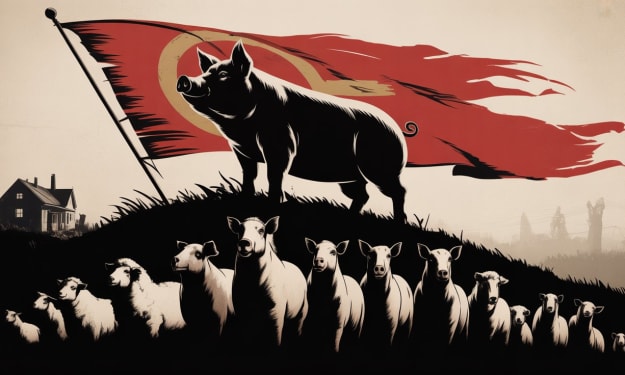
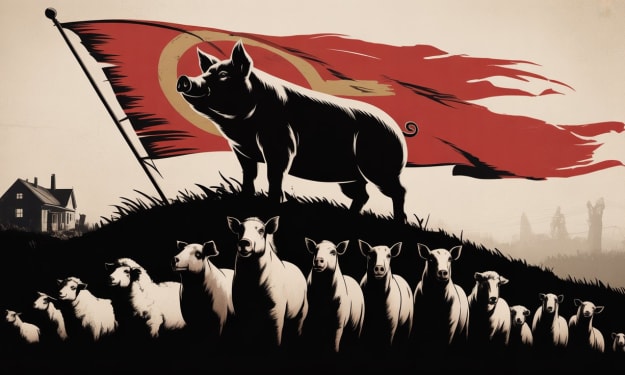
Years have passed since the animals first rose up and drove Mr. Jones from Manor Farm. The seasons change, and the once bright hope of revolution has faded into a grim reality. The animals of Animal Farm, now completely under the control of Napoleon, find themselves living under a government that is disturbingly similar to the one they sought to overthrow. Their dreams of equality and freedom have been replaced by oppression, manipulation, and betrayal.
By Echoes of Lifeabout a year ago in Fiction
Animal Farm (George Orwell) - Chapter- 7 (Novel)
The winter on Animal Farm is harsher than ever, and the animals are suffering greatly. Food is scarce, and the cold cuts deep into their bones, but Napoleon’s regime continues to press on. To maintain appearances and maintain control, Napoleon uses propaganda, deception, and brute force to suppress dissent and silence the truth.
By Echoes of Lifeabout a year ago in Fiction
Animal Farm (George Orwell) - Chapter- 6 (Novel)
As Animal Farm's second year of freedom begins, the animals face new hardships and challenges. The winter is harsh, and food supplies are dangerously low. Nevertheless, Napoleon insists that work on the windmill must continue without a break, promising to lighten their burden once it is completed. The animals work harder than ever, often toiling from dawn to dusk, but their rations are reduced and the cold bites harder. Boxer, the hardworking carthorse, adopts his new maxims with even greater dedication: "I will work harder," and "Napoleon is always right." His strength and passion become the backbone of the farm's efforts, but even Boxer begins to tire.
By Echoes of Lifeabout a year ago in Fiction
Animal Farm (George Orwell) - Chapter- 5 (Novel)
The arrival of winter brings new challenges and new conflicts to Animal Farm. Molly, the idle white mare, begins to act suspiciously. She is often late for work, complains about trivial matters, and is nervous when contacted. Eventually, Clover discovers that Molly has been secretly talking to one of Mr. Pillkington's men, letting him pick her nose and accept sugar and ribbons. When Clover confronts her, Molly denies everything, but after a while she disappears from the farm. Later, the pigeons see her pulling a cart for a man in a nearby town, wearing a shiny ribbon and enjoying sugar. Molly chooses a life of slavery over her hard-won freedom, and no one talks about it again.
By Echoes of Lifeabout a year ago in Fiction
Animal Farm — Chapter 3 (George Orwell)
With Manor Farm now transformed into Animal Farm, the animals waste no time in putting their new society into practice. They begin working enthusiastically in the fields, more motivated than ever under Mr. Jones. The pigs, thanks to their superior intelligence, take on leadership and planning roles, while the other animals throw themselves into physical labor. Boxer, a huge cart horse, becomes the farm's workhorse in both name and spirit. His personal motto - "I will work harder" - inspires everyone around him. Even the ducks and chickens do their best, picking up stray kernels of corn to ensure that nothing goes to waste. Although harvesting is difficult without human tools and skills, they manage better than expected, with greater success than ever before. There is a sense of pride and ownership in every mouthful of food they produce, which drives them to work harder and cooperate more willingly. The animals, for the first time, feel that their labor is truly for their own benefit, not for some master who steals the fruits of their labor.
By Echoes of Lifeabout a year ago in Fiction
Animal Farm — Chapter 2 (George Orwell)
After the powerful barn meeting where Old Major sows the seeds of revolution, the animals of Manor Farm find themselves transformed. Although Old Major dies peacefully in his sleep just three nights later, his ideas flash through their minds. The pigs, being the most intelligent of the animals, quickly take on the task of spreading his vision. Of these, three stand out: Napoleon, Snowball, and Squealer. Napoleon is a large, fierce-looking Berkshire boar with a reputation for getting his own way. Snowball is more lively, quick-witted, and inventive, while Squealer is a brilliant talker who can twist any argument to convince others.
By Echoes of Lifeabout a year ago in Fiction
Silent Hero
Ahmed was an ordinary boy living in a small town called Mirpur. To many, he was just a quiet, shy student who never stood out in the classroom. He wasn’t the best at sports, nor the most popular among his peers. He usually sat at the back of the class, listening silently while others talked and laughed around him. Teachers rarely called on him, and students hardly noticed his presence. To the world, Ahmed seemed invisible.
By Mr Qasim Motivationalabout a year ago in Fiction
A Girl’s Cricket Journey. AI-Generated.
In the dusty lanes of a small town in South Asia, echoes the crack of a cricket bat. Among boys diving for catches and shouting appeals, stands a young girl, gripping her bat with steady hands and eyes filled with determination. Her name is Ayesha, and her dreams stretch far beyond the boundaries marked by white lines on a cricket field.
By Bilal Mohammadiabout a year ago in Fiction