
The Two Houses of Emily
A child’s heart divided between love and silence.

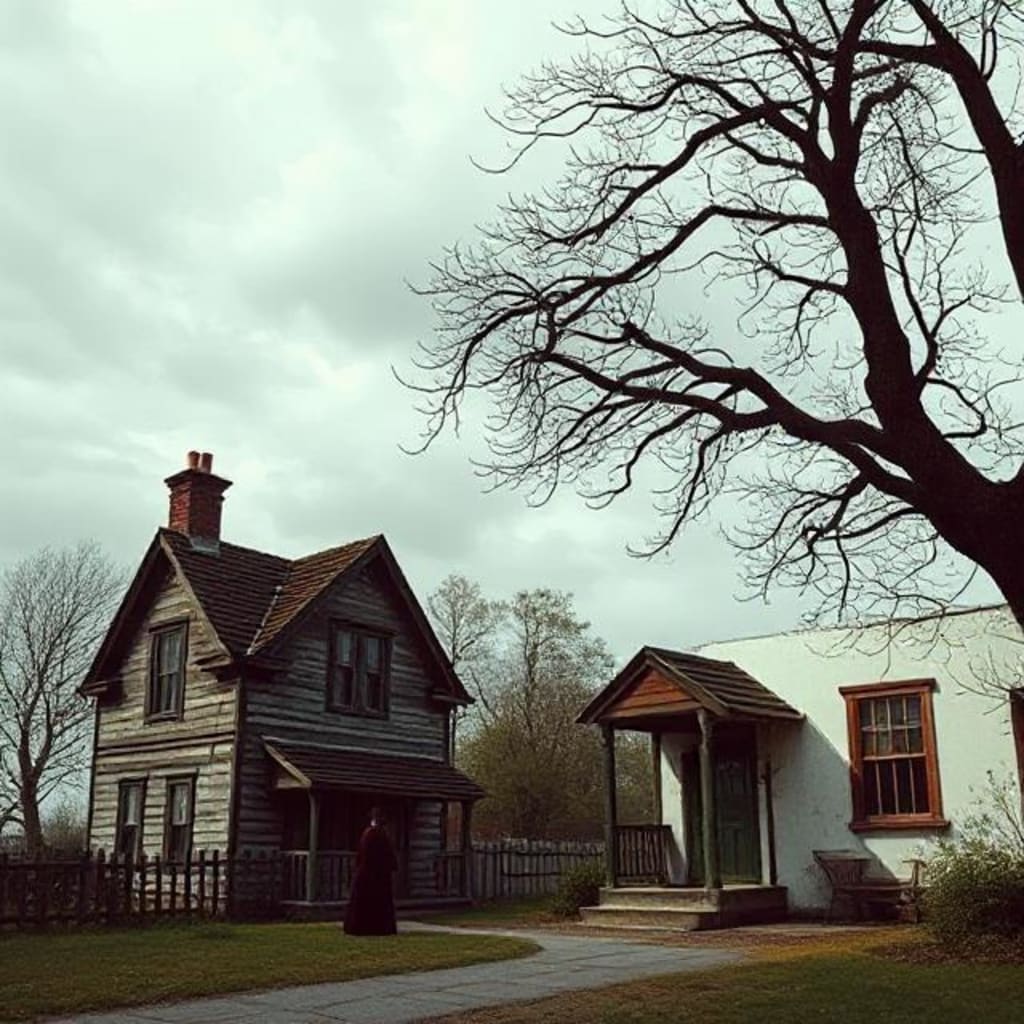
Emily Harper was nine when her world split in two.
It started with the shouting—at first in whispers, then in words that crashed through walls. Her parents, Sarah and Daniel, used to laugh together in the kitchen while cooking spaghetti or decorating the Christmas tree. But now, their smiles had become rare, stretched thin like the silence that filled their once-happy home.
One cold November evening, as golden leaves danced outside, Sarah sat Emily down on the worn blue couch in the living room.
“Sweetheart,” she said gently, “Daddy and I are going to live in different houses from now on.”
Emily blinked, unsure what to say. “But why?”
Daniel joined them, his eyes tired. “Because sometimes, adults can’t be happy together anymore. But we both still love you—so much.”
That night, Emily lay in bed, staring at the glow-in-the-dark stars on her ceiling. Her world had changed with one conversation, and no one had asked if she wanted it to.
The following weeks brought boxes, quiet tears, and the awkward routine of packing a bag every Friday. Emily now had two bedrooms—one at her mom’s apartment and one at her dad’s townhouse. But neither felt like home.
At school, she smiled when she was supposed to. But her drawings changed. Once full of sunny parks and laughing families, they became houses with walls between the people.
“Everything okay, Em?” her teacher, Mrs. Lang, asked gently one day.
Emily just nodded.
But things weren’t okay.
Her mom was always tired, working late to cover rent. Her dad tried to be cheerful on weekends, buying her toys and pizza, but sometimes he sat quietly at the table for a long time, staring into space.
Worst of all were the “switch days.” Emily dreaded Fridays, when she had to pack up her backpack, say goodbye to one parent, and pretend she was happy to see the other. She felt like a suitcase being passed back and forth.
One evening at her mom’s place, Emily tried to talk.
“Why can’t you and Daddy just be friends again?” she whispered.
Her mother paused, brushing a strand of hair behind Emily’s ear. “Because we hurt each other too much, sweetie. It’s not that simple.”
“But it hurts me too,” Emily said, her voice cracking.
One day, after school, Emily’s class was assigned to write letters to their future selves. Most kids wrote about dreams, jobs, or adventures. Emily’s letter was quiet.
Dear Future Me,
I hope you're not tired all the time from packing bags. I hope there's just one house again. I hope Mommy and Daddy can be in the same room without pretending. I hope you’re not still sad.
She folded it, sealed the envelope, and never showed anyone.
Time passed. The divorce papers were signed. Her parents dated other people. They were civil, even kind, at birthdays or school events, but the warmth between them was gone.
Emily adapted, as children do. She learned which parent made better pancakes, which one remembered to wash her soccer uniform, and which house had better Wi-Fi. But there was always a part of her that stayed packed in a bag—never fully unpacked, never fully settled.
Years later, at 18, Emily stood at her high school graduation. Her mom and dad sat on opposite ends of the bleachers, each clapping proudly, each alone.
That night, as she packed her things for college, she found the old letter to her future self. She read it slowly, then folded it again with a small sigh.
The pain had dulled, but the truth remained: she had grown up in two houses, but never felt fully at home in either.
Moral: Divorce doesn’t just end a marriage—it reshapes a child’s world. Before choosing separation, consider the long-term emotional landscape it creates for those caught in between.
About the Creator
ℍ𝕦𝕕 ℍ𝕦𝕕 𝔸𝕞𝕫
(This is only for your hobby)
!𝓓𝓞𝓝𝓣 𝓕𝓞𝓡𝓖𝓔𝓣 𝓣𝓞 𝓦𝓐𝓣𝓒!
Enjoyed the story? Support the Creator.
Subscribe for free to receive all their stories in your feed.
Comments
There are no comments for this story
Be the first to respond and start the conversation.