
My Dog Accidentally Locked Himself Inside a Room: What We Did and What UK Pet Owners Should Know
A real home safety story about a dog trapped behind a closed door, how the situation was handled, and what UK pet owners can do in an emergency.

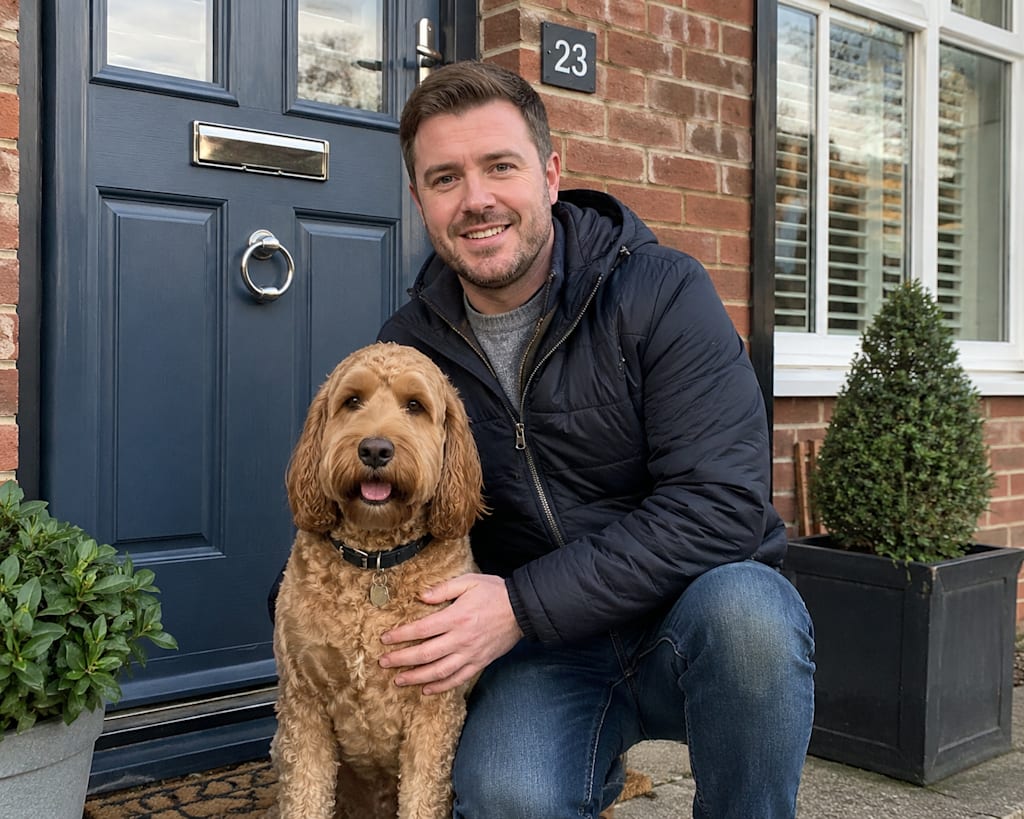
A few days ago, I had a stressful situation at home when my dog, Milo, accidentally locked himself inside a bedroom. The door had closed behind him, the latch caught, and the handle would not open from the outside. Milo started barking and scratching near the door, and it was clear he was becoming unsettled.
My first reaction was to panic and try to force the handle, which is probably what many pet owners would do in the same situation. But forcing a door can damage the lock, frighten the pet, or make the situation harder to fix. The safest thing to do was to slow everything down, check how distressed Milo was, and open the door without causing unnecessary damage.
Thankfully, Milo was brought out safely. The door was opened carefully, the lock and handle were checked afterwards, and I was advised on how to stop the same thing happening again.
In this situation, the Lockout247 team helped by calmly assessing the door, checking the handle and latch, and opening the room safely without causing unnecessary damage. The main priority was to get Milo out without frightening him further or making the lock problem worse. It was a good reminder that when a pet is trapped behind a locked or jammed door, forcing the handle is not always the safest option. Getting the right help can protect both the pet and the property.
If your dog, cat or another pet ever gets locked inside a room, these steps can help you respond calmly and safely.
- Stay Calm and Check the Level of Risk
The first few minutes matter. Before trying to force the door, listen carefully.
Ask yourself:
- Can you hear your pet moving normally?
- Are they barking, crying or scratching continuously?
- Is the room hot or poorly ventilated?
- Could they reach anything dangerous inside the room?
- Are they very young, elderly, unwell or easily distressed?
If your pet sounds calm and the room is safe, you may have time to solve the issue carefully. If they sound distressed or the room is unsafe, treat it as urgent.
- Speak to Your Pet Through the Door
Your voice can help settle them.
Stand close to the door and speak in a calm, normal tone. Use their name and familiar words. With Milo, I stayed by the door and spoke gently so he knew someone was nearby.
Avoid shouting, banging on the door or shaking the handle repeatedly. That can make a nervous pet even more anxious.
- Check Whether the Door Is Actually Locked
Sometimes the door is not fully locked. It may just be latched, stuck, or caught because the handle or door alignment has failed.
Check:
- Does the handle move at all?
- Is there a key on your side?
- Is the latch stuck rather than locked?
- Is the door catching on the frame?
- Is there another entrance into the room?
- Is there a spare key nearby?
- Use gentle pressure only. Do not kick the door or force the handle.
- Look for Another Safe Way to See Inside
If possible, check what is happening inside the room.
You may be able to look through:
- A window
- A glass panel
- A gap under the door
- An indoor camera
- Another connected room
This helps you understand whether your pet is simply waiting inside or whether they are in danger.
- Avoid Using Random Tools in the Lock
Many people try to use a screwdriver, knife, coat hanger or another tool to open the lock. This can create more problems.
It may:
- Damage the lock
- Break the handle
- Snap something inside the mechanism
- Create sharp edges
- Frighten the pet
- Make the door harder to open safely
If the pet is standing close to the door, sudden force can also scare or injure them.
- Think About Heat, Ventilation and Hazards
The room itself matters.
A pet locked in a cool bedroom for a short time is different from a pet locked in a hot conservatory, bathroom, utility room or small space with poor airflow.
Act quickly if:
- The room is hot
- There are cleaning products inside
- There are wires, sharp items or food hazards
- The pet is breathing heavily
- The pet has gone quiet suddenly after panicking
- The pet is trapped near furniture or behind the door
If you believe your pet is in immediate danger, contact emergency help straight away.
- Call for Help If the Door Will Not Open
If the handle has failed, the key will not turn, or the latch is stuck, it is usually safer to get help rather than damage the door.
When explaining the situation, say clearly:
- A pet is locked inside
- What type of room it is
- Whether the pet sounds distressed
- Whether there are any hazards inside
- Whether the door has a key lock, handle fault or latch issue
This helps the situation be understood properly and dealt with quickly.
- Check Your Pet Once the Door Is Open
Once the door is open, give your pet space.
Do not crowd them straight away.
Check calmly for:
- Heavy breathing
- Limping
- Cuts or scratches
- Vomiting
- Unusual behaviour
- Signs they may have eaten something unsafe
- Offer water and reassurance. If anything seems wrong, contact a vet for advice.
- Prevent It Happening Again
After Milo was safely out, the door handle and latch were checked. The issue had likely come from a weak internal handle and a door that caught too easily.
To reduce the risk in your home:
- Check loose internal handles
- Keep doors open with safe door stops
- Avoid leaving pets in rooms with faulty latches
- Keep spare keys accessible
- Repair stiff handles early
- Check doors that swing shut easily
- Do not ignore small lock or latch problems
- Small checks can prevent a stressful emergency later.
Final Thought
A pet locked inside a room can feel frightening, but panic often makes the situation worse. Stay calm, listen carefully, check the risk, avoid forcing the door, and get help if the door will not open safely.
Milo’s situation ended well because the door was opened carefully and without frightening him further. For UK pet owners, the best approach is simple: stay calm, keep your pet reassured, and deal with the lock or latch safely.
About the Creator
James Hartshorn
James Harton shares practical UK home safety, door lock and property security tips for homeowners, tenants and landlords, with simple guidance on everyday lock problems, emergency situations and safer homes.
Enjoyed the story? Support the Creator.
Subscribe for free to receive all their stories in your feed.
Comments
There are no comments for this story
Be the first to respond and start the conversation.