
Understanding the Basics of a Ketogenic Diet and Meal Plan
The Ultimate Keto Meal Plan⚡️ Make $37 AOV With A $1 Sale
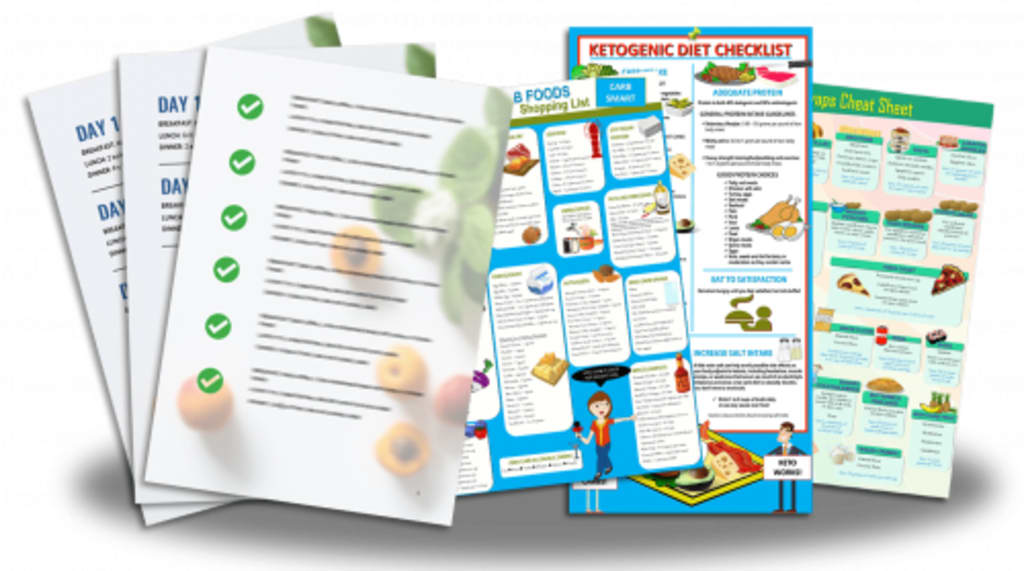
I can offer some general information about Keto diets and meal plans. A ketogenic diet is a low-carb, high-fat diet that puts the body into a state of ketosis, where it burns fat for energy instead of carbohydrates. A keto meal plan typically includes foods that are high in healthy fats and low in carbohydrates, such as meat, fish, eggs, cheese, nuts, seeds, and low-carb vegetables. There are many resources available online for those who are interested in following a keto meal plan. It's important to note that meal plans should be tailored to individual needs and preferences and should be designed with the help of a registered dietitian or another qualified health professional. It's also important to be cautious of any claims that promise quick and easy weight loss or financial gain. It's always best to do thorough research and consult with a healthcare professional before starting any new diet or exercise progra. The ketogenic diet is a high-fat, low-carbohydrate diet that has gained popularity in recent years due to its potential health benefits, such as weight loss, improved blood sugar control, and increased energy levels. In this article, we will discuss the basics of a ketogenic diet and provide a sample meal plan to help you get started. What is a Ketogenic Diet? A ketogenic diet is a low-carbohydrate, high-fat diet that causes the body to enter a state of ketosis. Ketosis is a metabolic state in which the body uses stored fat as its primary source of fuel instead of carbohydrates. To achieve ketosis, you need to limit your carbohydrate intake to 20-50 grams per day, which is equivalent to 5-10% of your daily calorie intake. In a typical ketogenic diet, your daily calorie intake should consist of 70-75% fat, 20-25% protein, and 5-10% carbohydrates. This means that you will need to consume foods that are high in healthy fats, such as avocado, nuts, and olive oil, while limiting your intake of carbohydrates, such as bread, pasta, and rice. Benefits of a Ketogenic Diet The ketogenic diet has been shown to have several potential health benefits, including: Weight Loss: Since the body is using stored fat as its primary source of fuel, a ketogenic diet can help you lose weight and reduce body fat. Improved Blood Sugar Control: A ketogenic diet can help improve blood sugar control by reducing insulin resistance and lowering blood glucose levels. Increased Energy Levels: A ketogenic diet can help increase energy levels by providing a stable source of fuel to the body. Reduced Inflammation: A ketogenic diet can help reduce inflammation in the body by limiting the intake of processed and refined carbohydrates. Sample Ketogenic Diet Meal Plan To get started on a ketogenic diet, you will need to plan your meals carefully to ensure that you are getting the right balance of macronutrients. Here is a sample ketogenic diet meal plan to help you get started: Breakfast: Three egg omelet with spinach and cheese cooked in butter Two strips of bacon Coffee with heavy cream Lunch: Grilled chicken salad with avocado, bacon, and blue cheese dressing Water or unsweetened iced tea Dinner: Grilled salmon with asparagus and hollandaise sauce Side salad with mixed greens, cucumber, and olive oil dressing Sparkling water with lemon Snacks: One ounce of almonds or macadamia nuts Celery sticks with cream cheese Important Considerations Before starting a ketogenic diet, it is important to speak with your healthcare provider to ensure that it is safe for you to do so. Additionally, it is important to keep in mind that the ketogenic diet is not suitable for everyone, especially those with certain medical conditions, such as liver or kidney disease. In conclusion, the ketogenic diet is a low-carbohydrate, high-fat diet that has gained popularity due to its potential health benefits. To achieve ketosis, you need to limit your carbohydrate intake and consume foods that are high in healthy fats. If you are considering starting a ketogenic diet, be sure to speak with your healthcare provider to ensure that it is safe for you to do so.
About the Creator
Enjoyed the story? Support the Creator.
Subscribe for free to receive all their stories in your feed.
Comments
There are no comments for this story
Be the first to respond and start the conversation.