travel
Travel advice for the worldly scholar; discover the best places to study abroad, the best art and history museums, and beyond.
Behind the Curtain of Medical Mistakes
Medical errors rank as the third leading cause of mortality in the United States, with an estimated annual toll of between 220,000 and 440,000 preventable deaths. There exists a significant gap in public awareness regarding the gravity of medical errors. A severe case involved complications following an aorta puncture, necessitating multiple blood transfusions totaling 20 pints. This incident resulted in blood clots in the leg and required arterial repair, creating uncertainty about the patient's future health. The primary causes of death in the United States include heart disease, cancer, and medical negligence, the latter being an unexpected contributor among these leading causes. In a notable incident, Julie experienced an overdose of propofol due to the physician's insufficient expertise. She was advised to seek legal counsel due to inconsistencies in her medical records. During a critical moment of cardiac arrest, the surgeon prioritized the surgical procedure over the provision of adequate medical care. There is a growing advocacy for enhanced transparency in operating rooms, which includes the implementation of audio and visual recordings. The proposed "Julie's Law" aims to empower patients by allowing them to request recordings of activities within the operating room to promote greater transparency.
By Isaac Ekow Anyidoho2 years ago in Education
The Mysteries of Coma
Coma represents a multifaceted medical condition characterized by unpredictable outcomes. The case of Arnaud, who survived for three days in a coma, underscores the uncertainty surrounding recovery processes. The effects of coma extend deeply, affecting both the individuals experiencing it and their families, leading to significant life changes. A young man suffered from head trauma accompanied by brain swelling, where lesions within the brain resulted in a loss of consciousness. To monitor intracranial pressure and assess the likelihood of a favorable awakening, a pressure sensor will be installed. David is currently in an artificial coma, a state induced to minimize brain oxygen consumption. This artificial coma, facilitated by sedative medications, complements the natural coma resulting from his accident. By reducing both brain oxygen consumption and blood flow to the head, David is also kept in a refrigerated environment to regulate his body temperature. The essential function of artificial respirators in the care of coma patients cannot be overstated, as they are crucial for maintaining adequate oxygenation and carbon dioxide levels in the bloodstream. The evolution of artificial respirators, from the historical iron lungs to contemporary devices, illustrates significant advancements in medical technology. During his recovery, David has begun to exhibit signs of increased consciousness. His ability to respond appropriately to painful stimuli suggests a positive level of awareness. After a fortnight, David has made notable progress, as he can breathe independently and open his eyes without external prompts. The joy and relief felt by family members, medical professionals, and caregivers are palpable as they observe David's awakening and growing responsiveness. The significance of self-awareness and interpersonal interactions during the recovery phase from a coma is paramount.
By Isaac Ekow Anyidoho2 years ago in Education
Amazon wilderness best mystery subject. Content Warning. AI-Generated.
The Amazon Wilderness is an immense and baffling spot, brimming with privileged insights and charming subjects. The following are a couple of interesting viewpoints that could be viewed as a portion of its tricks of the trade:
By Sonia Rahman Afsana 2 years ago in Education
The impact of climate change on the environment.
Climate change has always been a natural part of Earth's history, with periods of warming and cooling driven by factors like volcanic activity, changes in solar radiation, and natural greenhouse gas fluctuations. However, the current accelerated changes are primarily due to human activities, which have altered the natural balance at an unprecedented rate. The Industrial Revolution marked a significant turning point, with the widespread use of fossil fuels leading to massive increases in greenhouse gas emissions, particularly carbon dioxide. This shift has driven the global temperatures upwards, leading to a myriad of environmental impacts.
By MD Hasib Mia2 years ago in Education
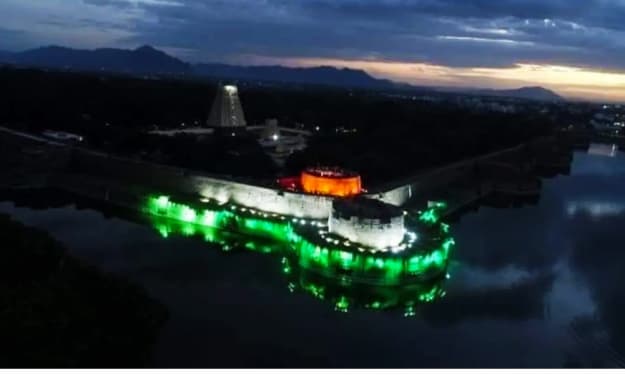
Vellore Fort
Vellore Fort: A Glimpse into South India's Historical Gem. Introduction to Vellore Fort: Nestled in the heart of Tamil Nadu, India, Vellore Fort stands as a monument to the rich and tumultuous history of the region. Constructed in the 16th century, this formidable fortification is renowned for its impressive architecture, historical significance, and role in shaping the political landscape of South India. The fort's strategic location and robust construction have made it a focal point of numerous historical events, reflecting the grandeur and complexity of the era. Architectural Marvel of the 16th Century: The construction of Vellore Fort began in 1566 under the rule of the Vijayanagara Empire, specifically by the emperor Sri Ranga III. Its design is a testament to the advanced engineering skills of the time, featuring a blend of military functionality and aesthetic appeal. The fort's layout includes a massive outer wall with bastions at regular intervals, a moat surrounding the perimeter, and several intricately designed gates. The walls are made of granite and extend approximately 2 kilometers in length, showcasing the fort's capacity to withstand prolonged sieges and attacks. The Fort’s Strategic Significance: Vellore Fort was strategically built on elevated ground, which provided a commanding view of the surrounding terrain and allowed for effective defense against potential invaders. The location was chosen due to its proximity to major trade routes and its advantageous position in the region’s geopolitical landscape. The fort’s design includes a large moat filled with water, which served as an additional defensive measure, making it difficult for attackers to breach the fortifications. This strategic placement made Vellore Fort a critical stronghold during various conflicts, particularly during the 17th century. The Fort's Role in the Vijayanagara Empire: During the Vijayanagara Empire's reign, Vellore Fort was a key military and administrative center. The Vijayanagara rulers utilized the fort as a base to assert their dominance over the region and to control the surrounding territories. The fortification was not only a symbol of the empire's power but also a practical facility for managing regional affairs. Its robust design and strategic location allowed the Vijayanagara rulers to effectively govern and protect their interests in the southern part of India. The Fall of the Vijayanagara Empire and Vellore Fort: The decline of the Vijayanagara Empire in the mid-17th century had a significant impact on Vellore Fort. In 1645, the fort was captured by the Marathas under the leadership of Chhatrapati Shivaji. The capture marked a turning point in the region’s history, as the Marathas sought to expand their influence in South India. The fort changed hands several times over the years, reflecting the shifting power dynamics of the time. Despite these changes, the fort remained a key strategic asset for various rulers. The Fort Under Mughal Control: In 1676, the fort was ceded to the Mughal Empire under the rule of Aurangzeb. The Mughals recognized the fort's strategic importance and made several modifications to its structure. During Mughal control, the fort served as a key administrative center and played a role in the Mughal Empire's efforts to consolidate power in South India. The Mughal influence on the fort's architecture and administration was evident in various modifications made during this period. The Role of Vellore Fort in the First War of Indian Independence: One of the most significant events in Vellore Fort's history occurred during the First War of Indian Independence in 1806. The fort became the epicenter of a major rebellion against British rule, known as the Vellore Rebellion. The uprising was led by Indian soldiers and was fueled by discontent with British policies and treatment of Indian troops. The rebellion was brutally suppressed by the British, leading to significant loss of life and the imposition of harsh penalties. The Vellore Rebellion is considered a precursor to the larger Indian independence movement and remains a significant chapter in Indian history. Architectural and Historical Significance of Key Structures: Vellore Fort is home to several notable structures, each with its own historical significance. The fort's primary entrance, known as the ‘Raya Gate,’ is an impressive example of Vijayanagara architecture and is adorned with intricate carvings. Inside the fort, the Karthikaiya Perumal Temple is a noteworthy example of Dravidian temple architecture, featuring a combination of Hindu and Islamic styles. The fort also houses several mosques and churches, reflecting the diverse cultural and religious influences that have shaped the region over the centuries. Preservation Efforts and Current Status: In recent years, Vellore Fort has been the focus of various preservation and conservation efforts aimed at preserving its historical and architectural integrity. The fort has been declared a protected monument by the Archaeological Survey of India (ASI), which oversees its maintenance and restoration. These efforts are crucial in ensuring that the fort's historical significance is not lost and that future generations can continue to appreciate its cultural heritage. Vellore Fort as a Tourist Destination: Today, Vellore Fort stands as a popular tourist destination, attracting visitors from around the world who are eager to explore its historical and architectural wonders. The fort's well-preserved structures and its rich history offer a unique glimpse into South India's past. Visitors can explore the various temples, mosques, and churches within the fort, as well as enjoy panoramic views from the fort's ramparts. The fort also hosts cultural events and educational programs, further enhancing its appeal to tourists and history enthusiasts. The Legacy of Vellore Fort: Vellore Fort's legacy extends beyond its historical and architectural significance. The fort serves as a symbol of the region's rich cultural heritage and the complex interplay of different rulers and cultures that have shaped its history. Its role in various historical events, from the Vijayanagara Empire to the Vellore Rebellion, underscores its importance in the broader narrative of South India's history. The fort's enduring presence continues to inspire admiration and respect for the historical and architectural achievements of the past. Conclusion: Vellore Fort stands as a testament to the rich and diverse history of South India. Its impressive architecture, strategic significance, and role in various historical events make it a unique and invaluable part of India's cultural heritage. As both a historical monument and a modern tourist attraction, Vellore Fort offers a compelling glimpse into the past and continues to capture the imagination of those who visit. Its preservation and continued relevance serve as a reminder of the enduring legacy of South India's historical and architectural achievements.
By Kalai Selvi2 years ago in Education
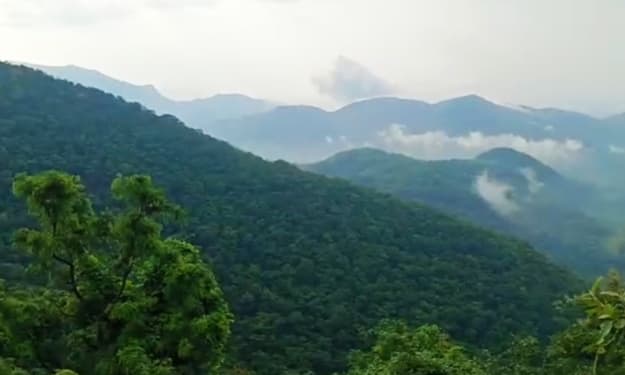
Lambasingi
**Lambasingi: Andhra Pradesh’s Hidden Gem** Nestled in the picturesque hills of Andhra Pradesh lies a hidden gem that remains largely undiscovered by the masses—Lambasingi. Often referred to as the "Kashmir of Andhra Pradesh," this quaint village offers a serene escape from the hustle and bustle of urban life. With its cool climate, lush green landscapes, and tranquil atmosphere, Lambasingi is a testament to the unexplored beauty of India's rural countryside. In this article, we’ll delve into the unique features of Lambasingi, its cultural significance, and the potential it holds as a travel destination. A Glimpse into Lambasingi’s Charm: Lambasingi, located in the Visakhapatnam district of Andhra Pradesh, is a small village situated at an elevation of about 1,000 meters (3,280 feet) above sea level. This altitude, coupled with its geographical location in the Eastern Ghats, contributes to its cool climate, which is quite rare in the otherwise hot and humid region of Andhra Pradesh. The village is often shrouded in mist, adding to its mystique and charm. The name "Lambasingi" is derived from the local dialect, where "Lamba" means "long" and "Singhi" means "horn," potentially referring to the elongated mountain peaks surrounding the area. The village is known for its pristine environment, with rolling hills, dense forests, and an abundance of flora and fauna. Climate and Natural Beauty: One of Lambasingi’s most alluring features is its climate. The village experiences a temperate climate throughout the year, with temperatures dropping to as low as 0°C (32°F) during the winter months. This makes it an ideal retreat for those looking to escape the sweltering heat of the plains. The cool weather and frequent fog lend Lambasingi an ethereal quality, making it a popular spot for nature lovers and photographers. The natural beauty of Lambasingi is unparalleled. The lush greenery is complemented by the serene surroundings, including picturesque streams and cascading waterfalls. The nearby forests are home to a diverse range of wildlife, including various species of birds, butterflies, and small mammals. The dense forests also contribute to the village’s rich biodiversity, making it an excellent location for eco-tourism. The Local Economy and Agriculture: Agriculture is the backbone of Lambasingi’s economy. The village is renowned for its coffee plantations, which benefit from the favorable climatic conditions. The cool temperature and high altitude provide an ideal environment for cultivating coffee, and Lambasingi’s beans are known for their rich flavor and aroma. In addition to coffee, the villagers also grow a variety of fruits and vegetables, including oranges, lemons, and tomatoes. Traditional farming practices are still prevalent in Lambasingi, with many villagers employing organic methods to maintain the health of their crops. The cultivation of spices such as black pepper and cardamom is also a significant part of the local economy. The village’s agricultural products are not only consumed locally but are also sold in neighboring towns and cities, contributing to the region’s economic stability. Cultural Significance and Traditions: Lambasingi, like many rural areas in India, has a rich cultural heritage that is deeply rooted in its traditions and customs. The village is predominantly inhabited by the tribal communities of the Eastern Ghats, including the Kondhs and the Gonds. These communities have their own unique languages, customs, and festivals, which are an integral part of Lambasingi’s cultural fabric. One of the most celebrated festivals in Lambasingi is the "Sankranti" festival, which marks the harvest season. During this time, the villagers come together to celebrate with traditional music, dance, and feasts. The festival is a vibrant display of the local culture, with colorful attire and joyous festivities. Another significant cultural event is the "Karthika Deepam" festival, celebrated during the full moon of the Karthika month in the Hindu calendar. This festival involves lighting lamps and offering prayers to the local deities. The villagers believe that participating in this festival brings prosperity and well-being. Tourism Potential and Development: Despite its natural beauty and cultural significance, Lambasingi remains relatively unexplored by mainstream tourism. However, there is growing interest in developing the area as a tourist destination. The village’s unique climate, scenic landscapes, and cultural heritage offer significant potential for eco-tourism and rural tourism. Efforts are being made to promote Lambasingi as a travel destination while preserving its natural beauty and traditional lifestyle. Initiatives include developing eco-friendly accommodations, promoting local handicrafts, and organizing guided tours to showcase the village’s attractions. By focusing on sustainable tourism practices, Lambasingi aims to attract visitors while minimizing the impact on its environment and culture. Local authorities and tourism bodies are also working on improving infrastructure, including better transportation facilities and amenities for visitors. This includes enhancing roads leading to the village and establishing information centers to assist tourists. The goal is to strike a balance between promoting tourism and preserving the village’s unique character. Challenges and Future Prospects: While Lambasingi holds immense potential as a tourist destination, it also faces several challenges. One of the primary concerns is maintaining the delicate balance between development and environmental preservation. Rapid commercialization could pose a threat to the village’s natural resources and traditional way of life. Another challenge is ensuring that the benefits of tourism are equitably distributed among the local population. It is crucial to involve the community in the planning and development process to ensure that tourism contributes to their well-being and economic development. Looking ahead, Lambasingi has the opportunity to become a model for sustainable rural tourism. By leveraging its unique attributes and implementing thoughtful development strategies, the village can attract visitors while preserving its cultural heritage and natural beauty. The involvement of local communities, conservationists, and tourism experts will be essential in achieving this vision. Conclusion: Lambasingi, with its cool climate, stunning landscapes, and rich cultural heritage, is truly a hidden gem in Andhra Pradesh. Its untouched beauty and traditional way of life make it a unique destination for those seeking an authentic and tranquil experience. As interest in rural and eco-tourism grows, Lambasingi stands poised to become a prominent example of how sustainable development can harmoniously blend with preservation. As travelers and explorers seek out new and unspoiled destinations, Lambasingi offers a glimpse into the serene and enchanting side of rural India. With careful planning and community involvement, this village can continue to thrive and share its remarkable charm with the world, while maintaining the essence of its unique character.
By Kalai Selvi2 years ago in Education
8 Tips for Students Renting a House in Brisbane for the First Time
Brisbane, the capital city of the state of Queensland, Australia, is one of the favourite cities for numerous international students without a second thought. There are three major universities, which are headquartered in Brisbane including the University of Queensland, Queensland University of Technology, and Griffith University. The University of Queensland has been ranked 40th among 1500 universities in the QS World University Rankings 2025. On the other hand, Queensland University of Technology has achieved the 213th rank. There are more universities in Brisbane that are not headquartered here but have their campuses in Brisbane including the University of Sunshine Coast, the University of Southern Queensland, James Cook University, Central Queensland University, and Australian Catholic University.
By Andy Murray2 years ago in Education
The Mystery of Air Travel Across the Pacific
One may think flying directly across the wide Pacific Ocean would be the most straightforward way to organize a journey from North America to Asia or Australia. However, a deeper examination of flight routes shows an unexpected fact: instead of flying straight over the Pacific, many commercial aircraft choose to take routes that round it. Both tourists and aviation lovers are attracted and captivated by this trend.
By Jonah ldemudia2 years ago in Education
Mind-Body Connection
Introduction The concept of the mind-body connection has gained significant attention in recent years, especially as people seek holistic approaches to health and wellness. At its core, the mind-body connection is the idea that our mental and emotional states profoundly influence our physical health, and vice versa. This interrelationship is particularly evident in the context of physical fitness, where mindfulness and meditation practices can enhance not only mental well-being but also physical performance and overall fitness.
By Maiakwai4u2 years ago in Education
Student
Student loans are a critical and often life-altering financial tool for many students worldwide. They provide access to higher education, opening doors to opportunities that might otherwise be out of reach. However, they also come with challenges and responsibilities that can have long-term implications. Let's delve into the emotional landscape of student loans, exploring their impact on individuals and society.
By Aminu Muhammad2 years ago in Education