stem
The four major disciplines propelling our students and our society forward; all about education in science, technology, engineering, and mathematics.
You Are Not Worthless: You're Just in the Wrong Place
There are times in life when we feel like we are not enough, as though our existence holds no value. These moments often stem from being in situations or environments where our unique skills, talents, and qualities are not appreciated or acknowledged. However, feeling worthless is not an accurate reflection of who you are; it’s a signal that you may simply be in the wrong place. Imagine a fish trying to climb a tree or a bird attempting to live underwater. Both scenarios sound absurd because we instinctively know that each creature thrives in its natural environment. The fish belongs in water, while the bird belongs in the sky. When these creatures are placed outside of their natural environments, they seem out of place and unable to function properly. The same principle applies to humans. We all have specific strengths and gifts that shine in the right circumstances. When you find yourself in the wrong environment, it can be easy to misinterpret your struggles as a lack of value. One common place where people often feel worthless is the workplace. Perhaps you're in a job where your efforts go unnoticed, your skills are underutilized, or your values don’t align with the company's culture. This can be frustrating and demoralizing, leading to feelings of inadequacy. But the problem isn’t you it’s the environment. A creative individual in a rigid corporate setting may feel stifled, while a detail-oriented person may struggle in a chaotic, fast-paced workplace. When you find yourself in a job that doesn't fit, it’s not a reflection of your worth; it’s simply an indication that you need to seek a better match for your talents. The same is true in relationships. Being surrounded by people who don’t appreciate or understand you can leave you feeling invisible and unimportant. Some friendships or partnerships may be toxic or unsupportive, causing you to doubt your self-worth. However, when you find yourself in the company of people who celebrate your uniqueness and encourage your growth, your sense of worth naturally flourishes. The key is to recognize when a relationship is draining you rather than uplifting you and to seek out connections that bring out the best in you. Society also plays a significant role in shaping our perceptions of worth. We live in a world that often values certain attributes over others. Success is frequently measured by wealth, social status, or physical appearance. If you don’t fit into these narrow definitions, it’s easy to feel as though you don’t matter. But this societal lens is limited and does not capture the full spectrum of human value. History is filled with stories of individuals who were misunderstood or underestimated because they didn’t conform to societal expectations. Yet, they went on to make significant contributions to the world once they found their true calling and the right environment. To overcome feelings of worthlessness, it’s essential to take a step back and assess your current situation. Ask yourself whether the environment you are in allows you to thrive or whether it stifles your potential. This might mean reevaluating your job, your relationships, or even the social circles you engage with. Sometimes, making a change can be daunting, but it’s necessary for personal growth and happiness. Self-awareness is a crucial part of this process. Understanding your strengths, passions, and values will help you identify the environments where you can excel. Reflect on the moments when you felt most alive and fulfilled. What were you doing? Who were you with? What kind of environment were you in? These questions can provide valuable clues about the right place for you. Additionally, it’s important to be patient and kind to yourself during this journey. Finding the right place may not happen overnight. There may be setbacks and challenges along the way. However, each step you take brings you closer to an environment that aligns with who you truly are. Remember that your worth is inherent; it does not diminish because of temporary setbacks or unfavorable circumstances. Surrounding yourself with supportive and positive people can also make a significant difference. Seek out mentors, friends, and communities that value and encourage your growth. These connections can provide guidance and reassurance as you navigate your way to the right place. It’s also worth mentioning that sometimes the right place isn’t something you find it’s something you create. If the environment you desire doesn’t exist, consider building it yourself. Start a project, launch a business, or form a community that aligns with your values and passions. Many of the world’s greatest innovations and movements began with individuals who refused to settle for the wrong place and instead created spaces where they could thrive. In conclusion, you are not worthless you are just in the wrong place. The key is to recognize this truth and take proactive steps to find or create the right environment for yourself. Your value is not determined by external circumstances but by the unique qualities you bring to the world. Trust in your worth, seek out spaces that celebrate your strengths, and remember that you have the power to thrive when you're in the right place.
By Nora Ariana2 years ago in Education
The Impact of 5G Technology on Society
The advent of 5G technology promises to revolutionize the way we live, work, and interact with the world. As the fifth generation of wireless technology, 5G offers faster speeds, greater reliability, and a more connected society. While the introduction of 5G is still ongoing in many parts of the world, its potential impacts are already being widely discussed. From improvements in communication and healthcare to advancements in smart cities and the economy, 5G technology is set to bring about far-reaching changes in society. This article will explore the various ways in which 5G technology will impact individuals, businesses, and governments across the globe. One of the most notable features of 5G technology is its increased speed. With download speeds potentially reaching up to 100 times faster than current 4G networks, 5G will significantly reduce the time it takes to transfer large amounts of data. This will lead to faster internet browsing, quicker downloads and uploads, and smoother streaming experiences for consumers. The higher speeds also allow for more devices to connect simultaneously without causing congestion, which is particularly important as the number of connected devices continues to grow. For individuals, the enhanced speed and connectivity offered by 5G will have a profound effect on everyday life. For example, the use of virtual reality (VR) and augmented reality (AR) applications will become more widespread, as 5G's low latency and high bandwidth will support real-time, interactive experiences. In entertainment, 5G will allow for ultra-high-definition video streaming and real-time gaming experiences that were previously unimaginable. As a result, consumers will have access to more immersive and interactive content, enhancing their overall digital experience. In the field of healthcare, 5G is expected to have a transformative impact. The technology's ability to provide reliable and fast connections will enable the widespread adoption of telemedicine, allowing patients to consult with doctors remotely in real-time. This is especially important in rural and underserved areas where access to healthcare providers is limited. With 5G, doctors will be able to perform remote surgeries using robotic systems, ensuring that patients receive the care they need even if they are not physically present in the same location. Additionally, wearable health devices that monitor vital signs and other health data in real-time will benefit from 5G's improved connectivity, enabling healthcare professionals to make more informed decisions and provide better care. Smart cities, which integrate technology to improve the quality of life for residents, will also benefit from 5G technology. The faster and more reliable network will support the vast amounts of data generated by sensors and devices that monitor everything from traffic flow to air quality. This data will be used to optimize city services, reduce energy consumption, and improve public safety. For instance, smart traffic lights could adjust in real-time based on traffic patterns, reducing congestion and improving transportation efficiency. In the event of an emergency, 5G-enabled systems could quickly alert first responders, enabling faster response times and potentially saving lives. The impact of 5G on business operations will also be significant. Companies will be able to leverage the faster speeds and lower latency to streamline operations, improve productivity, and innovate in ways that were previously not possible. For example, 5G will enable the growth of the Internet of Things (IoT), connecting billions of devices that can communicate with each other autonomously. This will allow businesses to automate processes, monitor equipment in real-time, and collect valuable data to make more informed decisions. Manufacturing industries will benefit from the ability to connect machines and systems seamlessly, allowing for more efficient production lines and less downtime. Moreover, the rise of 5G will drive the development of new technologies and business models. Industries such as autonomous vehicles, smart agriculture, and robotics are expected to see significant growth due to 5G's capabilities. Autonomous vehicles, for instance, will rely on 5G to communicate with other vehicles, traffic infrastructure, and the cloud, enabling safer and more efficient transportation systems. In agriculture, 5G-powered sensors will enable precision farming, where farmers can monitor soil conditions, crop health, and weather patterns in real-time, leading to better yields and reduced environmental impact. On a global scale, 5G technology will have far-reaching implications for economic growth. The introduction of 5G networks is expected to create millions of new jobs and spur innovation across various sectors. According to some estimates, the global economic impact of 5G could reach trillions of dollars over the next few decades. Countries that are early adopters of 5G technology will have a competitive advantage in the global economy, attracting investment and fostering innovation in industries such as telecommunications, manufacturing, and healthcare. However, despite its many benefits, the rollout of 5G technology also raises some concerns. One of the primary issues is the potential impact on privacy and security. With the increased number of connected devices, there are more opportunities for cyberattacks and data breaches. As more personal and sensitive information is transmitted over 5G networks, ensuring the security of this data becomes crucial. Governments and businesses will need to invest in robust cybersecurity measures to protect individuals' privacy and prevent malicious attacks. Another concern surrounding 5G is its environmental impact. While the technology promises to optimize energy use in various sectors, the infrastructure required to support 5G networks will require significant resources. The installation of new cell towers and the manufacturing of 5G-enabled devices could contribute to electronic waste and carbon emissions. Furthermore, the energy consumption of 5G networks themselves is expected to be higher than that of 4G networks, which could contribute to environmental degradation if not managed properly. There are also concerns regarding the potential health effects of 5G technology. While research on the health impacts of 5G is still ongoing, some studies suggest that prolonged exposure to radiofrequency radiation from 5G towers and devices could have adverse effects on human health. Although the consensus among health experts is that 5G technology is safe when used within regulatory limits, public concerns persist, and further research will be needed to fully understand the long-term effects of 5G on health.
By Nora Ariana2 years ago in Education
How to Protect Your Privacy Online
Protecting your privacy online is more important than ever in today's digital age. With the rise of cyber threats, data breaches, and intrusive surveillance, maintaining control over your personal information requires proactive measures. Many individuals are unaware of the extent to which their online activities are monitored, tracked, and collected by third parties. Understanding the risks and adopting practical strategies can help you safeguard your digital presence. One of the first steps in protecting your online privacy is to use strong, unique passwords for all your accounts. Weak and repetitive passwords make it easier for hackers to gain access to your personal information. A strong password should contain a combination of upper and lowercase letters, numbers, and special characters. Using a password manager can help you generate and store complex passwords securely, reducing the temptation to reuse the same password across multiple platforms.
By Nora Ariana2 years ago in Education
The Rise of Virtual Reality in Everyday Life
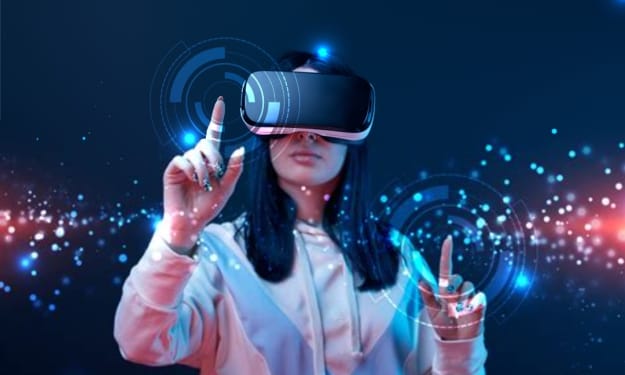
Virtual reality (VR) is no longer confined to the realm of science fiction or specialized tech communities. Over the past few years, it has steadily integrated into various aspects of everyday life, transforming the way people work, learn, play, and connect. The rise of VR technology is not just about impressive visuals and immersive experiences; it is a cultural shift that is reshaping multiple industries and redefining human interactions in the digital age. One of the most noticeable areas where VR has made an impact is in the entertainment industry. Gaming, in particular, has seen a revolutionary transformation with the introduction of VR headsets such as the Oculus Quest, PlayStation VR, and HTC Vive. These devices have elevated traditional gaming experiences by immersing players in lifelike environments where they can interact with virtual worlds in real time. Players can explore fantasy landscapes, engage in intense battles, and even participate in social gatherings without ever leaving their living rooms. Beyond gaming, VR is being used for virtual concerts, movies, and theme park experiences, offering new ways to entertain and engage audiences. Education is another field where VR has proven to be a game-changer. Schools and universities are increasingly adopting VR as a teaching tool to provide students with immersive and interactive learning experiences. Imagine a history class where students can walk through ancient Rome or a science lesson where they can explore the human body at a microscopic level. VR enables learners to grasp complex concepts through visual and experiential methods, making education more engaging and effective. Additionally, VR can bridge the gap for remote learners, allowing them to feel present in virtual classrooms alongside their peers. The healthcare industry has also embraced VR technology with remarkable results. Surgeons can now use VR simulations to practice complex procedures, improving their skills without risking patient safety. VR is also being used in therapy and rehabilitation, helping patients overcome phobias, manage pain, and regain motor functions. For example, virtual environments can be created to gradually expose patients to their fears in a controlled and safe setting, leading to desensitization and emotional healing. The potential for VR in healthcare continues to grow as research and technology advance. In the business world, VR has become a valuable tool for collaboration and training. With remote work becoming increasingly common, companies are using VR platforms to conduct meetings, workshops, and team-building activities. These virtual environments allow employees to feel connected and engaged, even when working from different locations. VR is also being used for employee training, particularly in industries such as manufacturing, aviation, and customer service. Simulated environments provide a safe space for trainees to practice skills and handle challenging scenarios without real-world consequences. The retail and e-commerce sectors are also leveraging VR to enhance the shopping experience. Virtual showrooms and fitting rooms allow customers to explore products and try on clothing without stepping into a physical store. This not only saves time but also provides a more personalized and interactive shopping experience. Some real estate companies are using VR to offer virtual property tours, enabling potential buyers to explore homes from anywhere in the world. As VR technology becomes more accessible, it is likely to become a standard feature in the retail landscape. Social interaction is another aspect of daily life that VR is transforming. Virtual social platforms such as VRChat and AltspaceVR allow users to connect with friends and strangers in virtual environments, attending events, playing games, and simply hanging out. These spaces provide a sense of presence and community that traditional online interactions often lack. As VR technology continues to evolve, it has the potential to redefine how people build and maintain relationships in a digital age. Despite its many advantages, the rise of VR is not without challenges. One of the primary concerns is the cost of VR hardware, which can be prohibitively expensive for many users. However, as technology advances and production costs decrease, more affordable options are becoming available. Another concern is the potential for addiction and social isolation, as users may become overly immersed in virtual worlds at the expense of real-world interactions. Additionally, issues related to data privacy and security need to be addressed to ensure that users' personal information is protected. Looking ahead, the future of VR is promising. As technology continues to advance, VR experiences will become more realistic, accessible, and integrated into everyday life. The development of haptic feedback devices, which simulate touch sensations, will further enhance the immersive experience. Additionally, advancements in artificial intelligence will allow virtual environments to become more dynamic and responsive, creating richer and more personalized experiences.
By Nora Ariana2 years ago in Education
How Blockchain is Changing the Way We Do Business
Blockchain technology has emerged as one of the most transformative innovations in recent years, revolutionizing the way businesses operate across various industries. Initially developed as the underlying technology for cryptocurrencies like Bitcoin, blockchain has evolved into a versatile tool that offers transparency, security, and efficiency in business transactions and operations. Its decentralized and tamper-proof nature makes it a game-changer for companies looking to enhance their processes and build trust with stakeholders. At its core, blockchain is a distributed ledger technology that records transactions across multiple computers in a way that ensures data integrity and security. Unlike traditional databases, which rely on a central authority to validate and store information, blockchain uses a network of nodes to verify and record transactions. Each block of data is linked to the previous one, forming a chain that is virtually immutable. One of the key ways blockchain is changing business operations is through the enhancement of transparency and trust. In traditional business environments, trust is often established through intermediaries such as banks, auditors, and regulatory bodies. These intermediaries add time and cost to transactions. With blockchain, all participants in a network have access to a single, transparent version of the truth, which reduces the need for intermediaries and minimizes the risk of fraud or discrepancies. Supply chain management is one area where blockchain has had a significant impact. Businesses can use blockchain to track the movement of goods from the point of origin to the final destination, ensuring transparency and accountability at every stage. This is particularly important in industries such as food and pharmaceuticals, where consumers demand greater assurance about the quality and authenticity of products. For example, Walmart has implemented a blockchain-based system to trace the origin of produce, reducing the time it takes to track contaminated products from days to seconds. Another critical application of blockchain is in financial services. Traditional financial transactions often involve multiple intermediaries and lengthy processing times. Blockchain technology streamlines this process by enabling peer-to-peer transactions that are faster, cheaper, and more secure. Smart contracts, which are self-executing contracts with predefined rules, further automate and simplify complex financial agreements. This has made blockchain a popular choice for remittances, cross-border payments, and decentralized finance (DeFi) platforms. The real estate industry is also benefiting from blockchain technology. Property transactions typically involve a lot of paperwork, legal formalities, and third-party verification processes. Blockchain can simplify and speed up these transactions by providing a transparent and tamper-proof record of property ownership and transfer. Smart contracts can automate the execution of agreements, reducing the need for intermediaries and minimizing the risk of disputes. In the realm of identity management, blockchain offers a secure and efficient way to store and verify personal information. Traditional identity verification methods are often fragmented and vulnerable to data breaches. Blockchain enables individuals to have control over their digital identities by storing encrypted information on a decentralized network. This can be particularly beneficial for industries such as banking, healthcare, and government services, where secure and reliable identity verification is crucial. One of the most promising aspects of blockchain is its potential to facilitate new business models and revenue streams. Decentralized applications (DApps) built on blockchain networks are transforming industries ranging from social media to gaming and content creation. These applications operate without a central authority, giving users greater control over their data and interactions. For instance, blockchain-based social media platforms reward users for creating and sharing content, challenging the traditional advertising-driven model of social media giants. Despite its numerous advantages, blockchain technology also faces challenges that need to be addressed for widespread adoption. Scalability is a significant concern, as many blockchain networks struggle to handle a high volume of transactions efficiently. This has led to the development of new consensus mechanisms and layer-2 solutions aimed at improving scalability without compromising security. Energy consumption is another issue, particularly for proof-of-work (PoW) blockchain networks like Bitcoin. The energy-intensive process of mining has raised environmental concerns, prompting the adoption of more sustainable alternatives such as proof-of-stake (PoS) and other consensus algorithms that require less computational power. Regulatory uncertainty is also a barrier to blockchain adoption. Governments around the world are grappling with how to regulate blockchain and cryptocurrency activities to protect consumers while fostering innovation. Clear and consistent regulations are essential to create a stable environment for businesses to leverage blockchain technology. Security is another critical concern, as blockchain networks are not immune to cyber threats. While the decentralized nature of blockchain makes it more secure than traditional systems, vulnerabilities can still be exploited, particularly in smart contracts and third-party applications. Continuous advancements in security protocols and best practices are necessary to mitigate these risks. Looking ahead, the future of blockchain in business is promising. As technology continues to evolve, businesses will find new and innovative ways to leverage blockchain to improve efficiency, reduce costs, and enhance customer experiences. Interoperability between different blockchain networks is expected to become a key focus, enabling seamless communication and data sharing across platforms. Collaboration between industry players, technology providers, and regulatory bodies will be crucial to unlock the full potential of blockchain. By addressing scalability, security, and regulatory challenges, blockchain can become a fundamental pillar of the digital economy.
By Nora Ariana2 years ago in Education
The Future of Artificial Intelligence
Artificial Intelligence (AI) has become one of the most transformative technologies of the 21st century, reshaping industries, economies, and even personal lives. As advancements in AI continue at a rapid pace, it's important to explore its potential, challenges, and the implications for the future. The development and integration of AI across various sectors present both opportunities and concerns that society must address. AI is defined as the simulation of human intelligence in machines programmed to think, learn, and perform tasks that typically require human cognitive functions. From natural language processing and computer vision to decision-making and predictive analytics, AI applications have become increasingly diverse. AI systems have already made significant contributions in areas such as healthcare, finance, education, and manufacturing. One of the most promising areas for AI is healthcare. AI-powered tools can analyze vast amounts of data to identify patterns and assist in diagnosing diseases more accurately and quickly than traditional methods. For example, AI can help detect cancer in its early stages through image analysis, predict disease outbreaks, and provide personalized treatment plans. Virtual health assistants powered by AI also improve patient care by providing immediate support and guidance. In the financial sector, AI has revolutionized the way businesses manage data and make decisions. Algorithms are now capable of detecting fraudulent activities, predicting stock market trends, and optimizing investment strategies. AI chatbots have also enhanced customer service by providing 24/7 support and personalized assistance to clients. The field of education is another domain where AI is making a significant impact. Personalized learning platforms powered by AI can assess students' strengths and weaknesses, offering customized learning experiences that adapt to their pace and preferences. Teachers can also benefit from AI by automating administrative tasks, freeing up time for more meaningful interactions with students. Manufacturing and automation are undergoing a major transformation thanks to AI-driven technologies. Smart factories equipped with AI can monitor operations in real-time, predict maintenance needs, and optimize production processes. This not only increases efficiency but also reduces operational costs and minimizes waste. While the potential of AI is vast, its rapid development also raises ethical and societal concerns. One major challenge is the potential loss of jobs due to automation. As AI continues to take over repetitive and routine tasks, some traditional roles may become obsolete, leading to unemployment and economic disruptions. However, experts argue that AI will also create new job opportunities in fields that require human creativity, problem-solving, and emotional intelligence. Data privacy and security are also significant concerns. AI systems require access to large volumes of data to function effectively, but this data often includes sensitive personal information. The misuse or mishandling of data could lead to privacy breaches and ethical violations. As a result, there is a growing need for robust regulations and frameworks to govern AI development and ensure responsible data handling. Another pressing issue is the potential for bias in AI algorithms. AI systems are only as good as the data they are trained on, and if that data is biased, the outcomes produced by the AI will also be biased. This can lead to discrimination and unfair treatment in areas such as hiring, lending, and law enforcement. Efforts are underway to develop fair and transparent AI systems, but achieving complete impartiality remains a challenge. The future of AI is likely to be defined by continued advancements in machine learning, deep learning, and neural networks. Researchers are exploring the development of general AI, which would have the ability to perform any intellectual task that a human can do. This is a significant leap from current AI systems, which are limited to specific tasks. As AI becomes more integrated into daily life, questions about its relationship with humanity become more urgent. Can AI exhibit true consciousness or emotions? Will machines ever become sentient? While these scenarios are currently in the realm of science fiction, they provoke meaningful discussions about the role of AI in society and how we define intelligence. To harness the benefits of AI while mitigating its risks, collaboration between governments, private organizations, and research institutions is crucial. Policymakers must establish regulations that promote innovation while protecting citizens' rights and ensuring ethical AI development. Public awareness and education about AI are also essential to help people understand its capabilities and limitations.
By Nora Ariana2 years ago in Education
How to Develop Healthy Habits for a Long Life
In a world where the pursuit of longevity and overall well-being is increasingly common, developing healthy habits is essential to living a long and fulfilling life. While genetics certainly play a role in determining how long we live, our lifestyle choices have a profound impact on our health and longevity. The good news is that it is never too late to make changes that can lead to a longer, healthier life. By incorporating simple but powerful habits into our daily routine, we can significantly improve our chances of living a longer and more vibrant life.
By Nora Ariana2 years ago in Education
CRISPR Technology: Revolutionizing Genetic Engineering in Biotechnology
CRISPR stands for Clustered Regularly Interspaced Short Palindromic Repeats. It is a component of bacterial immune systems that can cut DNA, and has been repurposed as a gene editing tool. It acts as a precise pair of molecular scissors that can cut a target DNA sequence, directed by a customizable guide.
By Ambalika Institute2 years ago in Education
Navigating Your Way to Success: Civil Engineering
Civil engineering is a dynamic and influential field that shapes the world we live in. From designing and constructing infrastructure to ensuring environmental sustainability, civil engineers play a crucial role in building a better future. If you’re aspiring to embark on a successful career in civil engineering, this guide will help you navigate your way to success.
By Ambalika Institute2 years ago in Education
The Ascendance — A Self Transformation Journey. Content Warning. AI-Generated.
The JourneyThe Path of Ascendance: A Transformational Journey into the Self Life in the fast lane often leads us to be overwhelmed emotionally and mentally drained. In the midst of all this madness, the very idea of emotional and psychological well-being often takes a back seat, despite being at the heart of it all. Tracing the patterns for self-realization, emotional healing, and psychological evolution is life-altering and liberating.This is the raw state of our psyche, and this article explores, within the grey, monotonous world we inhabit, how we can change the landscape of our psychological and emotional terrain. Other Human Connection Skills: Understanding Emotions Weaving the tapestry of our humanity. They steer our choices, mold our connections, and illuminate our identity. But so many of us out there struggle to name, express, or even acknowledge how we feel, leaving us disconnected from ourselves and from one another. Understanding of emotions could be the biggest superpower. The first step to recognizing what we feel is emotional awareness. When we stop and think about what we are experiencing, we create the conditions for clarity. Ask yourself: Why am I feeling this way? What triggered this emotion? How do I respond in a constructive way? Campaigners, journaling, or performing on mindfulness (consciousness) and so on are effective instruments for investigating feelings or emotions and to assist us with interpreting the messages behind feelings.The Role of Vulnerability it is vulnerable that many take as weakness when actually it is the source of immense strength. All of this takes place when we step up to vulnerability automatically. It just makes space for more connection, more compassion, and more permission to be seen without fear of judgment. But talking to people you trust about your struggles is a cathartic experience that teaches healing and growth. Psychological Development: Every Stage Has Its Benefits Psychological growth is not a place to reach—it is a journey, an eternal process of self-discovery, learning, and evolution. It requires specific strategies to build a strong mindset to keep going when that motivation fades and when things get tough. Never Give Up: Resilience is a 2-way streetResilience: Life is a struggle, and we all face difficult times, but resilience means that we can move through troubling times with strength and grace. Building resilience involves: Develop a growth mindset:Focus on setbacks as opportunities for learning, not as failure. Developing a support system: Get close to supporting and inspirational people. Meditation and mindfulness: Take a few moments out of your day to meditate and focus on your breathing. Rewriting Limiting Narratives Most of us hold onto stories from our past that restrict our potential—stories like “I’m not enough” or “I’ll never accomplish anything.” It takes a lot of self-kindness and the ability to reframe our outlook to challenge these beliefs. No need to focus on what we are lacking and only pay attention to our strengths and accomplishments. The Courage to Embrace Change Change is a fact of life, but it is also a time to grow. Although it is uncomfortable, pushing ourselves beyond what we normally find comfortable teaches us that there is more and gives us courage. Emotions Used to Control the Mind As much as our emotional and psychological states are interrelated. Just as unresolved emotions may lead to psychological disturbance, a healthy mind creates emotional stability. This relationship highlights the need for a dual approach to the two variables [the spiritual and material]. Stress and Its Effects on Emotional Well-being Chronic stress affects our physical health as well as our emotions. It can cause irritability, anxiety, and even depression. Therapies like meditating or breathing exercises, or creative writing, can help us keep some emotional balance, he says. The Healing Power of Therapy What I do goes beyond therapy because it is a healing tool for the emotional and psychological. Whether it's cognitive-behavioral therapy, talk therapy, art therapy, or any other counseling approach, professional help can help us work through unresolved issues, develop coping mechanisms, and learn more about ourselves. News and UpdatesOctober 23, 2023 From Psychologists: Emotional intelligence (EI) is the ability to recognize, understand, and manage our own emotions, as well as to influence the emotions of others. High emotional intelligence means better relationships, communication, and better mental health. Self-Awareness The cornerstone of EI is awareness of emotions. You cannot be reactive if you are in tune and aware of yourself. EmpathyIt is empathy that enables us to see the world through someone else's eyes. By actively listening and being genuine, we can achieve deeper connections and help resolve conflicts more skillfully. Emotional Regulation One of the most important signs of emotional maturity is the ability to manage our emotions, especially in difficult times. In moments where things are feeling stressful, grounding exercises, positive affirmations, or mindfulness can help maintain our calm. Overcoming the Stigma around Mental Health While there is increasing awareness, mental health issues are often stigmatizing and hinder individuals from seeking assistance. Normalizing mental health dialogue and learning about issues such as depression, anxiety, or burnout is so important in society. The Role of Society As a community with no exception, we can implement protection by creating environments that are safe, welcoming, affirming, and understanding. Acts of kindness brighten up one’s day; be a listening ear or always call up a friend to check in. Self-Compassion Self-compassion is treating ourselves with kindness and understanding, especially when we struggle. To make our journey towards self-love deeper, we need to learn to be more kind to ourselves, crop our inner critic, and give ourselves self-care. Journey Forward: Navigating Emotional and Psychological Development Mindfulness and Meditation Mindfulness is about being in the now, sans judgment. Regular meditation reduces stress, improves concentration, and improves emotional well-being. Gratitude Practice Gratitude shifts our focus from scarcity to abundance—from what is missing to what we have. This is especially applicable for those who feel low, pain in their current life, as writing down good memories or positive aspects of our life uplifts our mental state and generates a long-lasting happiness in our life. Creative Expression Creative activities—such as writing, painting, or dancing—provide us with a productive way to express our feelings. Creativity is an exhalation, as well as an inhalation. Physical Activity Exercise is a natural mood elevator: We call it “exercise” because it “exercises” endorphins that reduce stress and enhance mental focus. Exercising is a must, whether it is yoga, jogging, or even just a walk in nature. Seeking Support This would be rewarded if there is a circle of colleagues, friends, family, or mentors supporting each other. Kendall: I think more than anything, though, is finding people to help you—don’t be afraid to ask for help. The Journey is Affirmative: Conclusion Emotional and mental development is a personal journey for each of us but one that shares a common humanity. It requires time, earnestness, and the willingness to expose your wounds. Though the path can be bumpy, it is also abundantly rewarding and leads us to a treasure trove of fulfillment, deeper resilience, and inner calm. As we go on this journey, we need to realize that we’re not going to be on a linear graph of growth—when we fall down is what we learn from—that’s just the way it is. Self-awareness, emotional intelligence, and mental health help us unleash the infinite potential within us and embark on a journey of a more fulfilled and balanced life. The journey of going inwards is a healing journey, and yes, but even more, it is a trip into the boundless potential of the soul to withstand and to flower.
By Amirul Islam2 years ago in Education
Be Kind to Animals: Why Kindness Towards Animals Matters
**Be Kind to Animals: Why Kindness Towards Animals Matters** Animals are an integral part of our world, contributing to its balance and biodiversity. They provide companionship, aid in agriculture, offer emotional support, and even contribute to scientific advancements. Despite these invaluable contributions, many animals suffer from neglect, abuse, and exploitation at the hands of humans. Being kind to animals is not only an ethical responsibility but also essential for preserving the balance of nature and fostering compassion within our society. This article delves into the reasons why we should be kind to animals and how such kindness benefits both humans and the planet. ### **Ethical Responsibility** Animals, like humans, are sentient beings capable of feeling pain, fear, joy, and love. Just because they do not communicate in human language does not mean they are devoid of emotions. Recognizing their capacity to experience life should compel us to treat them with respect and kindness. Mahatma Gandhi once said, *“The greatness of a nation and its moral progress can be judged by the way its animals are treated.”* This statement underscores the importance of ethical treatment towards animals as a reflection of a society's compassion and humanity. ### **Environmental Balance** Animals play a crucial role in maintaining the ecological balance of the planet. Predators control prey populations, pollinators help in the reproduction of plants, and decomposers break down organic matter to replenish the soil. When animals are harmed or driven to extinction, ecosystems are thrown off balance, leading to environmental issues that can negatively affect humans. By being kind to animals and protecting their habitats, we contribute to the preservation of biodiversity and ensure the health of our ecosystems. ### **Companionship and Emotional Support** For centuries, animals have been companions to humans, offering loyalty, affection, and emotional support. Pets, such as dogs and cats, have been shown to reduce stress, anxiety, and depression. They provide a sense of purpose and unconditional love, which can be therapeutic for people facing emotional challenges. When we treat animals with kindness, we nurture this mutually beneficial relationship, creating bonds that can enrich our lives. ### **Health and Agricultural Benefits** Domesticated animals play a significant role in agriculture by providing milk, meat, and other products. They also help in tasks such as plowing fields and managing pests. Treating these animals kindly ensures their health and productivity, which ultimately benefits humans. Moreover, kind treatment of animals in agricultural settings leads to better-quality products. Stress and cruelty can negatively impact the health of livestock, affecting the quality of the meat, dairy, and other animal-based products. ### **Cultural and Spiritual Importance** In many cultures and religious traditions, animals are considered sacred or symbolic. They often feature in rituals, folklore, and mythology as representations of strength, wisdom, or purity. By being kind to animals, we honor these cultural and spiritual values and demonstrate respect for the beliefs that hold animals in high regard. ### **Scientific Advancements and Humane Treatment** Animals have been used in scientific research to develop life-saving medications and treatments. However, this has raised ethical concerns about animal testing and experimentation. Advocating for humane treatment and the development of alternative methods can ensure that scientific advancements are achieved without unnecessary cruelty to animals. ### **How to Be Kind to Animals** 1. **Adopt, Don’t Shop:** Instead of buying pets from breeders, consider adopting from shelters. This helps reduce the number of homeless animals and gives them a chance at a better life. 2. **Report Animal Cruelty:** If you witness animal abuse or neglect, report it to local authorities or animal welfare organizations. 3. **Support Animal Welfare Organizations:** Donate to or volunteer with organizations that rescue and care for animals. 4. **Educate Others:** Spread awareness about the importance of treating animals with kindness and respect. 5. **Provide Proper Care:** Ensure that your pets have access to food, water, shelter, and veterinary care. 6. **Avoid Products Tested on Animals:** Opt for cruelty-free products to support companies that do not test on animals. 7. **Respect Wildlife:** Observe wild animals from a distance and avoid disturbing their natural habitats. 8. **Choose Ethical Food Sources:** Support farms and producers that prioritize the humane treatment of animals. ### **The Ripple Effect of Kindness** Kindness towards animals often extends to other areas of life. People who show compassion towards animals are more likely to exhibit empathy and kindness towards fellow humans. This ripple effect can foster a more compassionate and humane society. Moreover, children who are taught to be kind to animals grow up understanding the value of empathy and responsibility. These values shape them into compassionate adults who care for the world around them. ### **Conclusion** Being kind to animals is a fundamental aspect of living ethically and responsibly. It benefits not only the animals themselves but also humans and the environment. By fostering compassion towards animals, we create a more harmonious and balanced world. Let us all take a step towards kindness by treating animals with the respect and care they deserve. In doing so, we contribute to a world that values empathy, compassion, and coexistence.
By Nora Ariana2 years ago in Education