stem
The four major disciplines propelling our students and our society forward; all about education in science, technology, engineering, and mathematics.
Secrets insights of a better mind brain and blissful life
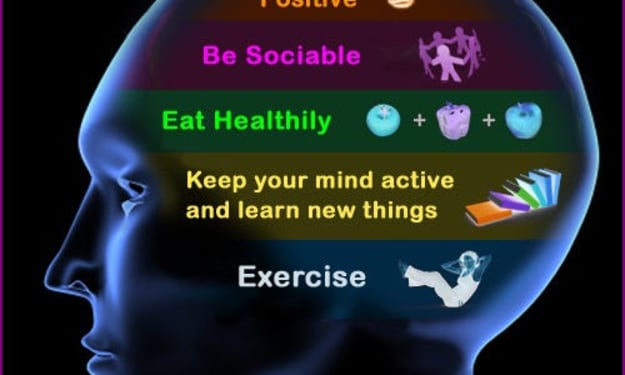
Privileged insights of a better brain and blissful life In our quick-moving world, accomplishing a better brain and a blissful life could appear to be a tricky dream. Nonetheless, with a couple of careful practices and a way of life transformation, developing mental prosperity and happiness is conceivable. Here are a few insider facts to help you on your excursion to a better psyche and a more cheerful life.
By EMMANUEL S JOHN2 years ago in Education
Ending the quite: raising emotional wellness and mindfulness
Ending the Quiet: Raising Emotional wellness Mindfulness https://shrinkme.ink/mindawareness As of late, the subject of emotional wellness has acquired critical consideration, revealing insight into a frequently neglected part of generally prosperity. Psychological wellness mindfulness is essential for cultivating figuring out, decreasing disgrace, and empowering individuals to look for help. By ending the quiet, we can make a more steady and sympathetic culture.
By EMMANUEL S JOHN2 years ago in Education
Mental Health in the Workplace: What Can Be Done
In today’s fast-paced and ever-changing work environment, mental health in the workplace has become a critical topic. As employees juggle personal and professional responsibilities, the pressure to meet deadlines, maintain productivity, and navigate workplace dynamics can take a toll on their mental well-being. Yet, despite the growing awareness of mental health issues, many workplaces still lack sufficient strategies to address these challenges effectively. Mental health problems such as anxiety, depression, and burnout can significantly affect an individual’s performance, relationships with colleagues, and overall job satisfaction. Fortunately, there are numerous ways employers and employees can work together to promote mental well-being in the workplace. In this article, we will explore the importance of mental health in the workplace and discuss practical steps that can be taken to support employees and foster a healthier work environment. ### The Importance of Mental Health in the Workplace Mental health is an integral aspect of overall well-being, influencing how we think, feel, and behave in our daily lives. When mental health issues arise, they can have far-reaching consequences, both for the individual experiencing the difficulties and the workplace as a whole. - **Impact on Employee Productivity**: Mental health problems can cause employees to struggle with focus, decision-making, and completing tasks, ultimately affecting productivity. According to the World Health Organization (WHO), depression and anxiety cost the global economy approximately $1 trillion per year in lost productivity. - **Impact on Employee Engagement**: When mental health is neglected, employees may feel disengaged, less motivated, and disconnected from their work. This lack of engagement can lead to increased absenteeism, lower job satisfaction, and higher turnover rates, which can ultimately affect the company’s bottom line. - **Impact on Work Relationships**: Mental health issues can also strain relationships with colleagues and managers. Employees struggling with mental health may withdraw from social interactions, exhibit irritability, or find it challenging to communicate effectively, which can contribute to workplace tension and reduce team collaboration. - **Impact on Long-Term Health**: Chronic stress and untreated mental health problems can lead to serious physical health issues, such as high blood pressure, cardiovascular diseases, and weakened immune systems. These long-term effects further increase the costs of healthcare and absenteeism for employers. Given these potential consequences, it’s essential to take proactive steps to support mental health in the workplace, not just for the benefit of individual employees but for the overall success of the organization. ### What Can Be Done to Improve Mental Health in the Workplace? #### 1. **Foster a Supportive Workplace Culture**
By Nora Ariana2 years ago in Education
Caroline Kennedy: A Legacy of Triumph, Tragedy, and Speaking Out Against RFK Jr.. AI-Generated.
Caroline Kennedy, the only surviving child of former US President John F. Kennedy and Jacqueline Kennedy Onassis, has lived a life full of both privilege and heartbreak. At 67, she continues to captivate the world with her remarkable career and unwavering commitment to public service. But who is the woman behind the headlines? Let's dive into her extraordinary life, her family's legacy, and the controversy that surrounds her.
By Sithy work2 years ago in Education
How to Stay Fit After 40: A Guide to Maintaining Health and Vitality
Reaching the age of 40 can often feel like a turning point in life. Your career, family life, and personal achievements are likely in full swing, but so are the challenges that come with maintaining your physical health. As we age, our bodies naturally change, and staying fit may not come as easily as it did in our younger years. However, with the right mindset, habits, and approach, staying fit after 40 is not only possible but essential for long-term health and well-being. In this article, we will explore practical ways to stay fit after 40, covering everything from exercise to nutrition and lifestyle changes that can help you maintain vitality and strength as you navigate this exciting stage of life. ### Why Staying Fit After 40 Matters
By Nora Ariana2 years ago in Education
The Benefits of Meditation and How to Get Started
In today's fast-paced world, where demands and stressors are constantly vying for our attention, many people find themselves overwhelmed by the constant rush of life. Whether it's work pressures, personal challenges, or simply trying to keep up with the daily grind, stress has become a common part of life. However, there is an ancient practice that has been gaining more attention in recent years as an effective remedy to combat stress, improve mental health, and enhance overall well-being—meditation. Meditation, an ancient practice rooted in various spiritual traditions, offers a wealth of benefits for those who embrace it. From reducing stress to improving focus and cultivating a sense of inner peace, the power of meditation is becoming increasingly recognized in modern society. In this article, we will explore the numerous benefits of meditation and provide practical tips on how to get started on your own meditation journey. ### The Benefits of Meditation #### 1. **Stress Reduction** One of the most well-known benefits of meditation is its ability to reduce stress. Meditation allows you to take a break from the constant stream of thoughts, worries, and distractions, creating space for relaxation and calm. Studies have shown that regular meditation can lower cortisol levels—the hormone associated with stress—and activate the body's relaxation response, leading to a profound sense of tranquility. By focusing on the present moment and practicing mindfulness, meditation helps to break the cycle of anxiety and stress. Instead of dwelling on past regrets or worrying about the future, meditation encourages you to be fully engaged in the present, which can significantly reduce feelings of stress and overwhelm. #### 2. **Improved Mental Health** Meditation has been shown to have a positive impact on mental health, particularly in managing conditions such as anxiety and depression. Regular meditation practice can help calm the mind, reduce negative thinking patterns, and promote a sense of emotional balance. Research indicates that mindfulness meditation, in particular, can be as effective as therapy in treating symptoms of anxiety and depression. Furthermore, meditation encourages self-compassion and acceptance. This shift in mindset can help individuals develop a healthier relationship with their thoughts and emotions, reducing the likelihood of negative self-talk or rumination, which are often associated with mental health issues. #### 3. **Enhanced Focus and Concentration** In our hyper-connected world, distractions are everywhere. From social media notifications to constant multitasking, it can be challenging to maintain focus on a single task. Meditation, however, can help train the brain to improve focus and concentration. Mindfulness meditation, which involves paying attention to the present moment without judgment, has been found to increase activity in areas of the brain associated with attention and cognitive control. By regularly practicing meditation, individuals can enhance their ability to stay focused, improve memory retention, and be more productive throughout the day. #### 4. **Better Sleep** Sleep disturbances, including insomnia and poor-quality sleep, are common issues faced by many people. Meditation can be a powerful tool for improving sleep quality and promoting relaxation before bedtime. Meditation helps activate the parasympathetic nervous system, the part of the nervous system responsible for rest and relaxation. This can help to lower heart rate, reduce muscle tension, and prepare the body for restful sleep. Practices such as guided meditation or deep breathing exercises are particularly effective for calming the mind and body before sleep. By incorporating meditation into your nightly routine, you may find that you fall asleep faster and experience more restful, uninterrupted sleep. #### 5. **Increased Self-Awareness** Meditation provides an opportunity for self-reflection and introspection, which can lead to increased self-awareness. By taking time each day to sit quietly and observe your thoughts without judgment, you can gain valuable insights into your thought patterns, behaviors, and emotional responses. This heightened self-awareness can help you identify areas of your life that may need improvement, such as habits or thought patterns that are no longer serving you. By gaining a deeper understanding of yourself, you can make more informed decisions, set meaningful goals, and live a life that aligns with your values. #### 6. **Enhanced Emotional Health** In addition to improving mental health, meditation can also enhance emotional well-being. Meditation encourages mindfulness, which involves observing emotions as they arise without becoming attached to them. This practice allows you to experience emotions more fully while avoiding negative reactions or emotional outbursts. Over time, meditation can help you develop greater emotional resilience, enabling you to respond to challenging situations with a sense of calm and equanimity. By cultivating emotional awareness and mindfulness, you can better manage your emotions and navigate life's ups and downs with greater ease. #### 7. **Physical Health Benefits** While meditation is often associated with mental and emotional well-being, it also offers a variety of physical health benefits. Studies have shown that regular meditation can lower blood pressure, reduce symptoms of chronic pain, and boost the immune system. For example, mindfulness meditation has been linked to improved cardiovascular health by reducing blood pressure and improving heart rate variability. Meditation's ability to reduce stress and promote relaxation also plays a key role in improving overall physical health by decreasing inflammation and improving immune function. ### How to Get Started with Meditation If you're new to meditation, getting started may seem daunting at first. However, meditation is a simple practice that requires no special equipment or experience. Here are some practical tips to help you begin your meditation journey: #### 1. **Start Small** When you're first starting out, it's important to start small and gradually build up your practice. Begin with just a few minutes each day and gradually increase the duration as you become more comfortable. Even five to ten minutes of meditation can have a positive impact on your well-being. #### 2. **Find a Quiet Space** Choose a quiet and comfortable space where you won't be easily distracted. This could be a corner of your home, a park, or any other place where you feel at ease. The goal is to create an environment that promotes relaxation and focus. #### 3. **Focus on Your Breath** A simple and effective way to meditate is to focus on your breath. Sit comfortably, close your eyes, and pay attention to your breath as it enters and leaves your body. If your mind starts to wander, gently bring your attention back to your breath without judgment. This practice helps you stay present and cultivates mindfulness. #### 4. **Try Guided Meditation** If you're struggling to meditate on your own, guided meditation can be a helpful tool. Guided meditation involves listening to a teacher or recording that leads you through the meditation process. There are many apps and online resources that offer guided meditation sessions for beginners. #### 5. **Be Patient with Yourself** Meditation is a skill that takes time to develop. It's normal for your mind to wander, especially in the beginning. Be patient with yourself and don't be discouraged if you find it difficult to stay focused. With practice, you'll become more comfortable with the process, and the benefits will become more apparent over time. ### Conclusion Meditation is a powerful and accessible tool that can bring a wide range of benefits to your life. Whether you're seeking to reduce stress, improve mental health, enhance focus, or cultivate greater self-awareness, meditation offers a path to greater well-being. By starting with just a few minutes each day and being patient with the process, you can experience the transformative power of meditation and begin to enjoy a calmer, more centered life. Incorporating meditation into your daily routine can have profound effects on both your mental and physical health. The key is to start small, be consistent, and embrace the journey of self-discovery. Through regular practice, you can unlock the full potential of meditation and experience the deep peace and clarity that comes with it.
By Nora Ariana2 years ago in Education
Real Estate Investment: Is It Worth It
### Real Estate Investment: Is It Worth It? Real estate has long been considered a reliable and profitable investment vehicle. From the allure of rental income to the promise of capital appreciation, many people turn to real estate as a means to secure financial freedom and long-term wealth. However, just like any investment, real estate comes with its own set of risks and rewards. Before diving in, it’s crucial to understand the factors that make real estate a potentially lucrative venture, as well as the challenges that come with it. In this article, we will explore the benefits, risks, and considerations involved in real estate investment to help you determine whether it is worth it for you. ### The Benefits of Real Estate Investment 1. **Steady Cash Flow**
By Nora Ariana2 years ago in Education
Cancer and Gemini: Exploring Their Compatibility and Meaning
In astrology, the zodiac signs Cancer and Gemini are often seen as contrasting, yet their differences can also be the source of a unique and fulfilling relationship. Understanding the meaning behind both signs helps to uncover how they connect, what challenges they may face, and the ways in which they can complement each other. Let’s dive deeper into the meanings of Cancer and Gemini and explore how these two signs interact with one another. ### The Essence of Cancer
By Nora Ariana2 years ago in Education
Unlocking Zodiac Compatibility: Which Signs Are Your Perfect Match
**Astrology and Zodiac Compatibility: Understanding the Signs** Astrology has fascinated people for thousands of years, with each zodiac sign reflecting unique qualities and characteristics that influence individuals’ personalities and relationships. According to astrology, people born under each sign share common traits that define their behavior, emotions, and interactions with others. The 12 signs are divided into four elements: Fire, Earth, Air, and Water. These elements play a significant role in determining compatibility between individuals. Let’s take a closer look at the zodiac signs and their relationships. ### 1. **Aries (March 21 - April 19)** – The Ram Aries, ruled by Mars, is a fire sign known for being energetic, bold, and adventurous. People born under Aries are natural leaders, with a love for competition and a drive to succeed. They are highly independent, spontaneous, and often act on instinct rather than thought. **Compatibility**: Aries pairs best with Leo and Sagittarius, who share their passion and enthusiasm. They may struggle with more laid-back signs like Cancer or Capricorn, who prefer stability over excitement. ### 2. **Taurus (April 20 - May 20)** – The Bull Taurus, ruled by Venus, is an earth sign known for its practicality, reliability, and sensual nature. People born under Taurus are grounded, patient, and value security and comfort. They enjoy the pleasures of life, including good food, luxury, and a stable home environment. **Compatibility**: Taurus is most compatible with Virgo and Capricorn, who share their love for stability and hard work. They may find themselves at odds with more free-spirited signs like Aquarius and Leo, who prioritize change and excitement. ### 3. **Gemini (May 21 - June 20)** – The Twins Gemini, ruled by Mercury, is an air sign known for its dual nature, quick wit, and adaptability. People born under Gemini are intellectual, curious, and love variety. They enjoy engaging in lively conversations and are constantly seeking new experiences. **Compatibility**: Gemini is best paired with Libra and Aquarius, who share their intellectual and social nature. They may struggle with signs like Taurus and Virgo, who value stability and routine over constant change. ### 4. **Cancer (June 21 - July 22)** – The Crab Cancer, ruled by the Moon, is a water sign known for being emotional, intuitive, and nurturing. People born under Cancer are deeply connected to their family and home life. They are empathetic, caring, and often protective of their loved ones. **Compatibility**: Cancer pairs well with Taurus and Virgo, who appreciate their need for emotional security and loyalty. They may have difficulty with signs like Aries and Libra, who are more independent and less focused on family life. ### 5. **Leo (July 23 - August 22)** – The Lion Leo, ruled by the Sun, is a fire sign known for its confidence, creativity, and dramatic flair. People born under Leo are natural-born leaders who enjoy being the center of attention. They are generous, warm-hearted, and love to surround themselves with others who admire them. **Compatibility**: Leo is most compatible with Aries and Sagittarius, who share their energy and passion. They may struggle with more reserved signs like Taurus or Scorpio, who may not give them the attention they desire. ### 6. **Virgo (August 23 - September 22)** – The Virgin Virgo, ruled by Mercury, is an earth sign known for its analytical mind, attention to detail, and practicality. People born under Virgo are often perfectionists who enjoy helping others. They are methodical, reliable, and enjoy creating order out of chaos. **Compatibility**: Virgo is best paired with Taurus and Capricorn, who appreciate their hardworking nature and practical approach to life. They may find it difficult to connect with more impulsive signs like Sagittarius and Aries. ### 7. **Libra (September 23 - October 22)** – The Scales Libra, ruled by Venus, is an air sign known for its love of balance, harmony, and beauty. People born under Libra are diplomatic, charming, and value fairness and justice. They seek peace and avoid conflict, often going out of their way to maintain relationships. **Compatibility**: Libra pairs well with Gemini and Aquarius, who share their social nature and love for intellectual conversation. They may struggle with more intense signs like Capricorn and Aries, who are more direct and may not always prioritize harmony. ### 8. **Scorpio (October 23 - November 21)** – The Scorpion Scorpio, ruled by Pluto, is a water sign known for its intensity, passion, and mystery. People born under Scorpio are often private, driven, and determined. They value loyalty and trust and are not afraid of confronting difficult emotions. **Compatibility**: Scorpio is best paired with Cancer and Pisces, who share their emotional depth and need for loyalty. They may find themselves at odds with more light-hearted signs like Libra and Sagittarius, who may not always understand their intensity. ### 9. **Sagittarius (November 22 - December 21)** – The Archer Sagittarius, ruled by Jupiter, is a fire sign known for its adventurous, optimistic, and freedom-loving nature. People born under Sagittarius are explorers at heart, always seeking new experiences and knowledge. They love independence and are always on the move. **Compatibility**: Sagittarius pairs best with Aries and Leo, who share their love of adventure and excitement. They may struggle with more grounded signs like Taurus and Virgo, who value stability and routine. ### 10. **Capricorn (December 22 - January 19)** – The Goat Capricorn, ruled by Saturn, is an earth sign known for its ambition, discipline, and practicality. People born under Capricorn are hardworking, responsible, and focused on long-term goals. They value tradition, structure, and a solid plan for the future. **Compatibility**: Capricorn is best paired with Taurus and Virgo, who share their practical approach to life. They may find it difficult to connect with more spontaneous signs like Aries and Sagittarius, who prioritize freedom and flexibility. ### 11. **Aquarius (January 20 - February 18)** – The Water Bearer Aquarius, ruled by Uranus, is an air sign known for its originality, innovation, and humanitarian values. People born under Aquarius are often ahead of their time, interested in progressive ideas and social causes. They value individuality and intellectual connection. **Compatibility**: Aquarius pairs well with Gemini and Libra, who share their intellectual nature and love of new ideas. They may have difficulty with more traditional signs like Taurus and Scorpio, who may not always understand their unconventional approach to life. ### 12. **Pisces (February 19 - March 20)** – The Fish Pisces, ruled by Neptune, is a water sign known for its compassion, creativity, and empathy. People born under Pisces are dreamy, intuitive, and highly attuned to the emotions of others. They are often artists or caregivers, with a deep connection to their inner world. **Compatibility**: Pisces pairs best with Cancer and Scorpio, who share their emotional depth and intuitive nature. They may struggle with more practical signs like Virgo and Gemini, who may not always understand their sensitive and idealistic nature. --- **Conclusion: Understanding Zodiac Compatibility**
By Nora Ariana2 years ago in Education
The Future of Remote Work: Embracing Change in a Virtual World. Content Warning. AI-Generated.
The Future of Remote Work: How Virtual Teams Are Transforming the Workforce The manner in which we work is changing at a fast rate. What was thought to be a temporary shift is now a permanent change—remote work is here to stay. From the ease of working from the comfort of your own home to the flexibility of designing a schedule that suits you, the future of work is different, and it's more thrilling than ever before. But with this new mode of working comes a blend of hope, challenges, and profound emotions as we adjust to this shift. Let's examine how virtual teams are transforming the workforce and how this change affects us, both personally and professionally.
By Harman Mehra2 years ago in Education
Building Wealth in Your 50s: It's Never Too Late
**Building Wealth in Your 50s: It's Never Too Late** Reaching your 50s can be a pivotal moment in your financial life. It's a time when many people start to think seriously about retirement, financial independence, and how they’ll sustain themselves through their later years. However, the good news is that it's never too late to build wealth, even if you're well into your 50s. With the right approach, strategy, and mindset, you can still make significant strides toward securing your financial future. Here’s a comprehensive guide on how to build wealth in your 50s and beyond: ### 1. **Reevaluate Your Current Financial Situation** The first step to building wealth in your 50s is to take a clear look at your financial status. Assess your assets, liabilities, income, and expenses. This will give you a comprehensive understanding of where you currently stand and where adjustments might be necessary. #### Key Areas to Assess: - **Net Worth**: Calculate the difference between what you own (assets) and what you owe (liabilities). This can help you identify whether you're on track or need to make some changes. - **Income and Expenses**: Review your income sources and monthly expenses. Are you living within your means? Is there room to cut unnecessary costs and boost savings? - **Retirement Savings**: How much do you have saved for retirement? If you’ve fallen behind, now is the time to accelerate your savings. - **Debt**: Do you have high-interest debt (credit cards, personal loans, etc.)? Paying off high-interest debt should be a top priority before focusing on other wealth-building strategies. ### 2. **Maximize Your Retirement Contributions** If you're in your 50s, retirement is likely on the horizon, but there’s still time to build wealth through retirement accounts like a 401(k), IRA, or other retirement savings plans. In fact, the IRS allows people over the age of 50 to make "catch-up" contributions, giving you the opportunity to save more. #### Here are some key catch-up contribution limits for 2025: - **401(k) and 403(b)**: The contribution limit is $22,500, with an additional $7,500 catch-up contribution allowed, bringing the total to $30,000. - **Traditional and Roth IRAs**: The contribution limit is $6,500, with an additional $1,000 catch-up contribution allowed, bringing the total to $7,500. If you’re not maxing out your contributions, try to increase the amount you’re contributing each year. Every dollar you save today compounds, bringing you closer to a comfortable retirement. ### 3. **Invest Smartly and Diversify Your Portfolio** Building wealth in your 50s requires smart investing. While your risk tolerance may have changed over the years, it’s still important to have a diversified portfolio. This means investing in a range of asset classes such as stocks, bonds, real estate, and other income-producing investments. - **Stocks**: Stocks remain a solid long-term investment, even in your 50s. While you might choose a more conservative stock allocation than you would have in your 30s or 40s, stocks still have the potential for high returns over the long run. - **Bonds**: Bonds offer more stability than stocks and can provide consistent income, making them a good choice for those approaching retirement. Consider municipal bonds, treasury bonds, or corporate bonds. - **Real Estate**: Investing in real estate can provide both capital appreciation and a steady cash flow from rental properties. You can invest in physical properties or explore real estate investment trusts (REITs). - **Alternative Investments**: Consider other investment options such as peer-to-peer lending, commodities, or dividend-paying stocks. These investments can provide diversification and additional income streams. ### 4. **Downsize or Relocate if Necessary** As people age, they often find that their large homes no longer align with their lifestyle or needs. Downsizing to a smaller home can free up equity, which can be invested for long-term growth or used to pay down debt. If you own your home, selling it and moving into a more affordable one might provide you with a lump sum that can be invested or used for other financial goals. Some people also consider relocating to an area with a lower cost of living, especially if their current home is in a high-cost region. This can not only reduce housing expenses but also lead to tax savings, making more of your retirement savings work for you. ### 5. **Focus on Paying Down Debt** High-interest debt, such as credit card debt, can be a wealth killer in your 50s. The longer you carry high-interest debt, the more it eats into your savings potential. It's crucial to prioritize paying off debt, particularly unsecured debt, so that you can redirect those funds toward wealth-building investments. - **Consolidate or Refinance**: If you have multiple debts, consider consolidating or refinancing to lower your interest rates. - **Snowball or Avalanche Method**: Two popular debt repayment strategies are the debt snowball (starting with the smallest debt and moving to larger ones) and the debt avalanche (focusing on the highest-interest debts first). Choose the strategy that works best for your situation. Once you’ve paid off high-interest debt, you'll have more room in your budget to invest and save, accelerating your wealth-building journey. ### 6. **Consider Passive Income Streams** To supplement your wealth-building efforts, consider creating passive income streams. Passive income is money that comes in regularly with little to no effort on your part. Building a reliable passive income portfolio can help you maintain a comfortable lifestyle in retirement. #### Some ideas for generating passive income: - **Rental Properties**: As mentioned earlier, owning rental properties can provide a steady stream of income. - **Dividend Stocks**: Invest in dividend-paying stocks to receive regular payouts. - **Online Businesses**: Consider starting an online business, such as creating a blog, e-book, or online course that generates income passively over time. - **Peer-to-Peer Lending**: Platforms like LendingClub allow you to lend money to individuals or small businesses, earning interest on your investments. ### 7. **Plan for Health Care Costs** As you approach retirement, healthcare costs can become a significant burden. By 65, many people are eligible for Medicare, but this doesn’t cover all expenses. It's essential to plan for healthcare costs by contributing to Health Savings Accounts (HSAs) or long-term care insurance. Many financial experts recommend saving at least $200,000 to $300,000 to cover healthcare expenses during retirement. Having a separate account dedicated to healthcare can help protect your other retirement assets from unexpected medical costs. ### 8. **Create a Solid Estate Plan** An estate plan ensures that your assets are distributed according to your wishes after you pass away. It’s important to have a will, trust, and other key documents in place. Additionally, an estate plan helps reduce tax liabilities for your heirs and minimizes family disputes. Make sure you regularly review your estate plan, especially as your financial situation changes. Having a strategy in place can help you pass on your wealth efficiently. ### Conclusion Building wealth in your 50s is definitely possible, and it’s never too late to start. By assessing your current financial situation, maximizing retirement contributions, investing smartly, paying down debt, creating passive income streams, and planning for healthcare costs, you can set yourself up for financial success in your later years. Remember, the key to building wealth is consistency. Every effort you make today will pay off in the future, even if it doesn’t seem significant at first. Take the time to evaluate your options, adjust your mindset, and take action, and you can secure the financial future you deserve.
By Nora Ariana2 years ago in Education
• How to Avoid Common Financial Mistakes in Your 20s
**How to Avoid Common Financial Mistakes in Your 20s** Your 20s are an exciting time in life. It’s a period full of new opportunities, independence, and growth, but it can also be a time where financial decisions can make or break your future. Often, young adults are faced with the challenge of navigating their newfound financial responsibilities while balancing personal aspirations and lifestyle desires. Avoiding common financial mistakes in your 20s can help set you up for long-term success and financial security. Here are some crucial steps to guide you in building a strong financial foundation for the future. ### 1. **Living Beyond Your Means** One of the most common financial mistakes young adults make is living beyond their means. With the excitement of having a paycheck and newfound financial freedom, it’s easy to splurge on things like trendy clothes, dining out, and gadgets. However, this can lead to accumulating debt and spending more than you earn. To avoid this mistake, create a budget that helps you track your income and expenses. Prioritize your essential needs, such as rent, utilities, food, and transportation, before spending on non-essentials. Also, ensure you set aside a portion of your income for savings. By living within your means, you’ll reduce the risk of accumulating credit card debt or falling into financial trouble. ### 2. **Neglecting to Build an Emergency Fund** An emergency fund is your safety net in case of unexpected events like job loss, medical emergencies, or car repairs. Many young adults underestimate the importance of having an emergency fund and fail to save for these unforeseen situations. Without an emergency fund, you may end up relying on credit cards or loans when an emergency strikes, leading to further debt. Aim to save at least three to six months’ worth of living expenses in a separate savings account. Start small, but make saving a consistent habit. Even if you can only save a small amount each month, you’ll build a financial cushion that will give you peace of mind in times of need. ### 3. **Not Starting to Save for Retirement Early Enough** It’s easy to push retirement planning to the back of your mind when you’re in your 20s. You may feel like retirement is a lifetime away, but starting to save early is one of the most powerful ways to secure your financial future. The earlier you start saving for retirement, the more time your money has to grow through compound interest. Take advantage of employer-sponsored retirement plans, such as a 401(k), especially if your employer offers a match. Contribute as much as you can, even if it’s a small amount at first. Over time, as your salary grows, you can gradually increase your contributions. If your employer doesn’t offer a retirement plan, consider opening an individual retirement account (IRA). The earlier you begin, the better positioned you’ll be when you reach retirement age. ### 4. **Failing to Build Credit Responsibly** A good credit score is vital for securing loans, getting lower interest rates, and even renting an apartment. Unfortunately, many people in their 20s don’t understand how to build and manage credit. They either avoid credit cards altogether or misuse them by carrying high balances or missing payments. To avoid this mistake, start building credit early by applying for a credit card and using it responsibly. Always pay off your balance in full each month to avoid paying interest. If you’re concerned about getting approved for a credit card, consider applying for a secured credit card or becoming an authorized user on a family member’s account. Over time, responsible credit usage will help you build a strong credit score, which will benefit you in the future. ### 5. **Ignoring Insurance Needs** In your 20s, it might seem like you’re invincible and don’t need insurance, but this is a common misconception. Whether it’s health, auto, renters, or life insurance, having the right coverage can protect you from financial hardship in case of unexpected events. Start by making sure you have health insurance, especially if you’re no longer covered under your parents’ plan. Look into options such as employer-provided health insurance or government-subsidized plans. Auto insurance is also a must if you own a car. Don’t skip on renters insurance, which is typically inexpensive and can save you a lot of money in the event of theft, damage, or loss of your belongings. While life insurance might not seem urgent in your 20s, if you have dependents or significant debts (such as student loans or a mortgage), it’s worth considering. Having the right insurance coverage ensures that you’re financially protected in times of crisis. ### 6. **Taking on Too Much Student Loan Debt** Student loans are a reality for many young adults, but taking on too much debt for an education that doesn’t provide a high return on investment can be a significant financial burden. The key to avoiding this mistake is to evaluate the cost of your education in relation to the potential salary in your chosen field. Before taking out student loans, consider attending an affordable public university or exploring scholarship and grant opportunities. If you already have student loans, prioritize paying them off quickly, especially those with high-interest rates. Refinancing or consolidating your loans can also help reduce monthly payments and lower the overall interest you’ll pay. ### 7. **Failing to Understand the Value of Networking and Mentorship** Financial success isn’t just about managing money well; it’s also about having access to opportunities, knowledge, and resources. Many young adults focus solely on their education or jobs, but neglect the power of networking and mentorship. Without the right connections or guidance, it can be much harder to advance in your career or make informed financial decisions. Invest time in building relationships with people who can offer valuable advice, support, and opportunities. Seek out mentors who can help you navigate your career, finances, and personal goals. Attend industry events, workshops, or online forums where you can meet like-minded individuals who can share their experiences and insights. ### 8. **Ignoring the Importance of Financial Education** In your 20s, it’s important to take the time to educate yourself about personal finance. Financial literacy is a key component of long-term wealth-building, yet many people don’t take the initiative to learn about budgeting, investing, taxes, and debt management. Ignoring financial education can result in making poor decisions that hinder your financial growth. Take the time to read books, listen to podcasts, or take courses on personal finance. There are plenty of free and low-cost resources available online that can teach you the basics of budgeting, investing, and saving. The more knowledge you have, the better equipped you’ll be to make informed decisions about your money. ### 9. **Not Setting Financial Goals** Without clear financial goals, it’s easy to lose focus and end up drifting through life without a clear financial strategy. Whether your goals include saving for a down payment on a house, paying off student loans, or building an investment portfolio, it’s important to set specific, measurable, and time-bound goals. Write down your financial goals and break them into smaller, achievable steps. For example, if you want to save for a house, set a target amount to save each month. Review your progress regularly and adjust your goals as needed. Having a financial plan in place will help you stay on track and stay motivated to reach your objectives. ### 10. **Waiting for the "Perfect" Time to Invest** Many people in their 20s put off investing because they feel like they need to wait for the "perfect" time or until they have more money. In reality, there is no perfect time to start investing. The sooner you begin, the more time your investments have to grow, and the more you can take advantage of compound interest. Start by investing small amounts in low-cost index funds, mutual funds, or retirement accounts like a 401(k) or IRA. As you gain more experience and confidence in investing, you can diversify your portfolio and take on more risk. The key is to start now, rather than waiting until you feel completely ready. ### Conclusion Avoiding financial mistakes in your 20s requires discipline, education, and a long-term perspective. By managing your money responsibly, saving for emergencies and retirement, building good credit, and understanding the importance of insurance and financial education, you’ll set yourself up for a future of financial stability and success. Start early, make smart decisions, and stay focused on your goals, and you’ll reap the rewards for years to come.
By Nora Ariana2 years ago in Education