stem
The four major disciplines propelling our students and our society forward; all about education in science, technology, engineering, and mathematics.
AI Vocal Remover: Revolutionizing Music and Audio Production
AI Vocal Remover: Revolutionizing Music and Audio Production In recent years, artificial intelligence (AI) has made remarkable strides in transforming various creative industries, and music production is no exception. One of the most fascinating and increasingly popular AI applications in this realm is the AI Vocal Remover—a tool designed to isolate or remove vocals from audio tracks. This technology is reshaping how musicians, DJs, content creators, and even casual listeners engage with music. Its ability to separate vocals from instrumentals with surprising accuracy opens up countless possibilities for remixing, karaoke, sampling, and educational purposes.
By Ali Asad Ullahabout a year ago in Education
Hormonal and Genetic Influences in Breast Cancer Progression
Understanding the Interplay of Biological Factors Driving Tumor Development Breast cancer remains one of the most common malignancies affecting women globally, with a growing body of research highlighting the critical role of both hormonal and genetic factors in its development and progression. While advancements in early detection and treatment have improved outcomes, understanding the biological mechanisms underlying breast cancer is key to tailoring personalized approaches and improving long-term survival. This article delves into the complex interplay between hormones, especially estrogen, and genetic mutations that contribute to the pathophysiology of breast cancer.
By Muhammad Idreesabout a year ago in Education
Why You Always Feel Tired:. AI-Generated.
Feeling tired all the time isn’t just frustrating — it can impact your productivity, mental health, and overall quality of life. If you’re constantly asking yourself, “Why am I so tired even when I sleep well?” — you're not alone. While poor sleep is the obvious culprit, there are many silent causes of fatigue that people overlook. These energy thieves can slowly wear you down, even if your lifestyle seems healthy on the surface. Let’s uncover the 7 most common hidden causes of fatigue — and what you can do to reclaim your energy, clarity, and motivation. 1. 🩸 Iron Deficiency (Even Without Anemia) Iron helps your body carry oxygen through the blood. If your levels are even slightly low, your cells aren’t getting enough oxygen — and that leads to fatigue, brain fog, and shortness of breath. Signs of low iron: Constant tiredness Pale skin Rapid heartbeat Hair loss Feeling cold often Who’s at risk? Women (especially with heavy periods) Vegetarians/vegans Athletes People with poor digestion Fix it: Add iron-rich foods like red meat, lentils, spinach, and pumpkin seeds. Pair them with vitamin C to boost absorption. You may also need a supplement — check with your doctor. 2. 💊 Vitamin B12 Deficiency Vitamin B12 fuels your brain and nervous system. Without it, you can feel like your body and brain are running on empty. Symptoms: Brain fog or memory issues Tingling in hands or feet Depression or mood swings Extreme fatigue At-risk groups: Vegans and vegetarians People over 50 Those with gut issues (like IBS or celiac) Fix it: Eat eggs, dairy, meat, or take a B12 supplement or injection if needed. Fortified cereals and plant milks are helpful for plant-based eaters. 3. 🌙 Sleep Inertia and Poor Sleep Quality You may spend 8 hours in bed, but if your sleep quality is poor, you’ll still wake up exhausted. Causes of poor sleep: Blue light before bed (phones/laptops) Anxiety or racing thoughts Sleep apnea or snoring Irregular sleep schedule Fix it: Create a wind-down routine (no screens 1 hour before bed) Keep your room cool, dark, and quiet Stick to the same sleep and wake times every day Try magnesium or chamomile tea for relaxation 4. 🍩 Blood Sugar Roller Coasters Eating too many refined carbs and sugary snacks causes your blood sugar to spike and crash — leading to sudden energy drops, especially mid-afternoon. Signs of sugar crashes: Afternoon fatigue Irritability or shakiness Brain fog or headaches after meals Fix it: Eat balanced meals with protein, fiber, and healthy fats Avoid skipping meals Limit sugary drinks, candy, and white bread Choose low-GI foods like oats, beans, quinoa, and sweet potatoes 5. ☕ Caffeine Dependence and Dehydration Caffeine feels like a lifesaver — until it backfires. Too much caffeine (especially late in the day) can disrupt sleep and cause adrenal fatigue, making you feel worse over time. Also, even mild dehydration can make you feel tired, dizzy, or mentally sluggish. Fix it: Limit caffeine after 2 PM Swap one cup of coffee for herbal tea or water Drink 2–3 liters of water daily Add a pinch of sea salt or electrolytes if you sweat a lot 6. 😥 Unmanaged Stress and Mental Load Chronic stress quietly drains your energy — mentally and physically. When you’re constantly in “fight or flight” mode, your body burns through nutrients like magnesium, B vitamins, and zinc faster than normal. Symptoms: Tension headaches Trouble sleeping Anxiety or racing thoughts Feeling "wired but tired" Fix it: Practice deep breathing or meditation Take breaks throughout the day Offload your thoughts with journaling Talk to someone — a friend, therapist, or coach 7. 🦠 Underlying Health Conditions If you’ve ruled out sleep, diet, and stress but still feel exhausted, consider a check-up. Fatigue can be an early sign of deeper health issues such as: Thyroid problems (hypothyroidism) Diabetes or prediabetes Chronic infections Autoimmune diseases Depression or burnout Ask your doctor for a full panel including thyroid (TSH), iron, B12, vitamin D, and blood sugar levels. ⚡ How to Reclaim Your Energy Naturally Start with a small, sustainable energy upgrade plan: Eat iron- and B12-rich foods regularly Sleep at least 7–8 hours a night with good hygiene Limit sugar and processed snacks Drink plenty of water, not just caffeine Move your body — even a 15-minute walk boosts circulation and mood Protect your mental bandwidth — don’t carry the world on your shoulders ✅ Final Thoughts: Your Tiredness Has a Root Cause You’re not lazy. You’re not broken. But your body might be quietly running on empty — and it’s trying to tell you something. Instead of reaching for another coffee or energy drink, take a closer look at what’s happening under the surface. The solution to fatigue isn’t always more rest — sometimes, it’s better nourishment, smarter habits, and deeper awareness. Start listening. Your energy is waiting to return.
By Amin Turabiabout a year ago in Education
Essential Nutrients You Might Be Missing. AI-Generated.
In the age of fast food, energy drinks, and grab-and-go snacks, it's easy to fill your stomach but still leave your body starving for nutrients. While most people know the importance of calories, protein, and carbs, there’s a group of quiet heroes working behind the scenes to keep your body running smoothly — essential micronutrients. These include vitamins and minerals that don’t just support good health; they are vital for survival. And yet, many of these essential nutrients are routinely missing from modern diets — even in healthy-looking meals. Let’s dive into the top nutrients your body might be missing — and what you can do to get them back on your plate. 🧠 1. Vitamin B12 – The Brain Booster You Didn’t Know You Needed Vitamin B12 is critical for brain function, red blood cell formation, and DNA production. Deficiency can lead to memory problems, fatigue, numbness, and even depression. Who’s at risk? Vegetarians and vegans Older adults (absorption declines with age) People with digestive issues (IBS, celiac) Sources: Animal products: meat, eggs, dairy Fortified cereals or plant milks B12 supplements or injections (if needed) 💪 2. Iron – The Oxygen Carrier Iron helps produce hemoglobin, the molecule that carries oxygen in your blood. Without enough iron, you feel constantly tired, weak, and foggy-headed. Who’s at risk? Women (due to menstruation) Pregnant women Vegetarians and vegans People who exercise heavily Sources: Red meat, spinach, beans, lentils, pumpkin seeds Pair with vitamin C-rich foods (like oranges) to boost absorption Iron supplements (only if prescribed) 😴 3. Magnesium – The Sleep and Stress Regulator Magnesium supports muscle function, nerve health, sleep, and stress balance. It also helps regulate blood pressure and blood sugar. Signs you might be low: Trouble sleeping Muscle cramps or twitching Feeling anxious or tense Headaches or fatigue Sources: Leafy greens (spinach, kale) Nuts and seeds (almonds, pumpkin seeds) Whole grains, avocado, dark chocolate Magnesium glycinate or citrate supplements 🛡️ 4. Zinc – Your Immunity Defender Zinc is vital for a strong immune response, wound healing, and cellular growth. It's especially important during cold and flu season — or any time your body is under stress. Signs of deficiency: Frequent colds Slow wound healing Loss of taste or smell Hair loss or poor skin condition Sources: Meat, shellfish, dairy Chickpeas, seeds, oats, cashews Zinc lozenges or supplements 💙 5. Vitamin D – The Sunshine Vitamin Vitamin D plays a crucial role in bone strength, immune health, and mood regulation. But because it’s made by sunlight on the skin, many people are deficient — especially those who stay indoors or wear sunscreen often. Signs of low vitamin D: Fatigue or low mood Bone or muscle aches Frequent illness Sources: Sunlight (15–30 minutes/day) Fatty fish, egg yolks, fortified milk Vitamin D3 supplements (especially in winter) 💡 6. Iodine – The Metabolism Controller Iodine is essential for producing thyroid hormones, which regulate metabolism, energy, and brain development (especially in babies). Signs of deficiency: Unexplained weight gain Feeling cold Fatigue or brain fog Swelling in the neck (goiter) Sources: Iodized salt Seaweed Dairy and fish 🦴 7. Calcium – The Bone Builder Calcium isn’t just for strong bones — it also supports nerve function, muscle contraction, and heart rhythm. At-risk groups: Women (especially postmenopausal) Teens in growth spurts People with lactose intolerance Sources: Dairy products, leafy greens, almonds Fortified plant milks or tofu Supplements if you don’t get enough through food 🧬 8. Folate (Vitamin B9) – The Cell Creator Folate helps with cell division, brain function, and is crucial during pregnancy to prevent birth defects. Who needs more? Women of childbearing age People with digestive disorders Anyone on long-term medications (antacids, etc.) Sources: Dark greens, beans, citrus fruits Fortified grains and cereals Folic acid supplements (especially during pregnancy) ⚠️ Why Nutrient Gaps Happen — Even in “Healthy” Diets Many people assume that if they eat "clean" or take a multivitamin, they’re covered. But common issues like: Overcooking vegetables Eating processed or refined grains Diet restrictions (vegan, keto, low-carb) Skipping meals can lead to significant nutrient gaps. Even healthy eaters can miss key micronutrients without realizing it. ✅ How to Cover Your Nutrient Bases Eat a rainbow of whole foods – Different colors = different nutrients Include healthy fats – Some vitamins (A, D, E, K) need fat to be absorbed Rotate your meals – Don’t eat the same few foods every day Consider lab testing – Ask your doctor to check your vitamin D, iron, B12, and more Supplement wisely – Use targeted supplements if needed (not blindly) 🧠 Final Thoughts: Don’t Let Deficiency Steal Your Potential Being “low energy,” foggy, anxious, or frequently sick isn’t always just about sleep or stress — often, it’s your body’s way of whispering that something is missing. The truth is: even if you’re eating enough calories, you might still be nutrient deficient. But the good news? You can change that starting today. By giving your body the full set of essential nutrients it needs — like iron, magnesium, zinc, B12, and vitamin D — you’re not just preventing disease. You’re unlocking the energy, clarity, and vitality you were meant to live with. So take a moment to rethink your plate — and give your body what it truly needs.
By Amin Turabiabout a year ago in Education
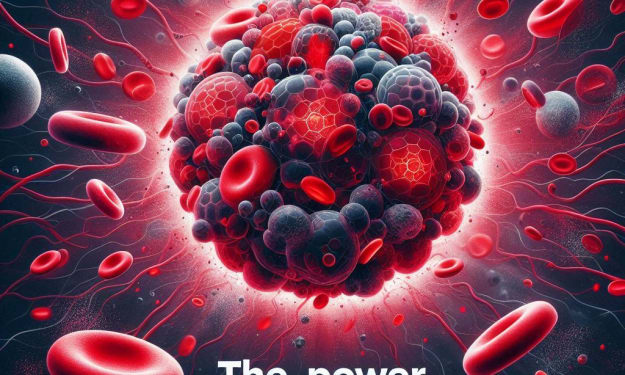
The Power of Iron:. AI-Generated.
Iron — a simple mineral with massive power. It might not be the flashiest nutrient, but it’s absolutely essential to the functioning of your entire body. From oxygen transport to brain development, energy production, and immune support, iron plays a role in almost everything that keeps you alive and strong. And yet, iron deficiency is one of the most common nutritional problems in the world — especially among women, children, and vegetarians. When your body doesn’t have enough iron, it can’t make the healthy red blood cells needed to carry oxygen. The result? Fatigue, weakness, foggy thinking, and much more. In this article, we’ll uncover why iron is so important, what happens when you don’t get enough, and how to include more of it in your diet naturally. 🩸 1. Oxygen Transport and Energy Production At the heart of iron’s power is its role in hemoglobin, the protein in red blood cells that carries oxygen from your lungs to every cell in your body. Without enough iron, your body can’t make enough hemoglobin — and without hemoglobin, your cells don’t get the oxygen they need to function. That’s why people who are iron-deficient often feel: Tired or fatigued Weak or lightheaded Out of breath after minimal activity This condition is called iron-deficiency anemia, and it’s especially common in women during menstruation, pregnancy, and postpartum. 🧠 2. Brain Function and Mental Clarity Your brain is an oxygen-hungry organ, and iron plays a key role in getting oxygen to your neurons. It also helps produce neurotransmitters like dopamine and serotonin, which affect your mood, focus, and memory. Iron Deficiency Can Cause: Brain fog or trouble concentrating Poor memory Mood swings and irritability Developmental delays in children In infants and young children, low iron levels can even impact IQ and long-term cognitive development. That’s why pediatricians often monitor iron status closely during early childhood. 🛡️ 3. Immune System Support Iron also plays a lesser-known but critical role in maintaining a strong immune system. It helps your body make white blood cells and supports the function of enzymes that fight infections. When you're low in iron, your immune system may become weaker — making you more susceptible to colds, infections, and slower wound healing. Fun fact: When you have an infection, your body naturally reduces iron availability in the blood — a defense mechanism to keep bacteria from using it to grow. That’s how closely tied iron is to immune balance. 🧬 4. Growth and Development Iron is crucial during growth spurts, pregnancy, and puberty — any time your body is rapidly producing new cells. It supports: Muscle development DNA synthesis Hormone production Fetal growth and brain development Pregnant women need nearly double the amount of iron as non-pregnant women because they’re making more blood for both themselves and their babies. That’s why prenatal vitamins always contain extra iron. 🍽️ 5. Natural Food Sources of Iron Iron comes in two forms in food: heme and non-heme iron. 🥩 Heme Iron (Better absorbed) Found in animal products Absorbed efficiently by the body (15–35%) Top heme sources: Red meat (beef, lamb) Liver and organ meats Chicken and turkey Fish and shellfish (tuna, sardines) 🌱 Non-Heme Iron (Plant-based) Found in plants and fortified foods Absorbed less efficiently (2–20%) but still valuable Top non-heme sources: Lentils, chickpeas, beans Spinach and kale Tofu and tempeh Pumpkin seeds, sesame seeds, cashews Fortified cereals, breads, and pasta Quinoa and oats Dark chocolate 💡 Pro Tip: Boost Absorption with Vitamin C Pair iron-rich meals with Vitamin C (like orange juice, strawberries, bell peppers) to dramatically improve absorption — especially for plant-based iron. Also avoid drinking tea or coffee with meals, as they contain tannins that reduce iron absorption. 💊 6. Iron Supplements: When Food Isn’t Enough In some cases, supplements are necessary — especially for: Women with heavy menstrual cycles Pregnant women People with anemia Vegetarians/vegans Athletes (especially female endurance athletes) Iron supplements are available in various forms: ferrous sulfate, ferrous gluconate, or iron bisglycinate (which is gentler on the stomach). Always take iron supplements under medical supervision, as too much can be harmful and cause side effects like nausea or constipation. ⚠️ 7. Signs of Iron Deficiency Mild deficiency can go unnoticed, but here are common symptoms to watch for: Constant fatigue or weakness Shortness of breath Dizziness or light-headedness Cold hands and feet Pale or yellowish skin Brittle nails or hair loss Headaches Rapid heartbeat Restless legs (especially at night) If you notice these symptoms, it’s worth getting a blood test to check your iron and hemoglobin levels. ✅ Conclusion: Fuel Your Strength with Iron Iron may be just one mineral, but it’s the fuel that keeps your entire system running. It gives you energy, powers your brain, supports your immune system, and keeps your blood rich with oxygen. And yet, iron deficiency is often hidden — mistaken for stress, overwork, or poor sleep. The good news? With a few diet changes and awareness, it’s easy to correct and prevent. Whether you're an athlete, a student, a parent, or someone simply looking to feel stronger and more energized — don’t underestimate the power of iron. Because when your body has enough iron, you don’t just survive — you thrive.
By Amin Turabiabout a year ago in Education
Zinc for Immunity: . AI-Generated.
Zinc might be a trace mineral, but don’t let the word “trace” fool you — it plays a massive role in your overall health, especially when it comes to your immune system. Essential for wound healing, fighting infections, cell growth, and even taste perception, zinc is one of the most powerful yet underrated nutrients in the human diet. Unlike some nutrients, your body can’t store zinc, which means you need a regular supply from food or supplements. In this article, we’ll dive into how zinc fuels your immunity, speeds up recovery, supports growth and development, and where you can naturally get enough of it. 🛡️ 1. Zinc and the Immune System: Your First Line of Defense Zinc is a critical regulator of immune function. It’s involved in the production, activation, and regulation of various immune cells, including T-cells, neutrophils, and natural killer (NK) cells — all of which fight infections and destroy harmful pathogens. Here’s how zinc helps: Stimulates white blood cell activity Supports inflammation control Helps create antibodies Regulates immune responses to prevent overreactions (like in autoimmunity) People who are deficient in zinc are more likely to get sick, and studies have shown that zinc supplementation can reduce the duration and severity of common colds and other respiratory infections. 🤒 2. Speeds Up Wound Healing and Recovery If you get a cut or scrape, zinc rushes to the scene — it plays an essential role in skin repair, cell regeneration, and collagen synthesis. Zinc helps: Close wounds faster Reduce the risk of infection Support skin barrier strength Treat acne, rashes, and other skin conditions Hospitals even use zinc-based creams to treat ulcers, burns, and slow-healing wounds — especially in patients who are malnourished or have chronic illnesses. 🧬 3. Supports Growth and Development Zinc is absolutely vital for growth in infants, children, and teens. It contributes to the development of DNA, proteins, and enzymes that control growth, brain function, and hormonal balance. In children, zinc deficiency can lead to: Stunted growth Delayed sexual development Poor appetite Weakened immunity That’s why zinc is often added to multivitamins and baby formulas, especially in developing countries where deficiencies are more common. 🧠 4. Cognitive Function and Mental Clarity Zinc doesn’t just boost the body — it also supports the brain. It plays a role in neurotransmitter function, memory, and emotional regulation. Low zinc levels are associated with: Brain fog Irritability and anxiety Depression and mood disorders Researchers believe zinc interacts with serotonin and GABA, two neurotransmitters that regulate mood and anxiety. Supplementation has shown promise in improving mental health alongside other treatments. 💪 5. Zinc and Muscle Strength Zinc supports the repair of muscle tissue, hormone balance (especially testosterone in men), and post-exercise recovery. Athletes with low zinc may experience longer recovery times, more soreness, and even weakened immunity after intense training. Additionally, zinc works with magnesium and B6 in many sports recovery supplements, helping rebuild tissue and reduce fatigue. 🍽️ 6. Natural Food Sources of Zinc Fortunately, zinc is found in many delicious and accessible foods — though animal sources tend to be the most bioavailable (better absorbed). Top Zinc-Rich Foods: Oysters (highest source!) Beef and lamb Chicken and turkey Pumpkin seeds Cashews and almonds Lentils and chickpeas Milk, yogurt, and cheese Egg yolks Whole grains – oats, brown rice, quinoa For Vegetarians: While plant-based sources contain zinc, compounds like phytates (found in legumes and grains) can block absorption. So vegetarians and vegans may need 25–50% more zinc than meat-eaters or take supplements. 💊 7. Supplements: When Diet Isn’t Enough In some cases, people need to take zinc supplements, especially if they have a poor diet, chronic illness, or digestive issues that reduce absorption (e.g., Crohn’s disease, IBS, celiac). Types of Zinc Supplements: Zinc gluconate – often used in cold remedies Zinc citrate – highly absorbable and gentle on the stomach Zinc picolinate – excellent absorption, good for long-term use Zinc sulfate – common but may cause nausea Recommended Daily Intake (RDI): Men: 11 mg/day Women: 8 mg/day Pregnant women: 11–12 mg/day Upper safe limit: 40 mg/day (long-term high doses can be harmful) Tip: Zinc competes with copper in the body, so long-term high-dose supplementation should be balanced with copper intake. ⚠️ 8. Signs of Zinc Deficiency Deficiency can be subtle but harmful. Here are signs to watch for: Frequent colds or infections Slow wound healing Hair loss or brittle nails Diarrhea or appetite loss Acne or skin inflammation Brain fog or poor memory Loss of smell or taste Severe deficiency is rare in healthy people, but mild to moderate deficiency is common — especially in older adults, vegetarians, and people with chronic illnesses. ✅ Conclusion: Small Mineral, Big Impact Zinc may be required in small amounts, but its impact on your health is enormous. From powering your immune system to speeding up healing, supporting growth, and enhancing mood — zinc is a true defender of daily wellness. Whether you get it from a plate of oysters, a handful of pumpkin seeds, or a simple supplement, this tiny mineral can make a big difference in how your body performs and how often you get sick. So if you're looking to stay strong, sharp, and resilient — don’t overlook zinc. Because in the fight for your health, it’s one of your best allies.
By Amin Turabiabout a year ago in Education
Magnesium: . AI-Generated.
Magnesium may not get the spotlight like calcium or vitamin C, but it plays a quietly powerful role in nearly every aspect of your health. This essential mineral is involved in over 300 biochemical reactions in the body — yet millions of people are unknowingly deficient. From easing stress and improving sleep to strengthening muscles and supporting heart health, magnesium is a true multitasker. In this article, we’ll explore how magnesium supports your body, brain, and emotional well-being, where to find it naturally, and what happens if you don’t get enough. 🧠 1. Magnesium and Stress Relief One of magnesium’s most valued benefits is its ability to calm the nervous system. It regulates neurotransmitters that send signals throughout the brain and body — especially GABA, which promotes relaxation and reduces overactivity in the brain. Low magnesium levels can lead to: Anxiety and irritability Stress sensitivity Nervousness and panic Restlessness and mood swings In stressful situations, your body uses more magnesium, which can create a cycle of deficiency that makes you feel even more anxious. Supplementing magnesium or eating magnesium-rich foods can soothe the body, lower cortisol levels (the stress hormone), and promote emotional balance. 😴 2. The Sleep Connection Magnesium is often called “nature’s tranquilizer” because of how effectively it promotes deeper, more restful sleep. It helps regulate melatonin, the hormone that controls your sleep-wake cycle, and relaxes muscles and the nervous system to help you fall asleep more easily. It also reduces night-time cortisol, which often keeps people awake. Magnesium deficiency can cause: Trouble falling asleep Light, interrupted sleep Leg cramps or restless legs at night Feeling tired even after sleep For people who struggle with insomnia or poor-quality sleep, magnesium is often one of the first nutrients health professionals recommend. 💪 3. Muscle Function and Physical Strength Magnesium plays a central role in muscle contraction and relaxation. It works alongside calcium — while calcium contracts the muscle, magnesium helps it relax. Benefits for the body: Prevents muscle cramps and spasms Aids recovery after exercise Supports energy production in muscles Improves exercise performance Athletes and physically active individuals lose more magnesium through sweat and may need higher intakes to maintain performance and avoid cramps or fatigue. ❤️ 4. Heart and Bone Health Magnesium supports heart health by keeping the heartbeat steady, relaxing blood vessels, and lowering blood pressure. It helps prevent calcification in the arteries, which is linked to heart disease. In bones, magnesium works with calcium and vitamin D to strengthen structure and density. Nearly 60% of the body’s magnesium is stored in the bones. Magnesium helps: Maintain steady heart rhythm Support strong bones and teeth Lower risk of hypertension and stroke Reduce inflammation in blood vessels 🍽️ 5. Natural Sources of Magnesium Fortunately, magnesium is found in many delicious and healthy foods. However, modern diets — full of processed food and low in whole grains — often fall short. Best food sources: Dark leafy greens – spinach, kale, Swiss chard Nuts and seeds – almonds, cashews, pumpkin seeds Legumes – black beans, chickpeas, lentils Whole grains – brown rice, quinoa, oats Avocados Bananas Dark chocolate Fatty fish – salmon, mackerel Tofu Cooking methods like boiling can reduce magnesium content, so steaming or eating raw (when possible) helps retain nutrients. 💊 6. Supplementation and Recommended Daily Intake Sometimes diet alone isn’t enough, especially for people under chronic stress, athletes, or those with absorption issues. Types of magnesium supplements: Magnesium glycinate – great for sleep and anxiety Magnesium citrate – good for digestion and constipation Magnesium oxide – widely available but less bioavailable Magnesium threonate – believed to cross the blood-brain barrier for mental clarity Recommended Daily Intake (RDI): Adult men: 400–420 mg/day Adult women: 310–320 mg/day Pregnant women: 350–360 mg/day Too much magnesium from supplements can cause diarrhea, so it's best to start with lower doses and consult a healthcare professional. ⚠️ Signs of Magnesium Deficiency Many people don’t realize they’re low in magnesium because symptoms can be subtle at first. Here are some common signs to watch for: Muscle cramps or twitching Fatigue or weakness Anxiety or mood swings Poor sleep or insomnia Irregular heartbeat Headaches or migraines High blood pressure Chronic low intake has been linked to diseases like diabetes, osteoporosis, and heart disease. 🌿 Who Needs More Magnesium? Certain groups are more at risk of deficiency: People with digestive issues (Crohn’s, IBS, celiac) Diabetics Alcohol users (alcohol depletes magnesium) Elderly individuals Pregnant or breastfeeding women People on diuretics or proton pump inhibitors If you’re in any of these groups or experience multiple symptoms, it’s worth discussing magnesium with a doctor. ✅ Conclusion: Magnesium — The Hidden Hero Though often overlooked, magnesium is a quiet powerhouse in the body. It keeps your muscles working, your brain calm, your heart strong, and your sleep deep. In a world full of stress and poor diets, it’s easy to fall behind on this essential mineral — but correcting that can change how you feel, think, and move every day. Whether through nutrient-rich foods or smart supplementation, magnesium deserves a front-row seat in your wellness routine. So give this silent supporter the attention it deserves — and you might just feel the difference overnight.
By Amin Turabiabout a year ago in Education
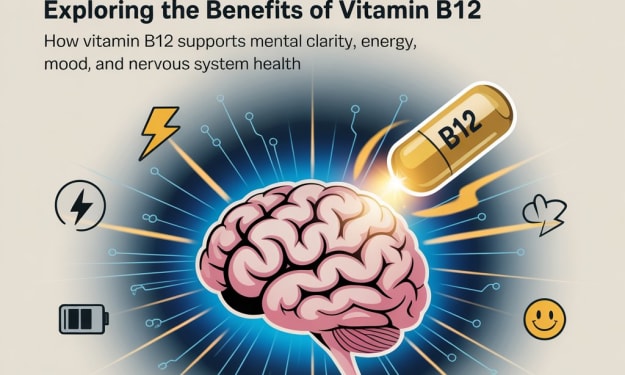
The Brain Booster:. AI-Generated.
In the complex world of health and wellness, few vitamins are as essential yet overlooked as Vitamin B12. Also known as cobalamin, this water-soluble vitamin plays a vital role in many bodily functions — but most notably, it acts as a powerful brain booster. From enhancing memory and mood to maintaining the nervous system and preventing fatigue, Vitamin B12 supports a wide range of mental and physical functions. Despite its importance, many people — especially vegetarians, vegans, and older adults — are at risk of deficiency without even realizing it. In this article, we explore how Vitamin B12 contributes to mental clarity, energy, emotional balance, and nervous system health, as well as where to find it naturally and when supplementation may be necessary. 🧠 1. Vitamin B12 and Brain Function Your brain is like a high-performance engine — and Vitamin B12 is one of the key fuels that keeps it running. B12 helps form myelin, the protective sheath around nerves that ensures smooth and efficient communication between brain cells. It also plays a critical role in DNA synthesis, red blood cell formation, and neurotransmitter production. Low levels of B12 can cause: Brain fog and memory problems Difficulty concentrating Cognitive decline, especially in older adults Neurological issues like tingling and numbness In fact, chronic B12 deficiency can even mimic the symptoms of dementia or Alzheimer’s disease in the elderly. Fortunately, correcting a deficiency often leads to rapid improvement in mental performance. ⚡ 2. Energy and Fatigue Management Ever feel tired for no obvious reason? B12 might be to blame. This vitamin is essential in the conversion of food (especially carbohydrates) into usable energy. It works with other B-complex vitamins to support mitochondria, the “power plants” of your cells. Without enough B12: You may experience chronic fatigue Physical and mental stamina drops You may feel drained, even after rest Supplementing with B12, or increasing intake through diet, often leads to a noticeable boost in energy — especially in people who were deficient. 😊 3. Mood Regulation and Mental Health Vitamin B12 plays a subtle but powerful role in maintaining a positive mood. It helps produce serotonin and dopamine — neurotransmitters responsible for feelings of happiness and well-being. Low B12 levels are linked to: Depression Irritability Anxiety Mood swings A deficiency can reduce serotonin levels and even affect how antidepressants work. That’s why B12 is often included in holistic approaches to treating mood disorders. In one study, individuals with low B12 who also suffered from depression responded better to treatment after B12 supplementation. While B12 is not a cure for mental illness, it’s a crucial piece of the puzzle. 🧬 4. Nervous System Health Vitamin B12 is essential for the health of your entire nervous system. It prevents nerve damage and supports proper neurological function. Symptoms of B12-related nerve issues include: Numbness and tingling in hands or feet Muscle weakness Poor coordination Balance issues In severe cases, a long-term deficiency can cause permanent nerve damage, especially in older adults. This makes early detection and treatment critical. 🍽️ 5. Natural Sources of Vitamin B12 Unlike other vitamins, Vitamin B12 is found almost exclusively in animal-based foods, which makes deficiency more common in people who follow vegetarian or vegan diets. Best Natural Sources: Beef liver – one of the richest sources Fish – tuna, salmon, sardines Meat – beef, lamb, poultry Eggs and dairy – milk, cheese, yogurt Shellfish – clams, crab, shrimp Fortified Foods (great for vegetarians/vegans): Fortified breakfast cereals Plant-based milks (soy, almond, oat) Nutritional yeast Fun Fact: Mushrooms, plants, and fruits do not contain B12 naturally — unless they’re fortified or grown in B12-enriched environments. 💊 6. B12 Supplements: Who Needs Them? Some people can't absorb B12 efficiently from food — even if they eat enough of it. In such cases, supplements or B12 injections are recommended. People at Risk of Deficiency: Vegans and vegetarians Adults over 50 People with digestive disorders (e.g., Crohn’s, celiac disease) Those who’ve had weight-loss or GI surgery People on certain medications (like metformin or PPIs) Supplement Types: Cyanocobalamin – synthetic form, common and affordable Methylcobalamin – active form, more bioavailable B12 shots – used for severe deficiency or absorption issues The recommended daily intake for adults is 2.4 mcg, but supplements often provide much more, as extra B12 is excreted if not needed. 🧪 Symptoms of B12 Deficiency to Watch For: Fatigue and weakness Pale or yellowish skin Tingling in hands/feet Mood changes Memory problems Swollen tongue or mouth sores Difficulty walking or maintaining balance If you notice these symptoms, it’s a good idea to get your B12 levels tested with a blood test and consult a doctor. ✅ Conclusion: Boost Your Brain, Boost Your Life Vitamin B12 truly earns the name “The Brain Booster.” From sharper thinking and stable mood to boundless energy and nerve health, its impact is hard to ignore. Unfortunately, deficiency is more common than many people realize — and its symptoms are often mistaken for stress, aging, or poor sleep. But with a few simple changes in diet or the right supplement, you can protect your brain, fuel your body, and feel like the best version of yourself. So whether you're a student, a professional, or just looking to feel more focused and energized, don't underestimate the power of B12. Your brain will thank you.
By Amin Turabiabout a year ago in Education
The Sunshine Vitamin:. AI-Generated.
Vitamin D, often referred to as the “sunshine vitamin,” is a fat-soluble nutrient that plays an essential role in maintaining overall health. Unlike most vitamins, Vitamin D functions like a hormone in the body. It is unique because it can be synthesized naturally when our skin is exposed to sunlight. Yet despite its availability, Vitamin D deficiency is a global health concern, affecting over a billion people worldwide. This article dives into the remarkable health benefits of Vitamin D, its natural sources, and why it is so crucial for bone strength, immune function, mental health, and daily wellness. ☀️ 1. Bone Health and Calcium Absorption One of the most critical functions of Vitamin D is to regulate calcium and phosphorus absorption in the body. These minerals are essential for building and maintaining strong bones and teeth. Without sufficient Vitamin D, the body cannot absorb enough calcium, even if your diet is rich in it. A lack of Vitamin D can lead to conditions such as: Rickets in children – soft, weak bones that lead to deformities Osteomalacia in adults – bone softening, pain, and muscle weakness Osteoporosis – fragile bones and increased risk of fractures in the elderly Ensuring adequate Vitamin D levels is foundational to lifelong skeletal health, especially for growing children, pregnant women, and older adults. 🛡️ 2. Immune System Support Vitamin D has a powerful impact on the immune system. It helps activate immune defenses by enhancing the function of T-cells and macrophages — the white blood cells that protect the body against pathogens. Research shows that adequate levels of Vitamin D can: Lower the risk of respiratory infections, such as colds and the flu Enhance the body’s defense against viruses and bacteria Help reduce inflammation and promote faster healing Recent studies have also linked low levels of Vitamin D to increased susceptibility to illnesses like COVID-19, though more research is still ongoing in this area. 😊 3. Mental Wellbeing and Mood Regulation Emerging evidence shows that Vitamin D also affects the brain and mental health. It plays a role in regulating mood and preventing disorders such as depression, anxiety, and seasonal affective disorder (SAD) — a condition where people experience depression-like symptoms during periods of low sunlight in winter. Vitamin D receptors are found in many areas of the brain, and it is involved in the production of neurotransmitters like serotonin — the “feel-good” chemical. Low levels of Vitamin D have been linked to: Increased risk of depression Cognitive decline in older adults Poor sleep quality Getting enough Vitamin D can support emotional balance, better sleep, and sharper cognitive function. 🌿 4. Natural Sources of Vitamin D There are two main ways to get Vitamin D: sun exposure and dietary intake. 🌞 Sunlight (the most natural source): When your skin is exposed to UVB rays from sunlight, it produces Vitamin D3. Ideally, spending 10–30 minutes in the sun several times per week can produce adequate levels, but this depends on: Skin color (darker skin needs more sun) Time of day (midday sun is best) Geographic location (people in northern areas get less UVB) Season and cloud cover Use of sunscreen (which blocks vitamin D production) 🍽️ Dietary Sources: Since few foods naturally contain Vitamin D, dietary intake becomes crucial, especially during winter or for those who spend little time outdoors. Natural food sources include: Fatty fish (salmon, sardines, tuna, mackerel) Egg yolks Beef liver Mushrooms (especially UV-exposed varieties) Fortified foods: Milk and plant-based alternatives Breakfast cereals Orange juice Yogurt and cheese 💊 5. Supplementation: When Sun and Food Aren’t Enough In many cases, people may need Vitamin D supplements to meet their needs. This is especially true for: Elderly individuals People with limited sun exposure Individuals with darker skin tones Those with certain medical conditions or digestive issues The two main forms of supplements are: Vitamin D2 (ergocalciferol) – plant-based Vitamin D3 (cholecalciferol) – animal-based and more effective Recommended Daily Intake (RDI): Infants (0–12 months): 400 IU Children and adults (1–70 years): 600 IU Seniors (70+ years): 800 IU Some health experts suggest 1000–2000 IU for adults for optimal levels Always consult a healthcare provider before starting supplements, as excess Vitamin D can be harmful. 🌞 Conclusion: Let the Sunshine In Vitamin D is a small nutrient with a big impact. From strengthening bones and boosting immunity to supporting mood and cognitive health, it is essential to your daily wellness. Unfortunately, modern indoor lifestyles, sun avoidance, and dietary gaps have made deficiency widespread. The good news? A little sunlight, a balanced diet rich in natural sources, and—if needed—supplementation can help you unlock the full power of Vitamin D. So step outside, enjoy the sun safely, and fuel your body with what it needs to thrive — because health truly begins with the sunshine vitamin.
By Amin Turabiabout a year ago in Education
Unlocking the Power of Vitamin C:. AI-Generated.
Vitamin C, also known as ascorbic acid, is one of the most vital nutrients for the human body. It’s water-soluble, which means our bodies can’t store it, and it must be consumed regularly through food or supplements. While it is popularly known as the go-to nutrient during cold and flu season, its benefits go far beyond just boosting the immune system. This article explores the wide-ranging health benefits, the best natural sources of vitamin C, and its importance in maintaining overall wellness. Health Benefits of Vitamin C 1. Boosts Immunity One of the most well-known benefits of Vitamin C is its role in enhancing the immune system. It helps stimulate the production of white blood cells, which are crucial in fighting off infections. Moreover, it acts as an antioxidant, protecting immune cells from damage caused by free radicals. This makes it particularly important during illness or recovery. 2. Powerful Antioxidant Vitamin C is a strong antioxidant that protects cells from oxidative stress. This oxidative damage, often caused by pollution, poor diet, and stress, contributes to chronic diseases like heart disease and cancer. By neutralizing harmful free radicals, vitamin C plays a role in slowing aging, reducing inflammation, and preventing cell damage. 3. Improves Skin Health Vitamin C is a critical component in the production of collagen, the protein that keeps skin firm, youthful, and elastic. It helps in wound healing, reduces wrinkles, and can even help lighten dark spots when used topically. Many skincare products include vitamin C for this reason, but dietary intake is equally important. 4. Supports Heart Health Studies suggest that regular intake of vitamin C may help lower blood pressure, improve blood vessel function, and reduce the risk of cardiovascular diseases. By promoting healthy circulation and reducing inflammation in the arteries, it plays a preventive role in maintaining heart health. 5. Enhances Iron Absorption Vitamin C improves the absorption of non-heme iron, the type of iron found in plant-based foods. This is especially beneficial for vegetarians and those prone to iron deficiency anemia. Consuming iron-rich foods with a source of vitamin C, like spinach with lemon juice, significantly increases iron uptake. Natural Sources of Vitamin C Fortunately, Vitamin C is found in a wide range of delicious and affordable fruits and vegetables. Here are some of the best sources: Citrus fruits – Oranges, lemons, limes, and grapefruits Berries – Strawberries, raspberries, blueberries Kiwi – Small but incredibly rich in vitamin C Guava – One of the highest sources per serving Bell peppers – Especially red ones Broccoli and Brussels sprouts Tomatoes Papaya and pineapple Mangoes and melons Cooking can reduce vitamin C content, as it is sensitive to heat. Steaming vegetables or eating them raw is the best way to preserve their nutritional value. Daily Requirements and Supplementation The Recommended Dietary Allowance (RDA) for vitamin C varies by age, gender, and life stage: Adult men: 90 mg/day Adult women: 75 mg/day Smokers: An additional 35 mg/day (due to higher oxidative stress) In most cases, a balanced diet can easily meet these needs. However, some people may benefit from vitamin C supplements, especially those with poor diets, smokers, or individuals recovering from illness. While vitamin C is generally safe, extremely high doses (over 2,000 mg per day) can cause side effects like stomach upset and kidney stones in rare cases. Vitamin C and Daily Wellness Incorporating vitamin C into your daily routine can have a profound effect on your overall wellness. It not only helps prevent and shorten the duration of colds but also promotes mental clarity, skin glow, and energy levels. Regular consumption improves mood and cognitive function due to its role in neurotransmitter production, such as dopamine and serotonin. Many people report feeling more energetic and less fatigued when their vitamin C levels are optimized. Also, since vitamin C fights oxidative stress, it may reduce the risk of chronic illnesses and contribute to long-term vitality. It’s a simple but powerful step in building a healthier lifestyle. Conclusion Vitamin C is much more than just an immune booster — it's a multi-functional nutrient that supports nearly every system in the body. From fighting infections to enhancing skin health, reducing inflammation, and improving iron absorption, its benefits are far-reaching. By making small adjustments in your diet and lifestyle, like increasing your intake of citrus fruits, leafy greens, and colorful vegetables, you can unlock the power of vitamin C for yourself. Whether through natural foods or supplements, making vitamin C part of your daily wellness routine is a smart and easy investment in your long-term health.
By Amin Turabiabout a year ago in Education