stem
The four major disciplines propelling our students and our society forward; all about education in science, technology, engineering, and mathematics.
The Echoes
The old observatory stood on the highest point of Blackwood Hill, a skeletal dome against the perpetually bruised sky. Locals whispered tales of its former glory, of a brilliant but reclusive astronomer, Dr. Alistair Finch, who vanished without a trace decades ago. They said he had been searching for something beyond the stars, something that eventually consumed him. For Maya, a budding astrophysicist with a penchant for forgotten histories, the observatory was an irresistible enigma.
By Momin Shahabout a year ago in Education
Inflammation:. AI-Generated.
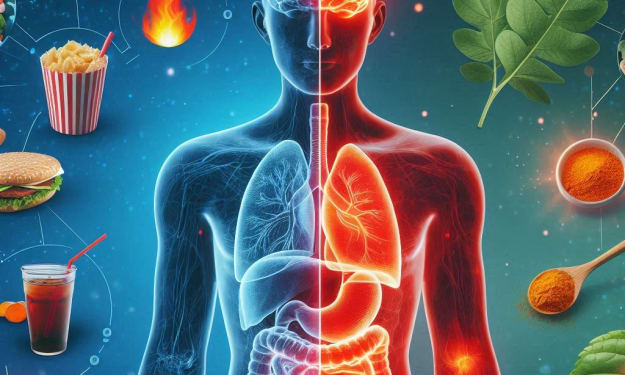
You wake up tired. Your skin breaks out for no reason. Your joints ache. You feel foggy, heavy, or just “off.” Sound familiar? What if we told you that all of those symptoms could be connected to one silent issue in your body? That issue is chronic inflammation — and it's more common than you think. Inflammation isn’t just about injuries or infections. In fact, it may be the hidden root cause behind many of your everyday health problems, from anxiety to acne to brain fog. But the good news? You can calm it down — naturally. Let’s break down what inflammation is, why it’s hurting your health, and how to fight back. 🔥 What Is Inflammation, Really? At its core, inflammation is your body’s defense system. When you cut your finger or catch a virus, inflammation kicks in to heal the damage. That’s called acute inflammation — and it’s a good thing. But when inflammation lingers too long — due to poor diet, stress, toxins, or lack of sleep — it becomes chronic. That’s when it stops helping and starts harming. Chronic inflammation acts like a low-level fire inside your body, silently damaging cells, tissues, and organs over time. 🧠 How Chronic Inflammation Affects You You may not feel it like a fever or injury, but chronic inflammation shows up in ways you can’t ignore: Common symptoms: Constant fatigue Brain fog and poor memory Bloating, gas, or digestive issues Joint or muscle pain Weight gain or stubborn belly fat Skin problems (acne, eczema, redness) Anxiety, low mood, or irritability Slow recovery from workouts or illness If you’re checking off several of these, your body may be inflamed from the inside out. 🍟 What Causes Chronic Inflammation? Inflammation can build up over time, especially if you’re exposed to certain triggers daily. Here are some of the top causes: 🔴 Trigger 🔥 Why It Causes Inflammation Processed foods High in refined oils, sugars, and chemicals Sugar & soda Spike blood sugar → insulin spikes → inflammation Lack of sleep Raises stress hormones and reduces recovery Chronic stress Constant cortisol = ongoing inflammation Sedentary lifestyle Slows circulation and detox processes Environmental toxins Pesticides, plastics, air pollution disrupt your system Leaky gut Damaged gut lining allows toxins into your bloodstream You might be doing everything “okay” — but even small daily habits can add up and silently fire up inflammation. 🌱 Natural Ways to Cool Inflammation Now for the good part: you don’t need expensive treatments or medications to lower inflammation. Your food, lifestyle, and habits are powerful tools — and here’s how to use them. 🥦 1. Eat Anti-Inflammatory Foods What you eat matters more than you think. The right foods can calm inflammation like water on a fire. Best inflammation-fighting foods: Leafy greens (spinach, kale, arugula) Fatty fish (salmon, sardines, mackerel) Berries (blueberries, raspberries, blackberries) Turmeric (especially with black pepper) Olive oil, avocado, chia seeds Green tea, garlic, ginger 💡 Bonus tip: Aim to “eat the rainbow” — colorful veggies and fruits are packed with healing antioxidants. 🍩 2. Avoid Inflammatory Triggers Just as some foods heal, others hurt. Foods to cut back on: Processed meats (sausages, deli meats) White bread, cakes, cookies Fried foods and vegetable oils Soda, energy drinks, excess caffeine Alcohol in large amounts Even moderate improvements — like replacing soda with water or switching from fried to grilled — make a difference over time. 🧘 3. Manage Stress Daily Stress may feel “mental,” but it creates a very physical response. Your body sees stress as a threat — and releases cortisol, your fight-or-flight hormone. Chronic cortisol = chronic inflammation. Try this daily: 5–10 minutes of deep breathing Short walks outside in sunlight Gentle yoga or stretching Write in a gratitude journal Listen to calming music or nature sounds 💤 4. Prioritize Sleep Like a Ritual Poor sleep is a major inflammation trigger — it blocks your body’s repair process. Improve your sleep naturally: Sleep 7–9 hours per night Avoid screens at least 1 hour before bed Use blackout curtains and keep the room cool Sip chamomile tea or magnesium before bed Go to bed and wake up at the same time daily 🏃 5. Move Your Body You don’t need to hit the gym hard — just move consistently. Exercise helps reduce inflammation by boosting circulation and triggering anti-inflammatory chemicals in your body. Best options: 20–30 minutes walking daily Yoga or tai chi Light strength training or swimming Dancing or stretching Consistency > intensity. ✅ Signs You’re Beating Inflammation Stick with the healing lifestyle, and you’ll notice: More energy and less fatigue Better digestion Clearer skin Better mood and focus Easier weight loss Fewer aches and pains Deeper, more refreshing sleep These results are proof that you’re cooling the internal fire — and giving your body what it truly needs. 💡 Final Thoughts: Put the Fire Out Before It Burns You Chronic inflammation doesn’t scream for attention — it whispers. It builds slowly, damaging your body silently until symptoms show up. But now you know what to look for — and what to do about it. With smart food choices, regular movement, stress management, and a little sleep discipline, you can quiet that fire and feel your best from the inside out. So ask yourself today: Am I feeding the fire — or putting it out? The power is in your hands.
By Amin Turabiabout a year ago in Education
What is Education?
What is Education? More Than Books, Exams, and Classrooms Education is not just the ability to read and write. It is not limited to classrooms, textbooks, or examinations. Education is the light that guides us through the darkness of ignorance. It is the foundation on which we build our character, our values, and our understanding of the world. But what truly is education? The True Meaning of Education The word “education” comes from the Latin word educare, which means "to bring out" or "to lead forth." This shows us that education is not just about stuffing information into someone’s mind, but about drawing out the best that already exists within them. A truly educated person is not someone who knows everything, but someone who is curious, thoughtful, and open to learning throughout life. Education helps people become more aware of themselves and their surroundings. It teaches us how to think—not just what to think. Types of Education There are three main types of education: 1. Formal Education This is what we usually think of—schools, colleges, universities, classrooms, exams, and degrees. It is structured and follows a set curriculum. Formal education provides us with academic knowledge like mathematics, science, literature, and history. 2. Informal Education Informal education happens outside classrooms. It includes learning from parents, elders, life experiences, reading books, traveling, or working. When a child learns how to behave respectfully from watching their parents, that is informal education. When someone learns how to fix a fan by observing a local electrician, that is informal education too. 3. Non-formal Education This includes learning from coaching centers, online courses, workshops, community programs, or vocational training. It is organized, but does not follow the strict rules of formal education. It helps people learn specific skills such as farming, sewing, programming, or language learning. Why is Education Important? 📘 1. Knowledge and Understanding Education gives us the tools to understand the world. From learning how the heart works to knowing how rain is formed—education connects us to science, society, and nature. 💼 2. Career and Opportunities In today’s world, most jobs require a basic level of education. From farmers using modern techniques to doctors using advanced machines—education helps people do their work better and open new career paths. 🧠 3. Critical Thinking and Decision Making A good education teaches us how to ask questions, analyze facts, and make wise decisions. This helps us not only in school or jobs, but in daily life too—choosing the right leader, handling money, or solving conflicts. 🤝 4. Social Awareness and Empathy Education helps us understand different cultures, beliefs, and opinions. It teaches us empathy, respect, and the importance of peace. An educated society is less likely to fall into the traps of hate, violence, or injustice. 🛠️ 5. Problem Solving and Innovation Most progress in the world—like building bridges, curing diseases, or inventing new technologies—happened because of educated minds who asked “why?” and “how?” Education sparks creativity and innovation. The Role of Teachers Teachers are the backbone of the education system. A good teacher doesn’t just teach facts—they inspire, guide, and shape the minds of the next generation. In many parts of the world, teachers are treated like second parents. In rural villages or big cities, a good teacher can change a child’s life forever. But teachers also need support. Without proper training, respect, and resources, they cannot give their best. That’s why investing in teachers is investing in the futures Education is a Right, Not a Privilege Unfortunately, millions of children around the world still don’t have access to quality education—especially girls, children with disabilities, or those living in poverty. In many rural areas, there are not enough schools or teachers. Some children have to walk miles to attend school. Others drop out to support their families. Education is a basic human right. Every child, no matter where they are born, deserves a chance to learn, grow, and dream. When we educate a child, we empower a family, uplift a community, and strengthen a nation. Modern Challenges in Education In the digital age, education is changing. Technology has brought new ways of learning—online classes, mobile apps, digital books, and AI. But it has also created a gap between those who have access and those who do not. COVID-19 reminded the world how important—and fragile—education systems are. During the pandemic, many children in poor areas were left behind because they had no internet or smartphones. We must work to make education inclusive, affordable, and accessible for all. What Makes Someone Truly Educated? It’s not just a degree. A truly educated person: Respects others, even those who disagree. Helps those in need. Seeks truth and justice. Admits mistakes and learns from them. Thinks critically, not blindly. Someone who knows how to treat people with kindness, how to protect nature, and how to make the world better—is far more educated than someone with a thousand certificates but no wisdom. --- Conclusion: Education is Power Education is the most powerful tool we have. It builds minds, strengthens societies, and creates a path out of darkness. It is not a luxury—it is life itself. Whether you are a child in a sweaty, green village like mine, or a student in a city classroom, education belongs to you. It is your right. Use it, grow with it, and never stop learning. Because once you are truly educated, no one can ever take that power away from you.
By Ali Asad Ullahabout a year ago in Education
Why You’re Always Tired: . AI-Generated.
Do you feel tired all the time — even after getting 7 to 8 hours of sleep? Do your mornings begin with exhaustion and your afternoons fade into brain fog? If you’re constantly battling low energy, you’re not alone. Fatigue is one of the most common health complaints today — and it’s not just about sleep. The truth is, chronic tiredness is often a signal from your body that something deeper is out of balance. From vitamin deficiencies to poor gut health, hormone issues, or emotional overload, many hidden factors could be draining your battery. Let’s explore the real reasons you're always tired — and more importantly, how to get your energy back. 😴 1. You’re Sleeping — But Not Resting Not all sleep is created equal. If your body isn't cycling through the proper sleep stages (especially deep sleep), you may wake up feeling unrefreshed even after 8 hours in bed. Common causes of poor-quality sleep: Sleep apnea (brief pauses in breathing) Too much blue light before bed Caffeine or heavy meals too late Stress-induced insomnia Energy fix: Avoid screens 1 hour before bed Keep your room dark, cool, and quiet Try magnesium-rich foods or herbal teas (chamomile, lemon balm) Practice deep breathing before bed 🧬 2. Vitamin & Mineral Deficiencies Your cells need nutrients to create energy. When you’re deficient, your body literally can’t produce fuel properly — and that shows up as constant fatigue. Most common deficiencies linked to tiredness: Iron – causes anemia, especially in women Vitamin B12 – needed for red blood cells and brain energy Vitamin D – linked to mood and energy regulation Magnesium – supports over 300 energy-related processes What to do: Get a blood test Eat more leafy greens, fish, eggs, seeds, and whole grains Consider a high-quality supplement if levels are low 🧠 3. Mental Fatigue (a.k.a. Brain Burnout) Tiredness isn’t just physical — it’s mental too. If your brain is constantly multitasking, worrying, or working overtime, you’ll feel mentally drained. This kind of fatigue is common in students, parents, professionals, and anyone under prolonged stress. Symptoms: Brain fog Forgetfulness Mood swings Zero motivation, even for fun things Mental energy booster: Take short mental breaks during the day (5–10 minutes every hour) Go outside — nature improves focus Try journaling or meditation to release mental overload 🍞 4. Blood Sugar Imbalance Eating sugary snacks, white bread, or skipping meals can send your blood sugar on a roller coaster. The result? A quick boost followed by a crash — and then more cravings. This up-and-down cycle can leave you exhausted, moody, and craving even more carbs. What helps: Choose complex carbs: oats, brown rice, sweet potatoes Add protein to every meal: eggs, fish, legumes Eat regularly — don’t skip breakfast 🦠 5. Poor Gut Health Your gut isn’t just for digestion — it plays a major role in nutrient absorption and energy production. If you’re bloated, constipated, or frequently on antibiotics, your gut may not be absorbing nutrients like B12, iron, and magnesium properly — even if you're eating enough. Signs your gut might be draining your energy: Gas or bloating after meals Sugar cravings Food intolerances Skin issues or mood swings Gut support: Eat fermented foods: yogurt, kefir, kimchi Add prebiotics: garlic, onions, oats Limit sugar and ultra-processed foods ⚖️ 6. Hormonal Imbalance Hormones are chemical messengers that regulate your metabolism, sleep, and mood. When they’re imbalanced, they can cause deep, unexplained tiredness. Fatigue-linked hormone issues: Thyroid (Hypothyroidism) – slow metabolism = constant sluggishness Cortisol – stress hormone; too much or too little can cause exhaustion Insulin – imbalance affects energy and blood sugar Sex hormones (estrogen, testosterone) – low levels cause low drive and energy What to do: Ask your doctor for a hormone panel Support your thyroid with selenium (Brazil nuts), iodine (seaweed), and zinc Practice stress reduction (breathwork, stretching, walking) 😰 7. Chronic Stress or Emotional Fatigue Sometimes it’s not your body that’s tired — it’s your soul. Emotional exhaustion can be just as draining as physical illness. Stress triggers cortisol, which in small doses is helpful. But chronic stress keeps your body in “fight or flight” mode, burning through your reserves and preventing true rest. Signs: Feeling tired but wired Irritable or overwhelmed by small things Trouble sleeping despite exhaustion Rest for your nervous system: Limit exposure to social media/news Spend time with people who energize you Try nervous system regulation: grounding, deep breathing, sunlight 🧠 8. You’re Not Moving Enough Ironically, not exercising can make you feel more tired. Movement improves circulation, boosts oxygen to your brain, and releases endorphins (natural energy boosters). If you sit all day, your body slows down — leading to stiffness, fatigue, and mental fog. Gentle ways to boost energy naturally: Go for a brisk 20-minute walk Stretch in the morning and evening Try light yoga or a dance break — even 5 minutes helps 💡 Final Thoughts: Fatigue Is a Signal, Not a Life Sentence Feeling tired all the time isn’t normal — it’s a message. Your body is asking for help. The key is to look beyond just sleep and explore other possible root causes: Are you absorbing the right nutrients? Is your gut or thyroid struggling? Are you mentally overwhelmed or emotionally depleted? The good news is, you can reclaim your energy — one small step at a time. Start by listening to your body, making smarter food and lifestyle choices, and giving yourself permission to rest the right way. Because you deserve to feel alive — not just awake.
By Amin Turabiabout a year ago in Education
Is Your Gut Healthy? . AI-Generated.
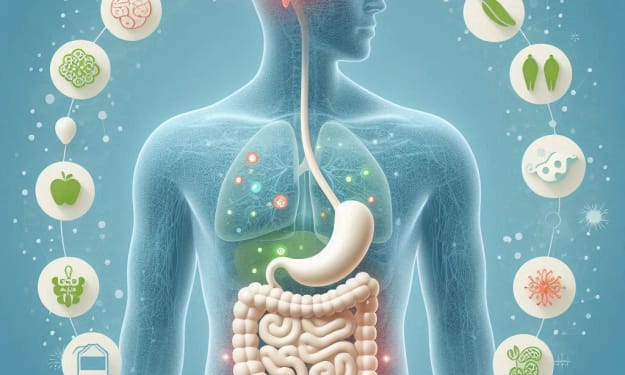
When you hear the word “gut,” you probably think of digestion — bloating, cramps, or maybe constipation. But your gut is much more than a food processing system. It’s a powerhouse that affects nearly every aspect of your health — from how clearly you think, to how your skin glows, to how well you fight off illness. In fact, scientists now refer to the gut as the “second brain” — and for good reason. Inside your gut lives a vast ecosystem of trillions of bacteria, fungi, and microbes called the gut microbiome. When it's balanced, your gut keeps your body running smoothly. But when it’s off? You might start experiencing symptoms that seem totally unrelated to digestion. Let’s explore the surprising signs your gut might be struggling, and what you can do to support it naturally. 🧠 1. Brain Fog, Anxiety, or Mood Swings Ever felt cloudy-headed or emotionally “off” without any obvious reason? Your gut may be involved. Your digestive tract and brain are connected by the gut-brain axis, a two-way communication system. What’s more, over 90% of serotonin — the “feel good” neurotransmitter — is produced in your gut. When your microbiome is imbalanced (a condition called dysbiosis), it can trigger: Brain fog Anxiety Depression Sleep issues Poor focus or memory What helps: Eat more fermented foods: yogurt, kefir, kimchi, sauerkraut Reduce processed sugars and refined carbs Consider a probiotic supplement with diverse strains 🤒 2. Frequent Illness or Low Immunity Did you know that 70% of your immune system lives in your gut? If you’re catching colds constantly or recovering slowly from illnesses, your gut may not be providing the immune defense it should. A healthy gut: Acts as a barrier to harmful pathogens Produces antimicrobial substances “Trains” your immune system to respond properly Strengthen your defense with: Garlic, onions, and leeks (natural prebiotics) Bone broth or collagen-rich soups Zinc and vitamin C-rich foods like citrus and pumpkin seeds 🥴 3. Bloating, Constipation, or Diarrhea These are the classic signs of an unhappy gut — but many people ignore them or assume they’re normal. While occasional bloating is okay, daily discomfort could indicate: Lack of digestive enzymes Food intolerances (like gluten or dairy) Leaky gut syndrome Bacterial overgrowth (SIBO) Quick tips: Eat slowly and chew thoroughly Stay hydrated and avoid eating late at night Try an elimination diet to identify triggers 🧏 4. Skin Problems: Acne, Eczema, or Rosacea Your skin reflects what’s happening inside your body — especially in your gut. Gut inflammation and leaky gut can allow toxins to enter your bloodstream, which may lead to skin flare-ups like: Chronic acne Redness or rosacea Eczema or itchy patches This is often called the gut-skin axis. Heal from within: Avoid dairy and sugar if you suspect sensitivity Eat anti-inflammatory foods: berries, turmeric, omega-3s Take collagen or zinc to support skin repair 💤 5. Constant Fatigue — Even After Rest If you wake up tired, rely on caffeine all day, or crash in the afternoon, your gut may not be absorbing nutrients properly. Poor gut health can lead to: Malabsorption of B vitamins, iron, and magnesium Inflammation that exhausts your immune system Disrupted sleep due to gut-brain miscommunication Boost energy with: Whole grains, bananas, and leafy greens (prebiotics) Healthy fats: olive oil, nuts, avocado Regular sleep schedule + gentle exercise to improve motility 🍟 6. Sugar Cravings That Won’t Quit Bad gut bacteria feed on sugar — and when they overgrow, they send signals to your brain to eat more of it. This can lead to: More cravings Mood crashes Weight gain The more sugar you eat, the more the wrong bacteria thrive — creating a vicious cycle. Break the cycle: Add fiber-rich foods like oats, flaxseeds, chia seeds Slowly reduce sugar — don't cut cold turkey Use natural sweeteners like honey or dates in moderation 🧬 What Damages Gut Health? To fully heal your gut, it’s important to avoid what’s hurting it in the first place. Here are some common gut-damaging habits: Gut Damager Why It's Harmful 🚬 Smoking Alters microbiome and damages gut lining 🍺 Excess Alcohol Kills good bacteria, increases inflammation 😰 Chronic Stress Shuts down digestion, increases bad bacteria 💊 Overuse of Antibiotics Destroys both harmful and beneficial bacteria 🍔 Highly Processed Foods Feed bad microbes and starve the good ones 🛠️ How to Build a Happier, Healthier Gut Here’s your gut-healing starter plan: ✅ Eat These Daily: Prebiotics: garlic, onion, asparagus, leeks, oats Probiotics: yogurt, kefir, sauerkraut, kimchi Fiber: fruits, veggies, legumes, flax Polyphenols: green tea, berries, olive oil ✅ Lifestyle Shifts: Chew thoroughly — digestion starts in your mouth Sleep 7–9 hours — gut repair happens at night Manage stress — deep breathing, journaling, meditation Exercise gently — walking, stretching, yoga improve gut motility 🧠 Final Thoughts: Trust Your Gut — Literally Your gut isn’t just about digestion. It’s about your mood, your energy, your skin, and your entire immune system. If something feels “off,” chances are your gut is part of the picture. By tuning into the subtle signs — fatigue, cravings, skin changes, mood swings — and responding with better food, smarter habits, and a little patience, you can build a gut that supports you every day. Because when your gut is healthy, everything else starts to fall into place.
By Amin Turabiabout a year ago in Education
AI Code Assistant: The Silent Partner That Changed Everything
AI Code Assistant: The Silent Partner That Changed Everything In the fast-moving world of technology, things are always evolving. New ideas are born every day, and with them, new tools to make our lives easier. One of the most exciting changes in recent years has been the rise of AI Code Assistants — smart tools powered by artificial intelligence that help developers write, fix, and understand code. For some, it’s just a productivity boost. For others, like Sarah, it was life-changing.
By Ali Asad Ullahabout a year ago in Education
Pseudointellectuals in the Wild: A Case Study in Comment Section Science
Welcome to the Digital Jungle The internet was meant to democratise knowledge. Instead, it often amplifies the loudest voices regardless of how little they actually know. Nowhere is this more evident than in the comment sections of popular science pages, where every mildly technical post becomes a magnet for misunderstood terminology, misplaced confidence, and the phenomenon known as the Dunning-Kruger effect in full bloom.
By TechHermitabout a year ago in Education
Top Earning Platforms Worldwide: How to Make Money Online in 2025
In today's world, individuals have countless opportunities to earn money online through various platforms. The internet has opened doors for millions to engage in remote work, freelance opportunities, entrepreneurship, or passive income streams. Let us explore some of the most popular income platforms worldwide and how they facilitate earning money.
By Zahid Hussainjunhuaabout a year ago in Education
The Hidden Signs of Vitamin Deficiency:. AI-Generated.
You eat every day. You might even take a multivitamin. But what if your body is quietly running low on essential nutrients — and trying to tell you? The truth is, vitamin deficiencies often go unnoticed. They start with subtle symptoms like tiredness, mood changes, or brittle nails. Most people shrug them off as “normal” — until they worsen into something bigger. The good news? If you listen closely, your body sends signals early. And once you know what to look for, you can fix small imbalances before they turn into full-blown health problems. In this article, we’ll explore the most common hidden signs of vitamin deficiency, what they mean, and how you can respond with smarter food and supplement choices. 🥱 1. Constant Fatigue – More Than Just Being Tired If you’re always tired, no matter how much you sleep, it might be more than stress. Deficiencies in certain vitamins can block energy production at the cellular level. Possible deficiencies: Vitamin B12 – Needed for red blood cells and brain energy Iron – Carries oxygen to your muscles and brain Vitamin D – Low levels affect energy and mood Magnesium – Supports over 300 enzymatic reactions, including ATP (energy) What to do: Get a blood test for B12, iron, and vitamin D Add foods like red meat, eggs, leafy greens, and fortified cereals Consider supplements if your levels are low 😵💫 2. Brain Fog or Trouble Concentrating Feeling mentally slow, forgetful, or fuzzy? That could be your brain asking for help. Common causes: Vitamin B6 and B12 – Crucial for nerve and brain function Omega-3 fatty acids – Help maintain sharp memory and cognition Iron – Low oxygen = slow thinking Fix it: Eat salmon, eggs, spinach, nuts Consider a B-complex vitamin Stay hydrated — dehydration also mimics brain fog 💇♀️ 3. Hair Loss or Thinning Some hair loss is normal. But excessive shedding or weak, thinning hair could signal a nutrient imbalance. Key deficiencies to consider: Biotin (Vitamin B7) – Supports hair strength Zinc – Vital for hair follicle growth Iron – Carries oxygen to roots Vitamin D – Linked to alopecia Boost your hair health: Eat eggs, nuts, seeds, fish, and beans Avoid crash diets (they cause sudden hair loss) Check your iron and D levels 🧵 4. Brittle Nails and Cracked Lips Your nails and lips can say a lot about your health. If your nails break easily, or your lips are constantly cracked — don’t ignore it. Nail warning signs: White spots = zinc deficiency Brittle or spoon-shaped nails = iron or biotin deficiency Slow growth = protein or B-complex vitamins Lip clues: Cracked corners of the mouth = B2 (riboflavin) deficiency Dry lips = dehydration or low B vitamins Simple fixes: Snack on almonds, pumpkin seeds, and yogurt Eat whole grains and dark leafy greens Stay well hydrated 😟 5. Mood Swings, Irritability, or Low Motivation Your emotional health is deeply tied to your nutritional intake — especially your neurotransmitter balance. Mood-related deficiencies: Vitamin D – Often called the “sunshine vitamin,” low levels are linked to depression Magnesium – Calms the nervous system Omega-3s – Support emotional stability Folate and B6 – Involved in serotonin production What to eat: Fatty fish like salmon and sardines Leafy greens, avocados, bananas Consider D3 and magnesium supplements if blood tests show low levels 🧊 6. Strange Cravings (Ice, Dirt, Salt) Craving ice, dirt, clay, or salty foods? It’s not just random — it could be your body screaming for minerals. Potential causes: Ice craving (pagophagia) = iron deficiency Salt craving = adrenal fatigue or dehydration Weird non-food cravings = zinc or iron deficiency Craving sugar frequently? It might be a blood sugar imbalance related to low magnesium or chromium. 😬 7. Tingling, Numbness, or Muscle Cramps Neurological symptoms like tingling in hands or feet, muscle spasms, or night-time cramps can be signs your nervous system is struggling. Watch out for: B12 – Nerve conduction depends on it Magnesium – Needed for muscle relaxation Calcium or potassium – Electrolyte imbalances can cause spasms Make sure you're eating bananas, dairy, leafy greens, and whole grains. 👀 8. Dry Eyes, Blurred Vision, or Poor Night Vision Vitamin deficiencies can affect your eyesight — especially if your diet lacks colorful veggies and fats. Deficiencies to consider: Vitamin A – Helps protect vision and night sight Omega-3s – Keep eyes lubricated and reduce dryness Zinc – Essential for retina health Try adding carrots, sweet potatoes, fatty fish, and nuts to your meals. 🧠 How to Listen to Your Body (Without Guessing) If you’ve checked off several symptoms above, it may be time to take action. Here's how to get started: ✅ Step 1: Get blood tests Ask for vitamin D, B12, iron, ferritin, magnesium, and a basic metabolic panel Optional: check folate, zinc, and thyroid markers ✅ Step 2: Track your food and symptoms Use a journal or app Look for patterns between how you eat and how you feel ✅ Step 3: Upgrade your meals Eat the rainbow — colorful whole foods = more nutrient coverage Reduce processed, sugary, or ultra-refined foods Add fermented foods (gut health = better nutrient absorption) 💡 Final Thoughts: Your Body Is Speaking — Are You Listening? You don’t need to wait for a diagnosis to start caring for your health. Often, your body gives you early warning signs — fatigue, brittle nails, low mood, cravings — long before a deficiency becomes serious. By paying attention to these subtle clues and responding with better nutrition, you’re giving your body what it truly needs to thrive. So the next time you feel “off,” pause and ask: What is my body trying to tell me? Because listening is the first step to healing.
By Amin Turabiabout a year ago in Education