
Essential Nutrients You Might Be Missing
A Guide to Commonly Overlooked Vitamins and Minerals That Support Energy, Immunity, Brain Function, and Overall Wellness

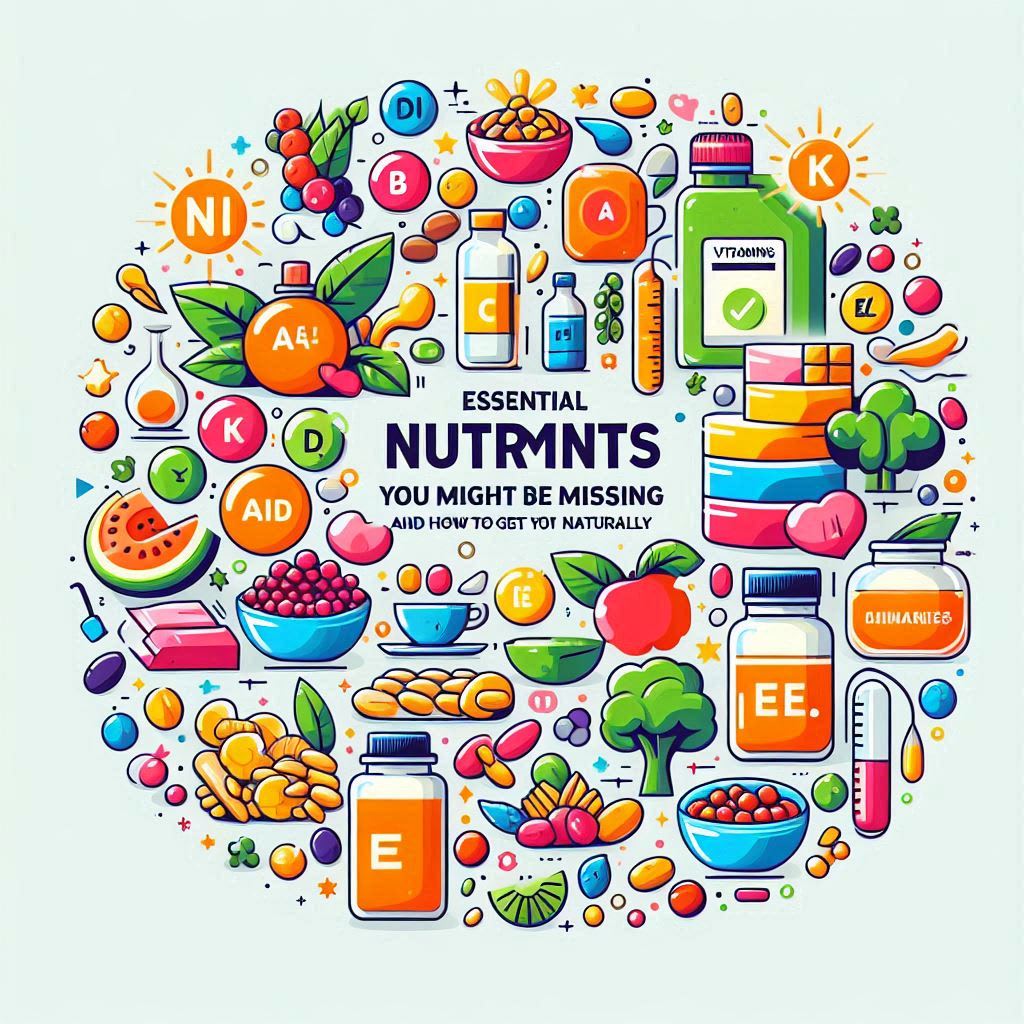
In the age of fast food, energy drinks, and grab-and-go snacks, it's easy to fill your stomach but still leave your body starving for nutrients. While most people know the importance of calories, protein, and carbs, there’s a group of quiet heroes working behind the scenes to keep your body running smoothly — essential micronutrients. These include vitamins and minerals that don’t just support good health; they are vital for survival. And yet, many of these essential nutrients are routinely missing from modern diets — even in healthy-looking meals. Let’s dive into the top nutrients your body might be missing — and what you can do to get them back on your plate. 🧠 1. Vitamin B12 – The Brain Booster You Didn’t Know You Needed Vitamin B12 is critical for brain function, red blood cell formation, and DNA production. Deficiency can lead to memory problems, fatigue, numbness, and even depression. Who’s at risk? Vegetarians and vegans Older adults (absorption declines with age) People with digestive issues (IBS, celiac) Sources: Animal products: meat, eggs, dairy Fortified cereals or plant milks B12 supplements or injections (if needed) 💪 2. Iron – The Oxygen Carrier Iron helps produce hemoglobin, the molecule that carries oxygen in your blood. Without enough iron, you feel constantly tired, weak, and foggy-headed. Who’s at risk? Women (due to menstruation) Pregnant women Vegetarians and vegans People who exercise heavily Sources: Red meat, spinach, beans, lentils, pumpkin seeds Pair with vitamin C-rich foods (like oranges) to boost absorption Iron supplements (only if prescribed) 😴 3. Magnesium – The Sleep and Stress Regulator Magnesium supports muscle function, nerve health, sleep, and stress balance. It also helps regulate blood pressure and blood sugar. Signs you might be low: Trouble sleeping Muscle cramps or twitching Feeling anxious or tense Headaches or fatigue Sources: Leafy greens (spinach, kale) Nuts and seeds (almonds, pumpkin seeds) Whole grains, avocado, dark chocolate Magnesium glycinate or citrate supplements 🛡️ 4. Zinc – Your Immunity Defender Zinc is vital for a strong immune response, wound healing, and cellular growth. It's especially important during cold and flu season — or any time your body is under stress. Signs of deficiency: Frequent colds Slow wound healing Loss of taste or smell Hair loss or poor skin condition Sources: Meat, shellfish, dairy Chickpeas, seeds, oats, cashews Zinc lozenges or supplements 💙 5. Vitamin D – The Sunshine Vitamin Vitamin D plays a crucial role in bone strength, immune health, and mood regulation. But because it’s made by sunlight on the skin, many people are deficient — especially those who stay indoors or wear sunscreen often. Signs of low vitamin D: Fatigue or low mood Bone or muscle aches Frequent illness Sources: Sunlight (15–30 minutes/day) Fatty fish, egg yolks, fortified milk Vitamin D3 supplements (especially in winter) 💡 6. Iodine – The Metabolism Controller Iodine is essential for producing thyroid hormones, which regulate metabolism, energy, and brain development (especially in babies). Signs of deficiency: Unexplained weight gain Feeling cold Fatigue or brain fog Swelling in the neck (goiter) Sources: Iodized salt Seaweed Dairy and fish 🦴 7. Calcium – The Bone Builder Calcium isn’t just for strong bones — it also supports nerve function, muscle contraction, and heart rhythm. At-risk groups: Women (especially postmenopausal) Teens in growth spurts People with lactose intolerance Sources: Dairy products, leafy greens, almonds Fortified plant milks or tofu Supplements if you don’t get enough through food 🧬 8. Folate (Vitamin B9) – The Cell Creator Folate helps with cell division, brain function, and is crucial during pregnancy to prevent birth defects. Who needs more? Women of childbearing age People with digestive disorders Anyone on long-term medications (antacids, etc.) Sources: Dark greens, beans, citrus fruits Fortified grains and cereals Folic acid supplements (especially during pregnancy) ⚠️ Why Nutrient Gaps Happen — Even in “Healthy” Diets Many people assume that if they eat "clean" or take a multivitamin, they’re covered. But common issues like: Overcooking vegetables Eating processed or refined grains Diet restrictions (vegan, keto, low-carb) Skipping meals can lead to significant nutrient gaps. Even healthy eaters can miss key micronutrients without realizing it. ✅ How to Cover Your Nutrient Bases Eat a rainbow of whole foods – Different colors = different nutrients Include healthy fats – Some vitamins (A, D, E, K) need fat to be absorbed Rotate your meals – Don’t eat the same few foods every day Consider lab testing – Ask your doctor to check your vitamin D, iron, B12, and more Supplement wisely – Use targeted supplements if needed (not blindly) 🧠 Final Thoughts: Don’t Let Deficiency Steal Your Potential Being “low energy,” foggy, anxious, or frequently sick isn’t always just about sleep or stress — often, it’s your body’s way of whispering that something is missing. The truth is: even if you’re eating enough calories, you might still be nutrient deficient. But the good news? You can change that starting today. By giving your body the full set of essential nutrients it needs — like iron, magnesium, zinc, B12, and vitamin D — you’re not just preventing disease. You’re unlocking the energy, clarity, and vitality you were meant to live with. So take a moment to rethink your plate — and give your body what it truly needs.
About the Creator
Amin Turabi
I'm Amin Turabi, a curious mind with a passion for health and education. I write informative and engaging content to help readers live healthier lives and learn something new every day. Join me on a journey of knowledge and wellness!
Enjoyed the story? Support the Creator.
Subscribe for free to receive all their stories in your feed.
Comments (2)
Good Work
Informative