
Games That Encourage Social Skills Development in Children
Fun Games That Build Social Skills for Kids 🎮 Boost communication, empathy, and teamwork with these engaging, play-based learning activities.
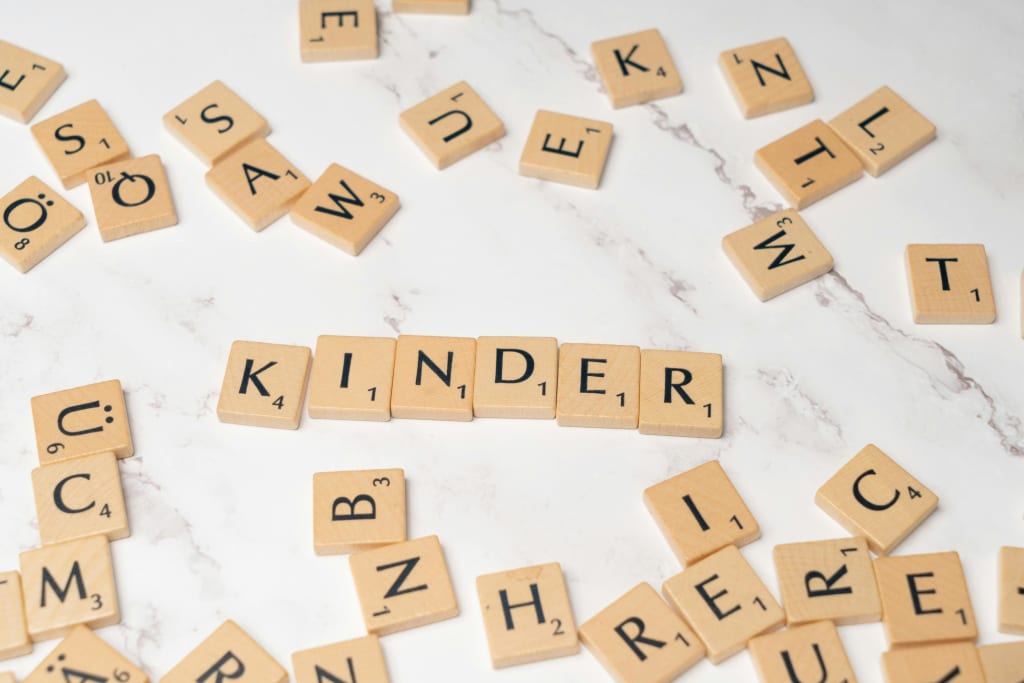
Hey there, folks! 🎮 Social skills are essential for kids, and what better way to learn than through play? In this article, I’m diving into how games can boost children’s ability to connect, communicate, and collaborate with others. From team games to role-playing, let’s explore some fun ways to strengthen these critical skills early on.
The Importance of Social Skills in Early Childhood
Social skills are the foundation for healthy relationships, self-confidence, and emotional intelligence. Below, we’ll look at why these skills matter and how early development can shape a child’s future success.
What Are Social Skills and Why Are They Important?
Social skills are all about understanding and interacting effectively with others. They include abilities like sharing, taking turns, and listening, which are key for building relationships and navigating social situations. For kids, learning these skills early helps them build strong connections and manage emotions.
How Early Social Skills Affect Future Success
Did you know early social skills can impact a child’s future? Kids who develop strong social skills often perform better academically and have healthier relationships as they grow. Early social learning also lays the groundwork for teamwork and leadership abilities, which can benefit them in school and later in their careers.
How Games Help Children Develop Social Skills
Games are powerful tools for social development. They can teach kids how to work together, communicate, and empathize with others. Here’s how specific types of games can support these essential skills.
Encouraging Cooperative Play and Teamwork
In cooperative games, kids must work together to achieve a common goal. These games help them practice sharing, communicating, and collaborating effectively, fostering teamwork and a sense of belonging. When kids play together, they also learn the importance of group success over individual wins.
Teaching Empathy and Understanding Others’ Perspectives
Games that involve role-playing or taking turns can teach empathy, which is the ability to understand and feel what someone else is experiencing. When kids play as different characters or take on different roles, they’re learning to see things from others’ perspectives—a skill that’s invaluable for building compassion and emotional intelligence.
Strengthening Communication and Negotiation Skills
Games that involve instructions, problem-solving, or negotiation teach kids how to express their ideas and work through disagreements. For instance, they might have to negotiate a turn order, agree on game rules, or find solutions to challenges together. These skills are not just helpful on the playground; they’re crucial for life.
Types of Games That Encourage Social Skills Development
Different types of games can foster various social skills. Let’s explore how board games, role-playing games, and group games can each play a role in building social abilities.
Board Games and Card Games
Classic board games like "Monopoly" and "Uno" encourage turn-taking, rule-following, and conflict resolution, which are essential for social learning. They provide a structured environment where kids can practice patience, take turns, and resolve issues in a safe setting.
Role-Playing Games and Pretend Play
Imaginative games like "house" or "store" help kids experiment with social roles and responsibilities. Pretend play encourages them to engage in scenarios that mimic real-life situations, allowing them to explore emotions, responsibilities, and social dynamics.
Group Games That Promote Group Cooperation
Group games such as "Simon Says" or "Freeze Dance" require kids to work together and follow directions. These games teach children about cooperation and listening skills while making the experience fun and interactive.
Recommended Games for Social Skills Development
Looking for specific games that can enhance social skills? Here are a few that excel in areas like teamwork, empathy, and conflict resolution.
Game 1: “Snug as a Bug” – Perfect for Teamwork and Sharing
"Snug as a Bug" is a cooperative game where players work together to save bugs before the timer runs out. This game teaches kids to share responsibilities and cooperate to reach a shared goal. It’s a great option for building a team mindset in young players.
Game 2: “The Empathy Game” – Builds Empathy and Emotional Recognition
"The Empathy Game" helps children identify and express emotions. Through engaging activities, kids practice recognizing and responding to different feelings, which strengthens their emotional intelligence and helps them connect with others on a deeper level.
Game 3: “Conflict Crushers” – Promotes Conflict Resolution and Problem-Solving
"Conflict Crushers" guides kids through common playground or classroom disagreements, providing scenarios where they must practice problem-solving and compromise. It’s excellent for children who are learning how to handle conflicts in a constructive way.
Game 4: “Kinder ABC” – Encourages Communication and Cooperation
"Kinder ABC" is an interactive app designed to build foundational skills through fun, social learning. With activities that require kids to collaborate on letter recognition and sound matching, it emphasizes communication and cooperation, encouraging kids to work together in a playful environment. This app also includes features where kids can take turns and offer feedback to each other, making it perfect for enhancing early social interactions while they learn their ABCs.
Tips for Parents on Using Games to Enhance Social Skills
Parents can play an active role in nurturing social skills through gaming. Here are some tips to make the most of playtime with your kids.
Create Opportunities for Play with Peers
Set up playdates or group activities where your child can interact with other kids. Playing with peers offers valuable opportunities for them to practice social skills like sharing and teamwork, which are essential for their development.
Guide Play with Positive Reinforcement
Use positive reinforcement to encourage social behaviors. Whenever your child shows cooperation, empathy, or effective communication during a game, acknowledge their effort with praise or a small reward. This helps them associate positive feelings with social learning.
Final Thoughts
The Power of Play in Building Strong Social Foundations
Games are more than just fun activities—they’re a powerful tool for teaching children social skills that they’ll use for a lifetime. Whether through teamwork, empathy, or problem-solving, the skills they develop now will benefit them far beyond the playground.
Happy gaming, folks! 🎲 Play and learn together—these skills are priceless!
Frequently Asked Questions (FAQs)
1. What are the best games to develop social skills in toddlers?
Toddlers benefit from simple games like "Peekaboo" or "Follow the Leader," which encourage interaction and help them understand social cues. Board games like "Snug as a Bug" are also great for introducing teamwork and turn-taking.
2. How can I encourage my child to play cooperatively with others?
Encourage cooperative play by selecting games that require teamwork, such as building blocks or group challenges. Also, offer praise when they share or work well with others, reinforcing positive social interactions.
3. Are there games that teach conflict resolution skills?
Yes, games like "Conflict Crushers" are designed to teach kids how to handle disagreements. By offering scenarios where they need to compromise or problem-solve, kids learn conflict resolution in a fun, engaging way.
4. How can games promote empathy in young children?
Games that involve role-playing or emotional identification, like "The Empathy Game," encourage kids to recognize and understand emotions in themselves and others. This skill is crucial for developing empathy and forming positive relationships.
5. How much playtime should my child have for social development?
Experts recommend at least an hour of unstructured play each day to support social and emotional growth. Structured games that encourage social skills can be included as part of this time to help kids practice cooperation, communication, and empathy.
About the Creator
Enjoyed the story? Support the Creator.
Subscribe for free to receive all their stories in your feed.
Comments
There are no comments for this story
Be the first to respond and start the conversation.