Sustainability
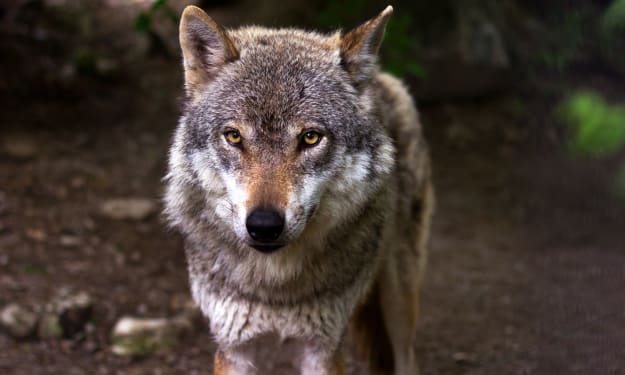
Wolf Communication.
Wolf Communication: Unraveling the Language of Howls. Introduction The haunting howl of a wolf echoing through the night has captivated human imagination for centuries. Wolves are highly social creatures known for their intricate communication skills. While their vocal repertoire extends beyond howling, this article focuses on their distinctive and evocative howls. By exploring the various types of howls and their significance, we can gain a deeper understanding of the complex language of wolves and the importance it holds in their social structure and survival.
By Ayaanahamed3 years ago in Earth
Wolf Conservation Efforts.
Wolf Conservation Efforts: Protecting an Iconic Species. Introduction : Wolves are magnificent creatures that have captivated human imagination for centuries. However, their survival has been threatened by habitat loss, hunting, and human-wildlife conflicts. Recognizing the importance of preserving these iconic predators, numerous conservation efforts have been implemented worldwide. This blog post will delve into the significant conservation initiatives that are being carried out to protect wolf populations and ensure their long-term survival.
By Ayaanahamed3 years ago in Earth
The End of Earth
Introduction: The fate of Earth hangs precariously in the balance. As the consequences of our actions continue to unfold, a looming sense of urgency pervades our collective consciousness. The threat of catastrophic events that could bring about the end of Earth as we know it is a stark reality that demands our attention. In this essay, we will explore the potential disasters that await us, the search for a new habitable planet, and the unwavering motivation to save our beloved home.
By Ashok kumar3 years ago in Earth
The Fascinating World of Squids.
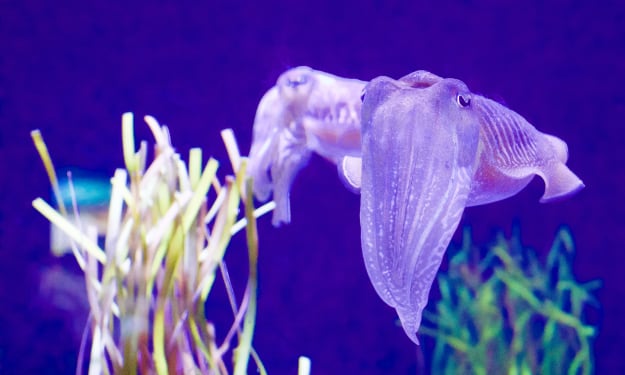
Title: The Fascinating World of Squids: An Introduction to Extraordinary Creatures Introduction: Squids, fascinating and enigmatic creatures of the deep sea, have captured the imagination of scientists and nature enthusiasts alike. With their remarkable adaptations, intelligence, and diverse range of species, squids have become an object of study and wonder. In this article, we delve into the captivating world of squids, shedding light on their incredible characteristics and unveiling the secrets that make them truly extraordinary.The deep oceans hide a world of extraordinary creatures, and among them, squids stand out as one of nature's most captivating marvels. These enigmatic creatures possess remarkable adaptations, displaying a mesmerizing array of colors and shapes. In this article, we will embark on a journey to explore the fascinating world of squids, uncovering their unique characteristics, intriguing behaviors, and their crucial role in marine ecosystems. 1. Anatomy and Adaptations: Squids belong to the cephalopod family, characterized by their soft bodies and prominent tentacles. They possess a streamlined shape, perfect for swift movement through water. Their most distinctive feature is the presence of large, complex eyes, capable of detecting even the faintest of light in the depths. Additionally, squids are equipped with an incredible array of adaptations, such as chromatophores that allow them to change color and texture for camouflage or communication, and jet propulsion that enables them to swiftly navigate their surroundings. 2. Intelligence and Behavior: Squids exhibit a remarkable level of intelligence, rivaling some of the most intelligent creatures on Earth. Their complex nervous systems and highly developed brains enable them to learn, solve problems, and exhibit sophisticated behaviors. Squids are known for their ability to communicate through a variety of visual signals and intricate body language. Some species even display cooperative hunting strategies, where they work together to capture prey. Their cognitive abilities make them intriguing subjects for scientific research, shedding light on the evolution of intelligence in marine organisms. 3. Diversity of Species: The world of squids encompasses a vast array of species, each with its own unique characteristics. Giant squids, reaching lengths of up to 43 feet, are the largest invertebrates on the planet. They dwell in the deep ocean, rarely encountered by humans. On the other end of the size spectrum, pygmy squids are incredibly tiny, measuring only a few centimeters. Humboldt squids, also known as jumbo squids, are known for their aggression and the ability to form large groups called shoals. From the mesmerizing bioluminescence of firefly squids to the elusive vampire squid with its otherworldly appearance, the diversity of squids is nothing short of astounding. 4. Reproduction and Life Cycle: Squids have intriguing reproductive strategies. Most species reproduce through external fertilization, where males release sperm packets that females collect and use to fertilize their eggs. Females then deposit their eggs in various habitats, such as rocky crevices or floating egg masses. Some deep-sea squids, like the vampire squid, exhibit unique reproductive adaptations, with females depositing gelatinous "nurseries" that protect their developing embryos. Squids have relatively short life spans, typically living for only one to two years, during which they undergo rapid growth and maturation. Conclusion: The world of squids is a captivating realm filled with mystery and awe. From their remarkable adaptations and intelligence to their diverse species and intriguing reproductive strategies, squids have solidified their place as extraordinary creatures of the deep sea. As we continue to explore and understand these enigmatic beings, we uncover more of the secrets that make squids an endless source of fascination for scientists and nature enthusiasts alike.Squids, with their astonishing adaptations and intriguing behaviors, provide an awe-inspiring glimpse into the marvels of the deep sea. Their ability to change color, their intelligence, and their incredible hunting skills make them one of the most captivating creatures on our planet. Understanding and appreciating the importance of squids in marine ecosystems is crucial. They serve as a vital link in the food chain, providing sustenance for many marine predators. Additionally, their role in the carbon cycle and the regulation of oceanic ecosystems cannot be overstated. While much remains to be discovered about these extraordinary creatures, the world of squids continues to mesmerize scientists and nature enthusiasts alike. Through continued research and conservation efforts, we can ensure that the enigmatic squids and their remarkable world remain a source of fascination and wonder for generations to come.
By Mr Royal Honey 3 years ago in Earth
Adaptations for Fishing: Kingfishers' Specialized Anatomy
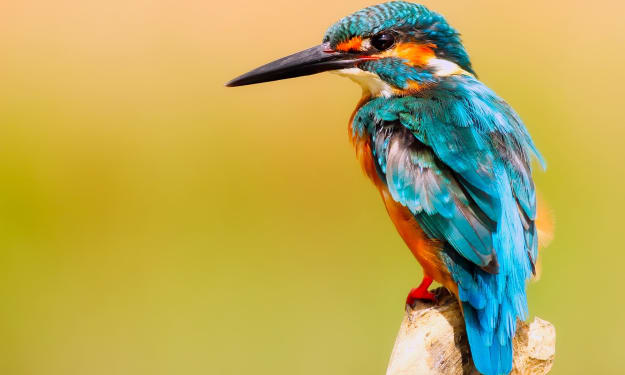
Title: Kingfishers' Specialized Anatomy: Adaptations for Successful Fishing Introduction: Kingfishers are a fascinating group of birds known for their remarkable fishing skills. They have evolved over time, developing specialized anatomical adaptations that enable them to excel at catching fish. In this article, we will explore the key features of a kingfisher's anatomy that contribute to its exceptional fishing abilities.Kingfishers are remarkable birds renowned for their unparalleled fishing abilities. Their success lies in their unique and specialized anatomy, which enables them to excel in their aquatic hunting pursuits. In this article, we will explore the fascinating adaptations that make kingfishers such skilled fishers. 1. Beak Shape and Length: One of the most distinctive features of kingfishers is their long, dagger-like beaks. These beaks are perfectly shaped for diving into the water and grabbing fish. The beak is relatively large, sharp, and pointed, allowing the kingfisher to swiftly and accurately strike its prey. Furthermore, the beak's length provides a significant advantage, as it allows the bird to reach fish that may be hiding in narrow crevices or vegetation. 2. Binocular Vision and Depth Perception: Kingfishers have exceptional binocular vision, meaning their eyes are positioned in a way that allows them to focus on a single point and perceive depth accurately. This is crucial for successful fishing, as it enables the bird to precisely judge the position of its prey relative to its own location. With their eyes positioned on the front of their heads, kingfishers can accurately calculate the distance and angle required for a successful dive, ensuring they strike their target with remarkable precision. 3. Nictitating Membrane: Another unique adaptation possessed by kingfishers is the nictitating membrane. This specialized third eyelid protects the bird's eyes while diving into the water. The membrane is transparent and covers the eye, functioning as a shield against the potential impact of water and other debris. This protective mechanism allows kingfishers to dive at high speeds without risking damage to their sensitive eyes, ensuring they maintain clear visibility during the critical moments of hunting. 4. Muscular Build and Agility: Kingfishers have a robust muscular build, which contributes to their incredible agility in the air and underwater. These birds are highly skilled at rapidly changing their flight trajectory, enabling them to adjust their diving angle or change direction swiftly to intercept fast-moving fish. Their muscular bodies allow for quick, powerful movements, giving them an edge in pursuing prey and making precise captures. 5. Hydrodynamic Shape: The body structure of kingfishers is streamlined and hydrodynamic, making them excellent divers. Their slender bodies minimize water resistance during entry and swimming, facilitating faster and more efficient movement underwater. This streamlined shape, combined with their strong wings and specialized feathers, enables kingfishers to plunge into the water with minimal splash and disturbance, increasing their chances of surprising and catching their prey. 6. Feet and Claws: Kingfishers have adapted feet and claws that play a vital role in capturing and securing fish. Their feet are short and stout, with partially fused toes that form a strong grip. The sharp claws help the bird grasp slippery fish while emerging from the water or perching on a branch. The sturdy feet and powerful grip of kingfishers ensure that their prey does not escape before they can consume it. Conclusion: Kingfishers' specialized anatomy showcases their remarkable adaptations for successful fishing. From their long, pointed beaks to their streamlined bodies and agile movements, every aspect of their anatomy is finely tuned for underwater hunting. These birds have developed a unique set of characteristics that allow them to thrive in aquatic environments, exemplifying the wonders of natural adaptation and evolution. Observing and appreciating the intricacies of the kingfisher's anatomy provides us with a greater understanding of the remarkable diversity of life on our planet.
By Mr Royal Honey 3 years ago in Earth
Witness the Majestic Birth of Earth - A Journey to Primordial Wonder
In the vast expanse of the cosmos, at a time when time itself was but a fledgling concept, lies the awe-inspiring destination of Earth, born 4.5 billion years ago. Here, you shall witness the mesmerizing dance of celestial forces, as the young planet emerges from cosmic chaos, shaping itself into the blue jewel we know today. Brace yourself, for this is a journey to the very genesis of existence, where the symphony of creation unfolds in magnificent beauty.
By Poetic pulse3 years ago in Earth
Pakistan's Current Situation: Short Overview
Introduction: The political landscape in Pakistan witnessed significant changes over the past year following the removal of Prime Minister Imran Khan from office. The removal of Prime Minister Imran Khan is controversial as many people believed the Americans were behind this regime change because they were unhappy for his region pro policies and on the visit of Russia. However, there are certain power corridors in Pakistan that played their roles for his removal. The military establishment of Pakistan has history of removing people from government since Pakistan independence and Army Chief of Pakistan at that time Mr. Qamar Javed Bajwa also helped oppositions including PML(N), PPP, JUI etc to remove Mr. Imran Khan to get away from their corruption cases. This article aims to provide an overview of the political situation in Pakistan during this period, highlighting the key events, challenges, and implications for the country's governance and democratic processes.
By MrLazy Slacker3 years ago in Earth
Kingfisher Species.
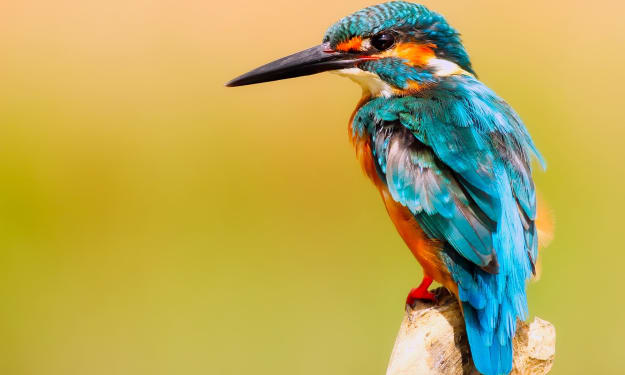
Kingfisher Species: A Look at the Different Types Kingfishers are a remarkable group of birds known for their vibrant colors, distinctive calls, and exceptional fishing skills. With over 90 species spread across the globe, they inhabit a wide range of habitats, from dense forests to open waterways. In this article, we will explore some of the fascinating kingfisher species and their unique characteristics.Kingfishers are a diverse group of birds known for their vibrant colors and remarkable fishing skills. With over 90 species found across the globe, each type of kingfisher exhibits unique characteristics and adaptations. In this article, we will explore some of the fascinating species of kingfishers. 1. Common Kingfisher (Alcedo atthis): The Common Kingfisher is one of the most well-known species and can be found across Europe, Asia, and North Africa. With its striking blue and orange plumage, it is a delight to behold. These birds are often seen perched near freshwater bodies, patiently waiting for their prey. Once spotted, they dive into the water with incredible speed and accuracy to catch small fish. 2. Belted Kingfisher (Megaceryle alcyon): The Belted Kingfisher is a common sight in North America, known for its distinctive blue-gray plumage and shaggy crest. It prefers habitats near lakes, rivers, and coastlines. These kingfishers have a loud rattling call that echoes over the water as they search for fish. Interestingly, they excavate burrows in earthen banks for nesting, creating impressive tunnels. 3. Pied Kingfisher (Ceryle rudis): The Pied Kingfisher is native to Africa and parts of Asia. It stands out with its black and white plumage, sharp beak, and long crest. These birds are known for their aerial hunting skills. Hovering over the water, they dive headfirst to catch their prey. They are not limited to fish alone and will also feed on crustaceans, frogs, and insects. 4. Sacred Kingfisher (Todiramphus sanctus): The Sacred Kingfisher is found in Australia, New Zealand, and some Pacific islands. It displays a beautiful combination of turquoise, green, and rust-colored plumage. These birds inhabit various habitats, including forests, woodlands, and coastal areas. They have a piercing call and are skilled hunters, catching insects, small reptiles, and fish. 5. White-throated Kingfisher (Halcyon smyrnensis): The White-throated Kingfisher is a widespread species found in parts of Asia, including the Indian subcontinent and Southeast Asia. Its bright blue plumage, contrasting with a white throat and chest, makes it easily identifiable. These kingfishers often perch on exposed branches near water bodies, plunging into the water when they spot their prey. They feed on fish, crustaceans, and even small snakes. 6. Malachite Kingfisher (Corythornis cristatus): The Malachite Kingfisher is a small, jewel-like bird found in sub-Saharan Africa. Its stunning emerald-green and orange plumage, along with its red beak, makes it a favorite among birdwatchers. These birds prefer habitats with slow-moving water or wetlands. They have a hovering flight pattern, allowing them to spot fish and aquatic insects from above before diving in. 7. Green Kingfisher (Chloroceryle americana): The Green Kingfisher is native to the Americas and can be found from the southern United States to Argentina. It has a predominantly green plumage, with a white belly and a distinctive red bill. These kingfishers are typically found near streams, rivers, and ponds. They perch low to the ground and make short flights to catch small fish, tadpoles, and insects. These are just a few examples of the remarkable diversity within the kingfisher family. Each species has adapted to its specific environment and developed unique hunting techniques. Whether it's the vibrant colors, acrobatic flights, or precision fishing skills, kingfishers continue to captivate bird enthusiasts worldwide. In conclusion, kingfishers are a fascinating group of birds with a wide range of species spread across the globe. Each species has its own distinctive characteristics, from their plumage colors to their hunting behaviors. Exploring the world of kingfishers offers a glimpse into the wonders of avian diversity and the beauty of the natural world.
By Mr Royal Honey 3 years ago in Earth