Sustainability
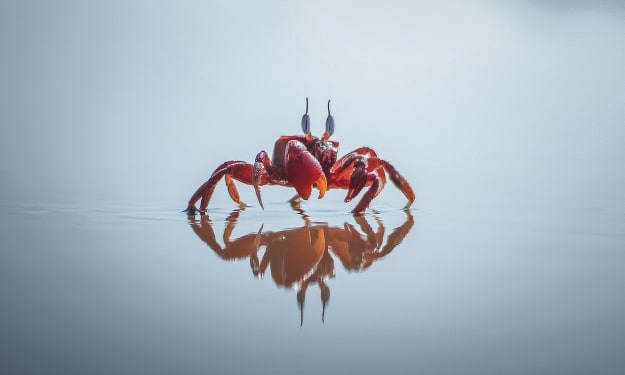
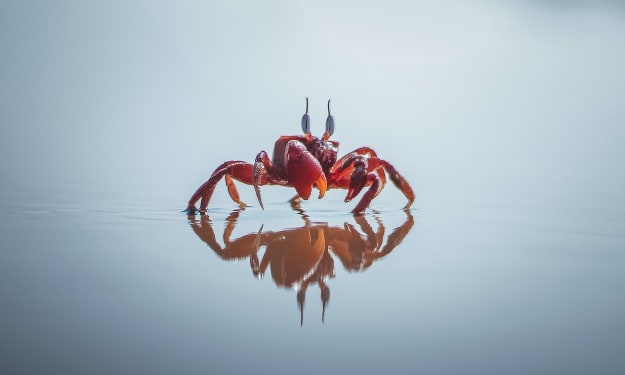
Types of Crabs.
Title: Types of Crabs: A Comprehensive Guide to Different Species Introduction: Crabs are fascinating creatures that inhabit various aquatic environments around the world. With their distinctive sideways scuttling and iconic pincers, crabs have captivated human curiosity for centuries. In this comprehensive guide, we will explore some of the most notable crab species, highlighting their unique characteristics and habitats.Crabs are fascinating creatures that inhabit various aquatic environments around the world. With their distinctive features, including their hard exoskeletons and sideways walking, crabs have captured the attention and curiosity of nature enthusiasts and seafood lovers alike. In this comprehensive guide, we will explore several noteworthy species of crabs, highlighting their unique characteristics, habitats, and adaptations. 1. Blue Crab (Callinectes sapidus): The blue crab is a popular species found along the Atlantic coast of North America. Known for its vibrant blue color, this crab boasts a hard shell and sharp claws. Blue crabs are renowned for their succulent meat and are commonly used in regional delicacies such as crab cakes and crab boils. 2. Dungeness Crab (Metacarcinus magister): Native to the West Coast of North America, the Dungeness crab is a prized delicacy. Its large size and sweet, flavorful meat make it highly sought after by seafood enthusiasts. Dungeness crabs are often harvested in the Pacific Northwest and are a staple in dishes like crab salad and cioppino. 3. King Crab (Paralithodes camtschaticus): King crabs are renowned for their massive size and formidable appearance. Native to the cold waters of the North Pacific, these crabs can have leg spans exceeding six feet. Known for their succulent and delicate meat, king crabs are often enjoyed steamed or grilled and are a delicacy in many seafood restaurants. 4. Snow Crab (Chionoecetes opilio): Snow crabs, also known as opilio crabs, inhabit the cold waters of the North Atlantic and North Pacific. They have a spiky shell and long, thin legs. Snow crabs are harvested for their meat, which is slightly sweet and tender. They are commonly served in dishes like crab legs and sushi rolls. 5. Red Rock Crab (Cancer productus): The red rock crab is native to the Pacific coast of North America. It features a reddish-brown shell with black-tipped pincers. Red rock crabs are known for their firm, flavorful meat, often used in recipes like crab bisque and crab-stuffed mushrooms. 6. Horseshoe Crab (Limulus polyphemus): Despite its name, the horseshoe crab is not a true crab but a unique marine arthropod. Found in coastal regions of the Atlantic Ocean, these ancient creatures have a hard exoskeleton and a distinctive horseshoe-shaped carapace. Horseshoe crabs play a vital role in medical research due to their copper-based blood, which contains a substance used to detect bacterial contamination. 7. Hermit Crab (Paguroidea): Hermit crabs are a diverse group of decapod crustaceans that occupy empty seashells for protection. They can be found in oceans worldwide, often near the shoreline. Hermit crabs have soft abdomens and use the discarded shells of other animals as portable homes. These unique crabs are popular pets due to their fascinating behavior. Conclusion: From the succulent meat of the blue crab to the massive size of king crabs, the world of crabs offers a diverse range of species. Each type possesses its own distinct characteristics and appeals to different palates. Whether you're enjoying a crab feast, exploring tide pools, or admiring their intricate exoskeletons, crabs continue to captivate and intrigue us with their remarkable diversity.
By Mr Royal Honey 3 years ago in Earth
The Anatomy of a Crab.
Crabs are fascinating creatures with a unique body structure that enables them to thrive in various marine environments. Understanding the anatomy of a crab is key to appreciating their remarkable adaptations. In this article, we will explore the essential components of a crab's body and how each part contributes to its overall functionality.
By Mr Royal Honey 3 years ago in Earth
Panda Habitat.
Exploring the Enchanting Bamboo Forests of China. Introduction : China's enchanting bamboo forests are not only breathtakingly beautiful but also serve as a vital habitat for one of the world's most beloved creatures, the giant panda. These lush, verdant woodlands are scattered across several provinces in China, providing a haven for pandas to thrive and perpetuate their species. Join us on a journey as we delve into the wonders of the panda habitat, exploring the unique characteristics of bamboo forests and shedding light on the efforts being made to conserve this iconic ecosystem.
By Ayaanahamed3 years ago in Earth
Conservation Success.
Pandas: Making a Remarkable Comeback from the Brink of Extinction. Introduction : Pandas, one of the most iconic and beloved species on the planet, were once teetering on the edge of extinction. However, thanks to dedicated conservation efforts and international cooperation, these charming creatures have made a remarkable comeback. This article explores the inspiring story of how pandas were brought back from the brink, highlighting the conservation strategies, key factors contributing to their recovery, and the ongoing challenges they still face.
By Ayaanahamed3 years ago in Earth
The Gentle Giants of Panda.
The Gentle Giants: Discovering the Fascinating World of Pandas. Pandas, the iconic black and white bears, have captured the hearts and imaginations of people around the world. With their distinctive appearance and gentle demeanor, these creatures have become symbols of conservation and environmental awareness. In this article, we will delve into the fascinating world of pandas and explore their unique characteristics, conservation efforts, and the importance of protecting their natural habitats.
By Ayaanahamed3 years ago in Earth
HERBS AS MEDICINE
Herbs and medicinal plants have long been used as plentiful sources of a wide range of physiologically active chemicals. In the earlier days, Native American healers frequently used unprocessed plant materials or their pure components to cure a variety of illnesses.
By CHIRAG NANAVATI3 years ago in Earth
"The Digital Nexus"
Title: "The Digital Nexus" In the bustling metropolis of Technopolis, where skyscrapers pierced the clouds and technology thrived, lived a brilliant young programmer named Ethan. With an insatiable curiosity for all things digital, Ethan was known as a prodigy among his peers. While he used his skills to build innovative software and protect online systems, a hidden desire lay dormant within him—to explore the uncharted realm of hacking.
By Ashutosh Pati3 years ago in Earth
It starts with you!!
From our smartphones to our washing machines, many of the items we use on a daily basis are becoming increasingly difficult to repair. In an effort to keep costs low and sales high, many companies have swapped materials like cotton or silk for cheaper synthetic materials, or relied on more basic stitching patterns that just don't hold as well. But why do our appliances "suck" and what can we do about it?
By Paidamoyo Sharlene3 years ago in Earth
"From Seed to Remedy: Exploring the Medicinal Garden Kit"
In today's fast-paced and often stressful world, finding natural and sustainable ways to promote health and wellness has become increasingly important. One such method gaining popularity is the creation of a medicinal garden at home. A medicinal garden provides a bountiful array of plants that can be used for various health benefits, ranging from soothing common ailments to supporting overall well-being. With the advent of medicinal garden kits, anyone, regardless of their gardening experience, can now embark on this transformative journey of self-care and natural healing. In this article, we will explore the world of medicinal garden kits, their benefits, and how they can empower you to harness nature's healing power right in your own backyard.
By christopher cedano3 years ago in Earth