Science
Coral reefs and tourism.
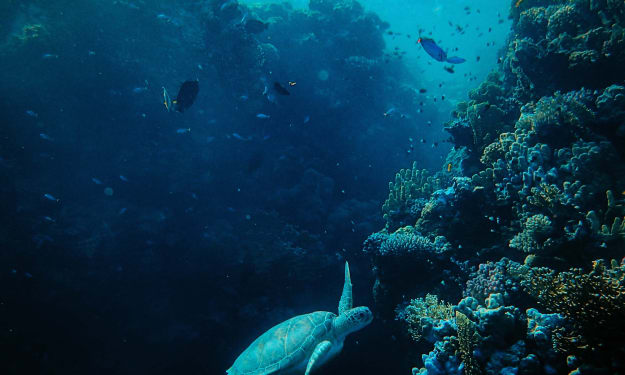
Coral reefs are among the most diverse and productive ecosystems on Earth, supporting over 25% of all marine species. They provide valuable ecological services such as shoreline protection, nutrient cycling, and carbon sequestration. They are also crucial for the livelihoods of millions of people worldwide, as they support important commercial and subsistence fisheries. In addition, coral reefs are major tourist attractions, generating significant economic benefits for many coastal communities. However, the rapid growth of tourism in recent years has placed significant pressure on coral reefs, posing a threat to their long-term survival. Thus, it is essential to balance economic development and environmental conservation to ensure sustainable use of these ecosystems. Tourism and coral reefs: a double-edged sword Tourism has been an important source of income for many communities in coastal areas, generating billions of dollars in revenue every year. Coral reefs are a major attraction for tourists, who come to these areas to enjoy activities such as snorkeling, scuba diving, and swimming. However, the rapid growth of tourism has put significant pressure on these ecosystems, leading to a range of negative impacts. Tourism can directly damage coral reefs through activities such as anchor drops, reef walking, and careless snorkeling or diving. This can result in physical damage to the corals and other reef organisms, which can take years or even decades to recover. In addition, tourists often contribute to pollution in the form of trash, sewage, and chemicals from sunscreen, which can harm the reef ecosystem. Indirect impacts of tourism on coral reefs include increased demand for seafood, which can lead to overfishing and the depletion of fish stocks. This can have a cascading effect on the entire ecosystem, as fish play a critical role in maintaining the health of coral reefs. Furthermore, the construction of tourism infrastructure such as hotels, roads, and marinas can cause sedimentation, which can smother corals and reduce their ability to photosynthesize. Balancing economic development and environmental conservation To ensure the sustainable use of coral reefs for tourism, it is essential to strike a balance between economic development and environmental conservation. This can be achieved through a range of measures, including: Sustainable tourism practices: Tourism operators and local authorities should adopt sustainable tourism practices that minimize the impact of tourism on coral reefs. This can include guidelines for snorkeling and diving, such as avoiding contact with the reef and not touching or standing on corals. In addition, tourists should be educated about the importance of coral reefs and encouraged to take steps to reduce their impact, such as using biodegradable sunscreen and avoiding littering. Marine protected areas: The establishment of marine protected areas (MPAs) can help to protect coral reefs from the negative impacts of tourism. MPAs can limit access to sensitive areas and regulate activities such as fishing and diving. They can also provide a source of income for local communities through activities such as ecotourism. Sustainable fisheries management: Overfishing is a major threat to coral reefs, and sustainable fisheries management is essential to ensure the long-term survival of these ecosystems. This can include measures such as limiting the number and size of fish that can be caught, establishing no-take zones, and promoting alternative livelihoods for fishing communities. Sustainable development: The construction of tourism infrastructure should be planned and managed in a way that minimizes the impact on coral reefs. This can include measures such as limiting the size and scale of developments, ensuring that they are located away from sensitive areas, and incorporating measures to reduce sedimentation and pollution. Conclusion Coral reefs are crucial ecosystems that provide important ecological services and support the livelihoods of millions of people worldwide. Tourism has the potential to generate significant economic benefits for coastal communities, but it can also pose a significant threat to the long-term survival of coral reefs
By Mr Royal Honey 3 years ago in Earth
The anatomy of corals and how they grow.
Corals are fascinating and unique creatures that live in marine environments all over the world. They are invertebrates that belong to the phylum Cnidaria, which also includes jellyfish and sea anemones. Corals are colonial animals that grow in large groups, forming vast reefs that are some of the most biodiverse and ecologically important ecosystems on Earth. In this article, we will take a closer look at the anatomy of corals and how they grow. Anatomy of Corals The body of a coral is called a polyp, and it is a simple structure made up of three layers of tissue. The outer layer is called the epidermis, which is a thin layer of cells that cover the surface of the polyp. The middle layer is called the gastrodermis, which lines the interior of the polyp and is responsible for digesting food. The innermost layer is called the mesoglea, which is a jelly-like substance that provides structural support to the polyp. At the top of the polyp is the mouth, which is surrounded by tentacles that are used to capture food. The tentacles are armed with stinging cells called nematocysts, which immobilize small prey such as plankton. The mouth leads to a short tube called the pharynx, which extends down into the gastrovascular cavity. This cavity is a central space that runs the length of the polyp, and it is used for digestion and circulation. Corals have a symbiotic relationship with algae called zooxanthellae, which live inside the polyp's tissues. The algae photosynthesize and produce oxygen and sugars, which the coral uses for energy. In return, the coral provides the algae with a protected environment and nutrients. This symbiotic relationship is the reason why corals are so dependent on sunlight and why they are found in shallow waters. Coral Reproduction: Coral colonies reproduce both sexually and asexually. Asexual reproduction occurs when a single polyp divides in two, creating a genetically identical clone. Over time, these clones can form new colonies and help to expand the overall size of the coral reef. Sexual reproduction occurs when coral colonies release eggs and sperm into the water column during a synchronized event called spawning. Spawning typically occurs once per year and is triggered by environmental cues such as changes in water temperature or lunar cycles. During spawning, millions of eggs and sperm are released into the water, where they combine to form new coral larvae. These larvae float in the water column for several days before settling on a suitable substrate and beginning the process of building a new colony.
By Mr Royal Honey 3 years ago in Earth
Understanding the importance of corals in the marine ecosystem.
Coral reefs are one of the most diverse ecosystems on our planet, and they play an incredibly important role in supporting marine biodiversity. Covering just 0.1% of the ocean floor, coral reefs are home to more than a quarter of all known marine species, making them vital for the survival of countless species of fish, invertebrates, and other marine life. In addition to being important habitats for marine species, coral reefs provide a number of other benefits to the environment and to human populations. They protect coastlines from erosion and storm damage, support tourism and recreation, and even provide potential sources for new medicines and treatments. Despite their importance, however, coral reefs are under threat from a number of different sources. Climate change, overfishing, pollution, and other human activities have all contributed to the degradation of these vital ecosystems. In this article, we'll take a closer look at the importance of coral reefs and the threats they face, as well as what can be done to protect them. What are Coral Reefs? Coral reefs are made up of colonies of tiny marine animals called polyps, which secrete a hard, calcium carbonate skeleton that forms the basis for the reef structure. Over time, as more and more polyps add their skeletons to the structure, the reef grows larger and more complex, providing a home for a wide variety of marine species. Coral reefs are found in shallow tropical waters, where the water is warm and clear enough to allow photosynthesis to occur. They are most commonly found in the Western Pacific, the Indian Ocean, and the Caribbean, although they can also be found in other parts of the world as well. Why are Coral Reefs Important? Coral reefs are incredibly important ecosystems, for a number of different reasons. Perhaps most importantly, they are home to an incredibly diverse array of marine species. In fact, coral reefs are often referred to as the "rainforests of the sea," because of the incredible biodiversity they support. Estimates suggest that coral reefs support more than a quarter of all known marine species, including countless species of fish, crustaceans, mollusks, and other invertebrates. Many of these species are found nowhere else on Earth, and rely on the unique habitat provided by coral reefs for their survival. In addition to supporting marine biodiversity, coral reefs also provide a number of other benefits to the environment and to human populations. For example, they protect coastlines from erosion and storm damage, by absorbing the force of waves and preventing them from reaching the shore. They also support tourism and recreation, providing opportunities for activities like snorkeling, diving, and fishing. Coral reefs are also important sources of potential new medicines and treatments. Many of the species found in coral reefs produce compounds with antibiotic, anti-inflammatory, and anti-cancer properties, among others. These compounds have the potential to be developed into new drugs and treatments, which could help to address a wide range of human health problems. Threats to Coral Reefs Despite their importance, coral reefs are under threat from a number of different sources. One of the biggest threats facing coral reefs today is climate change, which is causing ocean temperatures to rise and making it more difficult for corals to survive. When water temperatures get too warm, corals expel the algae that live inside their tissues, which provide them with the energy they need to survive. This process, known as "coral bleaching," can be deadly for corals, and has become more and more common in recent years as ocean temperatures have continued to rise. In addition to climate change, coral reefs are also threatened by overfishing, pollution, and other human activities. Overfishing can remove key species from the reef ecosystem, disrupting the delicate balance of the ecosystem and making it more vulnerable
By Mr Royal Honey 3 years ago in Earth
The Importance of Tigers in the Ecosystem.
Tigers are one of the most magnificent and majestic creatures on our planet. They are an important part of the ecosystem, and their presence in the wild is vital to maintaining a healthy balance in nature. In this article, we will discuss the importance of tigers in the ecosystem.
By Ayaanahamed3 years ago in Earth
The Majesty and Endangerment of the World's Tigers.
Tigers are one of the world's most majestic creatures, with their stunning orange and black stripes and powerful physique. Yet despite their beauty, tigers face numerous dangers that threaten their existence. In this article, we will explore both the majesty and endangerment of the world's tigers.
By Ayaanahamed3 years ago in Earth
The Lion's Habitat in Africa.
The African savanna is a vast, grassy plain that covers much of Africa. It is home to a variety of wildlife, including the king of the savanna: the lion. Lions are magnificent predators that are well-suited to the harsh environment of the savanna, where they must compete with other predators for food and water.
By Ayaanahamed3 years ago in Earth
The Lion's Prey: What Do They Eat and How Do They Hunt?
Lions are one of the most iconic and powerful predators in the animal kingdom. They are apex predators, which means they are at the top of the food chain and have no natural predators. Lions are primarily found in Africa, where they live in grasslands and savannas. They are social animals and live in groups called prides. In this article, we will explore what lions eat and how they hunt.
By Ayaanahamed3 years ago in Earth
The Power Of Perspective
As human beings, we often take for granted the power of our perspective. Our worldview, the lens through which we see and interpret the world around us, shapes our reality in profound ways. It influences how we perceive ourselves, others, and the events that unfold in our lives.
By Maria Simões 3 years ago in Earth
DEEP TECH
A TV satellite dish uses a parabolic reflector to focus the electromagnetic waves which are the TV signals sent from broadcast satellites orbiting the Earth at an altitude of 35,000 kilometers. TV satellite dishes only receive TV signals from space, they can't send data.
By Chidi Kalu Ekeh3 years ago in Earth
Jellyfish in Popular Culture: From Art to Science Fiction
Jellyfish, with their ethereal beauty and otherworldly appearance, have long captivated the human imagination. These mesmerizing creatures have appeared in various forms of popular culture, from art to science fiction. Here, we explore the ways in which jellyfish have inspired creativity and imagination.
By Mr Royal Honey 3 years ago in Earth