Nature
Montgomery Reef: A Spectacle of Nature in Western Australia
Off the rugged coast of Western Australia lies one of the world’s most remarkable marine phenomena: Montgomery Reef. Covering an area of around 400 square kilometers, this expansive reef in Camden Sound Marine Park mesmerizes visitors with its dramatic rise from the ocean with each tidal shift. Located within the pristine waters of the Kimberley region, Montgomery Reef offers a unique natural display where water pours off the reef’s surface, forming hundreds of miniature waterfalls cascading into surrounding lagoons. As the tide recedes, an extraordinary world of marine life is revealed, attracting sea turtles, reef sharks, and various bird species that flock to feast on exposed marine organisms. Beyond its visual beauty, Montgomery Reef holds ecological and cultural significance, making it a must-visit location for nature enthusiasts and those curious about Australia’s diverse ecosystems. A Tidal Phenomenon Unveiled Montgomery Reef stands out not only for its size but also for the tidal phenomenon that transforms it twice daily. The Kimberley region experiences some of the most extreme tidal movements in the world, with variations ranging from 4 to 10 meters. During low tide, the waters around Montgomery Reef pull back, causing the reef to "rise" from the ocean. This dramatic emergence reveals an expanse of flat, algae-covered rock, with an intricate network of channels and lagoons. As the water recedes, it cascades off the reef's edges, creating countless miniature waterfalls that glisten in the sunlight, accompanied by the soothing sound of rushing water. The phenomenon is best observed during the transition between high and low tide, when the retreating water forms swirling channels and pools. The reef appears to lift itself from the ocean, creating an illusion of a reef coming to life. This natural display captivates onlookers, as the reef is gradually unveiled in all its complexity and detail. For many, witnessing this transformation feels like stepping into another world, one that thrives just below the surface of the sea. A Biodiverse Haven Beyond its striking appearance, Montgomery Reef is a vital habitat that supports a wide variety of marine and bird life. As the tide recedes, marine creatures that have hidden among the reef during high tide are left exposed, creating a feast for predators. This shift attracts blacktip reef sharks, stingrays, and sea turtles that navigate through the shallow waters in search of fish and crustaceans. The lagoons formed around the reef provide a sanctuary for smaller fish species, making it a hotspot of activity during low tide. The reef is also a haven for bird species such as ospreys, sea eagles, and reef herons, which take advantage of the low tide to hunt exposed prey. Seabirds swoop down to capture fish, while others like pelicans gather near the cascading water to snatch up any disoriented creatures left vulnerable by the changing tide. These feeding frenzies, combined with the cascading waterfalls and shifting waters, create a dynamic and lively scene that underscores the reef’s importance within the marine ecosystem. The reef’s algae and coral beds further support a rich diversity of organisms. Algae provide food and shelter for a variety of invertebrates and smaller fish, which, in turn, attract larger predators. Coral structures found within the reef offer critical habitats for a range of marine life, contributing to the reef’s complex food web. With every tidal shift, the reef unveils an intricate ecosystem where each species plays a vital role, showcasing nature’s remarkable interdependence. Montgomery Reef and the Camden Sound Marine Park Montgomery Reef is located within the Camden Sound Marine Park, an area recognized for its rich biodiversity and conservation value. The marine park spans approximately 7,000 square kilometers and is home to significant populations of marine wildlife, including humpback whales that migrate to the Kimberley region each year to breed. Established to protect the area's unique marine life and ecosystems, the marine park serves as a safe haven for both resident and migratory species, helping preserve the natural heritage of Western Australia’s coastline. The reef itself is considered a critical habitat within the marine park, particularly for its role in supporting biodiversity. Marine biologists and conservationists closely monitor the reef’s health, recognizing that the preservation of this habitat is essential for maintaining the balance of marine life in the region. The tidal movements that shape Montgomery Reef’s unique landscape also facilitate nutrient cycling, providing a steady influx of resources that sustain both the reef and surrounding ecosystems. A Cultural and Ecological Treasure Montgomery Reef is not only an ecological marvel but also holds cultural significance, particularly for the Indigenous communities of the Kimberley. The reef and its surrounding areas are home to traditional Aboriginal lands, and the Indigenous peoples of this region have long regarded the reef as a place of spiritual and cultural importance. Their knowledge of the area, passed down through generations, includes a deep understanding of the tidal movements, seasonal changes, and the diverse marine species that inhabit the reef. Many Indigenous guides now share their cultural knowledge with visitors, offering a unique perspective on the reef’s history and its role within Aboriginal heritage. These guides provide insights into the reef’s ancient connections to Indigenous lore, as well as the practices and beliefs tied to the land and sea. This cultural connection enriches the experience for visitors, adding a layer of meaning to the already spectacular natural display. Exploring Montgomery Reef: A Once-in-a-Lifetime Experience Visiting Montgomery Reef offers an unforgettable opportunity to witness one of nature’s most captivating performances. Most visitors access the reef by boat, with many tours timed to coincide with low tide to capture the spectacle of the reef rising from the water. Watching the water cascade off the reef’s edges, creating countless waterfalls, is a mesmerizing experience. With each visit, there is an appreciation not only for the reef’s natural beauty but also for the delicate balance that sustains its ecosystems. For those fortunate enough to explore Montgomery Reef, the experience leaves a lasting impression—a reminder of nature’s power and beauty. The sight of the reef emerging from the ocean, its waterfalls glistening under the sun, and the vibrant interactions of marine life create a scene that feels almost otherworldly. Montgomery Reef serves as a reminder of the unique ecosystems hidden within our planet’s coastlines and the importance of preserving these treasures for future generations. In a world where so many natural wonders are threatened by environmental change, Montgomery Reef stands as both a marvel and a beacon for conservation. Its combination of ecological diversity, cultural significance, and sheer natural beauty make it one of Western Australia’s most precious landmarks, a testament to the incredible forces that shape our world and the species that inhabit it.
By Deji Akomolafe2 years ago in Earth
The 8 oldest countries in the world
Determining the "oldest country" is a complex question, as many countries have evolved over millennia, undergoing various political and territorial changes. However, based on continuous historical and cultural identity, here are eight of the oldest countries:
By Moharif Yulianto2 years ago in Earth
The winter storm
The winter storm arrived without warning, casting a heavy silence over the town. Snow fell in waves, thick and fast, blanketing streets, rooftops, and trees, transforming everything into a landscape of pure white. The air was sharp, each gust of wind biting harder than the last, whistling through the cracks of old houses and bending the tall pine trees as if they were fragile sticks.
By Taviii🇨🇦♐️2 years ago in Earth
Biotechnology and Genetic Research
Biotechnology and genetic research are at the forefront of medical innovation, transforming the way we approach disease treatment and management. Biologics, in particular, have evolved beyond traditional small-molecule drugs, targeting complex pathways in ways that were once impossible. With cutting-edge advances in biotechnology, biologics are expanding into new therapeutic areas and diversifying into a range of novel modalities.
By Abdelrahem102 years ago in Earth
India's unique animals
India is renowned for its rich biodiversity, with a unique geographical and ecological landscape that has fostered the evolution of a variety of endemic species. From the dense rainforests of the Western Ghats to the towering heights of the Himalayas and the sprawling deserts of Rajasthan, India is home to several animals that are found nowhere else in the world. This biodiversity has been recognized globally, with India being one of the 17 "megadiverse" countries that together host the majority of Earth's species. Here’s a look at some of the most fascinating animals that are native only to India, many of which are critically endangered or rare.
By Mohammed thanvir2 years ago in Earth
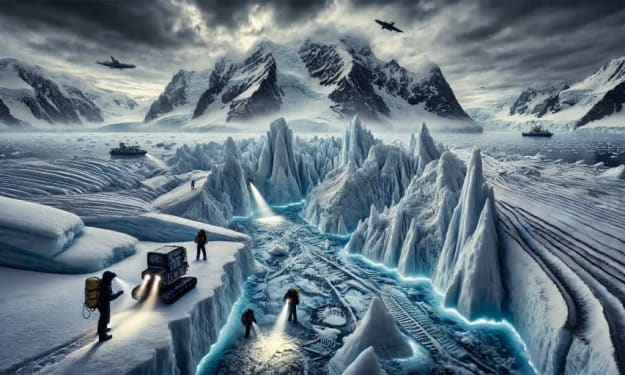
Antarctica Unveiled. AI-Generated.
Within the vast, icy expanse of Antarctica lies a mystery that has captivated scientists and explorers for centuries. Legends of lost civilizations, extraterrestrial sightings, and untold secrets have long surrounded this southernmost continent. Now, Elon Musk, a pioneer in technology and space exploration, has joined the quest.
By SimplyWrite2 years ago in Earth
Green Chemistry, and Sustainable Materials Design
Green chemistry and sustainable materials design are transformative approaches aimed at reducing environmental impacts, conserving resources, and promoting safer chemical processes and products. Green chemistry focuses on designing chemicals and processes that minimize hazards and waste, while sustainable materials design extends these principles to the creation of materials that are renewable, recyclable, and environmentally benign. Together, these fields drive innovation towards a more sustainable and circular economy.
By Abdelrahem102 years ago in Earth
The COVID-19 pandemic
The COVID-19 pandemic, caused by the SARS-CoV-2 virus, has been a pivotal event in recent history, profoundly impacting public health, economies, and societies worldwide. Originating in late 2019, the pandemic’s reach extended across every continent, leading to unprecedented scientific, political, and social responses. Here, we’ll examine COVID-19’s virology, transmission, clinical characteristics, and responses from healthcare, economic, and social perspectives, as well as lessons for future pandemics.
By Abdelrahem102 years ago in Earth
When sky falls
The small town of Elmswood was nestled in a quiet corner of the Midwest, surrounded by rolling fields and winding rivers. Its residents were used to the occasional storm—thunder rumbling through the night, lightning splitting the sky, and heavy rain drenching the earth. But nothing in their history had prepared them for the events of one fateful spring day, when the sky unleashed a force like no other and the world seemed to fall apart around them.
By Taviii🇨🇦♐️2 years ago in Earth
Moral Commercialization: The Developing Interest for Morally Obtained Items, Fair Exchange, and Eco-Accommodating Brands.
The Ascent of Morally Obtained Items Morally obtained items, frequently characterized by straightforward stock chains and sympathetic work rehearsals, are progressively popular. Customers are turning out to be more mindful of the natural and social ramifications of large-scale manufacturing, which has frequently prompted manipulative work conditions, insufficient wages, and ecological debasement. For example, many individuals are currently scrutinizing the beginning of their garments, gadgets, and food things, searching for affirmations that these merchandise were made under moral circumstances.
By Shahanaz Akther2 years ago in Earth