Nature
Journey Back in Time: The Fossilized Wonders of Petrified Forest National Park
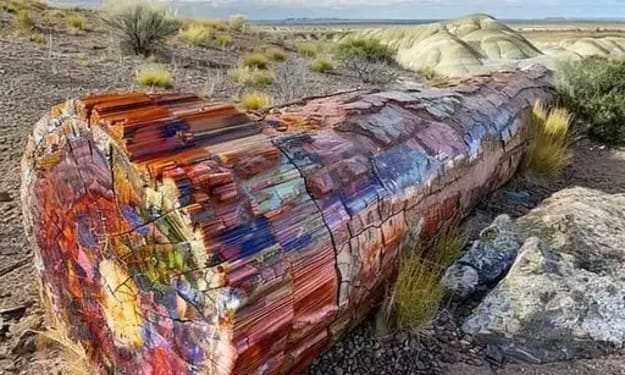
In the northeastern stretches of Arizona, Petrified Forest National Park stands as a vivid window into Earth’s distant past. Here, amidst the rolling desert and wide, open skies, lie ancient remnants of a world that existed over 225 million years ago—prehistoric trees that have transformed into glimmering stone over the millennia. These fossilized giants, whose colors range from deep reds to brilliant purples and oranges, offer an awe-inspiring glimpse into the Late Triassic period and capture the imagination of all who visit. The Story Behind Petrified Wood Long before this land was an arid desert, it was a lush river ecosystem, teeming with plant and animal life. Towering conifers and other trees dominated the landscape, providing shelter and sustenance for a myriad of ancient creatures. But about 225 million years ago, volcanic eruptions in the region unleashed massive amounts of ash and sediment, burying many of these trees under layers of mineral-rich sediment. Over time, a remarkable transformation took place. Water carrying minerals like silica and quartz seeped into the buried wood, gradually replacing the organic material, cell by cell, with minerals. This process, known as permineralization, allowed the wood to retain its structure while turning it to stone. The vibrant colors that we see in the petrified wood today—reds, oranges, yellows, and purples—are the result of various minerals present during fossilization. Iron, manganese, and carbon, among others, contributed to this palette, creating a natural mosaic that now draws countless visitors to Petrified Forest National Park. A Landscape of Fossilized Giants Petrified Forest National Park spans roughly 346 square miles (896 square kilometers) and boasts one of the world’s largest concentrations of petrified wood. The park is home to hundreds of fossilized logs, some spanning up to 10 feet in diameter. Walking through these ancient forests frozen in time, one can see entire tree trunks lying on the ground, broken in places yet perfectly preserved. In some sections of the park, clusters of fossilized logs stand like ancient sentinels, evoking a prehistoric woodland that once thrived under vastly different environmental conditions. Aside from the petrified trees, visitors can also find fossilized remains of plants and animals that inhabited the region during the Late Triassic period. Fossils of ferns, cycads, and even early dinosaurs and reptiles provide insight into the biodiversity of this ancient ecosystem. The park’s Rainbow Forest area is particularly popular for its high concentration of fossilized wood, with logs displaying vivid colors and intricate patterns that have been polished over millions of years. Exploring Petrified Forest National Park A visit to Petrified Forest National Park is more than just a walk through a petrified woodland; it’s a journey back through geologic time. The park offers several trails, viewpoints, and exhibits to help visitors fully appreciate its unique landscape and historical significance. One of the must-see areas is the Giant Logs Trail, where visitors can see the largest and most impressive fossilized trees in the park. The trail winds through the desert, passing by massive petrified logs, some reaching lengths of nearly 200 feet. Another popular spot is Crystal Forest, where pieces of petrified wood sparkle in the sunlight, showcasing the crystalline quartz that has replaced the wood fibers over millions of years. For those interested in the park’s broader geologic history, the Painted Desert section offers stunning vistas of layered rock formations in shades of pink, red, and orange. These colorful layers were deposited over millions of years, each layer representing a different era in Earth’s history. The interplay between the petrified wood and the Painted Desert’s vibrant landscape creates an otherworldly beauty that is both haunting and humbling. Protecting a Natural Treasure While the petrified wood is breathtaking to behold, it’s also incredibly fragile. Over the years, visitors have collected pieces of petrified wood as souvenirs, diminishing the park’s natural beauty and compromising its historical integrity. Today, park regulations strictly prohibit removing any petrified wood, and rangers work tirelessly to educate the public on the importance of preserving these ancient treasures. Fortunately, thanks to these efforts, Petrified Forest National Park remains a well-protected and well-preserved site. For those who wish to take a piece of the experience home, the park’s gift shops offer legally sourced petrified wood from private lands, helping to support local businesses while ensuring that the park’s resources remain intact. A Glimpse into Earth’s Distant Past The fossilized trees of Petrified Forest National Park are more than geological curiosities; they are ancient storytellers, preserving a record of a time when dinosaurs roamed the Earth, and a vastly different ecosystem thrived. Each log and fragment of petrified wood tells a story of transformation, endurance, and resilience, bearing silent witness to the passage of eons. As you walk through Petrified Forest National Park, it’s easy to feel a deep connection to the natural world. Here, among the petrified trees and vibrant desert landscapes, one can truly grasp the scale of Earth’s history. This park stands as a testament to the forces of nature and the incredible processes that shape our planet over time. Preserving the Past for Future Generations Petrified Forest National Park offers more than just beautiful landscapes; it provides an essential link to our prehistoric past. Through conservation efforts and public awareness, the park continues to inspire and educate future generations about the significance of our natural heritage. In a world where landscapes and ecosystems are constantly changing, Petrified Forest National Park is a reminder of the ancient forces that have shaped our planet and the enduring beauty that time and nature can create together. For anyone with a love of geology, natural history, or simply the beauty of the desert, Petrified Forest National Park is a must-visit destination. Its prehistoric wonders invite visitors to pause, reflect, and imagine a time when giants roamed and conifer forests stretched across ancient riverbanks. Here, time seems to stand still, offering a rare glimpse into the world as it once was, preserved forever in stone.
By Deji Akomolafe2 years ago in Earth
This River Is Even More Dangerous Than the Amazon
This River Is Even More Dangerous Than the Amazon The Congo River is often regarded as even more dangerous than the Amazon River, with its treacherous waters and menacing wildlife. This mighty river, the deepest in the world in some areas, plunges to such depths that light cannot reach it, creating a mysterious and foreboding atmosphere. The Congo River is the only major river to cross the equator twice and its sheer volume of water flowing into the Atlantic Ocean is staggering, filling more than 13 Olympic-sized swimming pools every second. The river is notorious for its strong currents, rapids in the upper section, and waterfalls and gorges in the lower section, making navigation a daunting challenge even for experienced boaters. The river's currents are so swift that they effectively separate animals living on opposite banks, leading to the evolution of new fish species that cannot interbreed. Among the most fearsome creatures living in the Congo River is the Goliath Tiger Fish, predatory monsters that can grow up to 5 feet in length and reach speeds of 25 mph. These formidable fish are equipped with razor-sharp teeth and have been known to attack crocodiles and even humans. Dense jungles along the riverbank are home to a variety of wildlife, including aggressive hippos and snakes, adding to the sense of danger. Despite the risks, the Congo River remains a crucial water highway in Central Africa, with barges transporting thousands of people at a time, although accidents are all too common. Legends of a mysterious beast lurking in the depths of the Congo River add an air of mystery and fear to this already formidable waterway, making it a truly perilous and awe-inspiring natural wonder.
By Adelaide Anno2 years ago in Earth
Gold Affluence in Asteroids: A Analysis That Could Transform the Future
In a groundbreaking analysis that has captured the absorption of both the accurate association and the all-around economy, scientists accept accepted the actuality of all-inclusive gold affluence in asteroids broadcast beyond our solar system. This award is assertive to adapt industries, drive amplitude exploration, and potentially adapt the approaching of all-around abundance distribution. The Discovery
By Say the truth 2 years ago in Earth
The Sandwood Tree: A Hidden Gem of the Accustomed World
The Sandwood Tree: A Hidden Gem of the Accustomed World The Sandwood timberline (Santalum acuminatum), additionally accepted as Australian sandalwood, is a arresting and able breed built-in to the semi-arid regions of Australia. It is allotment of the Santalaceae ancestors and is acclaimed for its ambrosial heartwood, which has been awful admired for centuries for its ambrosial backdrop and abeyant uses in assorted industries. This commodity will analyze the different characteristics of the Sandwood tree, its ecological importance, cultural significance, and the growing appeal for acceptable agriculture practices.
By Say the truth 2 years ago in Earth
Marcus Todd Brisco: Championing Eco-Friendly Solutions with Rolly Receipts
As the founder of Rolly Receipts LLC, Marcus Todd Brisco is a driving force behind sustainable innovation in business. Graduating with a Chemistry degree from the University of Hawaii, Marcus’s passion for environmental preservation was fueled by witnessing the degradation of Hawaii’s ecosystems. This firsthand experience led him to use his scientific background to create products that support a greener planet.
By Marcus Todd Brisco2 years ago in Earth
How to Fix a Dying Bonsai Tree
Caring for bonsai trees is an art form steeped in patience and precision. Yet, despite our best efforts, these miniature marvels can sometimes appear on the brink of fading away. It’s a common woe among bonsai enthusiasts when a once-vibrant tree starts to show signs of distress.
By Miyagi Bonsai2 years ago in Earth
Eco-Friendly Pest Control Solutions in Tarneit
When it comes to keeping your home or business in Tarneit free from pests, choosing eco-friendly pest control solutions is becoming a popular and responsible choice. Traditional pest control Tarneit methods often involve harsh chemicals that can be harmful to the environment, pets, and humans. In contrast, eco-friendly pest control solutions prioritize the use of natural and sustainable methods that are effective while being gentle on the planet.
By 365 Pest Control2 years ago in Earth
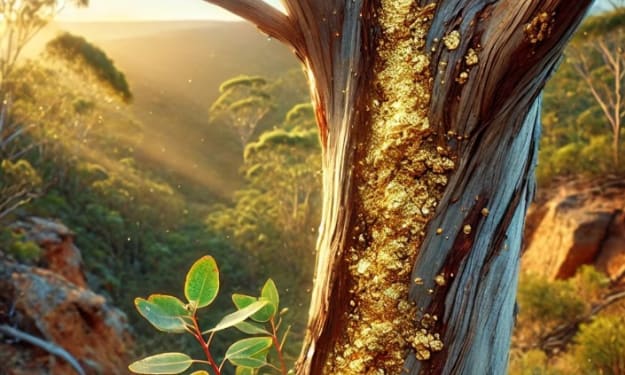
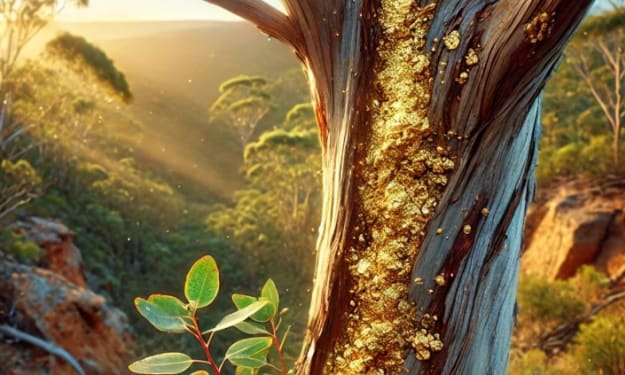
Gold in the Trees: How Eucalyptus Trees Hold Hidden Gold Resources in Australia
Australia has continued been accepted for its all-inclusive mineral wealth, but one of its added hasty assets comes from an abrupt place: eucalyptus trees. Scientists accept apparent that these iconic copse accept a different way of arresting gold from abysmal aural the ground, autumn minute amounts of the adored metal in their leaves and bark. This abnormality offers alluring insights into both the geological processes of the Earth and avant-garde methods for mineral exploration. The Discovery: How Eucalyptus Copse Blot Gold
By Say the truth 2 years ago in Earth
European Animals Estonia and Finland
Wildlife of Estonia Estonia is one of the Baltic States along with Lithuania and Latvia. It is one of the least inhabited countries in Europe. There are many beaches, pasturelands, marshes, and forests where wildlife make their homes.
By Rasma Raisters2 years ago in Earth