Nature
The Hidden Threat: Why We Struggle to Detect Dangerous Asteroids Before They Strike
The Chelyabinsk Incident: A Wake-Up Call On February 15, 2013, an asteroid heavier than the Eiffel Tower entered Earth's atmosphere over Chelyabinsk, Russia. Moving at an astonishing speed of 19 kilometers per second, it exploded 30 kilometers above the ground, creating a blinding flash that outshone the sun. For a full 90 seconds, the explosion remained eerily silent, giving people just enough time to rush to their windows, curious about the strange event they had just witnessed. Then, without warning, the shockwave struck. It shattered windows, blew doors off their hinges, and sent glass shards flying into the faces of onlookers. Over 1,500 people were injured, and thousands of buildings sustained damage. What made this event even more astonishing was that scientists had predicted an asteroid fly-by on the very same day. An asteroid named Duende, roughly the same size as the Chelyabinsk impactor, passed within 27,000 kilometers of Earth—closer than some satellites in orbit. And yet, despite their success in predicting that near miss, astronomers completely missed the asteroid that actually hit. This was a sobering reminder of how difficult it is to detect incoming space rocks, especially smaller ones. If an asteroid that caused so much damage could slip by unnoticed, how many others might be out there, heading our way? Why Are Asteroids So Hard to Detect? Asteroids are the leftover building blocks of the solar system, composed of rock, metal, or loose rubble. While most remain in the asteroid belt between Mars and Jupiter, thousands have drifted into near-Earth orbits. These near-Earth objects (NEOs) pose the greatest potential threat to our planet. Despite our advanced telescopes, tracking asteroids is a formidable challenge for several reasons: 1. They Are Small and Dark Most asteroids don’t reflect much sunlight. Unlike the bright stars and planets, they only reflect about 15% of the light that hits them. This makes them difficult to spot, even with powerful telescopes. The smaller the asteroid, the harder it is to see—yet even small ones can be devastating. The Chelyabinsk meteor, for instance, was only about 20 meters wide—roughly the size of two school buses—but still caused significant destruction. 2. They Can Approach from the Sun’s Direction Astronomers primarily detect asteroids by spotting them against the dark backdrop of space. But any asteroid coming from the direction of the sun is virtually invisible. The Chelyabinsk meteor came from this blind spot, giving no warning before impact. This highlights a major flaw in our asteroid detection capabilities. 3. Their Orbits Are Unpredictable Asteroids don’t travel in perfect, unchanging paths. The gravitational pull of planets—especially giant ones like Jupiter—constantly nudges them off course. Even a tiny shift in trajectory can have massive consequences over time. Because of this dynamical chaos, our ability to predict asteroid paths beyond 100 years into the future is limited. To date, we have cataloged over 1 million asteroids, with around 24,000 classified as near-Earth objects. However, many smaller but still dangerous asteroids remain undetected. What If a Large Asteroid Hit Earth? While Hollywood loves depicting asteroid impacts as world-ending events, the reality depends largely on the asteroid’s size. Small Asteroids (Under 50 meters wide) Asteroids smaller than 50 meters tend to explode in the atmosphere rather than hitting the ground. The Chelyabinsk event is an example of this. While these airbursts can cause injuries and damage, they do not pose an extinction-level threat. Medium-Sized Asteroids (50 meters to 1 kilometer wide) An asteroid in this size range could destroy an entire city or region. The Barringer Crater in Arizona, a 1.2-kilometer-wide impact site, was formed by a 50-meter-wide asteroid hitting the Earth 50,000 years ago. The impact released energy equivalent to 10 megatons of TNT—600 times more powerful than the Hiroshima bomb. Large Asteroids (1–10 kilometers wide) Asteroids of this size would wipe out entire countries or cause widespread destruction. If a 1-kilometer asteroid hit the Earth, it could create a blast capable of flattening an area the size of France or Germany. Extinction-Level Asteroids (Over 10 kilometers wide) A 10-kilometer asteroid impact, like the one that wiped out the dinosaurs 66 million years ago, would cause a global catastrophe. The impact would send debris into orbit, setting the sky ablaze as it rained down, boiling everything alive. It would also trigger massive wildfires, block sunlight for years, and cause a global climate collapse. The good news? We’ve ruled out any extinction-level impacts in the next 100 years. However, city-destroying asteroids remain a real and unpredictable threat. Could We Stop an Incoming Asteroid? Right now, we have no reliable method of stopping an asteroid from hitting Earth. Several ideas have been proposed, but each has significant challenges: 1. Nuking the Asteroid Blowing up an asteroid with nuclear weapons sounds dramatic, but it may not work. Many asteroids are rubble piles—collections of loosely held rocks. A nuclear explosion might simply scatter them, creating multiple impactors instead of one. Worse, gravity might pull them back together. 2. Pushing It with Rockets Attaching rockets to an asteroid to push it off course is another idea. The problem? We don’t have rockets powerful enough, and keeping them attached to a spinning asteroid for years would be nearly impossible. 3. Using a Gravity Tractor
By Lisa Ann Bastiaan2 years ago in Earth
Exploration (Age of Discovery, modern expeditions). AI-Generated.
Exploration has been a fundamental aspect of human history, driven by curiosity, the desire for trade, and the quest for new territories. The Age of Discovery (also known as the Age of Exploration) and modern expeditions represent two significant eras where exploration shaped global history and brought about transformative cultural, political, and technological changes.
By Badhan Sen2 years ago in Earth
Climate Change and Environmental Sustainability Understanding the Challenges and Solutions for a Sustainable Future
### **Introduction** Climate change and environmental sustainability have become two of the most pressing global issues in the 21st century. The Earth's climate is changing at an alarming rate due to human activities such as deforestation, industrial pollution, and excessive carbon emissions. Rising temperatures, extreme weather events, and loss of biodiversity threaten ecosystems, economies, and human livelihoods. While climate change presents a formidable challenge, environmental sustainability offers a roadmap to mitigate its effects and build a greener, more resilient future. This article explores the causes and impacts of climate change, the importance of sustainability, and the solutions necessary to address these challenges. ### **Understanding Climate Change** Climate change refers to long-term shifts in temperatures and weather patterns, primarily driven by human activities. The primary cause is the increase in greenhouse gases (GHGs) such as carbon dioxide (CO₂), methane (CH₄), and nitrous oxide (N₂O). These gases trap heat in the Earth's atmosphere, leading to global warming. #### **1. Causes of Climate Change** - **Burning Fossil Fuels**: Coal, oil, and natural gas combustion for energy and transportation releases vast amounts of CO₂. - **Deforestation**: Cutting down forests reduces the planet’s ability to absorb CO₂, worsening the greenhouse effect. - **Industrial Pollution**: Factories emit harmful pollutants, including GHGs and particulate matter, which contribute to atmospheric warming. - **Agricultural Practices**: Livestock farming releases methane, while excessive fertilizer use emits nitrous oxide. - **Waste Management**: Landfills produce methane as organic waste decomposes. #### **2. Consequences of Climate Change** - **Rising Global Temperatures**: The Earth's average temperature has increased by over 1°C since the industrial revolution. - **Extreme Weather Events**: More frequent hurricanes, wildfires, droughts, and floods. - **Melting Ice Caps and Rising Sea Levels**: Threatening coastal cities and island nations. - **Biodiversity Loss**: Many species face extinction due to habitat destruction. - **Food and Water Insecurity**: Changing weather patterns disrupt agriculture and freshwater supplies. ### **Environmental Sustainability: A Solution to Climate Change** Environmental sustainability focuses on meeting present needs without compromising the ability of future generations to meet theirs. It emphasizes responsible resource consumption, conservation, and the reduction of pollution. #### **1. Key Principles of Sustainability** - **Renewable Energy**: Transitioning to solar, wind, and hydroelectric power reduces reliance on fossil fuels. - **Conservation of Natural Resources**: Protecting forests, oceans, and freshwater sources to maintain ecological balance. - **Sustainable Agriculture**: Implementing eco-friendly farming practices like organic farming and crop rotation. - **Waste Reduction and Recycling**: Promoting a circular economy where products are reused and recycled. - **Green Infrastructure**: Developing cities with energy-efficient buildings, sustainable transport, and green spaces. ### **Global Efforts to Combat Climate Change** Countries and organizations worldwide are taking steps to combat climate change through policies, agreements, and innovative solutions. #### **1. The Paris Agreement** Adopted in 2015, this international treaty aims to limit global warming to well below 2°C, with a goal of 1.5°C. Nations commit to reducing emissions and enhancing climate resilience. #### **2. Sustainable Development Goals (SDGs)** The United Nations’ SDGs include goals like clean energy, climate action, and responsible consumption to promote sustainability. #### **3. Green Technology and Innovations** - **Electric Vehicles (EVs)**: Reducing dependence on gasoline and lowering emissions. - **Carbon Capture and Storage (CCS)**: Technologies that capture CO₂ emissions before they enter the atmosphere. - **Smart Grids and Energy Efficiency**: Improving electricity distribution and reducing waste. ### **The Role of Individuals in Sustainability** While governments and corporations play significant roles, individuals can also contribute to sustainability. #### **1. Adopting a Low-Carbon Lifestyle** - **Using Public Transport or Cycling**: Reducing carbon footprint from personal vehicles. - **Eating a Plant-Based Diet**: Reducing meat consumption can lower methane emissions. - **Reducing Energy Consumption**: Using energy-efficient appliances and switching off lights when not in use. #### **2. Supporting Sustainable Products and Businesses** - **Choosing Eco-Friendly Brands**: Supporting companies committed to sustainability. - **Avoiding Single-Use Plastics**: Using reusable bags, bottles, and containers. #### **3. Raising Awareness and Advocacy** Educating others about climate change and advocating for policies that promote sustainability. ### **Conclusion** Climate change and environmental sustainability are interconnected issues that require urgent action. Through a combination of policy changes, technological innovation, corporate responsibility, and individual efforts, we can mitigate the effects of climate change and create a more sustainable world. The choices we make today will shape the future of our planet, making sustainability a responsibility that belongs to everyone.
By Dipayan Biswas2 years ago in Earth
Winter Storm Watch Issued for 8 N.J. Counties: Up to 6 Inches of Snow Expected
Winter Storm Watch Issued for 8 N.J. Counties: Up to 6 Inches of Snow Expected A winter storm is set to hit New Jersey, prompting the National Weather Service (NWS) to issue a Winter Storm Watch for eight counties. Forecasters predict 4 to 6 inches of snow, with higher localized totals possible, as well as dangerous travel conditions. The storm is expected to begin late Tuesday and continue into Wednesday morning, impacting both the evening and morning commutes.
By Mahalakshmi2 years ago in Earth
A Comprehensive Guide to the Annapurna Circuit Trek: Your Ultimate Himalayan Adventure. AI-Generated.
The Annapurna Circuit Trek is one of Nepal’s most legendary trekking routes, attracting adventurers from all over the world. This trek offers a unique combination of stunning landscapes, diverse ecosystems, and rich cultural experiences, making it a dream for trekkers. While the route is well-established, the challenges it presents—especially in high-altitude regions—make having a skilled guide essential. Whether you’re a first-time trekker or an experienced mountaineer, a guide will enhance your experience and ensure you safely navigate through this beautiful yet challenging terrain. In this blog, we’ll dive deep into the role of a guide on the Annapurna Circuit Trek and why they are indispensable for an unforgettable adventure.
By Lucifer Smith2 years ago in Earth
The Truth about Getting a Job in Conservation. AI-Generated.
When I graduated in May 2024 with a degree in wildlife biology, I thought I’d land a job pretty quickly. I had the degree, the internships, and the passion—what more could employers want? But reality hit hard.
By Briar Rose2 years ago in Earth
Biggest Polly Wants a Cracker
African Grey These parrots make their homes in India. They weigh in at 4 pounds. African greys are noted for their soft feathers, loud squawks, high intelligence, and playful behavior. They can live up to 80 years. Their diet consists of fruit, nuts, and seeds.
By Rasma Raisters2 years ago in Earth
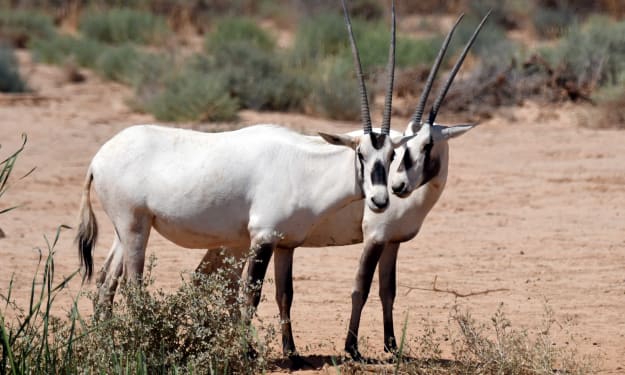
Asian Animals Qatar, Saudi Arabia, and Singapore
Wildlife of Qatar Qatar is a small Asian-African country in the western part of the continent. It is located on the northeastern coast of the Arabian Peninsula and is one of the smallest countries in Asia. Many of the animals in Qatar are endangered or extinct in the wild.
By Rasma Raisters2 years ago in Earth
Volcanic ash and aviation risks
One of the most significant threats posed by volcanic eruptions is volcanic ash, which can pose serious risks to aviation. Volcanic ash clouds can spread over vast distances, disrupting air travel, damaging aircraft, and endangering passengers and crew. Understanding the nature of volcanic ash, its impact on aviation, and the measures taken to mitigate risks is crucial for ensuring flight safety.
By Badhan Sen2 years ago in Earth
Early warning systems for disasters
Disasters, whether natural or man-made, have the potential to cause widespread devastation, leading to loss of life, destruction of infrastructure, and economic setbacks. One of the most effective ways to mitigate disaster impact is through Early Warning Systems (EWS), which provide timely alerts to communities, governments, and emergency responders. These systems allow for early action, reducing casualties and damage. Over the years, advancements in technology have improved the effectiveness of early warning systems, making them indispensable tools in disaster management.
By Badhan Sen2 years ago in Earth