
A Comprehensive Guide to the Annapurna Circuit Trek: Your Ultimate Himalayan Adventure
Overview
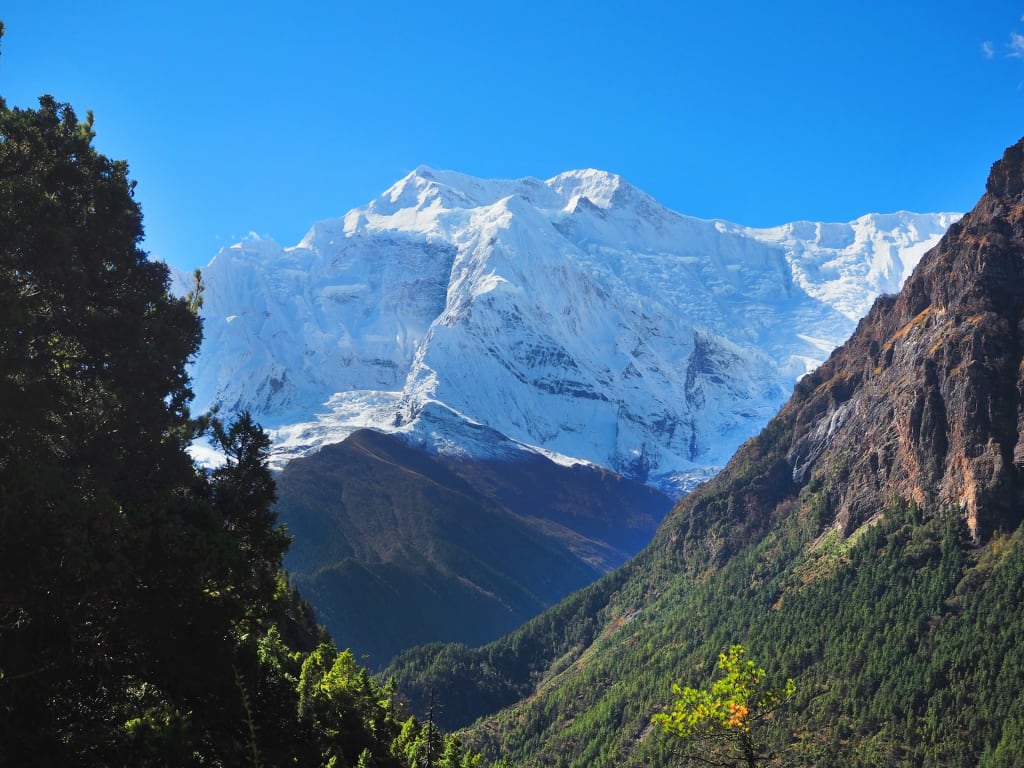
The Annapurna Circuit Trek is one of Nepal’s most legendary trekking routes, attracting adventurers from all over the world. This trek offers a unique combination of stunning landscapes, diverse ecosystems, and rich cultural experiences, making it a dream for trekkers. While the route is well-established, the challenges it presents—especially in high-altitude regions—make having a skilled guide essential. Whether you’re a first-time trekker or an experienced mountaineer, a guide will enhance your experience and ensure you safely navigate through this beautiful yet challenging terrain. In this blog, we’ll dive deep into the role of a guide on the Annapurna Circuit Trek and why they are indispensable for an unforgettable adventure.
Why You Need a Guide for the Annapurna Circuit Trek
The Annapurna Circuit Trek takes you through varied landscapes, from subtropical forests and terraced fields to alpine meadows and snow-capped mountains. The trek crosses the Thorong La Pass, the highest point at 5,416 meters (17,769 feet), making it a high-altitude journey that demands proper acclimatization and preparation. While the trail is well-marked and the route is accessible, the physical and logistical demands of the trek can be overwhelming, especially if you're unfamiliar with the terrain and local culture. Here’s where a guide becomes invaluable.
A guide helps in managing the physical and mental challenges of the trek. They ensure you are well-acclimatized, avoid altitude sickness, and maintain a steady pace. Guides are well-versed in local routes, and they provide much-needed support during emergency situations, such as health issues or weather-related problems. With an experienced guide, you can be confident that you’re trekking safely while also learning about the surrounding cultures and landscapes.
Selecting the Right Guide for the Annapurna Circuit Trek
Choosing the right guide is key to making the most out of your trek. Here are a few factors to consider when selecting a guide for the Annapurna Circuit:
Experience and Expertise: A well-qualified guide should have experience in high-altitude treks and, preferably, in the Annapurna region. They should have thorough knowledge of the trail, the villages you will pass through, and the best places to rest along the way. Make sure your guide has completed relevant training in first aid and altitude sickness management.
Local Knowledge: Guides who are familiar with the Annapurna region can offer valuable insights into the local culture, history, and customs. Many of the villages along the trek have strong Buddhist and Hindu influences, and having a guide who can explain the significance of the monasteries, prayer flags, and rituals will enrich your experience.
Communication Skills: It’s essential that your guide speaks your language fluently, whether it’s English, Spanish, or another language, as this will facilitate communication and make the trek more enjoyable.
Certification: Make sure your guide is licensed by the government and affiliated with a reputable trekking agency. This certification ensures they meet the required standards for safety and professionalism.
Personality and Compatibility: The trek can last over two weeks, so it’s important to choose a guide who makes you feel comfortable. A good guide should be friendly, approachable, and patient, someone who is capable of offering encouragement and support when needed.
The Role of a Guide on the Annapurna Circuit Trek
A guide does much more than just lead you along the trail. Their role is multifaceted, providing logistical support, ensuring your safety, and offering valuable cultural insights along the way. Here are some key ways a guide will enhance your Annapurna Circuit experience:
1. Route Navigation and Pacing
While the Annapurna Circuit is a popular trekking route, some parts can be tricky, especially as you ascend to higher altitudes. A guide will ensure that you follow the correct route, especially during unclear weather conditions or when signs may be hard to spot. Additionally, your guide will monitor your pace to ensure proper acclimatization, which is critical for avoiding altitude sickness.
2. Managing Altitude Sickness
One of the biggest challenges of the Annapurna Circuit is crossing the Thorong La Pass at over 5,400 meters. Acclimatization is key to successfully completing the trek, and a guide will make sure you follow the recommended pace and take rest days when necessary. They’ll be able to recognize early symptoms of altitude sickness and know the appropriate actions to take.
3. Cultural Insights
The Annapurna Circuit is rich in cultural history. You will pass through villages with strong Tibetan and Hindu influences, where locals practice ancient customs. A knowledgeable guide can introduce you to the traditions and rituals, helping you understand the significance of the monasteries, stupas, and prayer wheels you’ll encounter. They’ll also help you connect with locals, offering insight into their daily lives and how they’ve adapted to living in such a remote, mountainous environment.
4. Logistics and Accommodations
Trekking in the Annapurna region can be challenging, especially when it comes to logistics. A guide will handle the arrangements for accommodation, meals, and transport, making sure your trek is comfortable and hassle-free. They’ll know the best teahouses to stay in and ensure you have the necessary permits and documentation for the trek.
5. Safety and Emergency Response
Safety is the highest priority when trekking in the Himalayas. In case of emergency, such as illness or injury, your guide will know how to act quickly, whether it involves administering first aid or arranging for evacuation. They are trained to handle various situations, ensuring you’re always in safe hands.
Conclusion
The Annapurna Circuit Trek offers one of the most diverse and scenic trekking experiences in the world. From the lush forests and rice paddies to the majestic views of the Annapurna and Dhaulagiri ranges, it’s a journey that promises to be unforgettable. However, the route’s high altitude, rugged terrain, and cultural nuances make it essential to have an experienced guide by your side.
A guide is not only your navigator and safety officer but also your bridge to understanding the local culture and history of the Annapurna region. Whether it’s your first time trekking in the Himalayas or you’re a seasoned hiker, having a knowledgeable guide will enhance your journey, help you stay safe, and ensure that you make the most of your adventure in one of the world’s most beautiful mountain ranges.
About the Creator
Enjoyed the story? Support the Creator.
Subscribe for free to receive all their stories in your feed.
Comments
There are no comments for this story
Be the first to respond and start the conversation.