Nature
Why Protecting Biodiversity is Essential for Our Survival
Biodiversity, the incredible variety of life on Earth, is the foundation of our existence. It encompasses the countless species of plants, animals, and microorganisms that inhabit our planet, as well as the ecosystems and ecological processes they form. However, human activities, such as habitat destruction, climate change, pollution, and overexploitation, are causing a rapid decline in biodiversity. In this article, we will explore why protecting biodiversity is essential for our survival and the many benefits it provides for humanity.
By Gokhan Polard3 years ago in Earth
The Most Eco-Friendly Cities in the World and What Makes Them Sustainable
In an era of increasing urbanization and growing concerns about environmental sustainability, some cities stand out as beacons of eco-friendliness. These cities have embraced innovative practices, policies, and technologies to reduce their ecological footprint and create a sustainable living environment for their residents. In this article, we will explore some of the most eco-friendly cities in the world and delve into the factors that make them models of sustainability.
By Gokhan Polard3 years ago in Earth
15 Beautiful Abandoned Places Reclaimed by Nature
There is a haunting beauty that emerges when nature reclaims the remnants of human civilization. Across the globe, abandoned structures and forgotten cities are gradually overtaken by the relentless force of nature, transforming once bustling sites into serene and captivating landscapes. In this article, we will explore fifteen such abandoned places, where nature has triumphed over human intervention, creating stunning and awe-inspiring scenes that remind us of the impermanence of our existence and the indomitable power of the natural world.
By Gokhan Polard3 years ago in Earth
From Very Toxic Embrace to Potential Health Benefits: Uncovering Deep Sea Creatures.
Have you ever come across a sea cucumber resting on a sandy bed and thought it resembled a shapeless blob? These creatures may appear soft and vulnerable, but they possess fascinating defense strategies to protect themselves. Biologists have discovered chemical compounds that sea cucumbers employ to safeguard against predators, and interestingly, these compounds also have potential benefits for human health.
By Franklyn Caleb3 years ago in Earth
Seahorses
Title: Physical Characteristics and Adaptations of Seahorses Introduction: Seahorses are unique and enchanting creatures that belong to the family Syngnathidae, which also includes pipefish and sea dragons. With their distinctive appearance and fascinating behaviors, seahorses have captivated the interest of scientists and nature enthusiasts alike. In this article, we will explore the physical characteristics and remarkable adaptations that enable seahorses to thrive in their marine habitats.
By Mr Royal Honey 3 years ago in Earth
Introduction to Seahorses
Seahorses: Fascinating Creatures of the Sea Seahorses are mesmerizing marine animals that captivate the imagination with their unique appearance and enchanting behavior. Belonging to the genus Hippocampus, these delicate creatures are found in shallow tropical and temperate waters around the world. Despite their small size and seemingly delicate nature, seahorses are remarkably adapted to their marine habitats. In this article, we will explore the captivating world of seahorses and uncover the wonders that make them truly fascinating.
By Mr Royal Honey 3 years ago in Earth
What is actually Hiding Underneath the Sahara Desert?
One of the world's least hospitable places right now is the Sahara Desert. However, it wasn't always like this. You can't possibly imagine the mysteries of the past that are hidden in the sands of the Sahara. Hidden beneath its surface are long-lost cities. Massive lakes that once fed a fertile Savannah landscape And fresh data suggests that the Sahara might hold a hint as to where Atlantis is. Join us as we explore the undiscovered world that lies beneath the Sahara Desert by digging through the sands of time.
By Jogemar Pinongan3 years ago in Earth
10 Endangered species in China
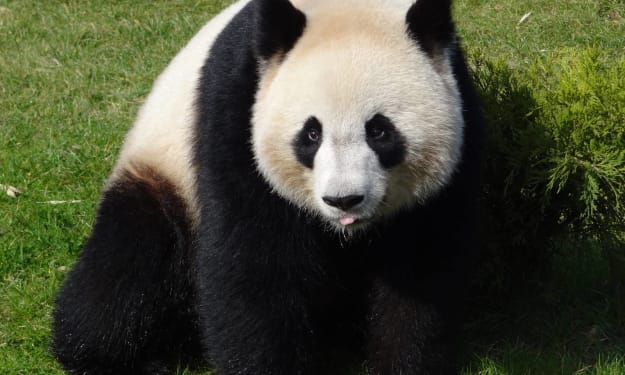
1., Giant Panda (Ailuropoda melanoleuca): The Giant Panda (Ailuropoda melanoleuca) is a species of bear native to the mountainous regions of central China. It is one of the most recognizable and beloved animals in the world, known for its distinctive black and white fur. Here are some detailed facts about the Giant Panda:
By Mohammed thanvir3 years ago in Earth
What if aliens arrive tomorrow?
Are we alone in the universe? With over 100 billion galaxies in the observable universe and at least 500 billion planets in the Milky Way alone, shouldn't we have discovered something by now? Even if a small fraction of these billions of planets had intelligent life, there would be tens of thousands of extraterrestrial civilizations. However, we didn't see anyone. We keep asking why they take so long. But what if I told you that even the friendliest alien could destroy our entire civilization once and for all? This is what would happen if aliens visited us tomorrow. We tend to apply our theories to the rest of the universe. We welcome foreigners to visit, although we ourselves have not yet travelled outside our immediate area. We just think they had a lot more time to develop the technology to make space travel possible.
By Durga Prasad3 years ago in Earth
What Did the Earth Look Like Before Dinosaurs?
Millions of years ago, the Earth looked very different. All the continents merged into one, full of life, both beautiful and terrible. When you think of prehistoric times, you might imagine a T-Rex rampaging through the jungle with its razor-sharp teeth, but even before the dinosaurs, other giant creatures ruled the land. Yes, welcome to Perm. This epic began 300 million years ago. At that time, our planet had one supercontinent, Pangea, which was surrounded by a world ocean called Panthalassa. The Permian began at the end of the Ice Age, when temperatures were much colder than today. In the early days of the Permian period, the earth warmed into a lush environment where plants were diverse and insect and animal life developed rapidly. Constantly shifting on our blue marble, the Earth continued to warm and dry over the next 50 million years, and eventually the deadliest event in our planet's history wiped out almost everything that had ever lived here. Scientists call this event the Great Dying, and it was the most catastrophic mass extinction the Earth has ever seen, and the Earth has seen five of them. But before we get into all that doom and gloom, let me take you on an epic journey. Back in time, here in the Permian, some of the most incredible species to ever roam our young planet are emerging. If you could time travel nearly 300 million years into the past, you would land in the middle of the supercontinent Pangea. The smaller continents of the Earth would have simply collided with each other to form this huge land mass, which occupies a third of the surface of the planet. There was probably less oxygen in the air than now, but it could still breathe. And bring a jacket because it will probably be cold, and in some places the average temperature is four degrees. But don't worry; things are heating up. By the end of the Early Permian, the Ice Age had ended, and Pangea had become an abundant world. Plants and animals flourished. Violent global eruptions changed the climate, shaped the landscape, and paved the way for development. When the giant swamp forests began to dry out, plants had to adapt, and so 290 million years ago, the Earth saw the first seed-bearing plants called gymnosperms. These plants carried seeds in their cones, and they spread like wildfire across the continent.
By Durga Prasad3 years ago in Earth